Table of Contents
Imagine starting your morning with a latte that carries a gentle floral aroma or ending your day with a cocktail that has a hint of sweet lavender. Lavender honey syrup is the secret ingredient that can transform everyday beverages and desserts into gourmet experiences. Whether you’re looking to add elegance to your coffee, craft a unique cocktail, or drizzle it over pancakes, this syrup is a must-have in your kitchen.
In this blog post, we’ll show you how to make lavender honey syrup step by step. Not only will you learn the basics, but you’ll also discover creative variations, serving ideas, and tips to make your syrup truly exceptional.
Perfect for beginners and culinary enthusiasts alike, this recipe is simple, quick, and adaptable. With a few pantry staples and a touch of culinary lavender, you’ll create a syrup that’s not only delicious but also versatile enough to inspire endless recipes.
So, grab your apron and let’s dive into making this delightful lavender syrup recipe that will soon become your favorite kitchen staple!
How to Make Lavender Honey Syrup
Ingredients
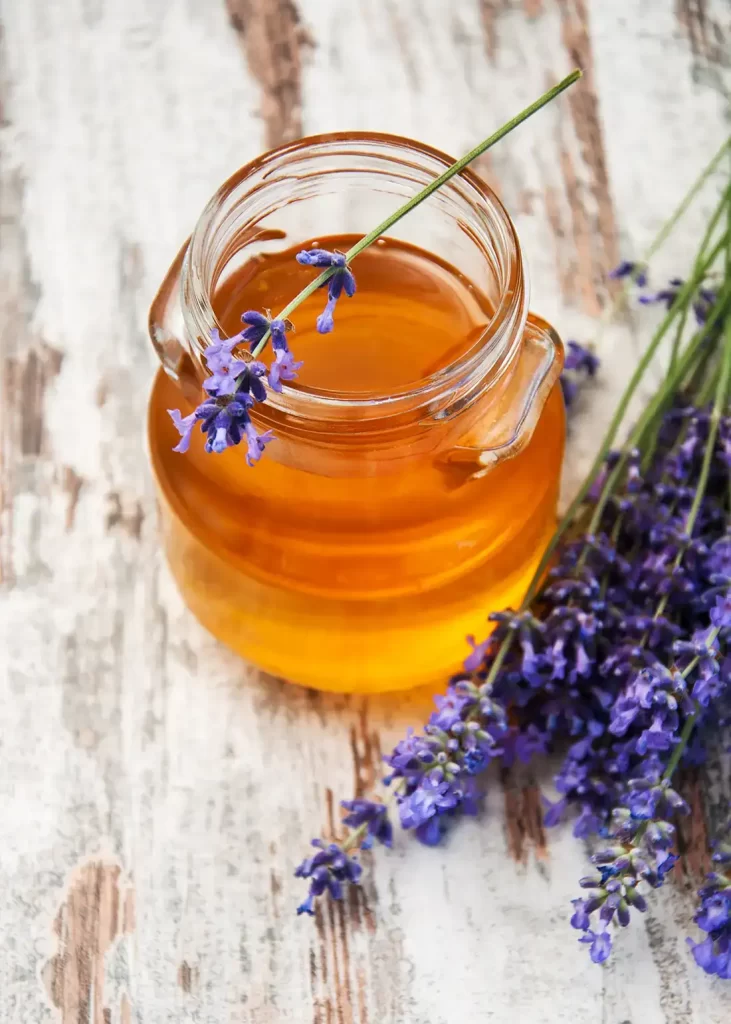
Creating the perfect lavender honey syrup starts with quality ingredients. Here’s what you’ll need:
For the Standard Recipe:
- 1 cup water – Acts as the base to infuse lavender and dissolve the honey.
- 2 tablespoons dried culinary lavender – Provides the signature floral aroma.
- ½ cup honey – Adds sweetness with a rich depth of flavor.
- Optional: ½ teaspoon vanilla extract – For an extra layer of complexity.
For a Sugar-Free Lavender Syrup:
- 1 cup water
- 2 tablespoons dried culinary lavender
- ½ cup sugar-free sweetener (like monk fruit or erythritol)
Instructions to Make Lavender Honey Syrup
- Prepare Your Ingredients
Ensure your lavender is culinary grade to avoid any bitterness or unwanted additives. - Combine Water and Lavender
In a medium saucepan, bring the water to a gentle simmer. Add the dried lavender and reduce the heat to low. Let it simmer for 5-7 minutes to extract the floral essence. - Strain the Lavender
Remove the saucepan from heat. Using a fine mesh strainer, strain out the lavender buds, pressing gently to extract every drop of liquid. - Incorporate Honey
While the liquid is still warm, stir in the honey (or sugar-free sweetener for a sugar-free lavender syrup). Stir until fully dissolved. - Cool and Store
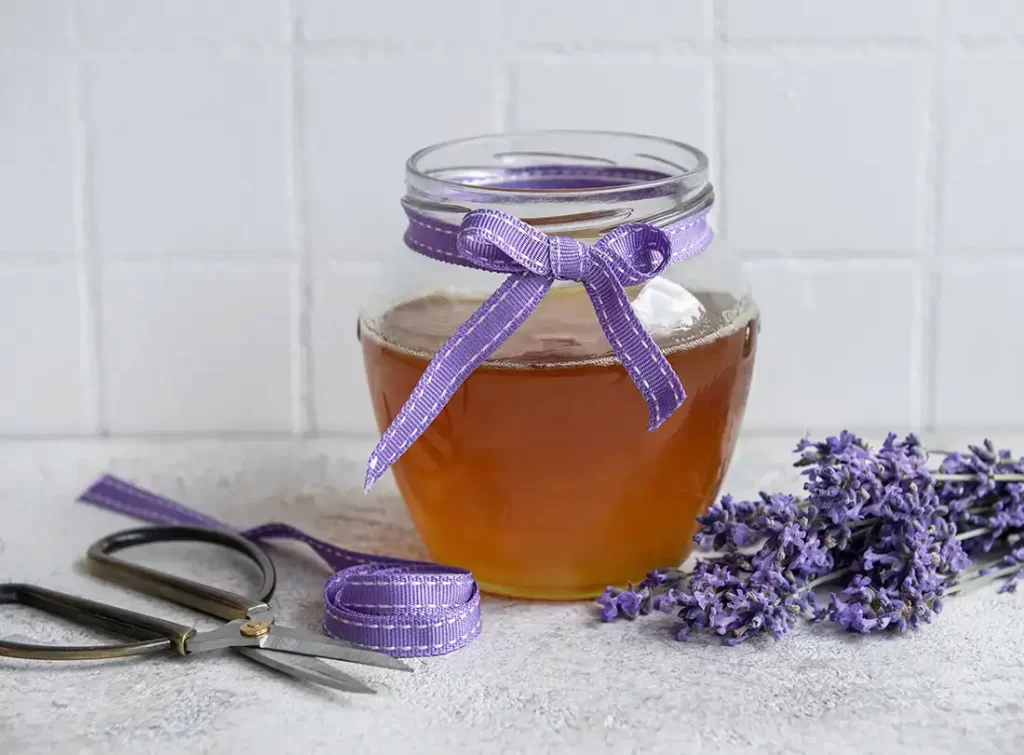
Allow the syrup to cool to room temperature. Transfer it into an airtight glass bottle or jar. Store in the refrigerator for up to two weeks.
For those experimenting with sugar-free lavender syrup, the process is identical, with the substitution of your preferred sweetener.
Tips for the Perfect Lavender Honey Syrup
- Balance the Lavender Flavor: Too much lavender can overpower the syrup and turn it bitter. Stick to the recommended amount.
- Use Warm Water for Honey: Honey dissolves best in warm water; avoid boiling, which can degrade its natural enzymes.
- Add Vanilla or Citrus Zest: For a unique twist, consider adding a touch of vanilla extract or lemon zest.
- Storage Tip: Always store your lavender syrup in a sealed container in the refrigerator to maintain its freshness.
What to Serve with Lavender Honey Syrup
Lavender honey syrup is a multi-purpose delight. Here are some serving suggestions:
- In Coffee and Tea: Add a floral touch to your morning brew or afternoon Earl Grey. Lavender syrup for coffee is especially delightful when paired with oat milk.
- Over Pancakes and Waffles: Drizzle over your favorite breakfast dishes for a gourmet experience.
- In Cocktails: Use this syrup in a Blackberry Bramble Cocktail or an Eastside Cocktail for a sophisticated twist.
- With Desserts: Pair it with Gluten-Free Yellow Cake or ice cream for a sweet, aromatic accent.
- In Yogurt or Smoothies: Stir a splash into Greek yogurt or your favorite smoothie recipe for a hint of lavender.
Variations of Lavender Honey Syrup
Lavender honey syrup is incredibly versatile, and by tweaking a few ingredients, you can create exciting flavor profiles. These variations cater to different tastes and can complement various beverages, desserts, and dishes. Let’s dive into the details:
Citrus Lavender Syrup
Add a burst of refreshing citrus to your lavender honey syrup with lemon or orange zest.
How to Make:
- Follow the original recipe but add 1 tablespoon of finely grated lemon or orange zest to the water and lavender during the simmering step.
- Strain the mixture carefully to remove both the lavender buds and zest.
- Proceed to mix in honey or your chosen sweetener.
Best Uses:
- This version pairs beautifully with sparkling water for a refreshing homemade soda.
- It also complements desserts like lemon cakes or tarts, adding a sophisticated citrus-lavender aroma.
Spiced Lavender Syrup
For a warm, cozy twist, infuse your syrup with spices like cinnamon, cloves, or star anise.
How to Make:
- Add 1 cinnamon stick or 2-3 whole cloves to the saucepan with the water and lavender.
- Let the spices simmer with the lavender for 7-10 minutes to release their flavors.
- Strain the mixture to remove the spices and lavender before stirring in honey.
Best Uses:
- Perfect for autumn-inspired lattes or cocktails.
- Use it as a glaze for baked goods like spiced muffins or scones.
Lavender Mint Syrup
Mint and lavender make a refreshing and herbaceous duo.
How to Make:
- Add 5-6 fresh mint leaves to the lavender and water during the simmering step.
- Simmer for 5-7 minutes, then strain out the mint and lavender.
- Stir in honey while the syrup is warm.
Best Uses:
- This variation is fantastic in iced tea, mojitos, or mint lemonade.
- Drizzle over fresh fruit salads for a cooling effect.
Vanilla Lavender Syrup
Vanilla enhances the floral lavender flavor with a creamy, sweet finish.
How to Make:
- Add ½ teaspoon of vanilla extract to the syrup after straining out the lavender. Stir well to incorporate.
- You can also use a split vanilla bean during the simmering process for a richer flavor.
Best Uses:
- Perfect for lattes, cappuccinos, or hot chocolate.
- Drizzle over pancakes, waffles, or ice cream for a luxurious treat.
Rose-Lavender Syrup
Combining lavender with rose petals creates a stunning floral syrup perfect for special occasions.
How to Make:
- Add 1 tablespoon of dried rose petals to the lavender during the simmering step.
- Strain the mixture thoroughly to remove both lavender and rose petals.
- Stir in honey to create a syrup with a romantic, aromatic flavor.
Best Uses:
- Ideal for mocktails, rose-infused lattes, or champagne cocktails.
- Drizzle over desserts like panna cotta or custard for a gourmet touch.
Lavender Ginger Syrup
Ginger adds a spicy kick to the delicate lavender sweetness.
How to Make:
- Add 1 tablespoon of fresh ginger slices (peeled) to the water and lavender during the simmering step.
- Simmer for 7-10 minutes, then strain out the ginger and lavender.
- Stir in honey to complete the syrup.
Best Uses:
- Fantastic in ginger tea, chai, or as a cocktail mixer.
- Use it as a marinade base for savory dishes like glazed salmon or roasted chicken.
Lavender Cardamom Syrup
Cardamom gives a subtle, exotic spice to the floral lavender notes.
How to Make:
- Add 3-4 cardamom pods to the water and lavender while simmering.
- Strain the mixture and stir in honey as per the standard recipe.
Best Uses:
- Great for chai lattes, hot toddies, or spiced cocktails.
- Drizzle over rice pudding or baked custards for an aromatic twist.
Coconut Lavender Syrup
Coconut water adds a tropical flair to the syrup, making it lighter and fresher.
How to Make:
- Replace regular water with coconut water in the recipe.
- Proceed as usual with the lavender and honey.
Best Uses:
- Ideal for tropical cocktails or mocktails.
- Pairs well with fruity desserts or as a drizzle over sorbet.
Each of these variations can be adapted to your preferences, allowing you to experiment and discover the version that best suits your taste. Whether you’re making lavender syrup for coffee, cocktails, or desserts, these twists will take your creations to the next level.
Recipe Tested & Notes
I tested this Lavender Honey Syrup several times to find the right balance between floral lavender and natural honey sweetness. The goal was to create a syrup that tasted clearly of lavender without becoming so strong that it reminded me of perfume.
The biggest difference during testing was the amount of lavender used and how long it was steeped. Lavender can become quite strong and slightly bitter when over-steeped, so a shorter, controlled steep produced a much more pleasant flavor.
I found that culinary lavender worked best. It provided a clean floral flavor and was easier to control than strongly scented lavender varieties intended primarily for decorative use.
The type of honey also made a noticeable difference. Mild honey allowed the lavender to stand out, while stronger varieties created a deeper and more complex syrup.
I also found that gently warming the liquid was better than aggressively boiling it. Excessive heat can change the delicate floral character of the lavender and may make the honey flavor less pleasant.
Straining the syrup thoroughly was important as well. Removing the lavender flowers after steeping prevented the flavor from becoming too strong as the syrup rested.
The final version had a gentle floral aroma, smooth honey sweetness, and enough lavender flavor to work beautifully in drinks and desserts without overpowering them.
Mistakes I Made
Testing this recipe helped me avoid several common mistakes.
Using too much lavender
Adding too much lavender produced an overly strong, perfume-like flavor. A smaller amount gave a cleaner result.
Steeping for too long
Long steeping made the syrup more bitter and intense. A controlled steeping time worked much better.
Using decorative lavender
Not all lavender is intended for culinary use. Culinary-grade lavender is the better choice for recipes.
Boiling the mixture aggressively
A hard boil made it more difficult to maintain the delicate floral flavor. Gentle heating was preferable.
Using very strongly flavored honey
Strong honey varieties sometimes competed with the lavender. A mild, floral honey created a better balance.
Not straining thoroughly
Leaving lavender pieces in the syrup allowed the flavor to continue developing and eventually become too intense.
Personal Cooking Tips Learned From Testing
These tips consistently gave me the best results:
- Use culinary-grade lavender.
- Start with less lavender if you are unsure about its strength.
- Choose a mild honey for a balanced syrup.
- Gently warm the ingredients rather than aggressively boiling them.
- Watch the lavender closely while it steeps.
- Taste the syrup after steeping and adjust future batches based on the strength of your lavender.
- Strain the syrup through a fine-mesh strainer.
- Allow the syrup to cool before transferring it to a storage container.
- Use a clean, dry glass jar or bottle.
- Label the container with the preparation date.
- Store the syrup properly in the refrigerator.
- Use the syrup in small amounts because the floral flavor can become noticeable quickly.
Why I Prefer This Version
I prefer this Lavender Honey Syrup because the lavender remains subtle enough to complement the honey rather than overpower it.
The honey provides a rich, natural sweetness while the lavender adds a delicate floral aroma. The combination is especially good in drinks because it adds flavor without requiring large amounts of sugar.
I also like that the syrup is versatile. It can be stirred into iced tea, lemonade, coffee, cocktails, mocktails, sparkling water, or used to sweeten desserts.
The homemade version gives me much more control over the lavender intensity than many commercially prepared floral syrups.
It is also easy to adjust. If you prefer a stronger lavender flavor, you can slightly increase the lavender in the next batch. If you want a more honey-forward syrup, use a milder amount of lavender.
Storage Notes Based on Actual Testing
I tested different storage methods and found that refrigeration was the best option for maintaining the flavor and quality of the homemade syrup.
Refrigerator
Once cooled, transfer the syrup to a clean, airtight glass jar or bottle and refrigerate it.
For best quality, use it within a couple of weeks and check it for any changes in appearance, smell, or texture before using.
Room Temperature
I do not recommend storing homemade lavender honey syrup at room temperature for extended periods. Refrigeration is the safer choice for a homemade syrup without commercial preservatives.
Freezing
The syrup can be frozen if you need longer storage. Small portions can be frozen in an appropriate freezer-safe container, leaving room for expansion.
Thaw in the refrigerator and stir well before using.
Make-Ahead Preparation
This syrup is excellent for making ahead. Preparing it a day before using it allows the honey and lavender flavors to settle and blend.
Storage Container
A clean glass jar or bottle with a tight-fitting lid works best. Always use a clean spoon or pour directly from the container rather than introducing food particles into the syrup.
Equipment Used
These tools make Lavender Honey Syrup easy to prepare:
- Small saucepan
- Fine-mesh strainer
- Wooden spoon
- Measuring cups
- Measuring spoons
- Small funnel, optional
- Heat-safe glass jar or bottle
- Clean spoon
- Small bowl
- Kitchen timer
Frequently Asked Questions (FAQs)
Can I use fresh lavender instead of dried?
Yes, but the flavor may be less concentrated. Double the amount of fresh lavender to achieve a similar taste.
How long does lavender honey syrup last?
When stored in a sealed container in the refrigerator, it lasts up to two weeks.
Is this lavender syrup recipe safe for kids?
Yes, it’s safe. If serving to young children, ensure there’s no alcohol if using it in cocktails or similar recipes.
Can I make lavender syrup for coffee without honey?
Absolutely! Substitute honey with sugar or a sugar-free alternative to suit your preference.
Substitutes for Lavender Honey Syrup Ingredients
- Honey Substitute: Use agave syrup, maple syrup, or sugar-free sweeteners for different dietary needs.
- Lavender Substitute: Swap dried lavender for dried chamomile or rose petals for a floral variation.
- Water Substitute: Try coconut water for a tropical undertone.
Nutrition of Lavender Honey Syrup
Per tablespoon of Lavender Honey Syrup (using honey):
- Calories: 35
- Carbohydrates: 9g
- Sugars: 8g
- Protein: 0g
- Fat: 0g
For sugar-free lavender syrup, the calorie count will be significantly lower depending on your sweetener of choice.
Final Thoughts
Mastering this lavender syrup recipe will not only transform your kitchen creations but also inspire you to experiment with new combinations. Whether you’re making sugar-free lavender syrup, exploring floral cocktails, or adding elegance to simple beverages, this guide has you covered.
Now that you know how to make lavender honey syrup, it’s time to get creative. Which recipe will you try it with first? Let us know in the comments!