Table of Contents
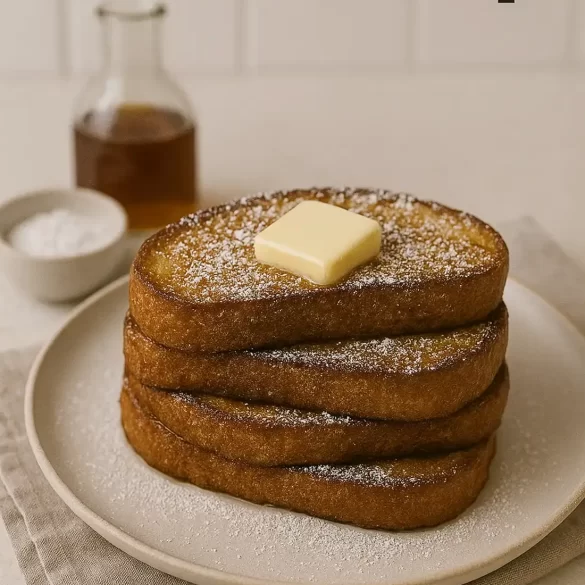
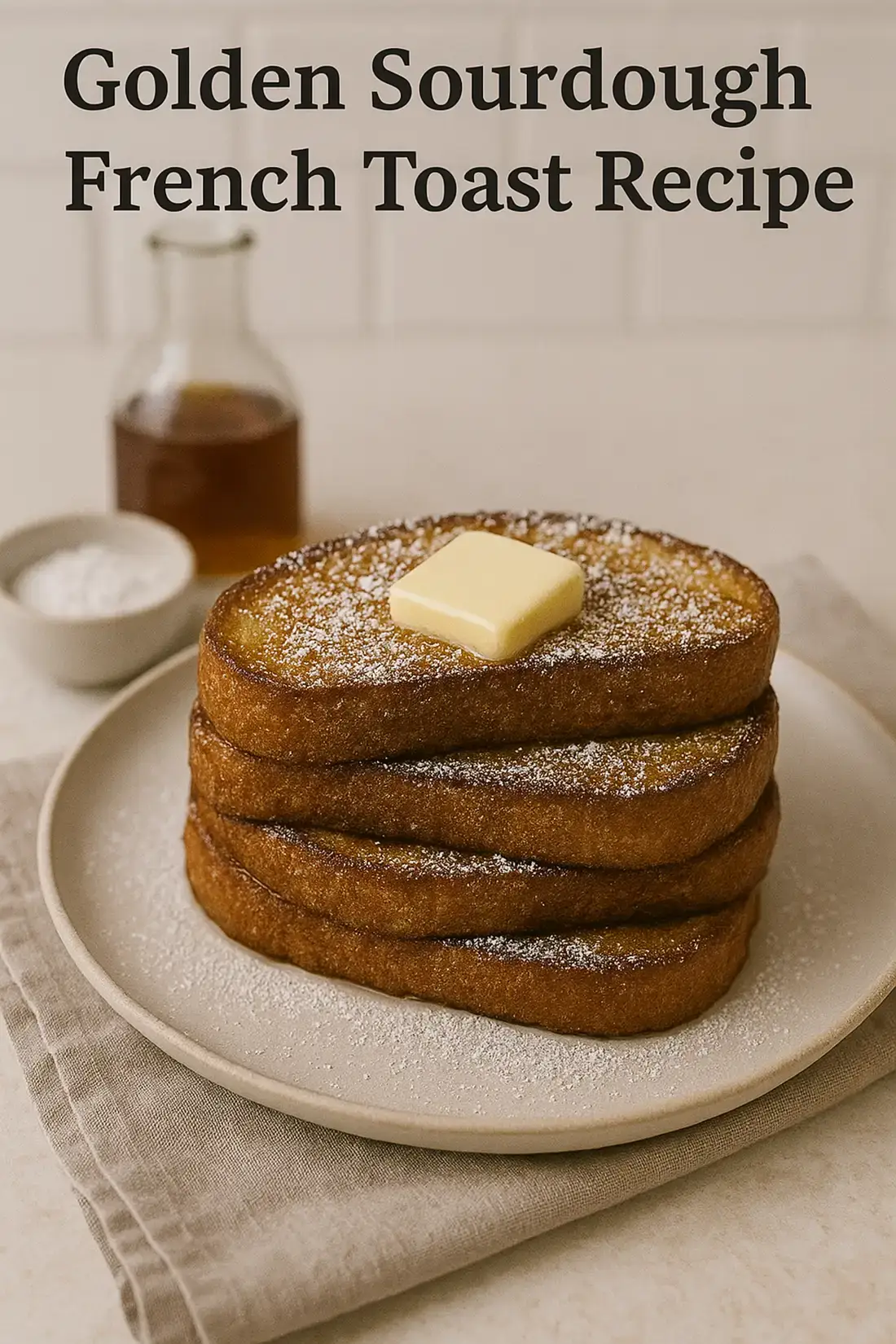
What’s better than classic French toast? Golden Sourdough French Toast, of course! Imagine biting into a slice of crispy-on-the-outside, custardy-on-the-inside bread that’s been perfectly pan-fried and infused with warm cinnamon, vanilla, and a hint of tang. That’s the magic of a sourdough French toast recipe—an elegant, flavorful upgrade to your weekend breakfast or brunch table.
So, can you make French toast with sourdough bread? Absolutely, and in fact, it might just become your go-to! Sourdough’s hearty texture holds up beautifully when soaked in custard, and its signature tang adds a complexity you won’t get with plain white bread. Whether you’re using homemade sourdough or a store-bought artisan loaf, this recipe transforms simple ingredients into something absolutely mouthwatering.
In this guide, you’ll learn everything you need to master Sourdough French Toast Recipe, from soaking tips to flavor boosts and even creative variations. Let’s bring your brunch game to a whole new level.
Ingredients
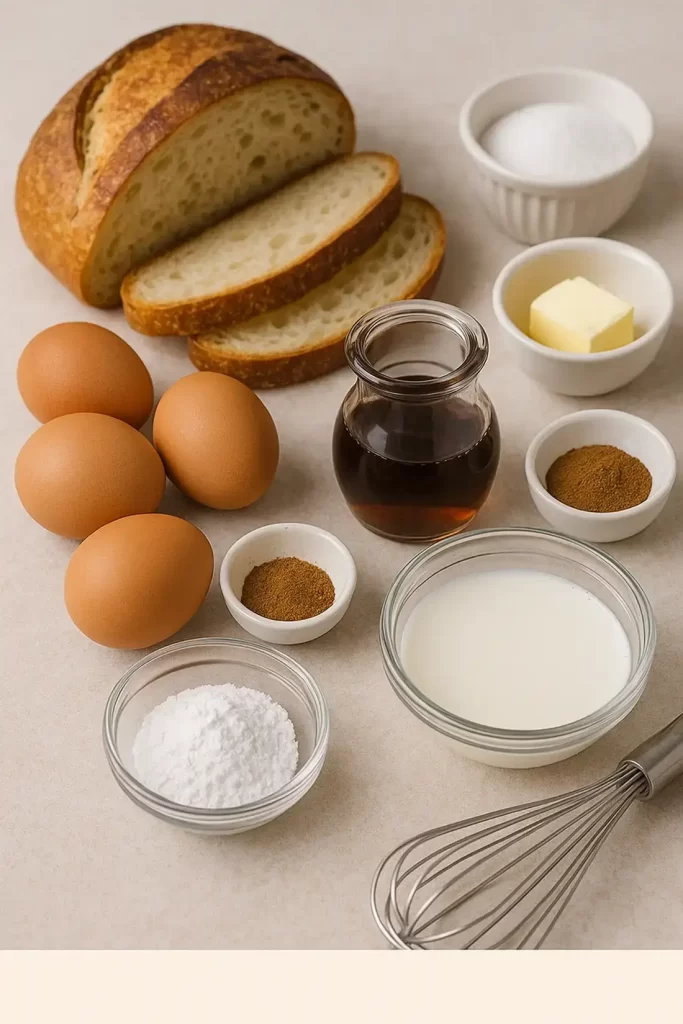
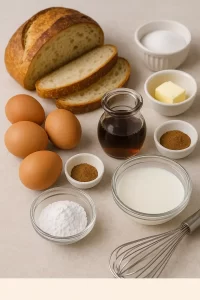
Here’s everything you need for the perfect Sourdough French Toast Recipe—each ingredient chosen for flavor, texture, and richness.
- 6 slices of sourdough bread (about ¾ inch thick)
The star of the show! Sourdough offers a chewy bite and a tangy flavor that balances the sweetness beautifully. - 4 large eggs
Eggs create the rich custard that coats and transforms the bread during cooking. - 1 cup whole milk
Whole milk brings creaminess. You can substitute with almond, oat, or 2% milk if needed. - ¼ cup heavy cream
Adds richness for a velvety, indulgent texture. - 2 tablespoons granulated sugar
Sweetens the custard just slightly to complement toppings like maple syrup or berries. - 1 tablespoon pure vanilla extract
Infuses warmth and depth into the custard. - 1 teaspoon ground cinnamon
Gives that cozy, classic French toast flavor. - ¼ teaspoon ground nutmeg (optional)
Adds a warm, spiced undertone that pairs well with sourdough’s tang. - Pinch of salt
Balances sweetness and enhances all the flavors. - Butter or neutral oil for cooking (2 tablespoons)
Butter gives a golden crust and rich flavor. Use oil for a crispier exterior or combine both. - Optional toppings:
Maple syrup, powdered sugar, fresh berries, banana slices, whipped cream, or a dollop of Greek yogurt for tangy contrast.
Step-by-Step Instructions for sourdough French toast recipe
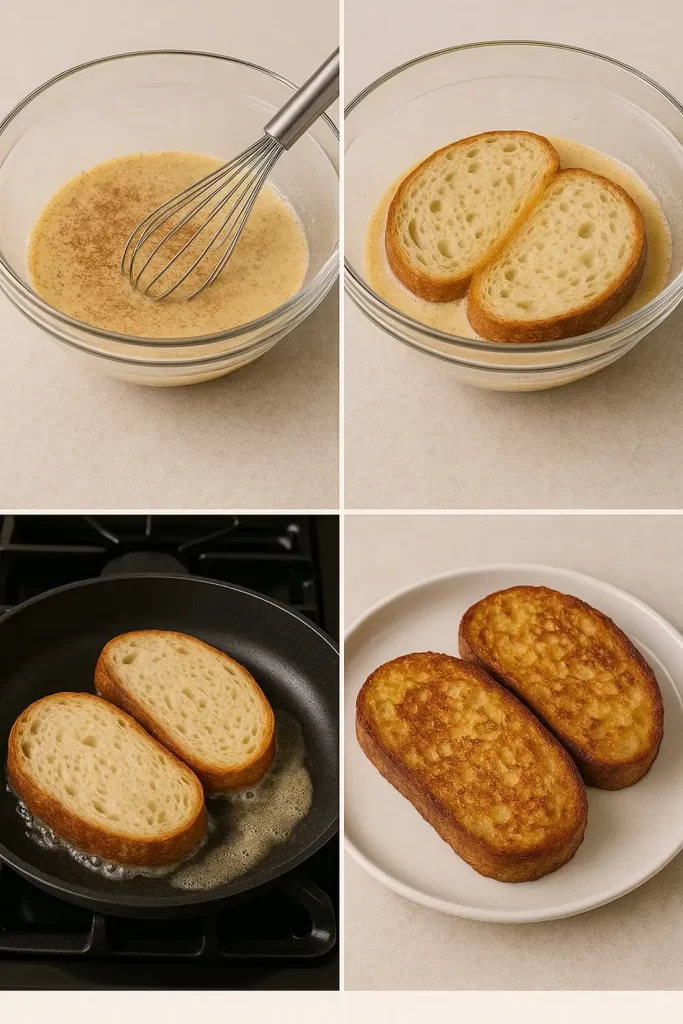
Let’s walk through the process of making Golden Sourdough French Toast, one delicious step at a time.
1. Prep the Sourdough Bread
- Slice your sourdough loaf into thick slices (around ¾ inch).
- If possible, use day-old or slightly stale bread—it absorbs custard better without getting soggy.
Pro Tip: Lay slices on a wire rack for 10–15 minutes to dry slightly if using fresh bread.
2. Make the Custard Mixture
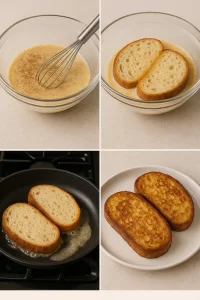
- In a large mixing bowl, whisk together eggs, milk, cream, sugar, vanilla, cinnamon, nutmeg, and salt until smooth.
- Transfer the mixture to a wide, shallow dish for easy dipping.
3. Soak the Bread
- Place one or two slices of sourdough in the custard.
- Let them soak for 30–40 seconds per side, depending on thickness. You want the custard to penetrate but not make the bread fall apart.
Pro Tip: Avoid over-soaking, especially if your bread is very soft or fresh.
4. Heat the Skillet or Griddle
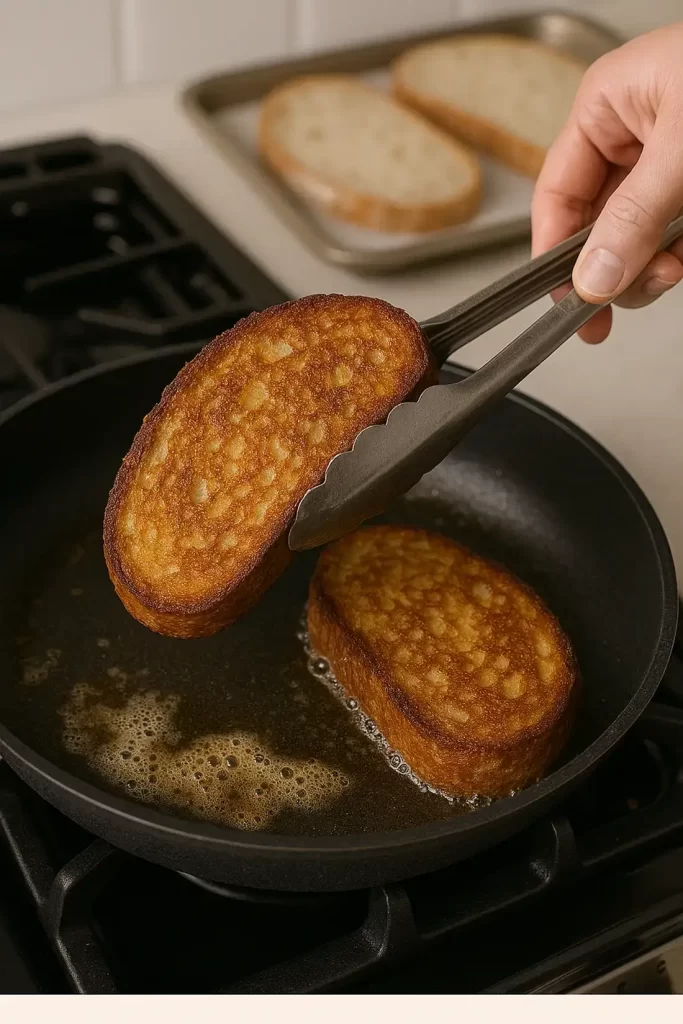
- Preheat a non-stick skillet or griddle over medium heat.
- Add a pat of butter or a combination of butter and oil to coat the surface.
5. Cook the French Toast
- Place soaked slices on the hot skillet.
- Cook for about 2–3 minutes per side, or until golden brown and crispy.
Pro Tip: Don’t overcrowd the pan—cook in batches and keep finished slices warm in a low oven.
6. Serve Hot
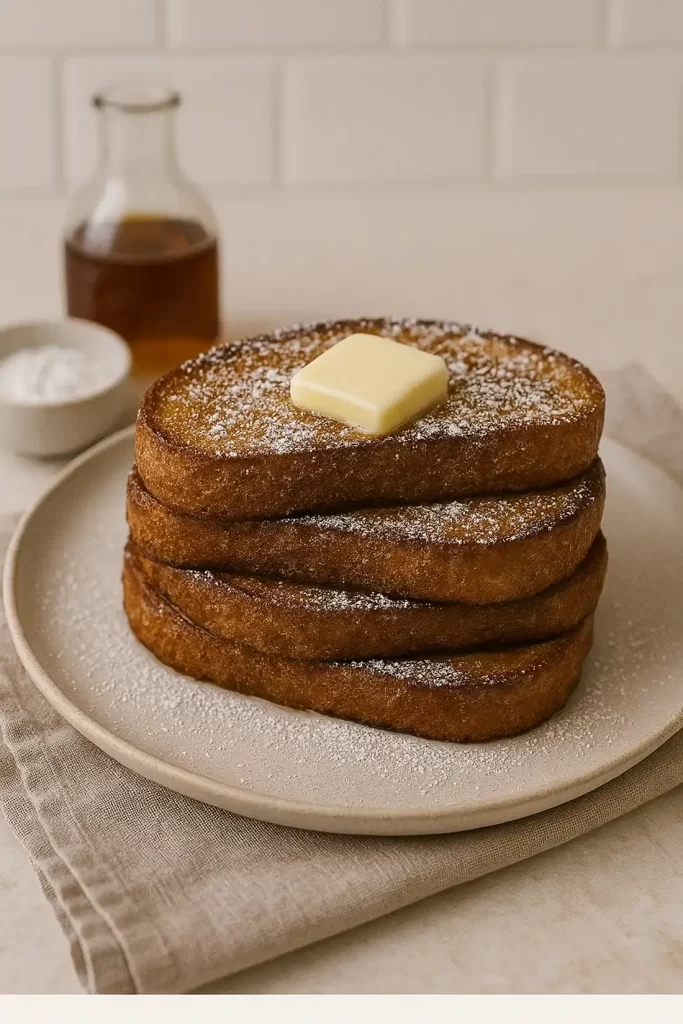
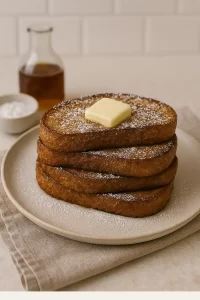
- Plate immediately with your favorite toppings—whether that’s a drizzle of maple syrup, a dusting of powdered sugar, or a mound of berries and whipped cream.
Pro Tips for a Perfect Sourdough French Toast Recipe
Want to elevate your sourdough French toast from good to unforgettable? Here’s how:
- Choose the right bread: A rustic, crusty sourdough works best. Avoid overly soft or commercial sandwich-style sourdoughs—they may turn mushy.
- Use thicker slices: Thin slices can fall apart easily when soaked. Aim for ¾ to 1 inch thick.
- Don’t skip the salt: It enhances the sweetness and balances the tangy sourdough.
- Blend well: Use a whisk or immersion blender to ensure the custard is smooth—no streaks of egg white.
- Let it rest: After soaking, place bread on a wire rack for 1–2 minutes before frying. It helps evenly distribute the custard.
- Control heat: Medium heat gives you a golden crust without burning the outside before the inside is cooked.
Serving Suggestions
The beauty of sourdough French toast is its versatility. Here’s how to take it from everyday breakfast to weekend brunch showstopper:
- Classic: Maple syrup + butter + powdered sugar.
- Fruity: Topped with fresh berries, banana slices, or warm sautéed apples with cinnamon.
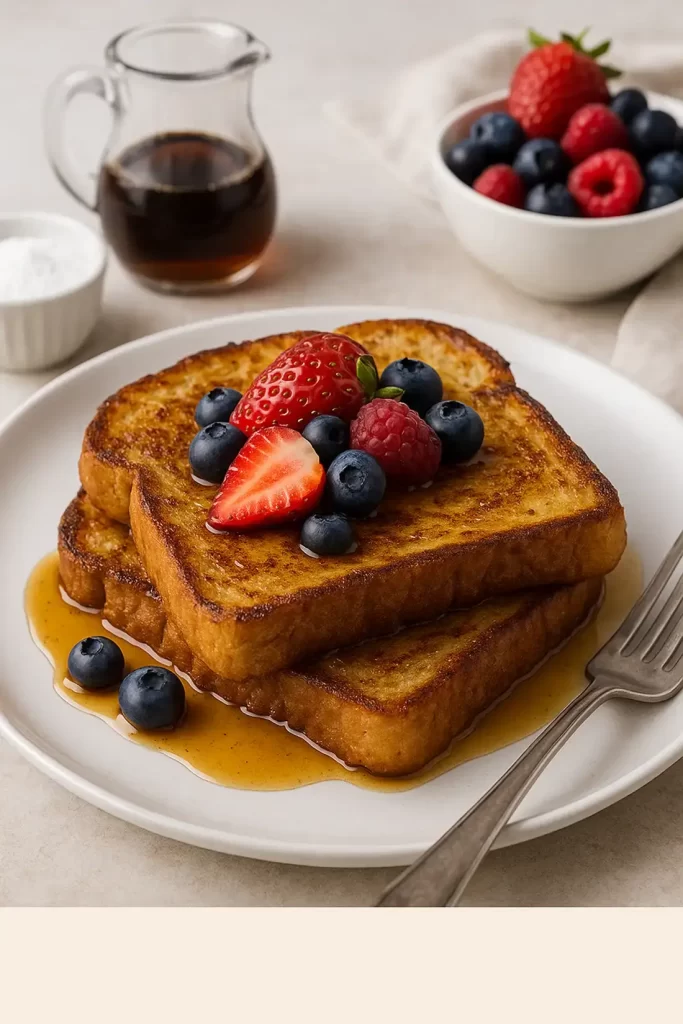
- Nutty: Add chopped pecans or almonds for crunch.
- Creamy: Dollop of Greek yogurt, mascarpone, or whipped cream.
- Savory twist: Skip sugar in the custard and serve with crispy bacon or fried eggs for a sweet-savory combo.
Pair with fresh orange juice, a cappuccino, or a mimosa for a full brunch experience.
Recipe Variations & Customizations
Love experimenting? Here are a few ways to mix things up:
1. Dairy-Free Option
- Use almond, oat, or soy milk instead of dairy.
- Swap butter with coconut oil or a plant-based margarine.
2. Vegan French Toast
- Replace eggs with 1 tablespoon of ground flaxseed + 3 tablespoons water per egg (let it sit 5 minutes to gel).
- Use plant-based milk and cook in oil or vegan butter.
3. Stuffed Sourdough French Toast
- Cut thick slices and create a pocket.
- Fill with cream cheese and strawberry jam, Nutella and banana, or peanut butter and jelly before soaking and frying.
4. Baked Sourdough French Toast Casserole
- Cube the bread and soak in custard overnight.
- Bake at 350°F (175°C) for 40–45 minutes until set and golden. Great for feeding a crowd!
5. Boozy Brunch Version
- Add a splash of rum, bourbon, or orange liqueur (like Grand Marnier) to the custard for adult brunch flair.
Recipe Tested & Notes
I tested this sourdough French toast recipe several times using different types of sourdough bread, soaking times, and cooking temperatures. The goal was to create slices that stayed crisp on the outside while remaining soft and creamy in the center.
Here are the results from my testing:
- Day-old artisan sourdough produced the best texture. Fresh bread worked, but it became softer after soaking.
- Thick slices, about 3/4 to 1 inch, were much easier to cook without falling apart.
- A soak of around 35 to 40 seconds per side gave the perfect custardy center.
- Cooking over medium heat browned the bread evenly without burning the butter.
- A mixture of butter and a little neutral oil created the best golden crust while preventing the butter from burning.
After multiple batches, this version consistently delivered the best balance of crispy edges, fluffy centers, and rich flavor.
Mistakes I Made
Making French toast looks simple, but a few small mistakes can make a big difference. These are the errors I ran into while testing this recipe.
Using fresh sourdough straight from the bakery
Fresh bread soaked up too much custard and became overly soft. Letting it sit uncovered for a few hours or using day-old bread solved this problem.
Cooking over high heat
My first batch browned far too quickly while the center remained undercooked. Medium heat gave much more even cooking.
Over-soaking the bread
Leaving the slices in the custard for more than a minute caused the center to become too wet. Thirty to forty seconds per side was the sweet spot.
Skipping the resting step
Cooking immediately after soaking caused excess custard to drip into the pan and burn. Letting each slice rest for about a minute before cooking made cleanup easier and improved browning.
Not wiping the pan between batches
Burnt butter can leave dark spots on later batches. I now wipe the skillet after every two batches before adding fresh butter.
Personal Cooking Tips Learned From Testing
After making this recipe repeatedly, these small tricks consistently improved the results.
- Always whisk the custard until completely smooth before adding the bread.
- Add cinnamon after whisking the eggs first to avoid spice clumps.
- Let soaked bread rest briefly before placing it into the skillet.
- Flip only once. Multiple flips prevent the crust from developing.
- Keep cooked slices on a wire rack inside a warm oven instead of stacking them on a plate.
- Use real vanilla extract instead of imitation vanilla for noticeably better flavor.
- Warm the maple syrup before serving. It keeps the French toast hotter and tastes much richer.
- Finish with a tiny pinch of flaky sea salt if serving with maple syrup. It enhances every bite.
Why I Prefer This Version
I’ve tried many French toast recipes over the years, including versions made with brioche, challah, sandwich bread, and Texas toast. While they’re all delicious, sourdough has become my favorite for several reasons.
First, the bread naturally has more structure, so it holds the custard without becoming soggy.
Second, the mild tang from sourdough balances the sweetness of maple syrup and powdered sugar, making every bite more interesting.
I also love how the crust becomes beautifully crisp while the inside stays soft and creamy.
Finally, this recipe uses simple pantry ingredients while delivering a restaurant-quality breakfast that’s easy enough for weekends but impressive enough for guests.
If I have leftover sourdough bread, this is almost always the recipe I choose.
Storage Notes Based on Actual Testing
Refrigerator
Once completely cooled, store leftover French toast in an airtight container.
It stayed fresh for up to 3 days in my refrigerator without losing much flavor.
Freezer
I froze individual slices separated with parchment paper.
They reheated beautifully for up to 2 months.
Best Reheating Methods
Toaster
- Best for restoring crispy edges.
- Toast directly from frozen.
Oven
- Bake at 350 degrees Fahrenheit for 8 to 10 minutes.
- Excellent for reheating several slices at once.
Air Fryer
- Heat at 350 degrees Fahrenheit for 3 to 4 minutes.
- Produces the crispiest results.
Microwave
- Works in a pinch but softens the crust.
- I only recommend it if you’re short on time.
Equipment Used
Having the right equipment makes this recipe much easier.
- Large mixing bowl
- Wide shallow dish for soaking the bread
- Balloon whisk
- Measuring cups and measuring spoons
- Sharp bread knife
- Large nonstick skillet or cast-iron skillet
- Flexible spatula
- Kitchen tongs
- Wire cooling rack
- Baking sheet (for keeping finished slices warm)
- Paper towels for wiping the pan between batches
FAQs
Can you make French toast with sourdough bread?
Yes! Sourdough is actually one of the best breads for French toast because it’s sturdy and absorbs custard beautifully.
Why is my French toast soggy?
It’s likely over-soaked or your bread was too thin or too fresh. Use thick, day-old sourdough and soak just enough.
Can I use pre-sliced sourdough sandwich bread?
Yes, but be gentle—it’s often softer and may need a shorter soak.
Can I freeze cooked sourdough French toast?
Absolutely. Freeze on a baking sheet, then store in a zip bag. Reheat in a toaster or oven for a crisp finish.
How long can I store the custard mix?
You can refrigerate it for up to 24 hours. Just give it a good whisk before using.
Can you make French toast with sourdough bread?
Absolutely. Sourdough is one of the best breads for French toast because it absorbs custard without becoming overly soft.
Is sourdough better than brioche for French toast?
It depends on your preference. Brioche is sweeter and richer, while sourdough offers a crispier crust and a slightly tangy flavor that balances sweet toppings.
Should sourdough bread be stale?
Slightly stale bread works best because it absorbs the custard evenly while keeping its shape during cooking.
How thick should I slice the bread?
Aim for slices between 3/4 inch and 1 inch thick for the perfect texture.
Why is my French toast dry inside?
The bread probably wasn’t soaked long enough, or the slices were too thick. Give each side about 30 to 40 seconds in the custard.
Why is my French toast soggy?
This usually happens when the bread is soaked for too long or cooked over heat that’s too high, causing the outside to brown before the inside cooks.
Can I prepare the custard ahead of time?
Yes. You can mix the custard up to 24 hours ahead and refrigerate it. Whisk again before using.
Can I make this recipe dairy-free?
Yes. Substitute whole milk and cream with oat milk, almond milk, or your favorite plant-based milk, and cook with dairy-free butter.
What are the best toppings for sourdough French toast?
Fresh berries, maple syrup, whipped cream, caramelized bananas, toasted pecans, chopped walnuts, apple compote, cinnamon butter, or Greek yogurt all pair beautifully.
Can I make this recipe for a crowd?
Definitely. Cook the slices in batches and keep them warm on a baking sheet in a 200 degree Fahrenheit oven until ready to serve.
Can I bake instead of pan-frying?
Yes. Arrange soaked slices on a parchment-lined baking sheet and bake at 375 degrees Fahrenheit for about 18 to 22 minutes, flipping halfway through.
Can I freeze uncooked soaked bread?
I don’t recommend it. The texture is much better if you cook the French toast first and freeze the cooked slices.
Substitutes & Ingredient Alternatives
- Sourdough Bread Substitute: Brioche, challah, French bread, or multigrain—though none have the unique tang of sourdough.
- Heavy Cream Substitute: Use more whole milk or a splash of half-and-half.
- Cinnamon Substitute: Try pumpkin pie spice or cardamom for a twist.
- Sugar Substitute: Maple syrup or honey (add to custard for natural sweetness).
- Vanilla Extract Substitute: Almond extract (use sparingly) or scrape from a vanilla bean pod.
Nutritional Information (Per Serving – Based on 2 slices)
- Calories: ~320
- Carbohydrates: 35g
- Protein: 10g
- Fat: 15g
- Fiber: 2g
- Sugar: 8g
- Sodium: ~250mg
Final Thoughts
If you’ve never tried sourdough French toast recipe , you’re in for a flavor-packed breakfast that’s both familiar and exciting. The tangy notes from the bread, the creamy custard, the golden crispy edges—it’s comfort food with a gourmet twist.
Next time you have leftover sourdough, skip the plain toast and elevate your morning with this French toast with sourdough bread recipe. Whether you’re treating your family or impressing brunch guests, this dish never fails to satisfy.
Have you made this Golden sourdough French toast recipe ? Share your experience in the comments! What toppings do you love most?
If you loved this recipe, don’t miss our ocean spray white cran strawberry juice or Sourdough Bread Bowl recipes for more tangy, delicious ideas.