Table of Contents
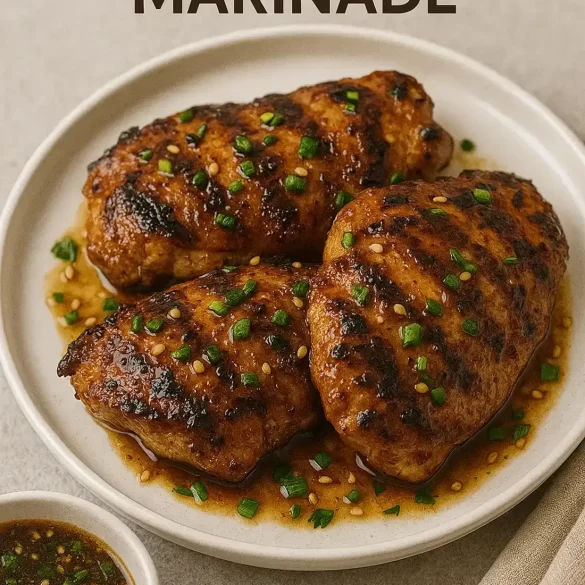
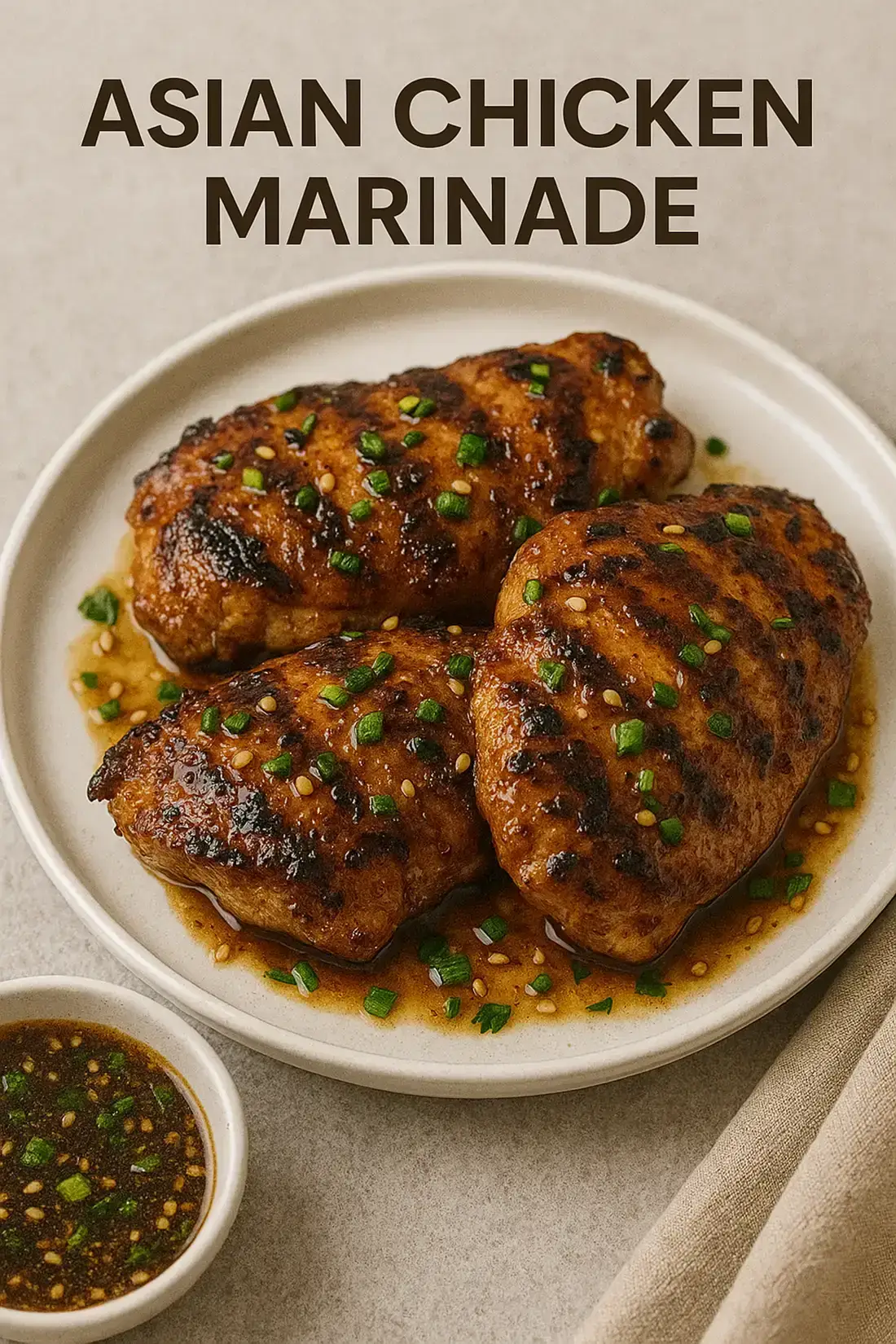
Looking to upgrade your next chicken dinner with bold, punchy, and delicious Asian-inspired flavors? This Asian chicken marinade is your secret weapon. Bursting with a perfect balance of salty, sweet, tangy, and umami, it transforms simple cuts of chicken into a restaurant-quality dish right at home.
Whether you’re grilling, baking, or pan-searing, this marinade guarantees juicy, tender chicken infused with classic Asian flavors. Think garlic, ginger, soy sauce, sesame oil, and a touch of sweetness—this combination is the base of many beloved Asian dishes, and it works like magic here too.
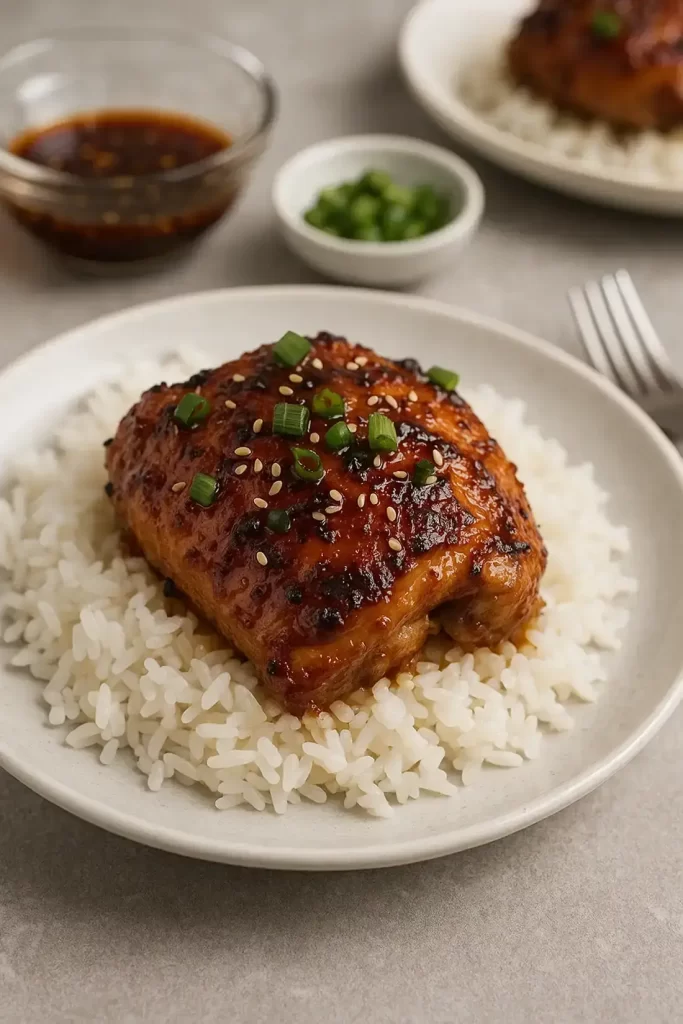
This Asian chicken marinade recipe is incredibly versatile and works with thighs, breasts, drumsticks, and even skewered kebabs. It’s perfect for meal prep, summer barbecues, weeknight dinners, or even a cozy night in. Let’s dive into how you can create this flavor-packed experience in your own kitchen.
Ingredients
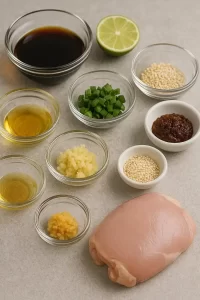
Here’s everything you’ll need for the best Asian chicken:
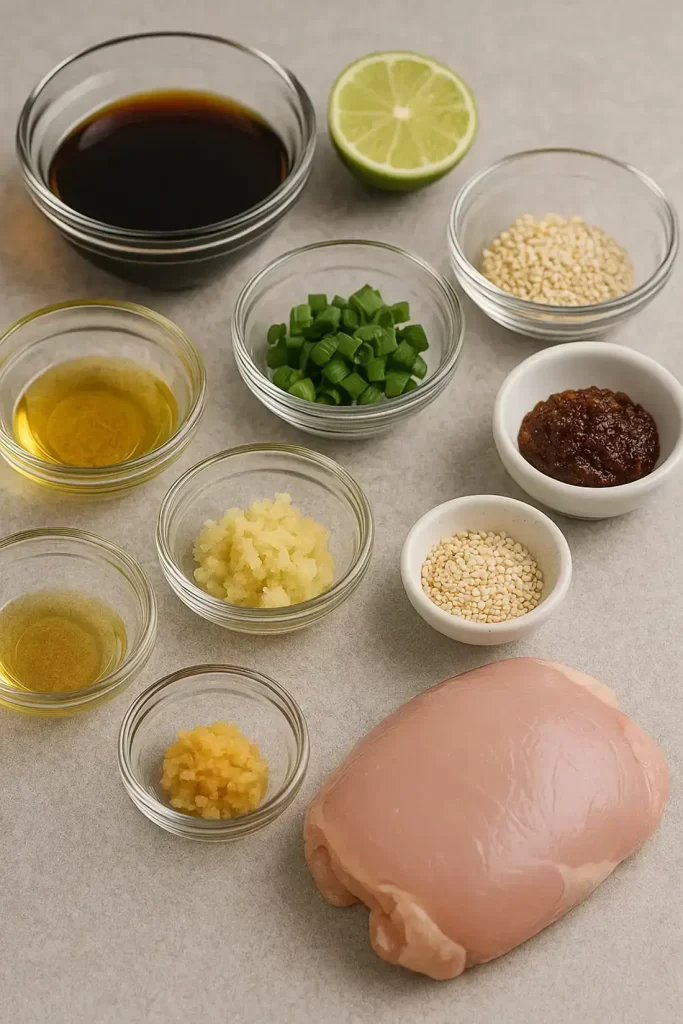
- 1/3 cup soy sauce – Acts as the salty umami-rich base that deeply penetrates and seasons the chicken.
- 2 tablespoons sesame oil – Adds a warm, nutty flavor that’s signature to many Asian dishes.
- 2 tablespoons rice vinegar – Provides acidity that balances the salt and helps tenderize the chicken.
- 2 tablespoons honey – Introduces a subtle sweetness and creates a beautiful glaze when cooking.
- 2 tablespoons brown sugar – Enhances the caramelization and rounds out the flavors.
- 1 tablespoon freshly grated ginger – Adds warmth and a zesty bite.
- 3 cloves garlic, minced – Delivers bold flavor and complements the soy and sesame base.
- 1 tablespoon oyster sauce (optional but recommended) – Adds depth and a savory punch.
- 1 teaspoon chili flakes or sriracha (optional) – For a touch of heat.
- 2 green onions, chopped (optional) – Provides freshness and a mild onion flavor.
- Zest of 1 lime + 1 tablespoon lime juice – Brightens the marinade and adds a citrusy twist.
Substitutions: You can use apple cider vinegar in place of rice vinegar, maple syrup or agave instead of honey, and tamari or coconut aminos as a gluten-free soy sauce alternative.
Step-by-Step Instructions
1. Prepare the Marinade
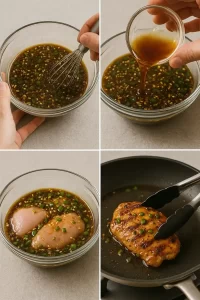
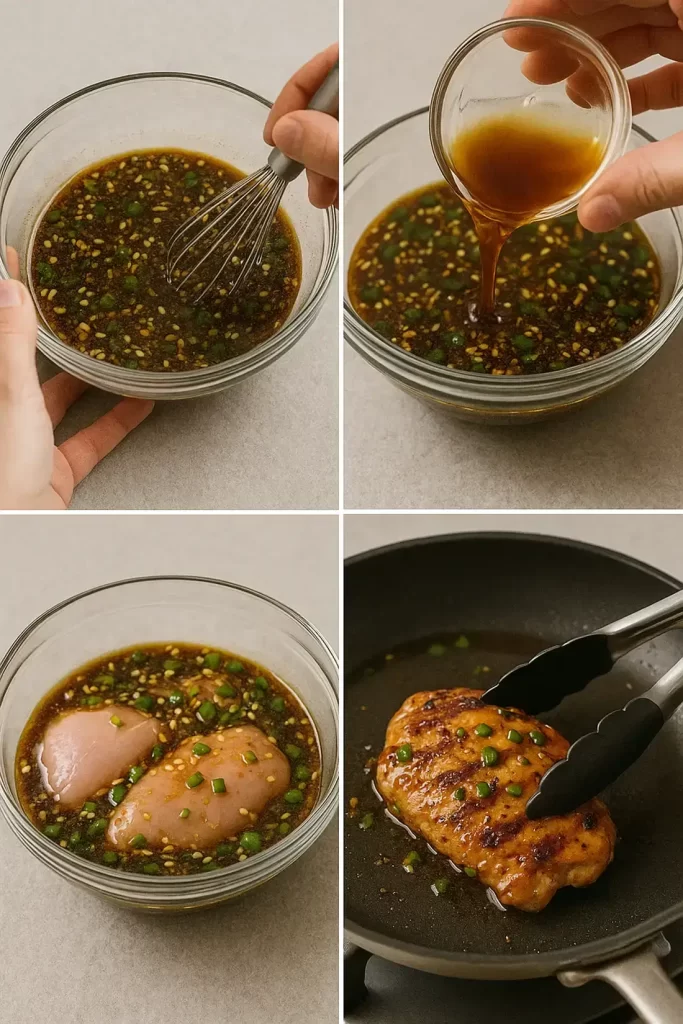
In a medium mixing bowl or large measuring cup, combine the soy sauce, sesame oil, rice vinegar, honey, brown sugar, oyster sauce (if using), lime juice and zest. Whisk everything together until the sugar is dissolved and the liquids are fully combined.
2. Add Aromatics
Stir in the minced garlic, grated ginger, chili flakes, and chopped green onions. These aromatics will infuse the marinade with incredible fragrance and flavor.
Pro Tip: Use a microplane to grate ginger directly into the bowl. It blends more easily and releases more juice and flavor.
3. Marinate the Chicken
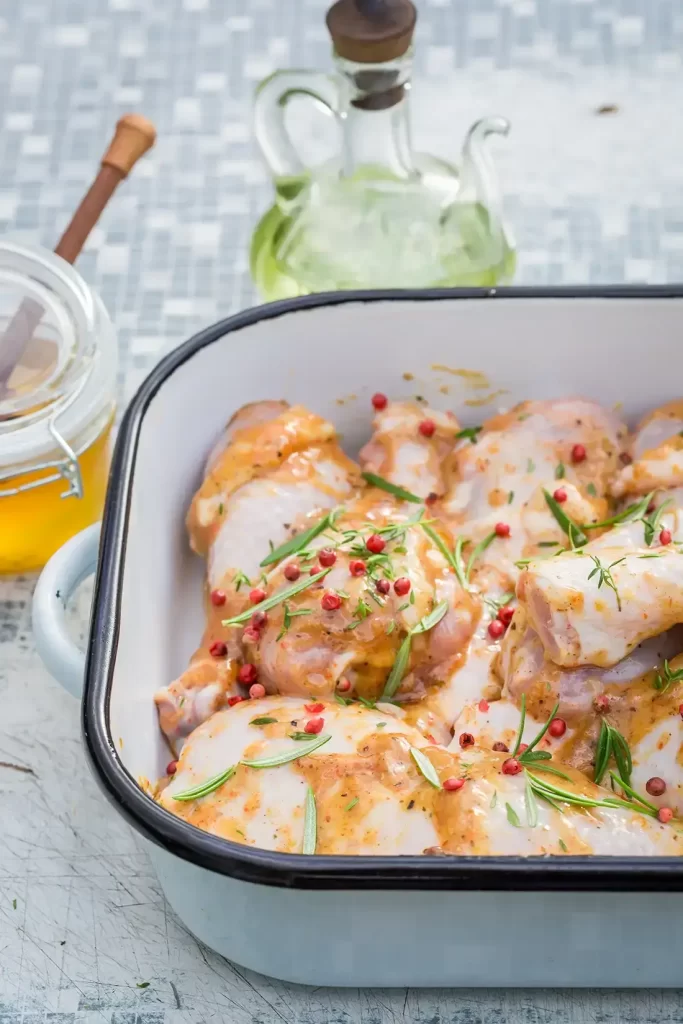
Place your chicken pieces (breasts, thighs, wings, or drumsticks) into a large zip-top bag or shallow glass dish. Pour the marinade over the chicken, making sure all pieces are well coated.
Seal the bag or cover the dish and refrigerate.
- Marinate Time for Best Results:
- 30 minutes for a quick boost of flavor.
- 2–4 hours for deeper penetration.
- Overnight (8–12 hours) for maximum flavor and juiciness.
Note: Don’t marinate longer than 24 hours as the acids can start to break down the meat and make it mushy.
4. Cook the Chicken
Remove the chicken from the marinade and let any excess drip off. Cook using your preferred method:
Grilling
- Preheat your grill to medium-high heat.
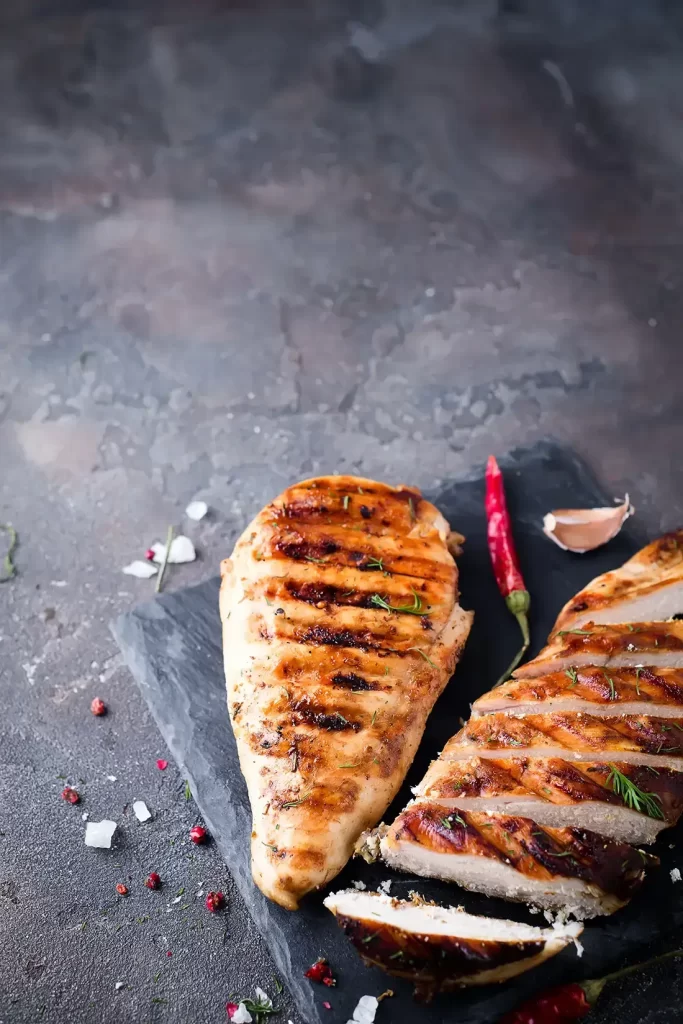
- Grill chicken 5–7 minutes per side (depending on thickness) until fully cooked and lightly charred.
Baking
- Preheat oven to 400°F (200°C).
- Place chicken on a baking sheet lined with parchment paper.
- Bake for 20–25 minutes or until internal temperature reaches 165°F (75°C).
Pan-Searing
- Heat a skillet with a bit of oil over medium heat.
- Cook chicken for 6–8 minutes per side until browned and cooked through.
Air Fryer
- Preheat air fryer to 380°F (195°C).
- Air fry marinated chicken for 15–18 minutes, flipping halfway through.
Tip: Let the chicken rest for 5 minutes after cooking to lock in juices before slicing.
Pro Tips for a Perfect Asian Chicken Marinade
- Pat Chicken Dry Before Cooking: This helps with browning and prevents steaming.
- Reserve Some Marinade: Set aside 2–3 tablespoons of the marinade (before adding raw chicken) to brush over chicken while grilling or serve as a drizzle.
- Don’t Reuse Marinade: If you want to use it as a sauce, boil it first to kill bacteria or make a fresh batch.
- Add Cornstarch for a Glaze: Mix 1 teaspoon of cornstarch with a bit of water and stir into the boiled leftover marinade to thicken it for a glossy glaze.
Serving Suggestions
This Asian chicken marinade is incredibly versatile. Here are a few of our favorite ways to serve it:
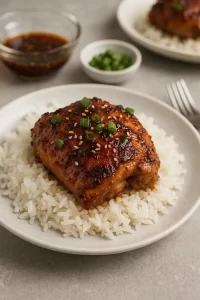
- Over Steamed Jasmine or Basmati Rice – The rice soaks up the savory juices beautifully.
- With Stir-Fried Veggies – Bok choy, snap peas, broccoli, or bell peppers are great options.
- On Noodles – Toss with soba, rice noodles, or even ramen for a satisfying meal.
- In Lettuce Wraps – Slice the cooked chicken thin and serve in butter lettuce cups with shredded carrots and hoisin sauce.
- Meal Prep Bowls – Pair with quinoa, pickled cucumbers, shredded cabbage, and a drizzle of sesame dressing.
Recipe Variations & Customizations
- Spicy Kick – Add 1 tablespoon of sriracha or gochujang for heat.
- Citrus Twist – Use orange juice and zest instead of lime for a sweeter, tangy version.
- Pineapple Teriyaki Style – Blend in 1/4 cup crushed pineapple and 1 tablespoon cornstarch for a tropical teriyaki glaze.
- Low-Sodium Version – Use low-sodium soy sauce and skip oyster sauce to reduce salt.
- Vegan Option – Use the marinade on tofu, tempeh, or mushrooms instead of chicken.
- Gluten-Free Option – Substitute tamari or coconut aminos for soy sauce and ensure all sauces used are gluten-free.
Recipe Tested & Notes
I tested this Asian chicken marinade several times using boneless chicken thighs, chicken breasts, and drumsticks to make sure the recipe works with different cuts.
During the first test, I marinated the chicken for only 30 minutes. While the flavor was good, it wasn’t as deep or balanced as I wanted. After increasing the marinating time to about 6 hours, the chicken became noticeably more flavorful and juicy.
I also tested the marinade with and without oyster sauce. Both versions were delicious, but the oyster sauce added an extra layer of savory umami that made the finished chicken taste closer to restaurant-quality Asian grilled chicken.
For cooking methods, I compared grilling, pan-searing, baking, and air frying.
- Grilling produced the best smoky flavor and beautiful char marks.
- Pan-searing created an incredible caramelized crust while keeping the chicken juicy.
- Air frying was the easiest option for weeknight dinners.
- Baking worked well for meal prep because it required very little attention.
Overall, boneless skinless chicken thighs gave the juiciest and most forgiving results.
Mistakes I Made While Testing
Even simple marinades can go wrong if you’re not careful. Here are a few mistakes I made during recipe testing so you don’t have to.
1. Marinating Too Long
One batch sat in the refrigerator for nearly 30 hours. The chicken became slightly mushy because the acids started breaking down the meat too much.
Lesson learned:
Keep the marinating time between 2 and 12 hours, with 24 hours being the absolute maximum.
2. Cooking Straight From the Refrigerator
I cooked one batch immediately after taking it out of the fridge.
The outside browned too quickly while the center cooked unevenly.
Lesson learned:
Let the chicken sit at room temperature for about 20 minutes before cooking.
3. Using High Heat Too Early
Because of the honey and brown sugar, the chicken browned much faster than expected.
Lesson learned:
Cook over medium or medium-high heat instead of very high heat to prevent burning.
4. Skipping the Resting Time
The first batch was sliced immediately after cooking.
Much of the juice ran onto the cutting board.
Lesson learned:
Rest the chicken for 5 to 10 minutes before slicing.
5. Forgetting to Reserve Marinade
I wanted extra sauce for serving but had already used all of the marinade with the raw chicken.
Lesson learned:
Always reserve a small bowl of fresh marinade before adding raw chicken if you want extra sauce later.
Personal Cooking Tips Learned From Testing
After making this recipe multiple times, these little tricks made the biggest difference.
- Fresh ginger makes a much brighter marinade than ground ginger.
- Finely grate the garlic instead of chopping it. It distributes better throughout the marinade.
- Chicken thighs absorb the marinade better than chicken breasts and stay juicier.
- Pat the chicken dry before cooking to create better caramelization.
- Brushing the chicken with fresh reserved marinade during the last minute of grilling creates an irresistible glossy finish.
- Toasted sesame seeds added after cooking have much better flavor than mixing them into the marinade.
- A squeeze of fresh lime just before serving brightens all the flavors.
- Let cooked chicken rest before slicing so every bite stays juicy.
Why I Prefer This Version
After comparing several different Asian chicken marinade recipes, this version has become my favorite because it strikes the perfect balance.
Many recipes rely almost entirely on soy sauce, making the chicken overly salty. Others add too much sugar, which burns easily before the chicken is fully cooked.
This recipe avoids both problems.
Here’s why I keep coming back to it:
- Balanced sweet and savory flavor
- Plenty of fresh garlic and ginger
- Just enough acidity to tenderize without making the chicken mushy
- Works with grilling, baking, air frying, or pan-searing
- Excellent for meal prep
- Easy ingredients available at most grocery stores
- Adaptable for spicy or gluten-free diets
- Delicious on chicken thighs, breasts, wings, and drumsticks
Most importantly, the chicken stays juicy while developing a beautifully caramelized exterior.
Storage Notes Based on Actual Testing
After testing several storage methods, here’s what worked best.
Refrigerator
Cooked chicken stayed juicy for up to 4 days when stored in an airtight container in the refrigerator.
Freezer
I froze cooked chicken for about 2 months. After thawing overnight in the refrigerator, it reheated surprisingly well without drying out.
Raw chicken can also be frozen directly in the marinade. This is one of my favorite meal prep tricks because the chicken marinates while thawing.
Reheating
The best reheating methods I tested were:
- Air fryer at 350°F (175°C) for 4-5 minutes
- Oven at 325°F (165°C) for about 10 minutes
- Skillet over medium-low heat with a splash of water
The microwave works in a pinch but slightly softens the caramelized exterior.
Equipment Used
You don’t need any fancy equipment to make this recipe.
- Mixing bowl
- Measuring cups and measuring spoons
- Garlic press (optional)
- Microplane or fine grater for ginger
- Whisk
- Zip-top freezer bag or glass marinating dish
- Tongs
- Instant-read meat thermometer
- Grill, skillet, oven, or air fryer
- Cutting board
- Sharp chef’s knife
- Silicone basting brush (optional)
FAQs
Can I freeze chicken in this marinade?
Yes! Place raw chicken and marinade in a freezer-safe bag and freeze up to 3 months. Thaw overnight in the fridge before cooking.
Can I reuse marinade?
Only if boiled thoroughly for a few minutes. To be safe, it’s best to reserve some before marinating.
How long can I keep marinated chicken in the fridge?
Marinated chicken should be cooked within 24 hours. After that, the texture may change.
Can I use this marinade for other meats?
Absolutely! It works beautifully on pork, shrimp, tofu, and even beef strips for stir-fry.
What if I don’t have sesame oil?
You can skip it or replace with a neutral oil, but sesame oil adds authentic Asian aroma.
Is this marinade good for baking?
Yes, it’s fantastic for oven-baked chicken and results in a flavorful, caramelized coating.
How many calories are in Asian chicken marinade?
See the nutritional info section below. If you’re searching “sourdough bread calories,” don’t get confused—this marinade is much lighter!
Can I use this Asian chicken marinade for chicken wings?
Yes. Chicken wings absorb this marinade beautifully. Marinate for 2 to 6 hours before grilling, baking, or air frying.
Is this marinade good for meal prep?
Absolutely. It is one of my favorite meal prep recipes because the cooked chicken stays juicy and flavorful for several days.
Can I make the marinade ahead of time?
Yes. The marinade can be prepared up to 5 days in advance and stored in an airtight container in the refrigerator.
Can I use frozen chicken?
Yes, but thaw the chicken completely before cooking. You can also freeze raw chicken directly in the marinade for future meals.
What is the best cut of chicken for this recipe?
Boneless skinless chicken thighs provide the juiciest results, while chicken breasts are a leaner option that also works very well.
Can I turn this marinade into a sauce?
Yes. Reserve a portion of the marinade before adding raw chicken. Simmer it for a few minutes or thicken it with a cornstarch slurry for a delicious glaze.
Can I cook this recipe without a grill?
Definitely. The chicken tastes excellent baked, pan-seared, or cooked in an air fryer.
How do I know when the chicken is fully cooked?
Use an instant-read thermometer. The thickest part of the chicken should reach 165°F (74°C).
Can I make this marinade gluten-free?
Yes. Simply replace regular soy sauce with certified gluten-free tamari or coconut aminos and use a gluten-free oyster sauce if including it.
Why didn’t my chicken caramelize?
Too much excess marinade can prevent proper browning. Let the excess drip off before cooking and cook over medium to medium-high heat rather than low heat.
Can I use this marinade for vegetables?
Yes. Mushrooms, zucchini, broccoli, bell peppers, cauliflower, and eggplant all taste fantastic with this marinade.
Can I double the recipe?
Absolutely. This recipe scales very well, making it perfect for family dinners, cookouts, and weekly meal prep.
Substitutes & Ingredient Alternatives
- Soy Sauce → Tamari or Coconut Aminos (for gluten-free or soy-free)
- Honey → Maple Syrup or Agave Nectar
- Rice Vinegar → Apple Cider Vinegar or White Vinegar
- Brown Sugar → Coconut Sugar or Date Syrup
- Oyster Sauce → Hoisin Sauce or Miso Paste
- Fresh Ginger → Ground Ginger (1/2 teaspoon)
These alternatives maintain the flavor profile while allowing for dietary flexibility.
Nutritional Information (Per Serving)
- Calories: ~150
- Carbohydrates: 6g
- Protein: 25g
- Fat: 5g
- Fiber: 0.5g
- Sugar: 4g
- Sodium: ~500mg (depends on soy sauce used)
Note: Values based on 1 medium chicken breast with marinade.
Final Thoughts
This Asian chicken marinade is not just a recipe—it’s a flavorful gateway to creating better, bolder chicken dishes with ease. Whether you’re grilling on a sunny afternoon or meal-prepping for the week, this simple blend of ingredients brings big, balanced flavors every time.
What’s your favorite way to use Asian marinades? Grilled, baked, or tossed in a noodle bowl?
If you loved this Asian chicken marinade recipe, be sure to check out our Garlic and Herb Seasoning and Firecracker Meatballs Recipe for more bold, easy flavor ideas.
Don’t forget to leave a comment and rate this recipe! Your feedback helps others find and enjoy it too.