Table of Contents
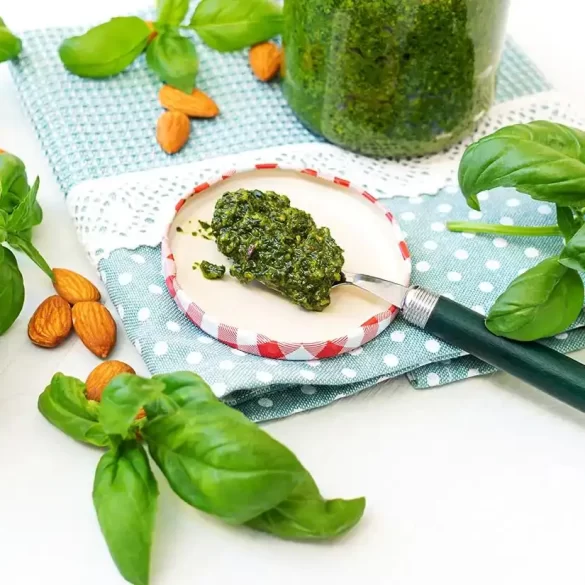
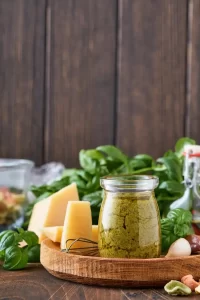
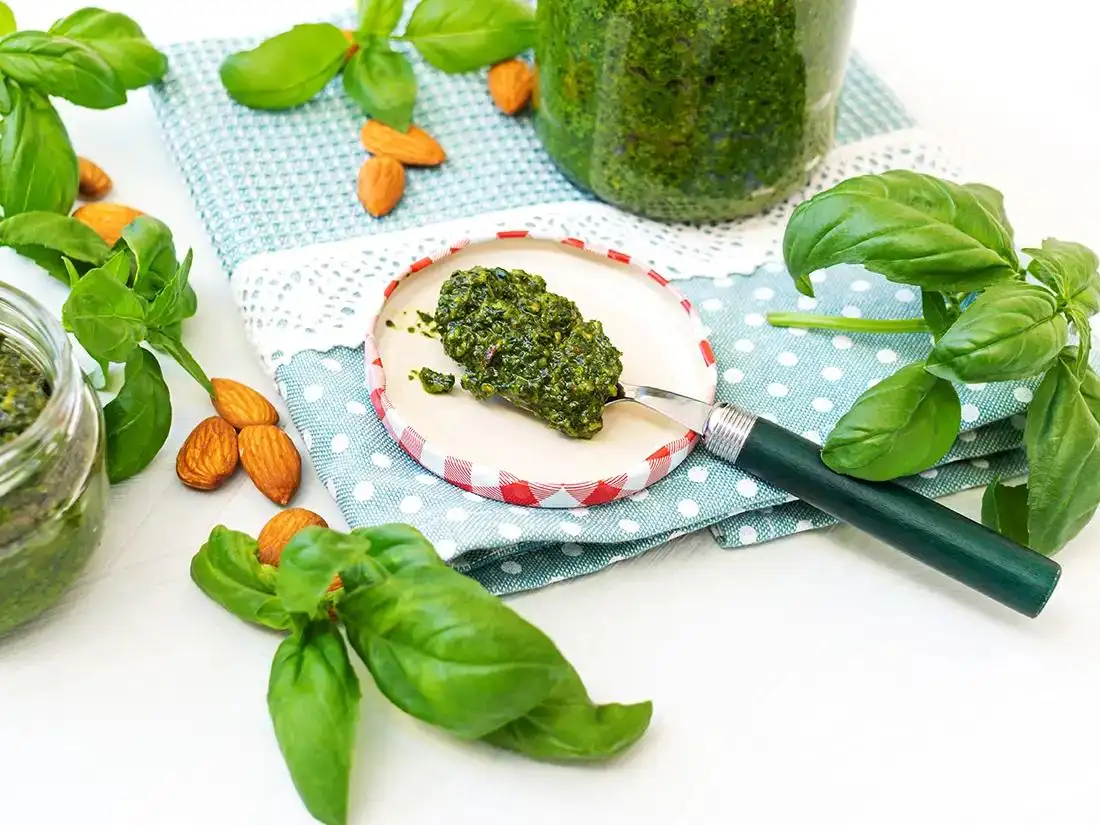
If you’re looking for a delicious and versatile sauce that doesn’t require expensive pine nuts, you’re in the right place. This Homemade Pesto Without Pine Nuts recipe is the perfect solution for those who want a classic pesto flavor without the cost or potential allergens of pine nuts. Whether you’re avoiding pine nuts due to dietary restrictions or simply don’t have them on hand, this recipe delivers all the bold, herby, and cheesy flavors you love.
In this guide, we’ll walk you through everything you need to know about making pesto without pine nuts, along with helpful tips, creative variations, and ideas for serving this delicious sauce.
Ingredients
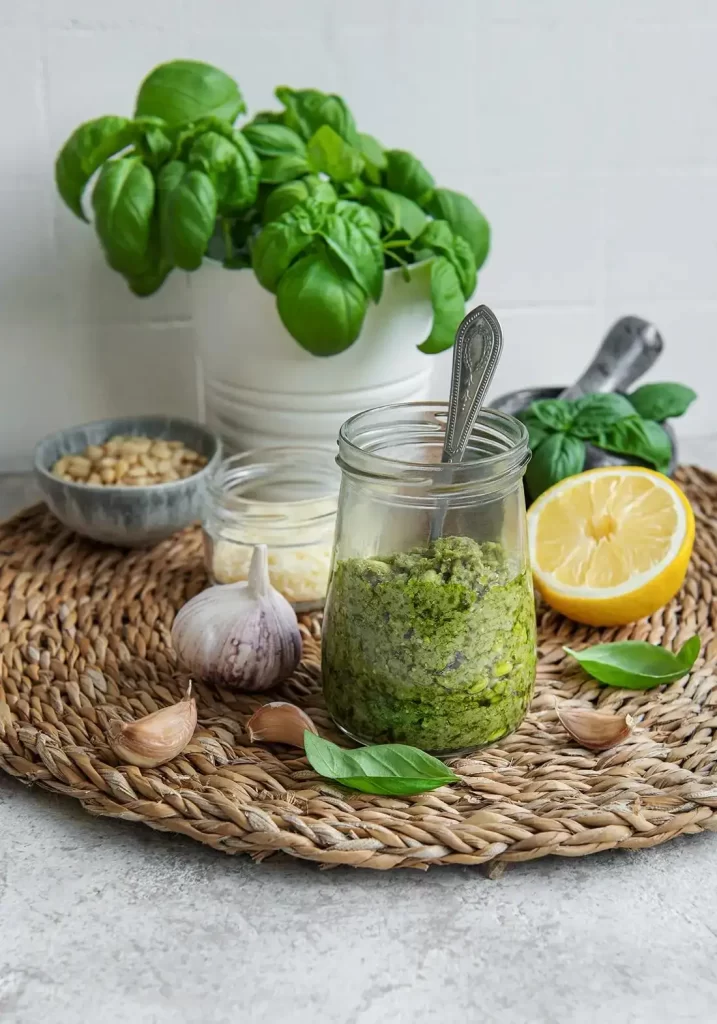
Here’s what you’ll need to make pesto sauce without pine nuts:
- 2 cups fresh basil leaves (packed): The aromatic and flavorful base of the pesto, providing its signature herbal taste.
- 1/2 cup grated Parmesan cheese (or a vegan alternative): Adds a rich, salty, and umami flavor to the sauce.
- 1/2 cup extra virgin olive oil: The liquid gold that binds the ingredients and creates a smooth, creamy texture.
- 1/3 cup toasted sunflower seeds (or another nut/seed alternative): Adds nuttiness, texture, and a subtle crunch to the pesto.
- 2 cloves garlic (peeled): Brings a sharp, savory kick to balance the flavors.
- 1 tablespoon lemon juice (freshly squeezed): Brightens the pesto with a tangy, citrusy note.
- Salt and pepper to taste: Enhances and balances all the flavors, ensuring the perfect seasoning. These ingredients come together to create a vibrant and rich pesto sauce that’s just as delicious as the traditional version.
Instructions to Make Pesto Without Pine Nuts
Follow these simple steps to whip up your own pesto without pine nuts:
- Toast the sunflower seeds: Heat a small skillet over medium heat. Add the sunflower seeds and toast them for 2-3 minutes, stirring frequently, until golden brown and fragrant. Remove from heat and let cool.
- Blend the ingredients: In a food processor or blender, combine the basil leaves, toasted sunflower seeds, garlic, Parmesan cheese, and lemon juice. Pulse a few times until the mixture begins to break down.
- Add olive oil: With the food processor running, slowly drizzle in the olive oil. Blend until the mixture is smooth and creamy. You can adjust the texture by adding more olive oil if needed.
- Season to taste: Add salt and pepper to your liking. Blend briefly to incorporate the seasoning.
- Serve or store: Use your pesto immediately, or transfer it to an airtight container and store it in the refrigerator for up to one week. For longer storage, freeze the pesto in an ice cube tray and transfer the cubes to a freezer-safe bag once frozen.
Tips for the Perfect Pesto Without Pine Nuts
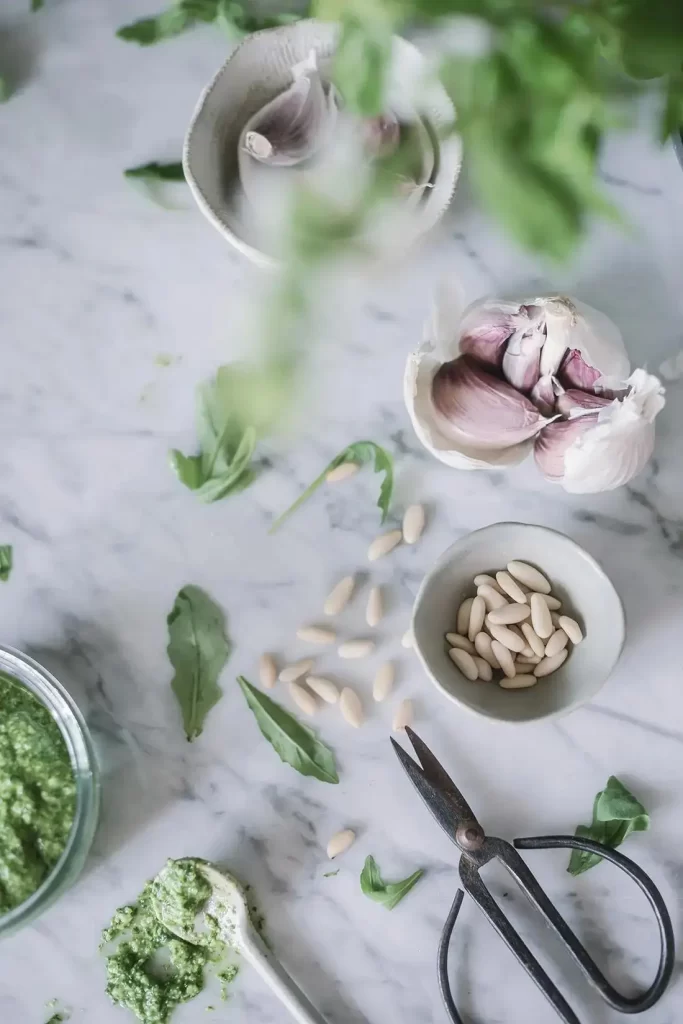
- Choose fresh basil: Fresh, fragrant basil leaves are the star of this recipe. Avoid wilted or discolored leaves for the best flavor.
- Toast your seeds/nuts: Toasting enhances the flavor and adds a subtle nuttiness to your pesto.
- Avoid Over-blending: Over-processing can cause the pesto to brown. Pulse gently to maintain a bright green color.
- Experiment with textures: For a chunkier pesto, pulse the ingredients instead of blending them into a smooth paste.
- Adjust for dietary needs: For a vegan pesto, use nutritional yeast or vegan Parmesan instead of traditional cheese.
How to Use Pesto Without Pine Nuts
Pesto sauce without pine nuts is as versatile as it is flavorful. Here are some of the best ways to enjoy it:
- Pasta dishes: Toss with cooked pasta for an easy weeknight dinner.
- Sandwiches and wraps: Use as a spread to add a burst of flavor to your favorite sandwiches like Chicken Claw Sandwich.
- Pizza topping: Swap out traditional marinara for pesto on your next pizza night.
- Salad dressing: Mix with a bit of vinegar or yogurt to create a delicious salad dressing.
- Vegetables: Drizzle over roasted or steamed veggies for an herby finish.
- Dip: Serve with crackers or raw vegetables for a quick appetizer.
Variations of Pesto Without Pine Nuts
Get creative with your pesto recipe by trying these variations:
- Nut-Free Pesto: Replace sunflower seeds with pumpkin seeds or omit seeds/nuts entirely for a completely nut-free option.
- Spinach Pesto: Substitute half the basil with fresh spinach for a milder flavor and added nutrients.
- Vegan: Replace Parmesan with nutritional yeast or vegan cheese.
- Arugula Pesto: Add arugula to give the pesto a peppery kick.
- Cilantro Pesto: Swap out basil for cilantro to create a bright, tangy sauce.
- Cheese-Free Pesto: Use nutritional yeast instead of Parmesan for a dairy-free alternative.
- Spicy Pesto: Add a pinch of red chili flakes for heat.
- Citrus Twist: Incorporate lemon or lime zest for a fresh kick.
Recipe Tested & Notes
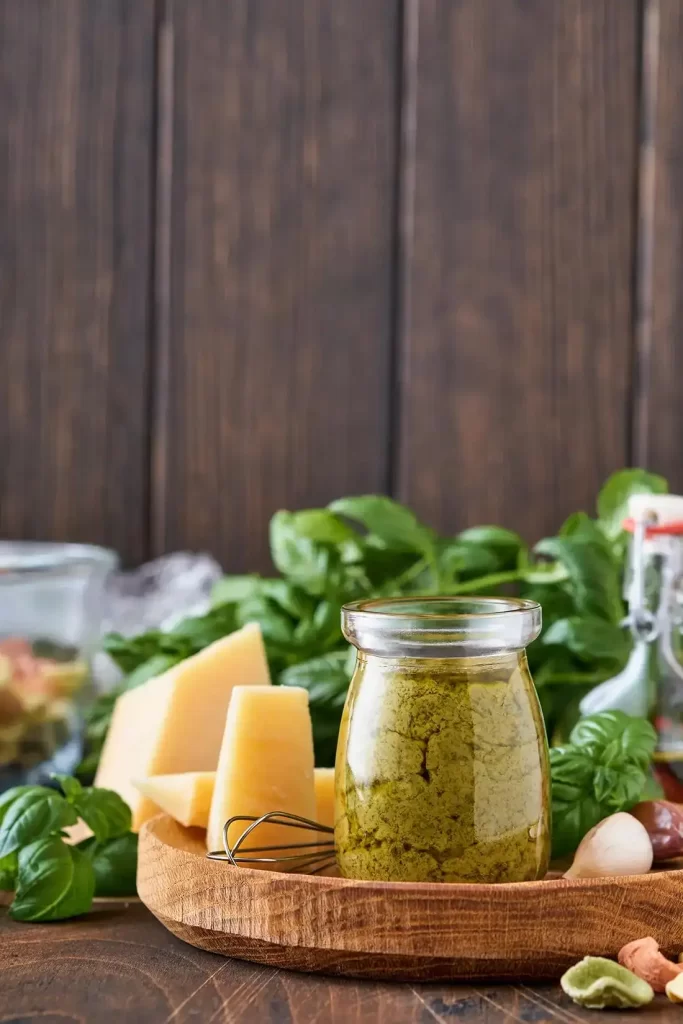
I tested this Pesto Without Pine Nuts several times to find a version that still had the creamy texture and rich flavor of traditional pesto without relying on pine nuts.
The biggest difference came from choosing the right substitute. I found that walnuts, almonds, cashews, sunflower seeds, or pumpkin seeds can all work, but each creates a slightly different flavor and texture. For a classic pesto-style result, I preferred a mild ingredient that would not overpower the fresh basil.
Fresh basil made the biggest difference in the final flavor. Older basil leaves produced a darker and less vibrant pesto, while fresh, bright green leaves created a much fresher sauce.
I also found that adding the olive oil gradually helped create a smoother texture. Adding all of the oil at once sometimes made the pesto feel too oily rather than creamy.
Garlic strength also matters. Fresh garlic can vary considerably in intensity, so I preferred starting with a moderate amount and adjusting after blending.
Another important discovery was avoiding excessive processing. Blending for too long generated heat, which affected the fresh basil flavor and caused the pesto to become darker.
The final version was fresh, garlicky, creamy, herbaceous, and rich enough to use with pasta, sandwiches, vegetables, chicken, and more.
Mistakes I Made
Testing this recipe helped me avoid several common mistakes.
Using wilted basil
Older basil produced a weaker flavor and darker pesto. Fresh basil gave a much brighter result.
Adding too much garlic
Too much garlic quickly overwhelmed the basil. Starting with less and adding more if needed worked better.
Over-blending
Running the food processor too long warmed the pesto and affected its fresh flavor. Short pulses worked better.
Adding all the oil at once
Adding olive oil gradually created a smoother and more cohesive pesto.
Using strongly flavored nuts or seeds
Some substitutes completely changed the flavor of the pesto. Mild options allowed the basil and garlic to remain the main flavors.
Not tasting before serving
Salt, garlic, lemon, and cheese can vary in strength. Tasting at the end made it easier to balance the pesto.
Personal Cooking Tips Learned From Testing
These tips consistently gave me the best results:
- Use fresh, vibrant basil leaves.
- Remove large or damaged basil stems.
- Use fresh garlic for the best flavor.
- Toast nuts or seeds lightly if your chosen substitute benefits from toasting.
- Allow toasted ingredients to cool before blending.
- Pulse the ingredients instead of continuously blending.
- Add olive oil gradually.
- Scrape down the sides of the food processor as needed.
- Add salt gradually and taste before adding more.
- Use fresh lemon juice if the recipe includes lemon.
- Do not over-process the basil.
- Adjust the consistency with additional olive oil if needed.
- If serving with pasta, reserve some pasta water to loosen the pesto.
Why I Prefer This Version
I prefer this Pesto Without Pine Nuts because it gives me all the fresh basil and garlic flavor I want without requiring pine nuts.
Pine nuts can be expensive and are not always available, so having an easy alternative makes homemade pesto much more practical.
I also like how customizable the recipe is. Walnuts create a deeper, slightly earthy flavor, cashews create a creamy texture, while sunflower seeds and pumpkin seeds provide excellent nut-free alternatives.
The pesto is also incredibly versatile. I can use it with pasta, spread it on sandwiches, spoon it over roasted vegetables, add it to soups, or use it as a sauce for chicken and seafood.
Most importantly, the homemade version tastes much fresher than many prepared pestos.
Storage Notes Based on Actual Testing
I tested different storage methods, and keeping the pesto protected from air made the biggest difference in maintaining its color and freshness.
Refrigerator
Transfer the pesto to a clean airtight container and refrigerate it promptly.
Smooth the surface and add a thin layer of olive oil on top if desired. This helps reduce direct exposure to air.
For best quality, use refrigerated pesto within several days.
Freezing
Pesto freezes very well. I found that freezing it in small portions made it much easier to use later.
Ice cube trays work particularly well for small portions. Once frozen, transfer the pesto cubes to a freezer-safe container or bag.
Thaw only the amount you need.
Color Changes
Fresh basil pesto can darken when exposed to air. This does not necessarily mean the pesto has spoiled, but it can affect its appearance and fresh flavor.
Reducing air exposure helps maintain a brighter green color.
Make-Ahead Preparation
You can prepare the pesto ahead of time and refrigerate it until ready to use. This makes it especially convenient for quick pasta dinners and meal preparation.
Cheese and Storage
If your version contains Parmesan cheese, keep the pesto refrigerated and follow the storage guidance for the ingredients used. For longer freezer storage, some people prefer adding the cheese after thawing.
Equipment Used
These tools make Pesto Without Pine Nuts easy to prepare:
- Food processor
- Rubber spatula
- Measuring cups
- Measuring spoons
- Sharp knife
- Cutting board
- Small skillet, optional for toasting nuts or seeds
- Clean airtight storage container
- Ice cube tray, optional for freezing
- Fine grater, if using Parmesan cheese
FAQs
Can I make pesto without nuts or seeds?
Yes! Simply omit the nuts or seeds and increase the Parmesan cheese slightly for texture. You may need to adjust the olive oil to reach your desired consistency.
How do I store pesto without pine nuts?
Store your pesto in an airtight container in the refrigerator for up to one week. For longer storage, freeze it in an ice cube tray and transfer the frozen cubes to a freezer bag.
Can I use dried basil?
Fresh basil is recommended for the best flavor. Dried basil doesn’t have the same vibrant taste or texture needed for pesto.
What can I substitute for Parmesan cheese?
You can use Pecorino Romano, nutritional yeast, or a vegan Parmesan alternative.
Why toast the seeds/nuts?
Toasting enhances the flavor, bringing out the nutty, rich taste that complements the other ingredients.
Can I make pesto ahead of time?
Absolutely! Store it in the fridge for 5-7 days or freeze for up to 5 months.
Can I freeze pesto without pine nuts?
Yes! Pesto freezes beautifully. Pour it into an ice cube tray for portion-sized servings, freeze until solid, and then transfer the cubes to a freezer-safe bag or container. This allows you to enjoy fresh-tasting pesto for up to 3 months.
What if I don’t have a food processor?
You can use a blender or even make pesto by hand with a mortar and pestle. If using a blender, pulse the ingredients in small batches to prevent overheating. For a mortar and pestle, grind the garlic and seeds/nuts first, then gradually add the basil, cheese, and olive oil.
Can I make this recipe vegan?
Absolutely! Replace Parmesan cheese with nutritional yeast or a store-bought vegan Parmesan alternative. This will still provide a cheesy, umami flavor without dairy.
What other oils can I use besides olive oil?
While extra virgin olive oil is traditional, you can use avocado oil or a neutral-flavored oil like grapeseed oil as a substitute. However, keep in mind that the flavor profile will differ slightly.
Substitutes for Pine Nuts in Pesto
If you don’t have pine nuts, here are some excellent alternatives:
- Sunflower seeds: Affordable and nut-free, sunflower seeds are a perfect substitute.
- Walnuts: Provide a rich, buttery flavor that pairs well with basil.
- Almonds: Use slivered or blanched almonds for a mild, slightly sweet flavor.
- Cashews: Add creaminess to your pesto.
- Pumpkin seeds: Another nut-free option that works beautifully.
Nutrition Information
Here’s an approximate breakdown for one serving of Homemade Pesto Without Pine Nuts (about 2 tablespoons):
- Calories: 150
- Fat: 14g
- Saturated Fat: 3g
- Carbohydrates: 2g
- Fiber: 0.5g
- Protein: 3g
- Sodium: 100mg
This pesto is rich in healthy fats from the olive oil and seeds, as well as antioxidants from the basil.
Making pesto sauce without pine nuts is simple, delicious, and budget-friendly. Whether you’re avoiding pine nuts due to allergies or just want a more accessible option, this recipe is sure to become a staple in your kitchen. With its vibrant flavors and endless uses, you’ll never miss the pine nuts!