Table of Contents
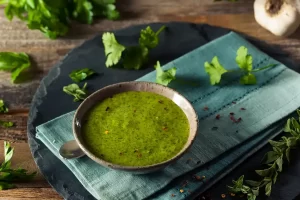
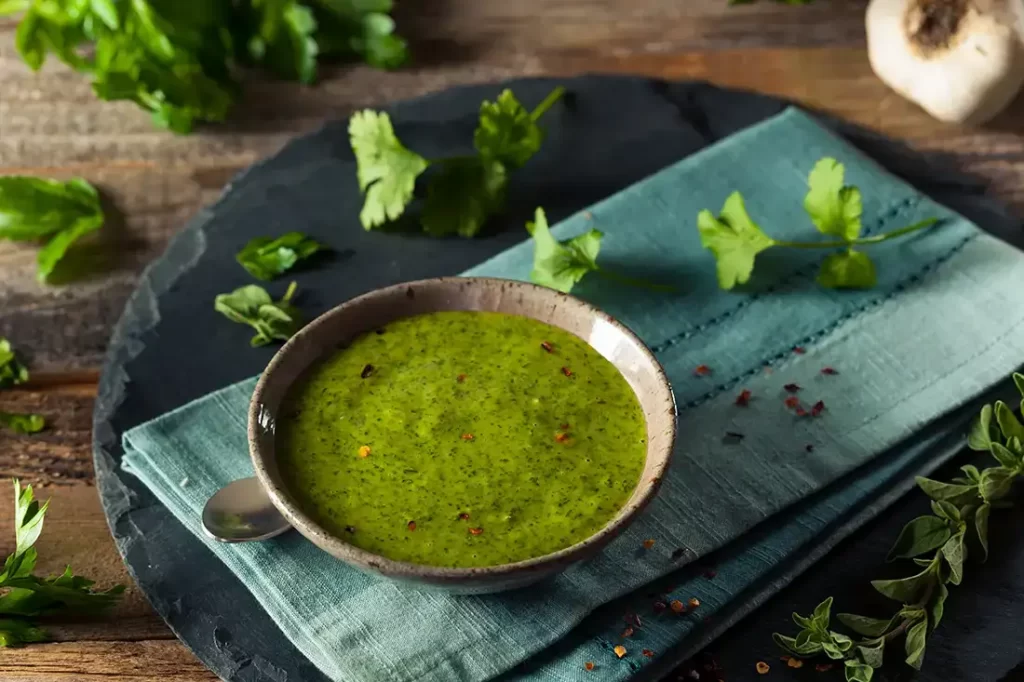
Are you looking to add a burst of fresh, zesty flavor to your meals? Look no further than cilantro chimichurri! This vibrant sauce/paste, a delicious twist on the classic Argentinian chimichurri, swaps out traditional parsley for cilantro, giving it a bold and herbaceous kick. Perfect as a marinade, topping, or dipping sauce, cilantro chimichurri enhances everything from grilled steaks to roasted vegetables.
Whether you’re hosting a backyard barbecue or sprucing up a weeknight dinner, this versatile cilantro chimichurri sauce recipe will become your go-to condiment. Plus, with its quick prep time and easy customization options, you’ll have a gourmet touch ready in minutes. Let’s dive into how to make this flavorful staple and explore ways to make it your own!
How to Make Cilantro Chimichurri
Ingredients
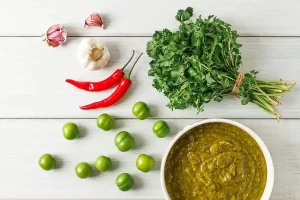
To make this Cilantro Chimichurri Sauce Recipe, you’ll need:
- 1 cup fresh cilantro leaves, packed
- ½ cup fresh parsley leaves (optional for Cilantro Parsley Chimichurri Sauce)
- 4 garlic cloves, peeled
- 2 tablespoons red wine vinegar
- ½ teaspoon crushed red pepper flakes
- ½ teaspoon salt
- ½ teaspoon ground black pepper
- ½ cup extra-virgin olive oil
- 2 tablespoons fresh lime juice (optional for added zing)
Instructions to Make Cilantro Chimichurri
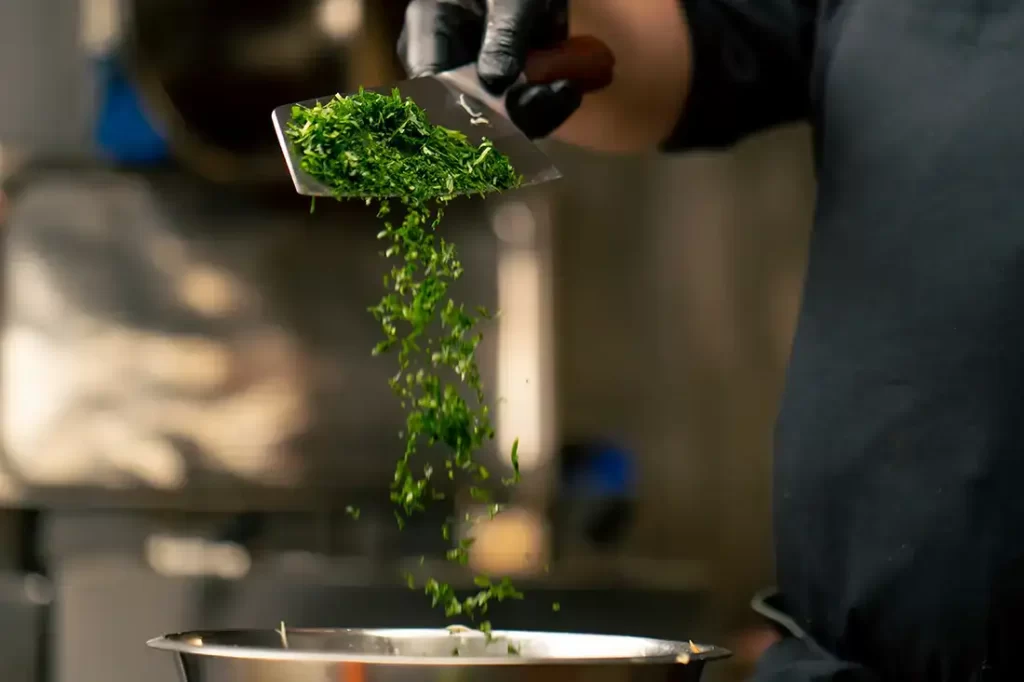
- Prep the Ingredients: Wash and dry the cilantro and parsley leaves thoroughly. Peel the garlic cloves.
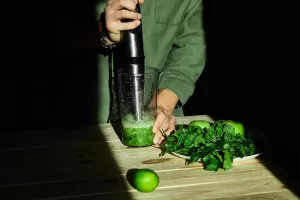
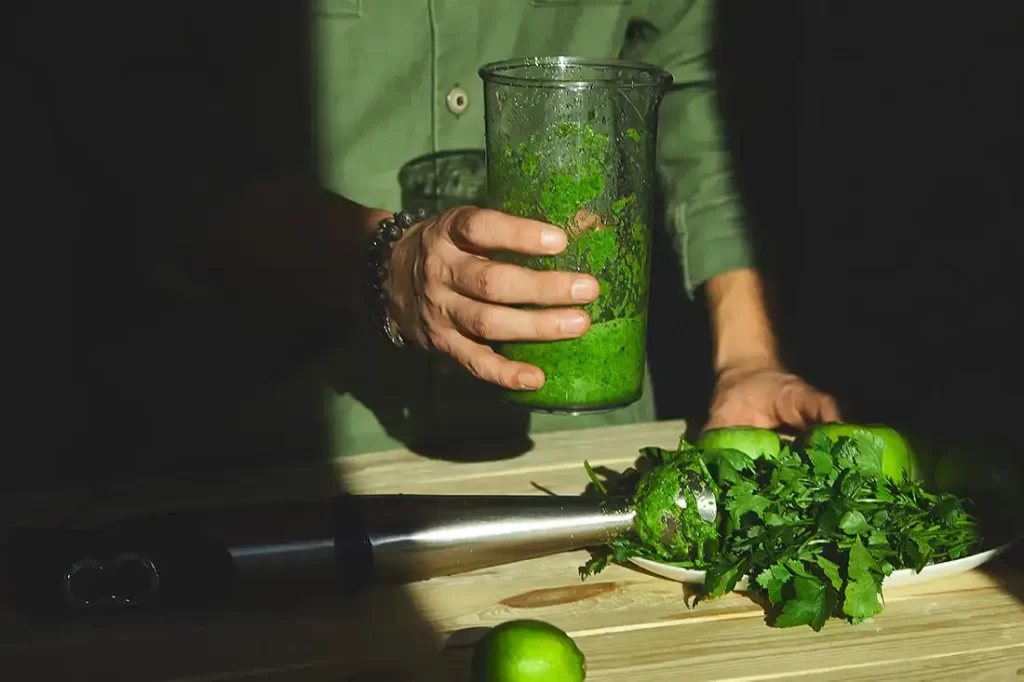
- Blend: Add the cilantro, parsley, garlic, red wine vinegar, crushed red pepper, salt, and black pepper to a food processor.
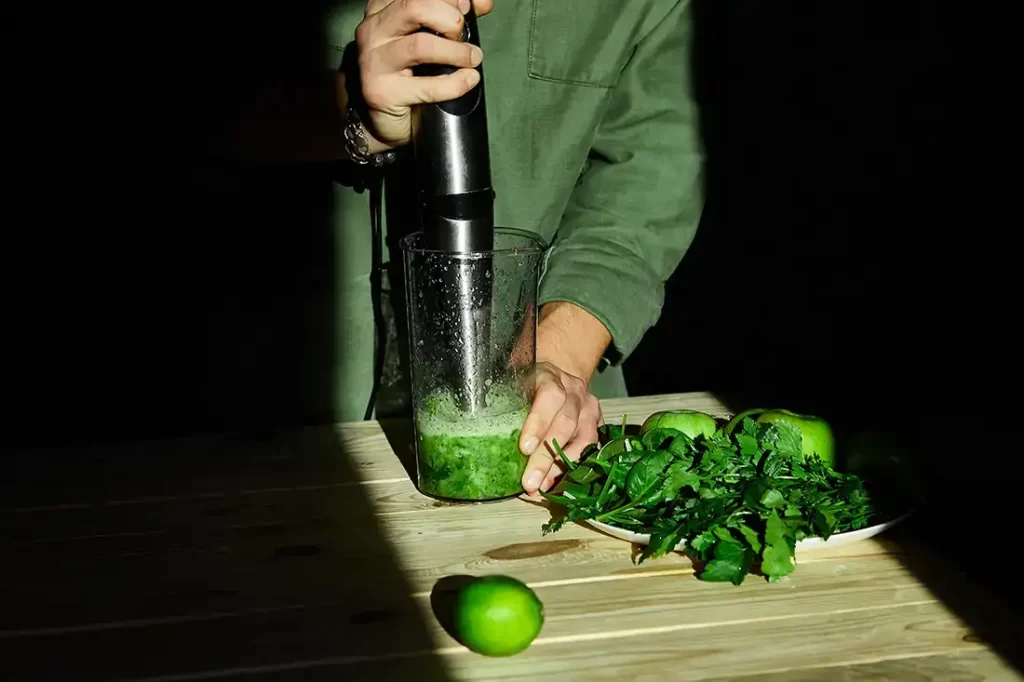
- Add Olive Oil: With the processor running, slowly pour in the olive oil until the mixture is smooth but slightly chunky.
- Taste and Adjust: Check the seasoning and add more salt, pepper, or lime juice as desired.
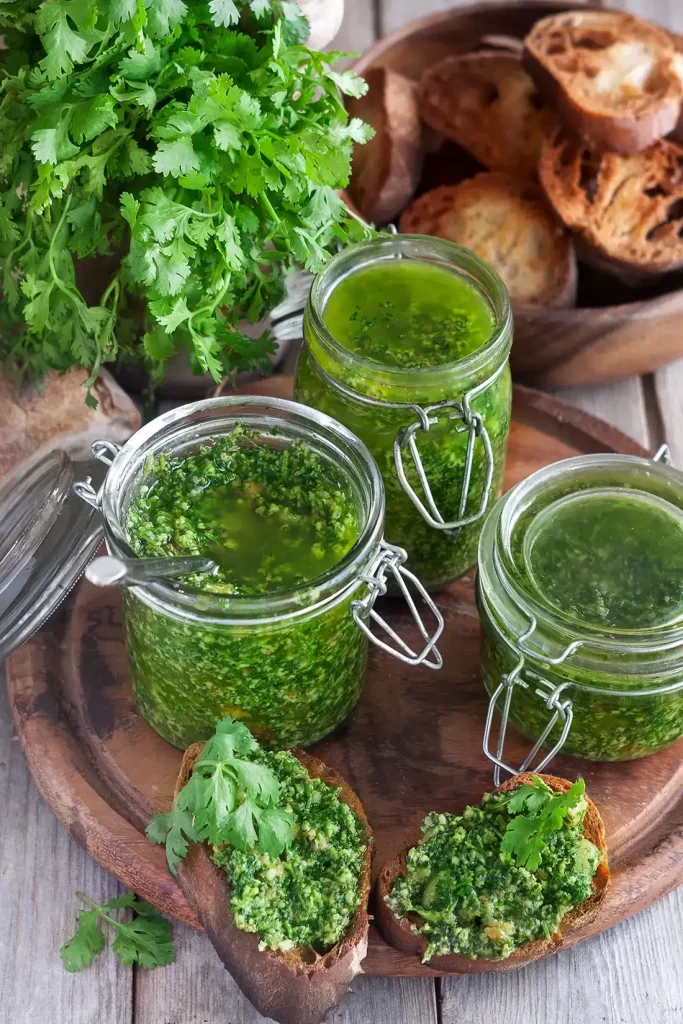
- Store: Transfer the chimichurri to an airtight jar. Let it sit for at least 30 minutes to allow the flavors to meld.
Tips to make perfect cilantro chimichurri
- Freshness is Key: Use fresh herbs for the best flavor. Avoid using cilantro with yellowing leaves.
- Adjust Consistency: For a chunkier sauce, pulse the ingredients instead of blending until smooth.
- Customize the Heat: Increase or reduce the red pepper flakes to control the spice level.
- Marinate with Chimichurri: Use it as a marinade for chicken or beef for deeper flavor.
Serving Ideas for Cilantro Chimichurri
- Grilled Meats: Drizzle over steak, chicken, or lamb.
- Seafood: Pair with grilled shrimp, salmon, or scallops.
- Vegetables: Toss with roasted or grilled vegetables like zucchini, eggplant, or bell peppers.
- Side Dishes: Serve with crusty bread, roasted potatoes, or rice bowls for an herby kick.
- Pizza: Drizzle cilantro chimichurri over your favorite pizza, such as Digiorno’s Thanksgiving Pizza or Pickle Pie Pizza, for a fresh, herbaceous flavor
Variations of Cilantro Chimichurri
Spicy Cilantro Chimichurri
For a bolder, spicier version, add finely chopped fresh chilies like jalapeño or serrano to the cilantro chimichurri. This variation provides a delightful heat, perfect for grilled meats or seafood. Adjust the spice level by increasing or decreasing the amount of chili to suit your taste.
Cilantro Parsley Chimichurri
Incorporating both cilantro and parsley in equal parts creates a Cilantro Parsley Chimichurri Sauce. This variation brings a balanced flavor, combining the freshness of cilantro with the earthiness of parsley, making it a versatile accompaniment for all types of grilled foods.
Citrus Cilantro Chimichurri
For a tangy kick, try adding more citrus—swap the red wine vinegar for lime or orange juice. The citrusy variation of cilantro chimichurri brings a refreshing zing that pairs wonderfully with chicken, fish, or even tacos. This version is ideal for a summer barbecue.
Smoky Cilantro Chimichurri
Incorporating smoked paprika into your cilantro chimichurri sauce adds a rich, smoky depth. This variation complements grilled meats like steak or ribs beautifully, adding an earthy, charred flavor that enhances the overall profile of the sauce.
Recipe Tested & Notes
I tested this Cilantro Chimichurri several times to find the right balance of fresh cilantro, garlic, acidity, olive oil, and spice. The goal was to create a bright herb sauce that tasted fresh without allowing the garlic or vinegar to overpower everything else.
The biggest difference during testing was how the cilantro was prepared. Finely chopping the leaves and tender stems by hand produced a better texture than processing everything into a completely smooth puree. Chimichurri should have some texture rather than looking like a thick green paste.
I also found that freshly squeezed lime juice added a bright flavor that worked particularly well with cilantro. Red wine vinegar can also be used for a more traditional chimichurri-style acidity.
The garlic needed some attention as well. Too much raw garlic made the sauce harsh, while a moderate amount gave it the savory flavor I wanted.
Allowing the finished chimichurri to rest before serving made a noticeable difference. The herbs, garlic, acidity, and olive oil had time to blend together, creating a more balanced flavor.
I preferred adding the olive oil gradually rather than pouring it all in at once. This made it easier to control the consistency and prevented the sauce from becoming overly oily.
The final version was fresh, garlicky, slightly spicy, tangy, and packed with cilantro flavor.
Mistakes I Made
Testing this recipe helped me avoid several common mistakes.
Overprocessing the herbs
Blending the cilantro too aggressively created a smooth puree rather than a textured chimichurri. Gentle chopping worked better.
Using too much garlic
Raw garlic becomes very noticeable as the sauce sits. Adding too much made the finished sauce harsh.
Adding too much acid
Too much lime juice or vinegar covered up the fresh herb flavor. Adding the acid gradually made it easier to find the right balance.
Using dried cilantro
Dried cilantro does not provide the same fresh flavor or texture. Fresh cilantro is essential for this recipe.
Not letting the sauce rest
The freshly mixed sauce tasted sharper than it did after resting. Giving it some time allowed the flavors to blend.
Chopping the cilantro too finely
Overly fine chopping made the sauce feel more like a puree. A slightly coarse texture was more enjoyable.
Personal Cooking Tips Learned From Testing
These tips consistently gave me the best results:
- Use fresh, bright green cilantro.
- Wash the cilantro and dry it thoroughly before chopping.
- Use both leaves and tender stems for extra cilantro flavor.
- Remove thick or tough stems.
- Finely chop the herbs by hand for the best texture.
- Mince the garlic finely so it distributes evenly.
- Add lime juice or vinegar gradually.
- Use a good-quality extra virgin olive oil.
- Adjust the chili to your preferred heat level.
- Let the chimichurri rest before serving.
- Taste again after resting and adjust the salt or acidity.
- Do not puree the sauce completely.
- Bring refrigerated chimichurri closer to room temperature before serving for better flavor.
Why I Prefer This Version
I prefer this Cilantro Chimichurri because it has a bright, fresh flavor that works with much more than grilled steak.
The cilantro gives the sauce its fresh herbal character, while lime juice adds acidity and keeps the sauce lively. Garlic provides savory depth, and chili adds just enough heat to make each bite interesting.
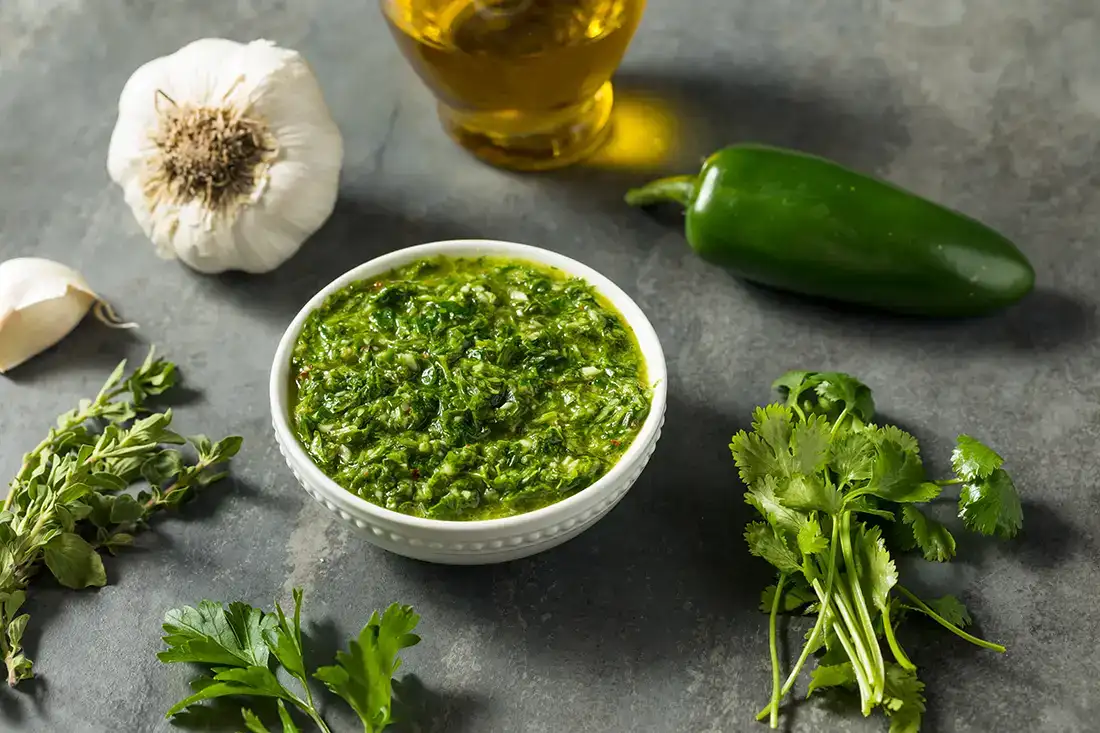
I also prefer a textured chimichurri rather than a completely smooth sauce. You can see and taste the individual herbs, which gives it a more homemade and vibrant quality.
This version is also incredibly versatile. I can spoon it over grilled chicken, steak, shrimp, roasted vegetables, potatoes, tacos, rice bowls, or even sandwiches.
It takes only a few minutes to prepare, but it can make a simple meal taste much more special.
Storage Notes Based on Actual Testing
I tested different storage methods to see how well the cilantro maintained its color, freshness, and flavor.
Refrigerator
Store Cilantro Chimichurri in an airtight container in the refrigerator.
For the best fresh flavor and appearance, use it within a few days.
The herbs may gradually darken as they sit, but the flavor can remain enjoyable when properly refrigerated.
Before Serving
Refrigerated olive oil may become cloudy or partially solid. Let the chimichurri sit at room temperature briefly and stir well before serving.
Make-Ahead Preparation
Making the chimichurri a few hours before serving worked particularly well. The garlic, herbs, acid, and olive oil had time to blend.
For the freshest green color, however, I prefer making it relatively close to serving time.
Freezing
I do not prefer freezing this chimichurri because the fresh cilantro texture and color can change after thawing.
If you need to preserve a large amount of cilantro, freezing chopped cilantro separately may be a better option.
Equipment Used
These tools make Cilantro Chimichurri easy to prepare:
- Sharp chef’s knife
- Cutting board
- Small mixing bowl
- Measuring cups
- Measuring spoons
- Citrus juicer
- Garlic press, optional
- Small whisk or fork
- Airtight storage container
- Food processor, optional
FAQs
Can I use dried cilantro instead of fresh cilantro?
While fresh cilantro is recommended for the best flavor and aroma in chimichurri, you can use dried cilantro in a pinch. However, dried cilantro may not offer the same bright, fresh taste. If you must use dried cilantro, reduce the quantity by about one-third, as dried herbs are more concentrated than fresh ones.
How can I make cilantro chimichurri spicier?
To add more heat, you can incorporate more red pepper flakes, or even add fresh chili peppers like jalapeño, serrano, or habanero. Adjust the level of spice to your taste, starting with small amounts and tasting as you go. You can also experiment with adding a pinch of cayenne pepper for a different kind of heat.
How long does Cilantro Chimichurri last?
It keeps well in the refrigerator for up to a week when stored in an airtight container.
Can I freeze cilantro chimichurri?
Yes! Freeze in ice cube trays for portioned servings. Thaw as needed.
What dishes pair best with this sauce?
Grilled steak, roasted sweet potatoes, and fish tacos are excellent choices.
Substitutes
- Cilantro Substitute: If you’re not a fan of cilantro, use parsley or basil for a unique twist.
- Acidic Elements: Replace red wine vinegar with apple cider vinegar or sherry vinegar.
- Oil Alternatives: For a lighter version, use avocado oil instead of olive oil.
Nutrition of Cilantro Chimichurri
A 2-tablespoon serving of cilantro chimichurri typically contains:
- Calories: 90
- Total Fat: 9g
- Sodium: 120mg
- Carbohydrates: 2g
- Protein: 0.5g
This sauce is naturally low-carb, gluten-free, and vegan-friendly, making it a versatile addition to many diets.
This flavorful Cilantro Chimichurri Recipe is the perfect way to elevate your meals, combining simplicity with bold flavors. Whether you’re using it as a marinade, dressing, or dipping sauce, its versatility will keep you coming back for more.