Table of Contents
Ever wondered what makes those backyard burgers and grilled meats taste downright addictive? It’s all in the sauce. Meet Cookout Sauce—a bold, tangy, slightly sweet, and smoky concoction that brings true Southern barbecue flair to everything it touches. If you’ve ever pulled up to a drive-thru in the South and ordered a tray at Cook Out, chances are you’ve dipped into this flavorful magic without even realizing it.
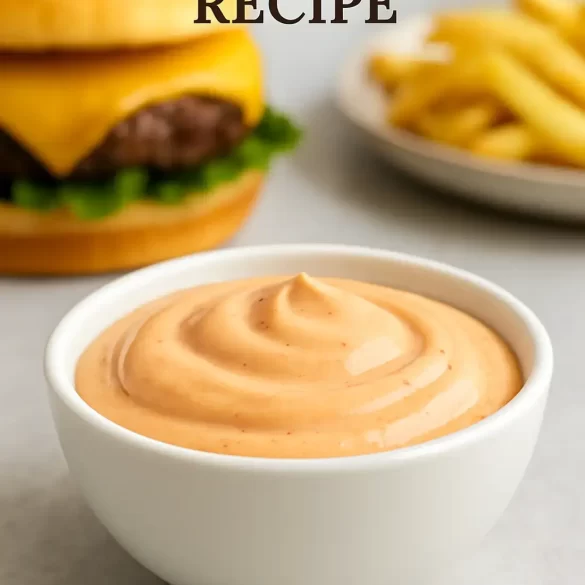
So, what is Cookout Sauce exactly? At its core, it’s a fusion of classic barbecue sauce, creamy mayo-based dressings, and a kiss of mustardy zing. It’s the kind of sauce that doesn’t just complement your food—it transforms it.
Curious how I figured out how to make this iconic sauce at home? I actually bought a container of it directly from Cook Out, flipped over the label, and studied the ingredients. Of course, I skipped the commercial stuff like phosphoric acid, and instead used my cooking experience to recreate it using everyday pantry staples.
After several test batches (and plenty of spoon-licking), I found the perfect mix: mayonnaise, ketchup, yellow mustard, Worcestershire sauce, apple cider vinegar, and just the right balance of spices. It’s easy, quick, and most importantly—tastes almost exactly like the real thing.
This Cookout Sauce recipe is a must-have for every grillmaster, burger lover, or sauce aficionado. Whether you’re prepping for a summer BBQ or spicing up weeknight chicken tenders, this sauce deserves a permanent spot in your fridge. And the best part? You likely have everything you need already in your kitchen.

Let’s dive into this homemade Cookout Sauce recipe—so good, you’ll be licking the spoon.
How To Make Cookout Sauce at Home
Ingredients

- 1 cup mayonnaise
Provides the creamy base and body for the sauce, making it rich and smooth. - 1/4 cup ketchup
Adds sweetness and tomato depth, giving it that classic “sauce” foundation. - 2 tablespoons yellow mustard
Brings a tangy sharpness and signature yellow hue—don’t skip this! - 2 tablespoons apple cider vinegar
Offers a bright, zesty acidity that balances the sweetness. - 1 tablespoon Worcestershire sauce
Adds umami depth and a hint of smokiness. - 1 tablespoon honey or brown sugar
Gives a touch of sweetness to round out the flavors. - 1 teaspoon smoked paprika
For that essential smoky flavor—regular paprika works in a pinch, but smoked is best. - 1/2 teaspoon garlic powder
Adds a savory layer that lingers on your palate. - 1/2 teaspoon onion powder
Enhances the flavor base with subtle sweetness. - 1/4 teaspoon cayenne pepper (optional)
If you like a little heat, this gives the sauce a mild kick. - Salt and pepper to taste
Balances and sharpens all the other flavors.
Pro Tip: Want a lighter version? Swap mayonnaise with Greek yogurt or use a low-fat mayo alternative.
Step-by-Step Instructions

1. Mix the Base
In a medium-sized mixing bowl, add mayonnaise, ketchup, and yellow mustard. Stir together until the mixture is smooth and well combined.
Chef’s Tip: Use a whisk for a fluffier texture and better emulsification.
2. Add the Acidity and Sweetness
Pour in the apple cider vinegar, Worcestershire sauce, and honey (or brown sugar). These ingredients will give the sauce its tangy-sweet complexity. Mix thoroughly.
3. Layer the Flavors
Sprinkle in smoked paprika, garlic powder, onion powder, and cayenne pepper if using. Stir again until the spices are fully incorporated and the color deepens.
4. Season to Taste
Add salt and pepper gradually, tasting as you go. Everyone’s palate is different, so start with a pinch of each and adjust based on your preferences.
5. Let It Marinate
Cover the bowl and let the sauce sit in the refrigerator for at least 30 minutes. This allows the flavors to meld together beautifully.
Pro Tip: For best results, make it a day ahead. It gets better with time!
6. Store and Serve
Transfer the sauce to a mason jar or airtight container. It will keep in the fridge for up to a week—if it lasts that long!
Pro Tips for a Perfect Recipe
- Use full-fat mayo for richness. The flavor and texture are far superior to low-fat versions.
- Let it rest overnight. The flavor intensifies and becomes more balanced.
- Adjust heat to taste. Want it spicier? Add more cayenne or a dash of hot sauce.
- Blend for ultra-smooth texture. Use a small immersion blender if you want a silky, emulsified consistency.
- Make it smoky. Add a few drops of liquid smoke if you want a grill-like taste without the grill.

Serving Suggestions
Cookout Sauce is incredibly versatile and can elevate any meal with its bold, tangy flavors. Here are a few serving ideas that will help you make the most of this delicious sauce:
- Burgers & Sandwiches: Slather this creamy, tangy sauce on your favorite burgers or sandwiches to give them a flavorful boost. Whether you’re grilling classic beef patties or making a veggie burger, Cookout Sauce adds an irresistible kick. It pairs especially well with cheddar, bacon, and grilled onions—making every bite savory and satisfying.
- Fries & Onion Rings: Forget ketchup—Cookout Sauce is the ultimate dipping sauce for crispy fries, onion rings, or sweet potato fries. Its creamy texture and tangy taste contrast perfectly with the crunch of your favorite fried foods. This is an absolute must for your next snack or appetizer spread!
- Grilled Meats: This sauce is perfect as a finishing touch for your grilled meats. Brush it onto ribs, chicken, or even steak right before serving to add a glossy sheen and a burst of flavor. The smoky notes from the paprika and tangy zing from the vinegar complement grilled meats beautifully, enhancing their natural flavors.
- Hot Dogs: Take your classic hot dogs to the next level by drizzling this Cookout Sauce over them. It adds a smooth, creamy texture and a delightful contrast to the savory sausage, making each bite extra special.
- Veggie Platters: Cookout Sauce isn’t just for meats! It’s an excellent dip for roasted vegetables like carrots, zucchini, or even cauliflower. The tanginess of the sauce adds complexity to the simple flavors of roasted veggies, making it an ideal accompaniment for your veggie platters.
Recipe Variations & Customizations
While this Cookout Sauce recipe is already packed with flavor, there are endless ways to modify it to suit your tastes or dietary preferences. Here are a few ideas for customizations that can make this sauce your own:
Spicy Cookout Sauce Variation
Love a little heat in your sauce? You can easily turn this into a spicy Cookout Sauce by adding a pinch of cayenne pepper, a splash of Sriracha, or even minced jalapeños. Chipotle chili powder also brings a smoky-spicy flavor that complements grilled meats beautifully. Adjust the spice level based on your preference for a mild zing or a fiery kick.
Vegan Cookout Sauce Recipe
To make a vegan version of this Southern favorite, substitute regular mayonnaise with a vegan mayo or plant-based Greek yogurt. Replace honey with maple syrup or agave nectar. The result? A completely dairy-free and egg-free Cookout Sauce that’s just as creamy, tangy, and delicious.
Herb-Infused Cookout Sauce
Fresh herbs can take your sauce to gourmet levels. Stir in finely chopped parsley, dill, or chives to add a burst of freshness. These herbs not only elevate the flavor but also add a touch of color, making the sauce ideal for serving with vegetable platters or grilled chicken.
Smoky BBQ Cookout Sauce
For a deeper barbecue flavor, amplify the smokiness. Add extra smoked paprika or a couple of drops of liquid smoke. This variation transforms your sauce into a bold, smoky BBQ-style dip that’s perfect for ribs, grilled burgers, or even roasted sweet potatoes.
Low-Calorie Cookout Sauce Option
Trying to cut back on calories without giving up flavor? Use a low-fat or fat-free mayonnaise alternative and swap out the honey for a sugar-free sweetener like Stevia or Monk fruit. This makes the sauce lighter while still keeping that creamy, tangy, smoky goodness you love.
These customizations ensure that your Cookout Sauce can be as unique as you are—whether you prefer a bit more heat, a smoky depth, or a healthier twist. The key is to experiment and find the perfect balance of flavors that best complements your meals!

Recipe Tested & Notes
I tested this Cookout Sauce recipe several times over a few days to get as close to the original flavor as possible. My first batch tasted good, but it was a little too sweet and didn’t have enough tang. After reducing the ketchup slightly and increasing the apple cider vinegar, the flavor became much more balanced. I also discovered that letting the sauce rest in the refrigerator overnight made a huge difference. The spices blended together, the sharp vinegar mellowed out, and the sauce became much creamier.
Another thing I noticed during testing is that different mayonnaise brands slightly change the final taste. Full-fat mayonnaise produced the richest, smoothest result, while lighter versions made the sauce thinner and less flavorful.
Overall, this homemade version is about as close as I could get using simple grocery-store ingredients without relying on artificial preservatives or flavor enhancers.
Mistakes I Made
You can avoid these mistakes that I made while perfecting this recipe.
I used too much ketchup.
The first version tasted more like fry sauce than Cookout Sauce. Reducing the ketchup allowed the smoky and tangy flavors to stand out.
I skipped the resting time.
I tasted the sauce immediately after mixing and thought it wasn’t quite right. After chilling it overnight, it tasted much closer to the restaurant version.
I added too much vinegar.
A little vinegar brightens the sauce, but adding too much makes it overpoweringly tangy. Measure carefully.
I used regular paprika.
Regular paprika worked, but smoked paprika gave the sauce the rich barbecue flavor I was looking for.
I forgot to season at the end.
Adding a small pinch of salt after everything was mixed made the entire sauce taste more balanced.
Personal Cooking Tips Learned From Testing
After making this recipe multiple times, here are a few things I now do every single time.
- Whisk the mayonnaise first until completely smooth before adding the remaining ingredients.
- Mix the spices together before adding them to prevent small clumps.
- Taste the sauce only after it has chilled for at least 30 minutes.
- If the sauce seems too thick after refrigeration, stir in one teaspoon of water or apple cider vinegar instead of adding more mayonnaise.
- Use quality mayonnaise because it makes up most of the recipe and has the biggest impact on flavor.
- Make a double batch. Every time I made only one batch, it disappeared within a couple of days because everyone kept using it on burgers, fries, sandwiches, and chicken.
Why I Prefer This Version
After experimenting with different ingredient combinations, this has become my favorite version for several reasons.
First, it tastes incredibly close to the original Cookout Sauce while using ingredients that are easy to find at any grocery store.
Second, I know exactly what’s going into it. There are no artificial preservatives, stabilizers, or unnecessary additives.
I also like that it’s easy to customize. If I want a little more heat, I simply add cayenne pepper. If I’m serving kids, I leave the spice out completely.
Most importantly, this version consistently receives compliments whenever I serve it at backyard cookouts. Guests almost always ask for the recipe, which tells me it has the flavor people are looking for.
Storage Notes Based on Actual Testing
Since this sauce contains mayonnaise, proper storage is important.
- Store the sauce in a clean, airtight glass jar or food-safe container.
- Keep it refrigerated at all times.
- I found the flavor actually improves after about 12 to 24 hours in the refrigerator.
- It stays fresh for up to one week when stored properly.
- Always use a clean spoon when serving to prevent contamination.
- I don’t recommend freezing it. During testing, the mayonnaise separated after thawing, making the texture grainy and watery.
- If the sauce thickens after several days in the refrigerator, simply stir it well before serving.
Equipment Used
You don’t need any special kitchen gadgets for this recipe.
- Medium mixing bowl
- Measuring cups
- Measuring spoons
- Small whisk
- Rubber spatula
- Airtight mason jar or storage container
- Spoon for tasting and adjusting seasoning
Optional:
- Mini food processor or immersion blender if you prefer an extra-smooth restaurant-style texture.
FAQs
What is a Cookout Sauce made of?
Cookout Sauce is a blend of mayonnaise, ketchup, mustard, vinegar, spices, and sometimes sweeteners like honey or sugar, resulting in a tangy, smoky, and creamy condiment.
Is Cookout Sauce the same as barbecue sauce?
Not exactly. While it shares some ingredients with BBQ sauce, Cookout Sauce is creamier and includes mayo, giving it a richer texture and unique flavor profile.
Can I freeze Cookout Sauce?
It’s not recommended. Mayo-based sauces can separate and become watery after thawing. Stick to refrigerating it for up to 7 days.
Can I use it as a marinade?
Absolutely! It works great as a marinade for chicken or pork, especially before grilling.
Does Cookout sell their sauce?
Not officially bottled, but you can easily recreate the magic at home with this recipe.
Can I turn this into a burger spread?
Yes. This recipe makes an excellent burger sauce. Spread it generously on toasted burger buns or use it for grilled chicken sandwiches and wraps.
Can I use Cookout Sauce as a salad dressing?
Yes. Thin it with one or two teaspoons of milk or apple cider vinegar until it reaches your preferred consistency. It makes a delicious dressing for grilled chicken salads or coleslaw.
Why does homemade Cookout Sauce taste better the next day?
The spices, mustard, vinegar, and Worcestershire sauce need time to blend together. During testing, I consistently found that the sauce tasted noticeably richer and more balanced after resting overnight in the refrigerator.
Substitutes & Ingredient Alternatives
- Mayonnaise substitute: Greek yogurt, sour cream, or a plant-based mayo.
- Apple cider vinegar substitute: White vinegar or lemon juice work in a pinch.
- Honey substitute: Use maple syrup or agave for a vegan-friendly sweetener.
- Smoked paprika substitute: Regular paprika plus a few drops of liquid smoke.
- Worcestershire sauce substitute: Soy sauce + a splash of lemon juice for similar umami.

Nutritional Information (Per Tablespoon)
Calories: ~90
Carbohydrates: 3g
Protein: 0.3g
Fat: 9g
Sodium: 180mg
Sugar: 2g
Note: Nutrition may vary based on the brand of ingredients used.
Final Thoughts
Whether you’re grilling in the backyard or dipping late-night fries, Cookout Sauce adds that extra layer of Southern comfort you didn’t know you were missing. It’s quick, customizable, and guaranteed to become your go-to sauce for almost everything.
Have you tried this Cookout Sauce recipe yet? Let us know your favorite way to use it in the comments below!
If you love this recipe, check out our Homemade BBQ Sauce or Spicy Burger Sauce too.
Don’t forget to rate the recipe and pin it for your next cookout!