Table of Contents
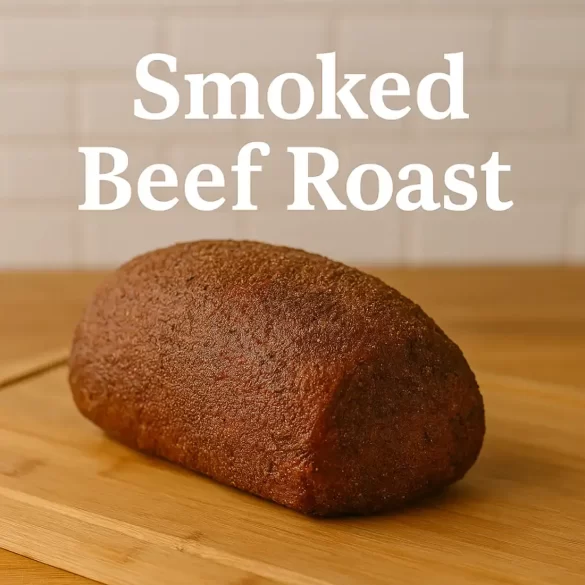
When it comes to elevating your weekend meals or impressing guests at a BBQ, few dishes rival the smoky perfection of a Smoked Beef Roast. Whether you’re using an eye of round, top sirloin, or even chuck roast, slow-smoking transforms a humble cut of meat into a juicy, flavorful masterpiece.
In this ultimate guide, we’ll walk you through everything you need to make the best smoked roast beef, including step-by-step instructions, expert tips, variations, and more. Whether you’re smoking your roast on a pellet smoker, charcoal grill, or electric smoker, this method guarantees success every time.

Why This Smoked Beef Roast Recipe Works
There’s something magical about the way smoke seeps into beef over several hours, creating layers of flavor that are both bold and comforting. This recipe focuses on using eye of round roast, a lean yet flavorful cut, and turns it into tender, juicy slices perfect for sandwiches, Sunday dinners, or even meal prep.
Here’s why you’ll love this smoked roast beef:
- It uses simple ingredients with big flavor.
- It’s budget-friendly, especially with eye of round roast.
- Perfect for low-and-slow weekend cooking or holiday feasts.
- Naturally gluten-free and keto-friendly.
- Great for slicing thin for roast beef sandwiches.
Ingredients to make Smoked Beef Roast

Each ingredient in this smoked beef roast recipe plays an important role in flavor development and texture. Here’s what you’ll need:
- 1 (2-3 pound) Eye of Round Roast
A lean, affordable cut that becomes incredibly flavorful and tender when smoked low and slow. - 2 tablespoons Olive Oil
Helps the rub stick to the roast and aids in browning during smoking. - 1 tablespoon Kosher Salt
Enhances the beef’s natural flavor. Salt early if you want even deeper penetration. - 1 tablespoon Fresh Cracked Black Pepper
Adds a sharp, earthy bite that pairs perfectly with beef. - 1 tablespoon Garlic Powder
Delivers savory umami without overpowering. - 1 tablespoon Onion Powder
Adds sweetness and a subtle depth to the rub. - 1 teaspoon Smoked Paprika (optional)
Enhances the smoky flavor and gives the roast a rich color. - 1 teaspoon Dried Thyme or Rosemary
Adds herbal brightness to complement the deep beefy flavors. - Beef Broth or Apple Juice (for spritzing)
Keeps the meat moist during the smoking process and adds extra flavor.
Optional Add-On: Use a bit of Worcestershire sauce or yellow mustard before applying the rub to add depth and help it stick better.
How to Make Smoked Roast Beef (Step-by-Step)

Follow these detailed instructions to get tender, smoky perfection every time.
1. Prep the Beef Roast (30 minutes to overnight)
- Trim any excess silver skin or fat from the roast.
- Pat it dry with paper towels. Moisture on the outside can inhibit the crust.
- Coat the roast with olive oil or mustard for binding the rub.
- In a small bowl, combine salt, pepper, garlic powder, onion powder, paprika, and herbs.
- Rub the seasoning mix all over the beef roast, covering every surface evenly.
- For best results, wrap the roast in plastic wrap and refrigerate overnight to let the flavors penetrate.
2. Bring to Room Temperature (30–60 minutes)
Let the roast sit on the counter to come to room temp before smoking. This ensures even cooking and better smoke absorption.
3. Preheat Your Smoker or Grill (225°F/107°C)
- Use your favorite hardwood like oak, hickory, or cherry for beef.
- Preheat your smoker or charcoal grill to a steady 225°F.
- If using a charcoal grill, set it up for indirect heat and add wood chunks.
4. Smoke the Roast (1.5–2.5 hours)
- Place the roast directly on the smoker grate, fat-side up if it has one.
- Insert a meat thermometer into the thickest part of the roast.
- Smoke at 225°F until it reaches an internal temp of 125°F for rare, 130°F for medium rare, or 135°F for medium.
- Spritz with apple juice or beef broth every 45 minutes for moisture and color.
Pro Tip: Smoking time will vary based on roast size and ambient temp. Generally, plan on 45–60 minutes per pound.
5. Optional: Reverse Sear for a Crust (5–10 minutes)
- Once the roast hits your target temp, remove it and increase grill or skillet temp to high (450°F+).
- Sear for 1-2 minutes per side to develop a beautiful crust.
- Skip this if you prefer a soft outer layer or are slicing thin for sandwiches.
6. Rest Before Slicing (20–30 minutes)
- Tent the roast loosely with foil and let it rest. This helps redistribute juices and keeps the meat moist.
- Don’t skip this step—resting is crucial for juicy smoked beef!
7. Slice Thin & Serve
- Use a sharp carving or slicing knife.
- Slice against the grain for the most tender results.
- Cut thick for hearty plates, or super-thin for roast beef sandwiches.

Pro Tips for the Best Smoked Roast Beef
- Use a Meat Thermometer: Don’t guess doneness—monitor internal temp closely.
- Don’t Overcook: Eye of round is lean; going beyond medium can dry it out.
- Rest Is Key: A full 20-minute rest keeps juices in the roast, not on the cutting board.
- Smoke Choice Matters: Oak and hickory are bold, while cherry adds a sweet touch—use what suits your taste.
- Rub in Advance: Dry brining overnight with salt and spices boosts flavor and tenderness.

Serving Suggestions
Smoked roast beef is incredibly versatile. Here are a few delicious ways to enjoy it:
- Classic Dinner: Serve thick slices with garlic mashed potatoes, gravy, and green beans.
- Roast Beef Sandwiches: Pile thin slices onto crusty rolls with horseradish mayo, arugula, and provolone.
- Smoked Beef Sliders: Add caramelized onions and cheddar on Hawaiian rolls.
- Beef Salad Bowls: Layer over mixed greens, quinoa, and drizzle with vinaigrette for a protein-packed lunch.
- Philly-Style: Sauté with peppers and onions, then stuff into hoagie rolls and melt provolone cheese on top.
Recipe Variations & Customizations
- Cut Options:
- Use Top Sirloin, Chuck Roast, or Tri-Tip instead of eye of round for richer marbling and tenderness.
- Spicy Version:
- Add cayenne pepper or crushed red chili flakes to the rub.
- Herb Crust:
- Mix fresh rosemary, thyme, and parsley with olive oil and coat the roast before smoking.
- Garlic Butter Baste:
- Melt garlic and butter together and baste the roast during the final 30 minutes of smoking.
- No Smoker? No Problem!:
- Use a charcoal or gas grill with indirect heat and a smoker box or wood chips in foil.

Recipe Tested & Notes
I tested this smoked beef roast several times using an eye of round roast between 2.5 and 3 pounds. The biggest difference in the final result came from cooking by internal temperature instead of cooking time. On my pellet smoker set to 225°F, the roast consistently reached 130°F internal temperature in about 2 hours, but every roast cooked a little differently.
I also compared different wood pellets. Oak produced the most balanced beef flavor, while hickory created a stronger barbecue taste. Cherry wood gave the roast a beautiful mahogany color without overpowering the meat.
The recipe worked equally well when sliced thin for sandwiches or served thicker with mashed potatoes for dinner.
Testing Results
- Best smoker temperature: 225°F
- Best internal temperature: 130°F for medium-rare
- Best resting time: 25 minutes
- Favorite wood: Oak
- Best seasoning rest: Overnight in the refrigerator
Mistakes I Made
Even experienced cooks learn something every time they smoke meat. Here are the mistakes I made during testing so you don’t have to.
I overcooked the first roast.
The first roast reached nearly 145°F before I removed it. Since eye of round is naturally lean, it became much firmer than I wanted.
Lesson learned:
Always remove the roast 5°F before your target temperature because it continues cooking while resting.
I skipped the resting period.
One test was sliced immediately after smoking. The cutting board filled with juices, and the meat wasn’t nearly as moist.
Lesson learned:
Always rest the roast for at least 20 to 30 minutes.
I added too much smoke wood.
Using too much hickory produced a bitter flavor.
Lesson learned:
A couple of chunks of wood or a moderate amount of pellets provides plenty of smoke.
I sliced with the grain.
The slices were noticeably chewy.
Lesson learned:
Always identify the grain before slicing and cut across it.
Personal Cooking Tips Learned From Testing
After making this recipe multiple times, these small tricks consistently gave the best results.
- Dry the roast extremely well before adding seasoning. A dry surface develops a much better crust.
- Let the seasoned roast rest overnight whenever possible. The flavors become noticeably deeper.
- Use coarse black pepper instead of finely ground pepper. It creates a better bark.
- Place the thicker end of the roast toward the hotter side of the smoker if your grill has hot spots.
- Keep the smoker closed as much as possible. Every lid opening can add several minutes to the cooking time.
- Use an instant-read thermometer to double-check the internal temperature before removing the roast.
- Slice only what you’ll serve immediately. Leaving the remaining roast whole helps it stay juicier.
Why I Prefer This Version
I’ve experimented with several smoked roast beef recipes over the years, including versions with marinades, injections, and heavy barbecue rubs. While those methods certainly work, I always come back to this simple version.
Here’s why.
The beef remains the star of the recipe. Instead of masking the natural flavor with excessive spices or sugary rubs, this seasoning enhances the meat while allowing the smoke to shine.
I also prefer smoking the roast until medium-rare rather than cooking it to medium or beyond. The slices stay incredibly juicy, making them perfect for both dinner and roast beef sandwiches.
Another reason I keep returning to this recipe is its consistency. Whether I use a pellet smoker, charcoal grill, or offset smoker, the results are reliable every single time.
Storage Notes Based on Actual Testing
After testing several storage methods, here’s what worked best.
Refrigerator
Store leftover roast beef in an airtight container along with any collected juices.
It stayed fresh for up to 4 days and remained surprisingly moist when reheated gently.
Freezer
Wrap the whole roast tightly in plastic wrap, followed by aluminum foil, then place it inside a freezer bag.
It maintained excellent texture for up to 3 months.
Reheating
The best reheating method was placing sliced roast beef in a skillet with a few tablespoons of warm beef broth over low heat.
Avoid microwaving for long periods because lean beef dries out quickly.
For sandwiches, I often enjoy the leftovers cold without reheating.
Equipment Used
Having the right equipment makes this recipe much easier and more consistent.
- Pellet smoker, charcoal smoker, offset smoker, or gas grill with indirect heat
- Digital meat thermometer
- Instant-read thermometer
- Sharp carving knife
- Large cutting board
- Small mixing bowl for seasoning
- Measuring spoons
- Tongs
- Spray bottle for beef broth or apple juice
- Aluminum foil (optional for resting)
- Heat-resistant gloves
FAQs About Smoked Roast Beef
Can I smoke a frozen roast beef?
No, always thaw completely before smoking to ensure even cooking.
Can I use a charcoal grill to smoke beef roast?
Yes! Just set your grill up for indirect heat by piling the coals to one side and placing the roast on the opposite side. Add wood chunks or soaked wood chips on the coals for smoky flavor. Use a thermometer to monitor internal temp accurately.
How do I keep the temperature stable on a charcoal grill?
Maintain consistent heat by adjusting the air vents—open for higher heat, closed slightly for lower heat. Add hot coals as needed every 45–60 minutes. Using a water pan near the roast helps regulate temperature and adds moisture.
How long does it take to smoke a 3 lb beef roast?
At 225°F, it typically takes 1.5 to 2.5 hours depending on desired doneness.
What is the best wood for smoking beef roast?
Oak, hickory, and mesquite are great for bold flavor; cherry or applewood offer a sweeter profile.
What’s the best way to add smoke flavor on a gas grill?
Wrap soaked wood chips (like hickory or oak) in foil, poke holes in it, and place it directly over one burner. Keep that burner on and turn the others off for indirect smoking. Add more foil packs as needed throughout the cook.
Do I need to wrap my roast during smoking?
Not necessarily for this recipe. You can wrap in foil after it reaches 130°F if you want less bark and more moisture retention.
How do I store and reheat leftovers?
Store sliced beef in an airtight container with some juices. Reheat gently in a skillet or oven with broth to avoid drying out.
Can I smoke this roast on a charcoal grill without a smoker?
Absolutely. Arrange the charcoal on one side of the grill and place the roast on the opposite side. Add hardwood chunks directly onto the hot coals and keep the lid closed. This indirect cooking method produces excellent smoked roast beef.
How often should I add charcoal during the cook?
For a roast cooked at 225°F, you’ll usually need to add fresh lit charcoal every 45 to 60 minutes, depending on your grill. Always add fully lit coals instead of raw charcoal to avoid temperature swings.
Should I use lump charcoal or briquettes?
Both work well.
- Lump charcoal burns hotter and produces less ash.
- Briquettes burn longer and provide more consistent temperatures.
For beginners, briquettes are often easier to manage during long cooks.
Do I need a water pan in my smoker?
It’s optional, but I recommend it. During testing, a water pan helped stabilize temperatures and prevented the roast from drying out, especially when using a charcoal grill.
Which wood gives the best smoke flavor?
Oak is my first choice because it complements beef without overpowering it.
Other great options include:
- Hickory for a stronger barbecue flavor
- Cherry for beautiful color and mild sweetness
- Pecan for a rich, nutty smoke
- Mesquite for bold Texas-style flavor (use sparingly)
Can I smoke the roast on a gas grill?
Yes. Turn on only one burner and place the roast on the unlit side. Add wood chips in a smoker box or foil packet over the lit burner to create smoke while cooking with indirect heat.
How do I know when the charcoal needs more airflow?
If the grill temperature starts dropping below your target and the coals are still glowing, open the bottom vent slightly to increase airflow. Good airflow is the key to maintaining steady heat throughout the cook.
Is smoked roast beef better served hot or cold?
Both are excellent. Fresh slices served warm make an outstanding dinner, while chilled thin slices are perfect for deli-style sandwiches, wraps, salads, and meal prep throughout the week.

Ingredient Substitutes & Alternatives
- Eye of Round: Swap with tri-tip, sirloin roast, or even brisket flat.
- Olive Oil: Use avocado oil, beef tallow, or mustard for binding rub.
- Salt: Kosher salt is best for meat, but sea salt works too.
- No Smoker? Use your oven at 225°F and finish with a broiler or hot pan for a smoky crust. Add liquid smoke to your rub or marinade if desired. you can do use charcoal grill as well.
Nutritional Information (Per 4 oz serving)
- Calories: 220
- Protein: 28g
- Carbohydrates: 0g
- Fat: 12g
- Fiber: 0g
- Sugar: 0g
Note: Nutrition may vary based on the cut of beef and ingredients used.
Conclusion
Smoking a beef roast is an art form—and one that anyone can master with the right tools and guidance. Whether you’re making Smoked Eye of Round Roast Beef for meal prep or creating the ultimate Sunday supper, this recipe delivers bold flavor and juicy results every time.
Have you tried this smoked beef roast on your grill or smoker?
We’d love to hear how it turned out! Leave a comment below, rate the recipe, and don’t forget to share your tips or tweaks.
Want more smoky inspiration?
Check out our Smoked Chicken Thighs or Pellet Grill Baby Back Ribs for more barbecue bliss!