Table of Contents
If you’ve ever grabbed a packet of McCormick’s Meatloaf Seasoning, you already know how easy it makes dinner. But what if you could recreate that same savory, herby flavor at home—without the preservatives or store trip? This meatloaf seasoning recipe is a perfect DIY alternative to McCormick’s mix, made with simple pantry spices and big on bold, nostalgic flavor.
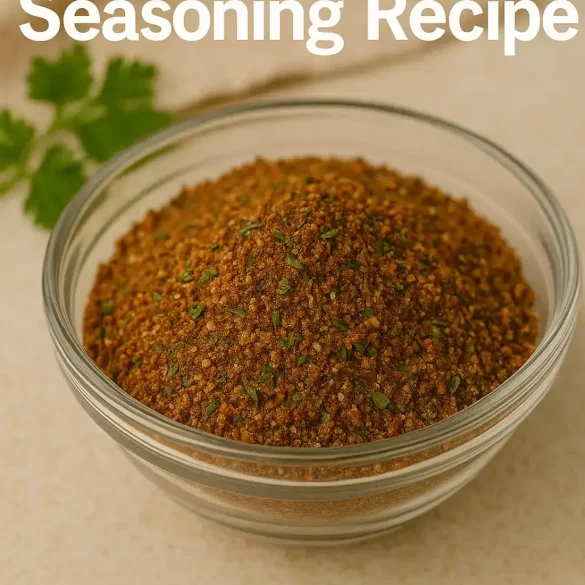
This homemade meatloaf seasoning recipe is the flavor powerhouse your ground beef has been waiting for. It’s perfectly balanced with herbs, spices, and just enough kick to make every bite unforgettable. The best part? It’s a dry blend you can whip up in five minutes and store for months. Ready to ditch the store mix and create something truly crave-worthy? Let’s get started.

Ingredients for Meatloaf Seasoning
Here’s what you’ll need to craft the perfect dry seasoning blend for your meatloaf. Each ingredient plays a unique role in building flavor.
- 2 teaspoons onion powder – Adds a deep, sweet-savory base flavor without the texture of chopped onions.
- 1½ teaspoons garlic powder – Delivers robust, earthy undertones that complement the beef.
- 1½ teaspoons smoked paprika – Infuses a subtle smokiness and warmth that enhances the meaty flavor.
- 1 teaspoon ground black pepper – Provides a mild heat and balances the richness of the meat.
- 1 teaspoon dried thyme – Brings herbal notes and a touch of freshness to the mix.
- 1 teaspoon dried parsley – Adds color and a mild, slightly peppery taste.
- ¾ teaspoon salt – Enhances and brings out the natural flavors in the meat.
- ½ teaspoon mustard powder – Lends a tangy sharpness that cuts through the richness.
- ½ teaspoon crushed red pepper flakes (optional) – For those who enjoy a bit of heat in every bite.
- ½ teaspoon ground cumin (optional but recommended) – Introduces an earthy, slightly nutty depth.
Substitution Tips:
- No smoked paprika? Use regular paprika with a pinch of chili powder.
- For a salt-free version, simply omit the salt and adjust to taste when seasoning your meat.
- Want fresh flavor? Swap the dried herbs with double the amount of fresh herbs when mixing into the meat.
How to Make Meatloaf Seasoning (Step-by-Step)

Making your own version of McCormick’s Meatloaf Seasoning at home is fast, easy, and fresher than anything off the shelf. Follow these steps:
Step 1: Measure Your Ingredients
Use a small set of measuring spoons to portion out each spice. Gather everything into a small prep bowl before mixing. (feel free to double or triple the quantities for a larger batch):
Pro Tip: Always use fresh, high-quality dried spices for best results. If your paprika or thyme has been sitting in the back of your cabinet for years, it might be time to replace it.
Step 2: Mix It Up
Pour all the measured ingredients into a small bowl. Using a spoon or small whisk, stir the mixture thoroughly until it’s completely blended and uniform in color and texture.
Why this matters:
Some spices, like garlic powder and paprika, can clump. Mixing well ensures that every teaspoon you scoop later has the perfect balance of flavor.
Optional: For an ultra-fine, professional blend, pulse everything a couple of times in a spice grinder or clean coffee grinder. This creates a smooth, restaurant-style consistency.
Step 3: Store for Freshness
Transfer the seasoning to an airtight spice jar, mason jar, or small container with a tight-fitting lid. Label it with the name and the date you made it.
Store in a cool, dry place—away from heat and direct sunlight. A pantry, cupboard, or dedicated spice drawer is perfect.
Shelf Life:
Your meatloaf seasoning will stay fresh and flavorful for up to 6 months if stored properly.
Pro Tip: If you live in a humid area, toss a food-safe silica packet or a few grains of uncooked rice wrapped in cheesecloth into the jar. This helps prevent clumping and keeps your blend dry.
Step 4: Use It Like a Pro
When you’re ready to make meatloaf, use approximately 1½ to 2 tablespoons of the seasoning mix per 1 pound of ground meat.
Here’s how to incorporate it:
- Add the seasoning directly to the ground beef (or turkey/chicken).
- Toss in your other ingredients: eggs, breadcrumbs, milk, or any add-ins you like.
- Gently mix everything together until just combined. Don’t overwork it—this can make the meatloaf dense.
Want extra flavor? Sprinkle a little of the mix on top of the loaf before baking or add a pinch to your glaze!
Pro Tips for a Perfect Seasoning Blend

- Grind Fresh for More Flavor: If you have a spice grinder, freshly grinding your pepper, thyme, and cumin gives an even bolder taste.
- Make it Your Own: Try adding a pinch of brown sugar for a subtle sweetness, or a dash of Worcestershire powder for an umami boost.
- Double the Batch: This seasoning is a game-changer for burgers, meatballs, and even roasted veggies. Make a big batch and use it throughout the week.
- Avoid Clumping: Add ½ teaspoon of uncooked rice or a food-safe silica packet to your jar if you live in a humid climate.
How to Use Meatloaf Seasoning in Recipes
This blend isn’t just for meatloaf! Here’s how you can use it across a variety of dishes:
- Classic Meatloaf: Use 2 tablespoons per 1.5 pounds of ground beef along with egg and breadcrumbs.
- Mini Meatloaf Muffins: Season the mixture, then shape into muffin tins and bake for 20-25 minutes.
- Stuffed Peppers: Mix it into the meat and rice stuffing to add complexity.
- Turkey or Chicken Meatloaf: Works beautifully with leaner meats—consider adding an extra egg for moisture.
- Beyond the Loaf: Try it in meatballs, shepherd’s pie, burger patties, or even sprinkled over roasted potatoes.

Pro Tips for the Best Meatloaf Ever
You’ve got the seasoning right—now here’s how to make your whole meatloaf shine:
1. Don’t Overmix
Once the seasoning and other ingredients are added, gently mix everything just until combined. Overworking the meat leads to a dense, chewy texture.
2. Use a Binder
Eggs and breadcrumbs not only help hold the loaf together—they also retain moisture. Don’t skip them.
3. Add a Glaze
Top your loaf with a ketchup glaze, BBQ sauce, or even a sweet chili sauce before baking. It locks in moisture and adds irresistible flavor.
4. Rest Before Slicing
Let your meatloaf rest for at least 10 minutes after baking to allow juices to redistribute.

Where to Use Meatloaf Seasoning
This versatile meatloaf seasoning blend isn’t just a one-trick pony. While it’s tailor-made to make your meatloaf incredibly flavorful, you’ll be surprised at just how many dishes benefit from its savory, herb-packed goodness. Here are some delicious ideas:
1. Classic Meatloaf (of course!)
Use 1½ to 2 tablespoons of the seasoning per pound of ground beef or turkey. It takes your meatloaf from ordinary to outstanding with deep, balanced flavor in every bite.
2. Homemade Meatballs
Mix this seasoning into ground meat along with breadcrumbs and egg. Whether baked or pan-fried, your meatballs will have a rich, herby taste that pairs well with marinara or BBQ sauce.
3. Burgers & Sliders
Stir a spoonful into your ground beef mix before shaping your patties. It adds a punch of flavor without needing additional condiments.
4. Stuffed Bell Peppers
Add this seasoning to your meat and rice stuffing mix. It provides warmth and spice without overpowering the natural sweetness of the peppers.
5. Roasted Vegetables
Toss potatoes, carrots, or cauliflower with olive oil and a bit of the seasoning for a savory twist on your usual roasted veggie side.
6. Breakfast Scrambles
Add a pinch to your morning eggs, scrambled with sausage or veggies. The herbs and spices balance beautifully with creamy eggs.
7. Soup & Chili Base
Want to boost your broth or give your chili some extra depth? Stir in a teaspoon or two as your base simmers for added warmth and richness.
Recipe Variations & Customizations
This seasoning is flexible—tailor it to suit your taste or dietary needs:
For More Heat:
- Add extra red pepper flakes or cayenne pepper.
For a Sweeter Profile:
- A touch of brown sugar or cinnamon can create a sweet-savory balance.
Gluten-Free:
- The seasoning itself is gluten-free. Be sure to pair it with GF breadcrumbs or oats in the meatloaf.
Low-Sodium:
- Simply reduce or omit the salt and control sodium through other ingredients like broth or sauce.
International Flair:
- Italian: Add oregano and basil.
- Tex-Mex: Add chili powder and coriander.
- Indian-inspired: Try a pinch of garam masala or turmeric.
Want to go meatless? Use this seasoning with lentil or black bean loaves for a delicious vegetarian twist.

Recipe Tested & Notes
I tested this homemade meatloaf seasoning several times using different types of ground meat to make sure the flavor worked in a variety of recipes. My first test was with an 80/20 ground beef meatloaf because it has enough fat to carry the herbs and spices. The seasoning produced a rich, savory flavor that reminded me of a homemade version of McCormick’s Meatloaf Seasoning.
Next, I tried it with lean ground turkey. Since turkey has a milder flavor, I increased the seasoning slightly to about 2 tablespoons per pound of meat. The extra seasoning helped create a much more flavorful meatloaf without overpowering the turkey.
I also tested the blend in homemade meatballs and burger patties. Both turned out delicious, proving that this isn’t just a meatloaf seasoning. It has become one of my favorite all-purpose savory spice blends.
After several batches, I found that letting the mixed meatloaf rest for 15 to 20 minutes before baking allows the dried herbs to absorb moisture and distribute their flavor more evenly throughout the meat.
Final testing notes:
- Best flavor: 80/20 ground beef
- Best seasoning ratio: 1½ to 2 tablespoons per pound of meat
- Resting the mixture before baking noticeably improves flavor.
- Fresh spices produce a brighter, more aromatic seasoning blend.
- The seasoning also works wonderfully in meatballs and burgers.
Mistakes I Made
Even though this recipe is simple, I made a few mistakes during testing that changed the final flavor.
Using old spices
One batch tasted surprisingly flat. After checking my pantry, I realized the paprika and thyme were more than two years old. Fresh spices completely transformed the seasoning.
Adding too much salt
One early batch contained a full teaspoon of salt. Once combined with ketchup and Worcestershire sauce, the finished meatloaf became saltier than I wanted. Reducing it to ¾ teaspoon created a much better balance.
Skipping the mixing step
I once added the spices directly to the meat without mixing them together first. The paprika and garlic powder formed little pockets, resulting in uneven seasoning. Now I always mix the dry ingredients before adding them to the meat.
Over-seasoning lean meat
Turkey absorbs seasoning differently than beef. Using too much seasoning on extra-lean turkey made the herbs overpower the meat. Around 1½ tablespoons per pound works best unless you prefer a stronger flavor.
Personal Cooking Tips Learned From Testing
After making this seasoning multiple times, I’ve picked up a few small tricks that consistently improve the final result.
- Mix the seasoning at least a day before using it. The spices have time to blend together, creating a smoother overall flavor.
- Crush dried thyme lightly between your fingers before mixing. This releases more aroma.
- If making a large batch, shake the jar before every use because heavier spices naturally settle.
- Always taste a tiny pinch before storing. It’s much easier to adjust salt or pepper now than after cooking.
- If using lean meats, mix in a tablespoon of olive oil or milk to keep the meatloaf moist.
- A small pinch of brown sugar gives the seasoning a subtle sweetness similar to many commercial blends.
- Fresh cracked black pepper produces noticeably better flavor than pre-ground pepper.
Why I Prefer This Version
I’ve used packaged seasoning mixes for years, but after developing this recipe, I rarely buy them anymore.
The biggest advantage is complete control over every ingredient. I can adjust the salt, increase the herbs, or make it spicier depending on who I’m cooking for.
Another reason I prefer this homemade version is freshness. Store-bought seasoning packets may have been sitting on shelves for months, while homemade blends use spices at their peak flavor.
It’s also much more economical. One batch costs only a fraction of the price of buying multiple seasoning packets throughout the year.
Most importantly, I know exactly what’s going into my food. There are no unnecessary fillers, preservatives, anti-caking agents, or artificial flavors—just real herbs and spices.
If you’re looking for a homemade alternative to McCormick’s Meatloaf Seasoning, this version delivers the same comforting flavor while giving you complete control over the ingredients.
Storage Notes Based on Actual Testing
I tested different storage methods to see how long the seasoning stayed fresh.
A simple glass spice jar with a tight-fitting lid performed the best. After three months in a cool pantry, the seasoning still smelled fresh and flavorful.
Plastic containers worked well too, but glass preserved the aroma slightly better.
Here are my storage recommendations:
- Store in an airtight glass spice jar whenever possible.
- Keep away from direct sunlight and heat.
- Avoid storing near the stove where steam can introduce moisture.
- Always use a completely dry measuring spoon.
- Shake the container before each use to redistribute the spices.
- Label the jar with the preparation date.
Shelf Life
- Best flavor: within 3 months
- Excellent quality: up to 6 months
- Safe to use after 6 months if kept dry, although the herbs gradually lose potency.
For meal prep, I often make a triple batch and keep one jar in the pantry while storing extra jars in a cool cabinet.
Equipment Used
You don’t need any fancy equipment to make this seasoning. These simple kitchen tools are all that’s required.
- Measuring spoons for accurate spice measurements
- Small mixing bowl
- Mini whisk or fork
- Airtight glass spice jar
- Small funnel (optional but makes transferring easier)
- Label or masking tape for dating the jar
- Spice grinder (optional if you prefer an ultra-fine seasoning similar to commercial blends)
FAQs
How much seasoning should I use per pound of meat?
Use about 1½ to 2 tablespoons of seasoning per pound of ground meat.
Can I use this instead of McCormick’s Meatloaf Seasoning?
Yes! This recipe is a perfect homemade replacement. Use 1½ to 2 tablespoons per pound of meat.
Can I use this seasoning on something other than meatloaf?
Absolutely! It’s great on burgers, meatballs, and even grilled vegetables or tofu.
How long will homemade meatloaf seasoning last?
Stored in an airtight container, it will stay fresh for up to 6 months.
What’s the best way to mix the seasoning into the meat?
Sprinkle it evenly over the meat, then gently mix with your hands or a fork to avoid overworking it.
Do I need to refrigerate the seasoning?
Nope! Just keep it in a cool, dry place like a spice cabinet.
Can I make a large batch of this seasoning?
Absolutely. This recipe doubles or triples very well. Just keep the ingredient ratios the same and store the extra seasoning in airtight jars.
Does this seasoning contain breadcrumbs?
No. This recipe is purely a spice blend. Breadcrumbs are added separately when preparing meatloaf.
Can I use fresh garlic instead of garlic powder?
For the seasoning blend itself, dried garlic powder works best because it stores well. Fresh garlic should be added directly to the meat mixture when making meatloaf.
Is this seasoning gluten-free?
Yes, the seasoning blend itself is naturally gluten-free. Just be sure to use gluten-free breadcrumbs if you’re making a gluten-free meatloaf.
Can I reduce the sodium?
Definitely. Simply reduce or omit the salt in the seasoning blend and season your meatloaf to taste later.
Substitutes & Ingredient Alternatives
- Onion Powder: Substitute with dried minced onion (1 tablespoon).
- Garlic Powder: Fresh minced garlic can be used when making the meatloaf (1 teaspoon garlic powder = 1 clove fresh garlic).
- Smoked Paprika: Use regular paprika + a pinch of liquid smoke or chili powder.
- Mustard Powder: Try 1 teaspoon Dijon or yellow mustard per pound of meat instead.
- Thyme & Parsley: Swap for Italian seasoning in a pinch.
These swaps make your blend flexible while maintaining that iconic McCormick-inspired flavor
Nutritional Information (Per Serving – Approx. 1 Tablespoon)
Calories: ~10
Carbohydrates: 2g
Protein: 0.3g
Fat: 0.2g
Sodium: 250mg
Note: Actual nutrition will vary depending on the final meatloaf recipe and the amount of seasoning used.
Final Thoughts
Once you’ve made this homemade meatloaf seasoning recipe, you’ll never go back to the store-bought packets again. It’s simple, customizable, and enhances your meatloaf with deep, bold flavors that are anything but basic. Whether you’re cooking up a Sunday dinner or meal prepping for the week, this blend is your go-to flavor bomb.
It’s bold, savory, budget-friendly—and it’s a spot-on alternative to McCormick’s Meatloaf Seasoning. Plus, you’ll feel great knowing exactly what’s in your food.
Give it a try and taste the difference for yourself—your meatloaf (and your tastebuds) will thank you.
Have you tried this seasoning yet? What’s your twist? Share in the comments below!
If you loved this, check out our Air Fryer Bone-In Pork Chops or Bisquick Chicken and Dumplings for more comforting classics!