Table of Contents
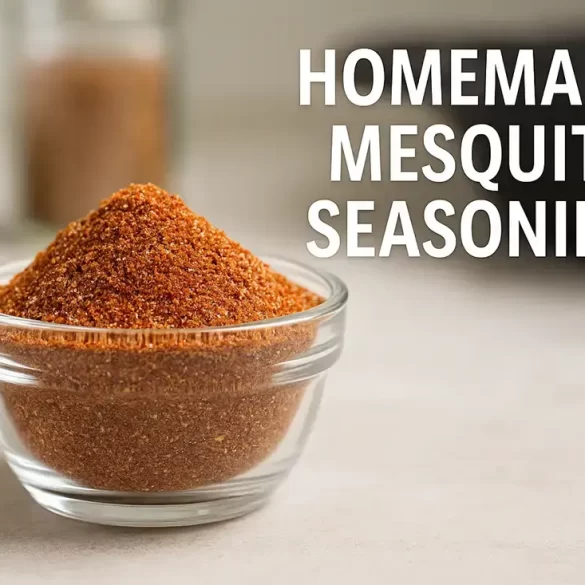
If you’re a fan of bold, smoky flavors and crave that just-off-the-grill taste all year round, then this Homemade Mesquite Seasoning is about to become your pantry MVP. Whether you’re looking to recreate that backyard barbecue magic indoors or want a healthier, additive-free alternative to store-bought blends like McCormick Mesquite Grill Seasoning, this DIY spice mix is for you.
There’s something nostalgic and deeply satisfying about mesquite seasoning. It conjures memories of summer cookouts, firewood smoke wafting through the air, and meat sizzling on the grill. But what if we told you that you could bring all of that flavor into your kitchen with just a few spices?
This mesquite seasoning recipe brings the flavor bomb — it’s earthy, smoky, slightly sweet, and just spicy enough to excite your taste buds. And the best part? You likely already have most of these ingredients in your spice rack. No fillers, no preservatives — just pure flavor.
Let’s dive into how to make your own copycat mesquite grill seasoning right at home.
How to make Mesquite Seasoning

Ingredients for Homemade Mesquite Seasoning
Here’s what you’ll need to create that bold, smoky profile that defines mesquite seasoning:
- 2 tablespoons smoked paprika
Adds that signature smoky depth; this is the heart of the mesquite flavor. - 1 tablespoon onion powder
Contributes savory sweetness and enhances umami. - 1 tablespoon garlic powder
Gives the seasoning a pungent, aromatic base. - 1 tablespoon brown sugar
Adds a touch of sweetness and helps with caramelization during grilling. - 2 teaspoons chili powder
For a mild, earthy heat that adds warmth without overwhelming. - 2 teaspoons cumin
Brings in a warm, nutty flavor that enhances the smoky tones. - 1 teaspoon ground mustard
Adds a tangy sharpness and balances the sweetness. - 1 teaspoon ground black pepper
Adds bite and depth to the blend. - 1 teaspoon dried thyme
Offers a slightly minty, woodsy aroma that complements grilled meats. - 1 teaspoon salt (or to taste)
Brings all the flavors together and intensifies the overall seasoning. - ½ teaspoon cayenne pepper (optional)
For those who like it spicy — adds heat and complexity.

Optional Add-ins:
- ½ teaspoon ground coriander – adds a citrusy brightness.
- ½ teaspoon ground coffee – for a deeper, richer grill flavor (great for red meat lovers).
Instructions To Make
Making this mesquite seasoning recipe is as easy as it gets — no fancy tools, just a few minutes and a mixing bowl!
1. Measure Your Spices
Start by measuring all your spices accurately. For a balanced blend, use a level tablespoon or teaspoon. You can easily double or triple the recipe if you’re making a large batch.
2. Mix It Up
In a medium-sized mixing bowl, combine all the spices: smoked paprika, onion powder, garlic powder, brown sugar, chili powder, cumin, ground mustard, pepper, thyme, salt, and cayenne (if using).
Pro Tip: Use a small whisk or fork to break up any clumps, especially in brown sugar or garlic powder.
3. Taste and Adjust
Dip a damp finger in the mix and taste (just a tiny bit!). If you prefer it spicier, add more cayenne. Want it smokier? Up the smoked paprika.
4. Store Properly
Transfer the seasoning into an airtight glass jar or spice shaker. Label it with the name and date. Store in a cool, dry place, away from direct sunlight.
Shelf Life: This seasoning stays fresh for up to 6 months when stored correctly.

Pro Tips for the Perfect Mesquite Seasoning
- Go for high-quality smoked paprika. Not all paprika is created equal. Spanish smoked paprika (also called Pimentón) gives an authentic smoky punch.
- Make it in small batches. Spices lose their potency over time. Make just enough to last a few months.
- Toast spices for deeper flavor. If you want to take it up a notch, lightly toast the cumin and chili powder in a dry skillet for 1-2 minutes before mixing.
- Add a grinder cap. For a coarser rub texture, mix your spices without grinding too fine and use a shaker with larger holes or a grinder cap.
- Mix with oil or vinegar. When using as a marinade, blend the seasoning with olive oil or apple cider vinegar to help it adhere and penetrate the meat.
Serving Suggestions (how and where we can use this mesquite seasoning)

1. Grilled Chicken or Ribs
Rub this mesquite seasoning generously over chicken thighs, drumsticks, or pork ribs, then let it marinate for at least 30 minutes (or overnight) with a splash of olive oil. When grilled or baked, the seasoning forms a caramelized crust that’s smoky, slightly sweet, and incredibly flavorful — perfect for a backyard BBQ or weeknight dinner.
2. Steak or Burgers
Mix a tablespoon of seasoning into your ground beef before forming patties, or use it as a dry rub on steak cuts like ribeye, sirloin, or flank. It adds that signature grilled flavor without needing an open flame. Serve with caramelized onions or melted cheddar for a mesquite burger that rivals any steakhouse.
3. Vegetables
Toss sliced bell peppers, mushrooms, zucchini, or even cauliflower with a bit of olive oil and a teaspoon of this seasoning before roasting or grilling. The smoky-sweet blend transforms ordinary vegetables into a char-grilled side dish that even picky eaters will love.
4. Tofu or Tempeh
For a plant-based twist, press tofu to remove moisture, cube it, then coat with mesquite seasoning and bake or air fry until crispy. Tempeh works great too — just steam it first to remove bitterness before seasoning. Serve with rice bowls, tacos, or wraps.
5. Potato Wedges or Fries
Sprinkle mesquite seasoning over parboiled potato wedges or frozen fries before roasting. The blend gives them a smoky BBQ flavor that’s perfect with dipping sauces like chipotle mayo or ranch. Great as a game-day snack or side to grilled mains.
Recipe Variations & Customizations

1. Sugar-Free Option
Skip the brown sugar entirely if you’re watching carbs or avoiding sugar. For those on a keto diet, consider a sugar-free sweetener like monk fruit or erythritol. While it slightly changes the caramelization, it still offers that rich, bold flavor without added sugars.
2. Low-Sodium Version
Reduce the salt by half or eliminate it altogether if you’re on a low-sodium diet. Instead, season your dish with salt during cooking or right before serving so you have better control over your sodium intake while still enjoying the full spice flavor.
3. Extra Smoky
To crank up the smokiness, add a pinch of ground chipotle pepper or even a dash of liquid smoke powder. This is perfect for oven-baked dishes or stovetop recipes where you miss the charred flavor of a real grill.
4. Spicier Blend
Double the cayenne pepper or include crushed red pepper flakes if you’re someone who likes their food with a fiery kick. This variation pairs well with grilled wings, spicy tofu, or even zesty taco fillings.
5. Herbaceous Twist
Add ½ teaspoon of dried rosemary, oregano, or sage for a more herb-forward version of this seasoning. These herbs introduce earthy and aromatic notes that pair beautifully with roasted root vegetables, pork tenderloin, or grilled lamb.

Recipe Tested & Notes
I tested this homemade mesquite seasoning several times on different proteins and vegetables before settling on this final version. My goal was to create a seasoning that captures the smoky, slightly sweet flavor of Copycat McCormick Mesquite Grill Seasoning while using simple pantry ingredients.
The first test was on grilled chicken breasts, where the seasoning created a beautiful caramelized crust thanks to the brown sugar. Next, I tried it on ribeye steak and found that reducing the salt slightly allowed the natural beef flavor to shine through. Finally, I sprinkled it over roasted potatoes and zucchini, which turned out surprisingly delicious with a deep smoky flavor.
One thing I noticed is that the seasoning tastes even better after sitting in an airtight jar for about 24 hours. The spices have time to blend together, creating a smoother and more balanced flavor.
Testing Results:
- Best on grilled chicken and steak.
- Excellent on roasted vegetables and potatoes.
- Also delicious sprinkled on burgers, pork chops, and grilled shrimp.
- Flavor becomes richer after resting overnight.
Mistakes I Made
Even a simple seasoning blend can go wrong if you’re not careful. Here are a few mistakes I made during testing so you can avoid them.
Using Regular Paprika Instead of Smoked Paprika
The first batch tasted flat and lacked that signature barbecue aroma. Smoked paprika is the key ingredient that gives this seasoning its authentic mesquite-style flavor.
Adding Too Much Brown Sugar
One test batch became overly sweet and caramelized too quickly on a hot grill. Sticking to the recommended amount creates the perfect balance.
Using Old Spices
An older jar of cumin had almost no aroma, making the seasoning taste dull. Fresh spices make a huge difference in homemade blends.
Over-Seasoning Thin Cuts of Meat
I heavily coated thin chicken cutlets during one test, and the seasoning became overpowering. A lighter coating works much better for thinner cuts.
Skipping the Mixing Step
Simply dumping everything into a jar without mixing left pockets of garlic powder and chili powder. Whisking the spices thoroughly ensures every spoonful has the same balanced flavor.
Personal Cooking Tips Learned From Testing
After making multiple batches, I discovered a few tricks that consistently improved the final result.
- Let the seasoning rest overnight before using it. The flavors become much more balanced after a day.
- Use freshly opened spices whenever possible for the strongest aroma.
- Mix the seasoning with olive oil before rubbing it onto meat. This helps it stick better and creates an even crust.
- Pat meat dry before seasoning. Excess moisture prevents the spices from adhering properly.
- Allow seasoned meat to sit for 20 to 30 minutes before cooking so the flavors begin penetrating the surface.
- For vegetables, toss them with oil first, then sprinkle on the seasoning for even coverage.
- If grilling over high heat, avoid adding extra sugar since it may burn before the meat finishes cooking.
Why I Prefer This Version
After testing several homemade versions and comparing them with store-bought mesquite seasonings, this recipe has become my favorite for several reasons.
First, it delivers that familiar smoky barbecue flavor without relying on preservatives, anti-caking agents, or artificial ingredients.
Second, the sweetness is perfectly balanced. Many commercial blends are noticeably sweeter, while this recipe lets the smoky spices remain the star.
I also appreciate how customizable it is. If I’m cooking steak, I reduce the sugar slightly. For chicken or roasted vegetables, I use the recipe exactly as written.
Most importantly, every ingredient is something I already keep in my pantry. There’s no need to buy specialty seasoning packets or expensive spice blends.
The flavor is bold enough to stand out but versatile enough to work on nearly everything from burgers to roasted potatoes.
Storage Notes Based on Actual Testing
During testing, I stored the seasoning in several different containers to see which preserved the flavor best.
An airtight glass spice jar produced the best results. Even after three months, the seasoning still smelled fresh and retained its smoky aroma.
A plastic container worked reasonably well but gradually allowed some of the aroma to fade after about six weeks.
For the freshest flavor:
- Store in a clean, airtight glass jar.
- Keep away from direct sunlight.
- Avoid storing above the stove where heat and steam can reduce spice quality.
- Always use a dry measuring spoon.
- Shake the jar before each use to redistribute the spices.
Storage Timeline
- Best flavor: First 3 months
- Good quality: Up to 6 months
- Replace after 6 months for maximum freshness
Equipment Used
You don’t need any special equipment to make this seasoning. These basic kitchen tools are all you’ll need.
- Measuring spoons for accurate spice measurements.
- Small mixing bowl.
- Mini whisk or fork for blending the spices evenly.
- Airtight glass spice jar with lid.
- Funnel (optional) for transferring the seasoning neatly into the jar.
- Printable label or masking tape to mark the jar with the preparation date.
Frequently Asked Questions
Can I use this seasoning as a marinade?
Absolutely! Mix it with olive oil, lemon juice, or vinegar for a quick and flavorful marinade. Let proteins soak for at least 30 minutes before cooking.
Is this seasoning gluten-free?
Yes, all the ingredients in this homemade mesquite seasoning are naturally gluten-free. Just be sure to use certified gluten-free spices if needed.
Can I use this on seafood?
You bet! Try it on salmon or shrimp for a bold, smoky flavor. It pairs especially well with grilled or pan-seared preparations.
How much seasoning should I use per pound of meat?
Start with 1 to 1½ tablespoons per pound of meat. You can always adjust based on your preference.
Can I replicate McCormick Mesquite Grill Seasoning with this recipe?
Yes! This blend was inspired by McCormick’s Mesquite Grill Seasoning, but it’s free from preservatives, fillers, and anti-caking agents — just clean, bold flavor.
Can I make a large batch of this seasoning?
Absolutely. This recipe doubles or triples easily. Just keep the ingredient ratios the same and store the extra seasoning in airtight jars.
Does homemade mesquite seasoning actually taste like McCormick Mesquite Grill Seasoning?
It’s very close in flavor while using simple pantry ingredients. This version has the same smoky, savory profile but allows you to control the sweetness, salt, and spice level.
Is mesquite seasoning spicy?
Not really. It has a gentle warmth from chili powder and black pepper, but it’s not considered hot. Add more cayenne if you enjoy extra heat.
Can I use this seasoning without a grill?
Yes. It works wonderfully on baked chicken, roasted vegetables, pan-seared steaks, air fryer recipes, and even slow-cooked meats. The smoked paprika provides a grilled flavor even when cooking indoors.
Ingredient Substitutes & Alternatives
Sometimes you don’t have everything on hand — no worries! Here are a few easy swaps:
- No smoked paprika? Mix regular paprika with a small pinch of chipotle powder or liquid smoke.
- Out of brown sugar? Use coconut sugar or maple sugar for a similar sweetness.
- No ground mustard? A bit of turmeric or a dash of prepared mustard (in marinades) can work.
- Low on thyme? Oregano makes a decent stand-in with a different herbal twist.

Nutritional Information (Per 1 Tablespoon Serving)
Calories: ~25
Carbohydrates: 5g
Protein: 0.5g
Fat: 0.3g
Sodium: 300mg
Sugar: 2g
(Note: Nutritional values may vary based on specific brands and ingredient measurements.)
Final Thoughts
Making your own homemade mesquite seasoning is not only easy and budget-friendly, but it also gives you complete control over what goes into your food. Whether you’re grilling, roasting, or meal prepping for the week, this versatile seasoning will add a smoky punch that elevates any dish.
Give it a try, experiment with your own twists, and see just how much flavor a simple spice blend can bring. Once you make this, you’ll never go back to store-bought again!
Have you tried this recipe? Let us know your favorite way to use it in the comments below!