Table of Contents
When it comes to the perfect burger, the bun is just as important as what’s inside. Enter sourdough burger buns – a naturally leavened, slightly tangy, wonderfully soft yet sturdy bread that takes your burger experience to a whole new level. Made with active sourdough starter instead of commercial yeast, these buns not only add depth of flavor but also bring along health benefits like improved digestibility and a lower glycemic index. Whether you’re firing up the grill for summer cookouts or preparing a casual dinner at home, these sourdough buns are a must-try addition to your baking repertoire.
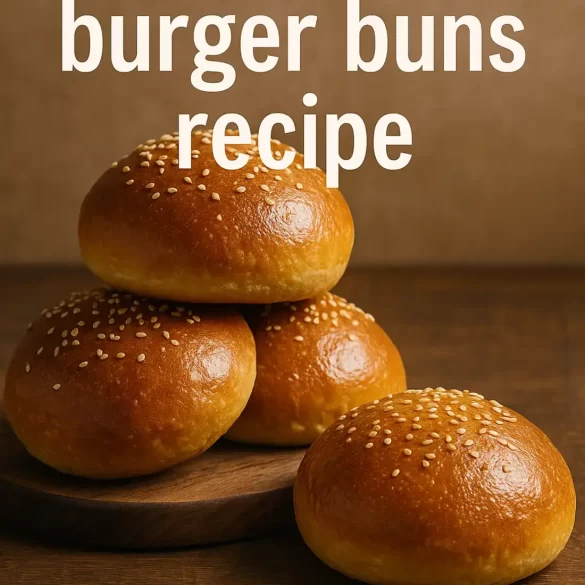
What makes this Sourdough Burger Buns recipe truly special is the balance between a soft interior and a slightly crisp exterior. They’re rich, fluffy, and strong enough to hold up against juicy patties and generous toppings without falling apart. The slow fermentation process not only enhances the flavor but also adds a gorgeous golden hue and a subtle chew that commercial buns just can’t compete with.
And let’s not forget: baking your own buns lets you skip the additives and preservatives found in store-bought versions. If you’re already keeping a sourdough starter, this recipe is a no-brainer. If you’re new to sourdough, this might be the perfect gateway bake to get you hooked!
How to Make Sourdough Burger Buns

Ingredients for Sourdough Burger Buns
Here’s everything you need to create these soft and pillowy Sourdough Hamburger Buns from scratch.
- 1 cup active sourdough starter (100% hydration): This is your natural leavening agent—make sure it’s bubbly and active for the best rise.
- ¾ cup whole milk (warm): Adds richness and softness to the dough.
- ¼ cup water (warm): Helps with dough hydration for a tender crumb.
- 1 large egg: Adds structure and a soft, rich texture.
- 2 tablespoons unsalted butter (softened): Gives the buns a tender and moist interior.
- 2 tablespoons sugar: Feeds the sourdough and balances out the tangy flavor.
- 3¼ cups bread flour (plus more as needed): Provides the structure necessary for a soft, yet sturdy bun.
- 1½ teaspoons salt: Enhances the overall flavor of the buns.
- 1 egg (for egg wash): Gives the buns a beautiful golden shine.
- Sesame seeds (optional): For a classic burger bun look and extra flavor.

Step-by-Step Instructions
This recipe walks you through exactly how to make the best Sourdough Hamburger Buns at home—from feeding your starter to baking the final golden beauties.
1. Activate Your Sourdough Starter
Before starting your sourdough burger buns, make sure your sourdough starter is active, well-fed, and bubbly. Feed it about 4–6 hours in advance (depending on room temperature) so it reaches peak activity when you’re ready to mix the dough.
2. Mix the Dough (Morning or Evening)
In a large mixing bowl or stand mixer:
- Whisk together the warm milk, water, egg, sugar, and starter.
- Add the flour and salt. Mix until a shaggy dough forms.
- Knead for 8-10 minutes by hand or 5-7 minutes in a stand mixer until smooth.
- Add softened butter and knead again until fully incorporated and the dough is smooth and elastic.
Pro Tip: The dough should be tacky but not sticky. If it’s too sticky, add a tablespoon of flour at a time.

3. Bulk Fermentation (3-5 hours at room temp)
Transfer dough to a lightly oiled bowl, cover, and let rise at room temperature for 3-5 hours, or until it’s doubled in size. Perform 1-2 stretch-and-folds during this period to build strength in the dough.
4. Cold Fermentation (Optional but Recommended)
Once the dough has risen, cover it tightly and refrigerate overnight for improved flavor and better shaping.
5. Shape the Buns (Next Day)
- Divide the dough into 8 equal pieces (about 100g each).
- Gently shape into balls by tucking the edges under and placing seam-side down on a parchment-lined baking sheet.
- Flatten slightly to form a bun shape.
Chef’s Tip: Place them 2-3 inches apart to give room for rising and even baking.
6. Final Proof (2-3 hours)
Cover the shaped buns with a clean towel and allow them to rise at room temperature until puffy. They won’t double in size, but they should noticeably expand.

7. Egg Wash & Toppings
Preheat oven to 375°F (190°C). Beat one egg with a splash of water and gently brush it over the buns. Sprinkle sesame seeds or everything bagel seasoning if desired.
8. Bake the Buns (18-22 minutes)
Bake for 18-22 minutes or until the tops are deeply golden and the internal temperature reaches about 190°F (88°C). Rotate the tray halfway through for even browning.
9. Cool
Let the buns cool on a wire rack for at least 30 minutes before slicing.
Pro Tips for a Perfect Recipe
- Use a digital scale for consistent bun size and even baking.
- Don’t skip the egg wash—it adds both color and a bit of shine.
- Hydration is key. Don’t overflour the dough or your buns may come out dense.
- Add flavor. Mix in garlic powder, herbs, or shredded cheese for a twist on the classic.
- Store like a pro. Buns stay fresh for 2 days at room temperature or can be frozen for up to 2 months.
Why You’ll Love This Recipe
These Sourdough Burger Buns combine the deep flavor of sourdough with the pillowy texture every great burger needs. They’re beginner-friendly, freezer-ready, and full of artisanal charm.

Serving Suggestions
Sourdough burger buns are versatile and delicious on their own—but here’s how to level up your meal:
- Classic Cheeseburgers: With grilled beef patties, cheddar, lettuce, tomato, and homemade pickles.
- Pulled Pork Sandwiches: The tangy bun pairs perfectly with sweet and smoky barbecue.
- Vegan Burgers: Try a black bean patty, avocado, and spicy mayo.
- Breakfast Sandwiches: Toasted buns with egg, bacon, and cheese make an unbeatable start to your day.
- Mini Sliders: Make smaller buns for game day or party platters.
You can use these buns in any type of burger recipe like Air Fryer Turkey Burger Recipe
Recipe Variations & Customizations
- Whole Wheat Buns: Replace 1 cup of bread flour with whole wheat flour for a nuttier taste.
- Sweet & Soft Hawaiian-Style: Add 2 tablespoons of pineapple juice and an extra tablespoon of sugar to the dough.
- Spicy Buns: Mix in crushed red pepper flakes or jalapeños.
- Gluten-Free Option: Use a gluten-free sourdough starter and a trusted 1:1 gluten-free flour blend—texture will vary.
- Want mini sourdough hamburger buns for sliders? Divide the dough into 12 instead of 8 and reduce baking time by a few minutes.
Recipe Tested & Notes
I tested these sourdough hamburger buns several times using different proofing times, hydration levels, and baking temperatures before settling on this version. The biggest goal was to create buns that stay soft enough for burgers while remaining sturdy enough to hold juicy fillings without falling apart.
The best results came from using an active sourdough starter that had doubled in size after feeding and allowing the shaped buns to proof until noticeably puffy rather than rushing them into the oven. I also found that bread flour consistently produced a better rise and chewier texture than all-purpose flour.
During testing, I baked batches at both 350°F and 375°F. Baking at 375°F gave the buns a richer golden color while keeping the interior wonderfully soft.
Overall, this recipe produced buns with:
- Light and fluffy interiors
- Thin, lightly chewy crust
- Mild sourdough flavor
- Excellent structure for hamburgers and sandwiches
- Beautiful golden tops after the egg wash
Mistakes I Made
Like many sourdough recipes, I learned a few lessons while testing these buns.
Using an Underactive Starter
One batch barely rose because the starter hadn’t reached its peak activity. Since then, I always bake when the starter is bubbly, doubled, and passes the float test.
Adding Too Much Flour
At first, I kept adding flour because the dough felt sticky. That produced dense buns. Slightly tacky dough actually creates a softer crumb after baking.
Rushing the Final Proof
I once baked the buns after only 60 minutes of proofing. They looked fine before baking but didn’t expand much in the oven. Giving them the full proofing time made a huge difference.
Overbaking
Leaving the buns in the oven just five extra minutes made the crust thicker than I wanted. Pulling them out once they’re deep golden keeps the texture perfect.
Personal Cooking Tips Learned From Testing
After several batches, these small adjustments consistently gave me better results.
- Feed your sourdough starter 4 to 6 hours before mixing the dough.
- Use room temperature eggs, butter, and milk for easier mixing.
- Slightly wet hands instead of adding extra flour while shaping.
- Weigh each dough ball so every bun bakes evenly.
- Flatten the dough balls slightly before proofing. They rise upward during baking and create the perfect burger shape.
- Rotate the baking tray halfway through baking for even browning.
- Cool completely before slicing. Warm buns continue setting inside, and slicing too early compresses the crumb.
These little details transformed good buns into bakery-quality sourdough hamburger buns.
Why I Prefer This Version
I’ve experimented with several sourdough bun recipes over the years, including lean doughs, brioche-style buns, and recipes with commercial yeast. This version has become my favorite because it delivers everything I want in a homemade hamburger bun.
Unlike brioche buns, these aren’t overly rich or sweet, so they complement both beef burgers and savory sandwiches beautifully.
Compared to recipes that combine yeast with sourdough starter, this naturally leavened version develops a much deeper flavor while maintaining a wonderfully soft texture.
I also love how forgiving the dough is. Even if your kitchen is a little cooler or warmer than mine, the dough adapts well with slightly longer or shorter proofing times.
Most importantly, these buns freeze exceptionally well, making them perfect for meal prep.
Storage Notes Based on Actual Testing
I tested storing these buns several different ways to find what worked best.
Room Temperature
Stored in a bread bag or airtight container, the buns stayed soft for about 2 days. By the third day they were still delicious when lightly toasted.
Refrigerator
Although refrigeration kept them fresh longer, the texture became noticeably firmer. I don’t recommend refrigerating unless absolutely necessary.
Freezer
Freezing gave the best long-term results.
After cooling completely, I wrapped each bun individually in plastic wrap and stored them inside a freezer bag.
Even after 2 months, they thawed beautifully with almost no loss in texture.
Reheating
For the freshest taste:
- Thaw at room temperature.
- Toast lightly on a skillet or grill.
- Or warm in a 325°F oven for about 5 minutes.
They tasted almost identical to freshly baked buns.
Equipment Used
You don’t need any fancy bakery equipment, but these tools make the process much easier.
- Digital kitchen scale
- Large mixing bowl
- Stand mixer with dough hook (optional)
- Dough scraper
- Bench scraper
- Measuring cups and spoons
- Silicone spatula
- Pastry brush for egg wash
- Baking sheet
- Parchment paper
- Plastic wrap or reusable bowl cover
- Wire cooling rack
- Instant-read thermometer (optional but helpful)
FAQs
Can I use discard instead of active sourdough starter?
No, you need an active starter for leavening. Discard lacks the rise needed for fluffy buns.
How long do sourdough burger buns stay fresh?
They stay soft for 2 days at room temperature and up to 2 months in the freezer.
Can I use all-purpose flour instead of bread flour?
Yes, but bread flour provides a better chewy texture. All-purpose works in a pinch.
Why didn’t my buns rise enough?
Your starter may not have been active enough, or your room was too cool for fermentation. Try a longer proof next time.
Can I bake these on the same day without refrigerating overnight?
Yes, just extend the bulk fermentation until the dough has doubled and continue shaping and proofing as usual.
Can I make these sourdough hamburger buns without a stand mixer?
Absolutely. I often mix and knead the dough by hand. It takes around 10 to 12 minutes, but the results are just as good.
Can I use sourdough discard instead of active starter?
Not for this recipe. Active starter provides the natural rise needed for light and fluffy buns. Sourdough discard doesn’t have enough strength on its own.
Why didn’t my buns rise properly?
This usually happens because the starter wasn’t active enough, the dough was under-proofed, or the room temperature was too cool. Give the dough more time rather than watching the clock.
Can I make the dough ahead of time?
Yes. After the first rise, refrigerate the dough overnight. The slow fermentation improves the flavor and makes shaping easier the next day.
Can I make slider buns instead?
Definitely. Divide the dough into 10 to 12 smaller portions instead of 8. Reduce the baking time to around 14 to 16 minutes.
What is the best flour for sourdough hamburger buns?
Bread flour gives the best structure, rise, and chewy texture. All-purpose flour works, but the buns won’t be quite as airy.
How do I know when the buns are fully baked?
They should have a deep golden brown color and an internal temperature of around 190°F to 195°F (88°C to 90°C).
Can I make these buns dairy-free?
Yes. Replace the butter with vegan butter or olive oil and use your favorite unsweetened plant-based milk.
Can I add toppings besides sesame seeds?
Absolutely. Everything bagel seasoning, poppy seeds, black sesame seeds, oats, shredded cheese, or flaky sea salt all work wonderfully.
Are these good for meal prep?
Yes. I regularly bake a double batch and freeze half. They’re one of my favorite make-ahead breads because they thaw and reheat exceptionally well without becoming dry.

Substitutes & Ingredient Alternatives
- Milk: Use oat, almond, or soy milk to keep it dairy-free.
- Egg: Replace with flax egg (1 tablespoon flax + 3 tablespoons water) for a vegan version.
- Butter: Use olive oil or vegan butter as a substitute.
- Sugar: Swap with honey or maple syrup for a natural sweetener.
- Toppings: Try poppy seeds, caraway, or leave them plain for a rustic look.
Nutritional Information (Per Bun, Approximate)
- Calories: 260
- Protein: 7g
- Carbohydrates: 38g
- Fat: 8g
- Fiber: 2g
- Sugar: 3g
- Sodium: 340mg
Note: Nutrition may vary based on flour brand, milk type, and toppings used.

Conclusion
Whether you’re grilling up gourmet burgers or whipping together a quick sandwich, these sourdough burger buns are a total game-changer. They’re pillowy soft, naturally flavorful, and crafted with care—because nothing beats homemade.
So, fire up your sourdough starter and give these buns a try. Your burgers will thank you.
Have you tried this sourdough burger buns recipe?
Leave a comment below and let us know how it turned out!
If you love this recipe, you’ll also enjoy:
Sourdough Bread Bowl Recipe
Sourdough Grilled Cheese