Table of Contents
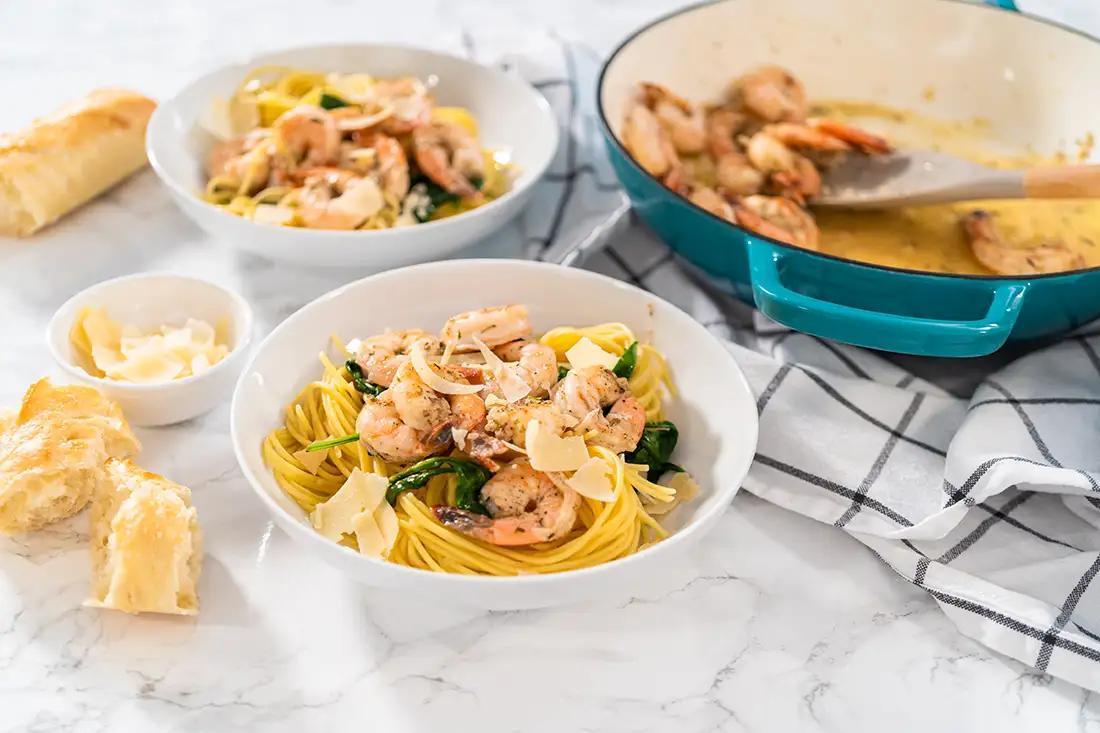
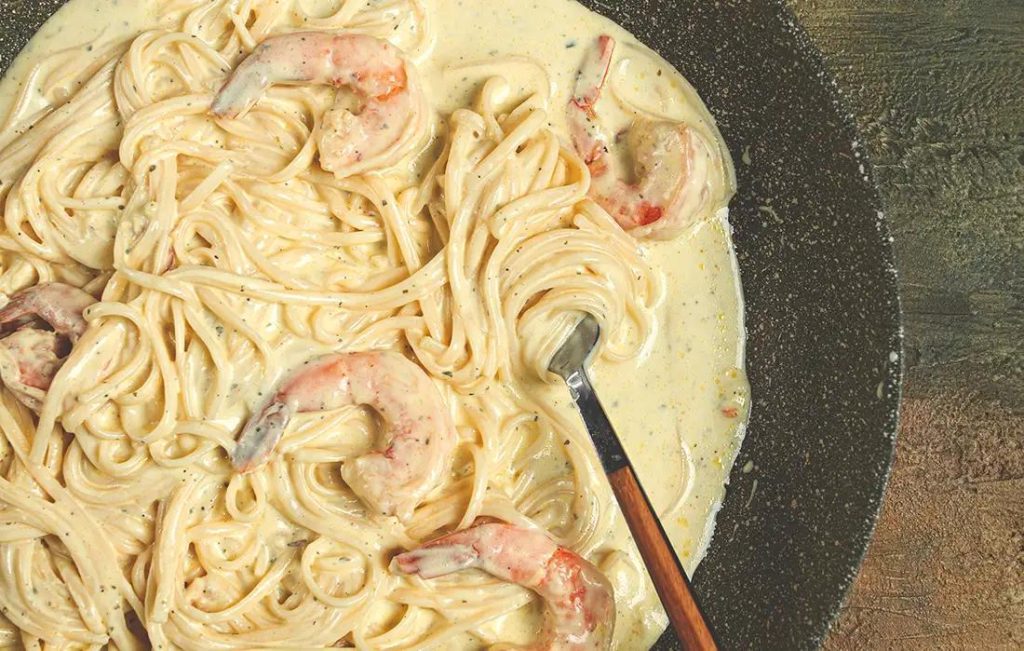
If you’re a fan of Olive Garden’s famous Shrimp Carbonara, this copycat recipe will transport you straight to the restaurant without ever leaving your home. This creamy, indulgent pasta dish combines the richness of carbonara with the deliciousness of shrimp and chicken, creating a perfect balance of flavor and texture. Whether you’re hosting a dinner party or simply craving a comforting meal, this recipe for how to make Olive Garden’s Shrimp Carbonara will become your go-to.
How to Make Olive Garden Shrimp Carbonara

Let’s break down the step-by-step guide to recreating this beloved Italian classic at home!
Ingredients
Before we dive into the cooking process, let’s make sure you have all the ingredients needed for this Homemade Olive Garden’s Shrimp Carbonara Recipe:
For the Carbonara Sauce:
- 4 egg yolks – the base for your carbonara sauce
- 1 cup heavy cream – to create the rich, creamy consistency
- ½ cup grated Parmesan cheese – adds depth to the sauce
- 1 cup grated Romano cheese – gives extra flavor and a sharper bite
- 1 tbsp olive oil – for sautéing
- 1 garlic clove, minced – enhances the aroma
For the Shrimp and Chicken:
- 1 lb large shrimp (peeled and deveined) – the star protein
- 2 boneless, skinless chicken breasts – complements the shrimp for a satisfying meal
- ½ cup all-purpose flour – for dredging the chicken
- 1 tbsp olive oil – for frying the chicken
- Salt and black pepper – to taste
- ½ tsp paprika – adds a mild smokiness
- ¼ cup white wine (optional) – for deglazing the pan

For the Pasta:
- 12 oz fettuccine pasta – the perfect base for this creamy dish
Garnish:
- Fresh parsley, chopped
- Crumbled bacon – adds a crispy texture
- Lemon wedges – for a burst of brightness
Instructions
Follow these Homemade Olive Garden’s Shrimp Carbonara Recipe cooking instructions to recreate the magic at home:
Step 1: Cook the Pasta
- Bring a large pot of salted water to a boil. Add the fettuccine and cook according to the package instructions until al dente. Drain the pasta and set it aside.
Step 2: Prepare the Chicken
- Season the chicken breasts with salt, pepper, and paprika. Dredge the chicken in the all-purpose flour, shaking off any excess.
- Heat olive oil in a large skillet over medium-high heat. Add the chicken breasts and cook for about 6-7 minutes on each side until golden brown and fully cooked. Remove the chicken from the pan, let it rest for a few minutes, then slice into thin strips.
Step 3: Cook the Shrimp
- In the same skillet, add a bit more olive oil if needed. Add the shrimp and cook for 2-3 minutes per side until pink and opaque. Remove the shrimp and set aside.
Step 4: Make the Carbonara Sauce
- Reduce the heat to low and add the minced garlic to the skillet. Cook for about 1 minute until fragrant.
- Add the white wine (if using) to deglaze the pan, scraping up any browned bits. Let it reduce for 1-2 minutes.
- In a medium bowl, whisk together the egg yolks, heavy cream, Parmesan, and Romano cheeses until smooth. Pour the mixture into the skillet and stir constantly over low heat until the sauce begins to thicken.
Step 5: Combine Everything
- Return the pasta to the skillet, tossing it gently to coat with the carbonara sauce. Add the cooked shrimp and chicken strips to the skillet and toss everything together.
Step 6: Garnish and Serve
- Plate your delicious Olive Garden chicken and shrimp carbonara. Top with crumbled bacon, fresh parsley, and a squeeze of lemon for added freshness.

Tips for Perfect Shrimp Carbonara
Making a restaurant-quality carbonara at home can be intimidating, but these tips will ensure you get the best results every time:
- Don’t overcook the shrimp: Shrimp cook very quickly, so keep a close eye on them. Overcooked shrimp become rubbery, which can detract from the dish’s overall texture.
- Cook pasta al dente: Be sure to cook the fettuccine until it’s just al dente, as it will continue to cook slightly when tossed with the hot sauce.
- Temper the egg yolks: When making the sauce, keep the heat low to avoid scrambling the egg yolks. Stir constantly to create a smooth, velvety sauce.
- Bacon alternatives: If you’re not a fan of bacon, pancetta is a great substitute for a slightly more authentic Italian flavor.
- Wine substitution: If you prefer to skip the wine, you can substitute chicken broth or simply omit it without sacrificing too much flavor.
- If you love Olive Garden dish but want to create it at home, then you can try this
Grilled Chicken Margherita this is a copycat version of Olive Garden.
What to Serve with Shrimp Carbonara
Carbonara is a rich dish, so pairing it with complementary sides, desserts, and drinks will create a balanced meal.
Side Dishes:
- Garlic Bread: Crisp, buttery garlic bread is a classic pairing with any pasta dish.
- Caesar Salad: A fresh Caesar salad with crispy croutons and Parmesan shavings is the perfect light side to accompany your carbonara.
- Roasted Vegetables: A mix of roasted vegetables like asparagus, broccoli, or bell peppers can add texture and balance out the richness of the dish.
Desserts:
- Tiramisu: A traditional Italian dessert like tiramisu offers a sweet and creamy finish to your meal.
- Lemon Sorbet: If you prefer something lighter, a refreshing lemon sorbet will cleanse your palate after the rich pasta dish.
Drinks:
- White Wine: A crisp, chilled white wine like Pinot Grigio pairs beautifully with shrimp and creamy pasta dishes.
- Sparkling Water: For a non-alcoholic option, sparkling water with a slice of lemon or lime can refresh your palate between bites.
Recipe Variations
You can customize this recipe to suit your taste or dietary preferences. Here are some popular variations:
- Chicken Only: If you prefer chicken over shrimp, simply double the amount of chicken and skip the shrimp.
- Vegetarian Carbonara: Swap out the proteins for sautéed mushrooms, zucchini, or spinach for a vegetarian twist.
- Spicy Carbonara: Add a pinch of red pepper flakes to the sauce for a bit of heat.
- Gluten-Free: Use gluten-free pasta to make this dish suitable for those with gluten sensitivities.
Recipe Tested & Notes
I tested this Olive Garden Shrimp Carbonara copycat several times to get the balance of creamy sauce, tender shrimp, crispy bacon, Parmesan, and pasta just right. The goal was to create a restaurant-style pasta that feels rich and indulgent without becoming overly heavy or greasy.
The biggest lesson from testing was to cook the shrimp separately and add it back near the end. Shrimp cooks quickly, and leaving it in the pan while preparing the sauce can make it rubbery. A quick sear gave the shrimp better color and flavor while keeping the center tender.
I also found that bacon needs to be cooked until crisp enough to provide texture but not so dark that it becomes bitter. Saving some of the rendered bacon fat for the sauce added a lot of flavor.
The pasta water was another important detail. A little starchy pasta water helped loosen the sauce and allowed the Parmesan to blend more smoothly with the cream. Adding too much at once, however, made the sauce thinner than I wanted.
When testing the sauce, I found that gentle heat worked much better than high heat. Cream and Parmesan can become thick or grainy when aggressively boiled. Keeping the heat low and adding the cheese gradually produced a smoother sauce.
Freshly grated Parmesan also performed better than pre-shredded cheese. It melted more evenly and gave the sauce a stronger Parmesan flavor.
I prefer tossing the pasta with the sauce before adding the shrimp and bacon back into the pan. This coats every strand of pasta while keeping the shrimp and bacon from becoming lost in the sauce.
The finished dish is best served immediately. The sauce naturally thickens as it sits, so a splash of reserved pasta water can be used to loosen it just before serving.
Mistakes I Made
Overcooking the shrimp
Leaving shrimp in the pan too long made it firm and rubbery. A quick sear followed by gentle reheating worked much better.
Boiling the cream sauce
High heat caused the sauce to become thicker than desired and affected its smooth texture.
Adding Parmesan too quickly
Dumping all the cheese into the sauce at once made it harder to incorporate smoothly.
Using pre-shredded Parmesan
Pre-shredded cheese did not melt as smoothly as freshly grated Parmesan.
Not reserving pasta water
Without pasta water, the sauce was sometimes too thick. A little starchy water made it easier to control the consistency.
Overcooking the bacon
Very dark bacon made the sauce taste slightly bitter. Crisp and golden bacon gave better flavor.
Adding too much salt
Bacon, Parmesan, and seasoned ingredients already provide plenty of salt. Adding too much additional salt made the first batches overly salty.
Using too much sauce
Too much cream sauce can overwhelm the shrimp and bacon. I preferred enough sauce to coat the pasta generously without leaving a large pool in the bowl.
Letting the finished pasta sit too long
The sauce thickened considerably as it cooled. Serving it immediately gave the best restaurant-style consistency.
Cooking everything in one step
Trying to cook the shrimp, bacon, sauce, and pasta simultaneously made it harder to control the individual textures. Cooking the components strategically produced a much better result.
Personal Cooking Tips Learned From Testing
These are the tips that made the biggest difference:
- Use medium to large shrimp so they remain juicy after cooking.
- Peel and devein the shrimp before cooking.
- Pat shrimp dry so they sear instead of steam.
- Cook bacon until crisp but not burnt.
- Save a small amount of bacon fat for extra flavor.
- Cook pasta just until al dente.
- Reserve pasta water before draining the pasta.
- Freshly grate Parmesan whenever possible.
- Keep the cream sauce over gentle heat.
- Add Parmesan gradually while stirring.
- Do not allow the sauce to boil aggressively.
- Add pasta directly to the sauce so it absorbs the flavor.
- Use reserved pasta water to adjust the consistency.
- Add shrimp near the end so it does not overcook.
- Add crispy bacon close to serving time to preserve some texture.
- Taste before adding extra salt.
- Serve immediately while the sauce is silky and warm.
- Garnish with extra Parmesan and parsley for a fresh finish.
My Best Sauce Tip
The sauce may look slightly thinner than you want while it is still in the pan. That is okay. It will continue to thicken as it cools and coats the pasta. If you reduce it too aggressively, the finished carbonara can become heavy and pasty.
Storage Notes Based on Actual Testing
Creamy shrimp pasta is best freshly made, but leftovers can still be enjoyed when stored and reheated carefully.
Refrigerator Storage
Allow leftovers to cool appropriately and transfer them to an airtight container.
Refrigerate promptly.
For the best quality, consume the leftovers within a few days.
If possible, keep extra Parmesan and fresh garnishes separate.
Reheating on the Stovetop
The stovetop is my preferred method for reheating creamy pasta.
Place the pasta in a skillet over low heat.
Add a small splash of milk, cream, broth, or reserved pasta water to loosen the sauce.
Warm gently while stirring until the pasta is heated through.
Avoid high heat because it can cause the cream sauce to separate and make the shrimp tough.
Microwave Reheating
For a quick individual serving, microwave reheating works.
Place the pasta in a microwave-safe bowl and add a small splash of liquid.
Cover loosely and heat in short intervals, stirring between intervals.
This helps distribute the heat more evenly and reduces the chance of overheating the shrimp.
Freezing
I do not recommend freezing this dish if you are looking for the same creamy texture as freshly prepared Olive Garden-style carbonara.
Cream-based sauces can separate after freezing and thawing, while shrimp can become firmer.
If freezing is necessary, portion the pasta into airtight freezer-safe containers and thaw it gradually in the refrigerator before reheating gently.
Storage Tip
If you know you will have leftovers, slightly undercook the pasta and keep extra sauce available for reheating. This can help prevent the leftovers from becoming excessively dry.
Equipment Used
These tools make this Olive Garden Shrimp Carbonara copycat easier to prepare:
- Large pot for cooking pasta
- Large skillet
- Small skillet, optional
- Colander
- Tongs
- Wooden spoon
- Silicone spatula
- Chef’s knife
- Cutting board
- Fine grater
- Measuring cups
- Measuring spoons
- Pasta serving spoon
- Mixing bowl
- Instant-read thermometer, optional
- Airtight storage containers
Equipment Tip
A large skillet is especially useful because it gives you enough room to toss the pasta with the cream sauce without making a mess. A skillet that is too small can make the sauce and pasta difficult to combine evenly.
Frequently Asked Questions (FAQs)
Can I use pre-cooked shrimp for this recipe?
While fresh shrimp is preferred for the best flavor and texture, you can use pre-cooked shrimp. Just make sure to heat them through without overcooking.
How can I prevent the eggs from scrambling in the sauce?
To avoid scrambling, keep the heat low and stir constantly. Tempering the eggs by adding a little warm sauce to them before mixing them into the skillet can also help.
Can I make this recipe ahead of time?
Carbonara is best served fresh, but you can cook the chicken and shrimp in advance and reheat them when assembling the dish.
Can I substitute bacon for pancetta?
Yes, pancetta is a traditional Italian alternative to bacon and works beautifully in this dish.
Ingredient Substitutes
If you’re missing an ingredient or need to accommodate dietary restrictions, here are some substitute ideas:
- Heavy cream: You can use half-and-half or even whole milk to lighten up the sauce, though the sauce may be less creamy.
- Egg yolks: If you prefer a lighter version, you can reduce the number of egg yolks or substitute them with a low-fat cream alternative.
- Gluten-Free Flour: For those avoiding gluten, use gluten-free flour for dredging the chicken, and pair with gluten-free pasta.
8. Nutrition Information
Per serving (based on 4 servings):
- Calories: 980
- Protein: 45g
- Fat: 60g
- Carbohydrates: 62g
- Cholesterol: 300mg
- Sodium: 1200mg
This recipe is undeniably indulgent but worth every bite. Copycat Olive Garden Chicken and Shrimp Carbonara will become a regular on your meal rotation, delivering both comfort and a touch of restaurant-style flair to your home-cooked dinners.
With these detailed instructions and tips, you now know How to make Olive Garden Shrimp Carbonara Recipe just like the pros! Happy cooking!