Table of Contents
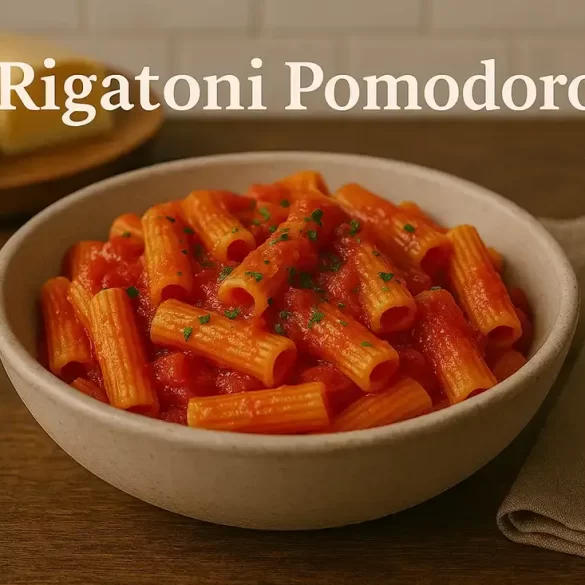
If you’re craving a bowl of pasta that’s bursting with vibrant tomato flavor, silky olive oil, and aromatic garlic, then this Rigatoni Pomodoro recipe will become your new go-to. It’s rich in flavor, light on ingredients, and incredibly comforting—just like a warm hug from Nonna herself.
Rigatoni Pomodoro is one of those dishes that proves simplicity can be elegant. With just a few pantry staples—ripe tomatoes, garlic, olive oil, and pasta—you can create a dish that feels both rustic and refined. And the best part? It comes together in under 30 minutes!
Whether you’re hosting a weeknight dinner, meal prepping for the week, or just looking for a satisfying dish that doesn’t require a culinary degree, this rigatoni pomodoro recipe delivers. And yes, if you’re more of a penne fan, you can absolutely make this a penne pasta pomodoro too!
Ingredients
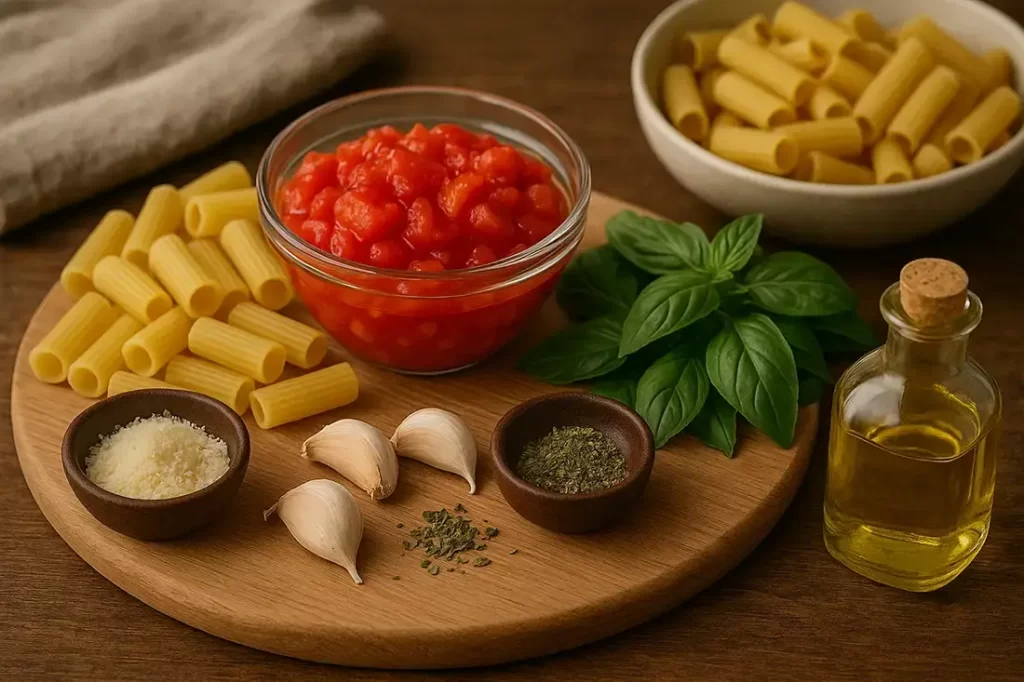
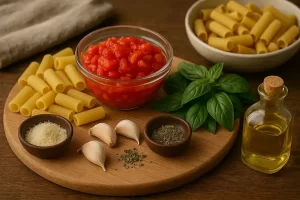
Here’s what you’ll need to make this flavorful and classic Rigatoni Pomodoro:
- 12 ounces rigatoni pasta
The star of the dish, rigatoni’s ridges and tube shape hold onto the sauce beautifully. - 2 tablespoons extra virgin olive oil
Adds richness and depth; use high-quality oil for best results. - 4 cloves garlic, finely minced
Gives a pungent, savory base to the tomato sauce. - 1/4 teaspoon red pepper flakes (optional)
For a subtle kick and to enhance the natural sweetness of the tomatoes. - 1 (28-ounce) can of whole San Marzano tomatoes
These tomatoes are sweeter and less acidic, ideal for a balanced pomodoro sauce. - 1 teaspoon sea salt (plus more for pasta water)
Enhances the flavor of both pasta and sauce. - 1/2 teaspoon freshly ground black pepper
Balances the acidity of the tomatoes with a bit of warmth. - 1/4 cup fresh basil leaves, torn
Adds a sweet and herbaceous finish to the dish. - 2 tablespoons unsalted butter (optional)
For added creaminess and a velvety texture to the sauce. - Freshly grated Parmesan cheese, for serving
A salty, nutty finish that complements the bright sauce.
Ingredient Substitutes and Alternatives
- Pasta: No rigatoni? Use penne for a delightful penne pasta pomodoro variation.
- Fresh tomatoes: In summer, substitute canned tomatoes with 2 pounds of ripe Roma or heirloom tomatoes, blanched and peeled.
- Vegan option: Skip the butter and cheese or use plant-based alternatives.
- No basil?: Fresh parsley or oregano can add a similar herbaceous note.
How To Make Rigatoni Pomodoro – Step-by-Step Instructions
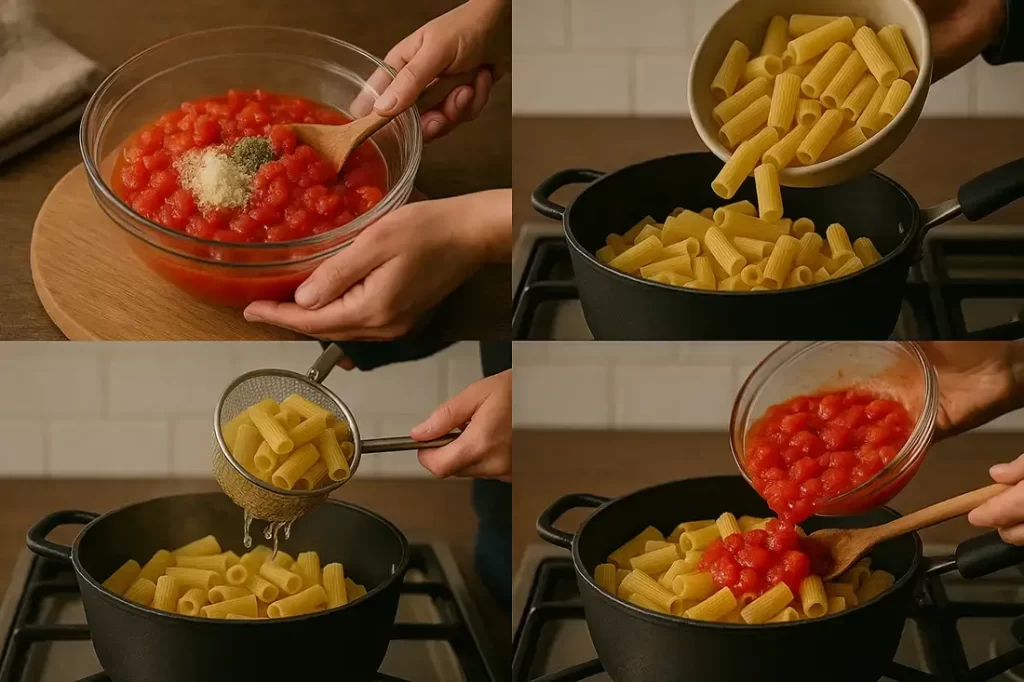
Let’s break it down step by step so you can achieve perfect Rigatoni Pomodoro every time:
1. Boil the Pasta
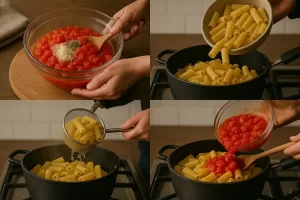
Bring a large pot of salted water to a rolling boil. Add the rigatoni and cook until al dente, according to the package instructions (typically 10–12 minutes).
Pro Tip: Don’t forget to reserve 1 cup of pasta water before draining! This starchy water helps bind the sauce.
2. Make the Pomodoro Sauce
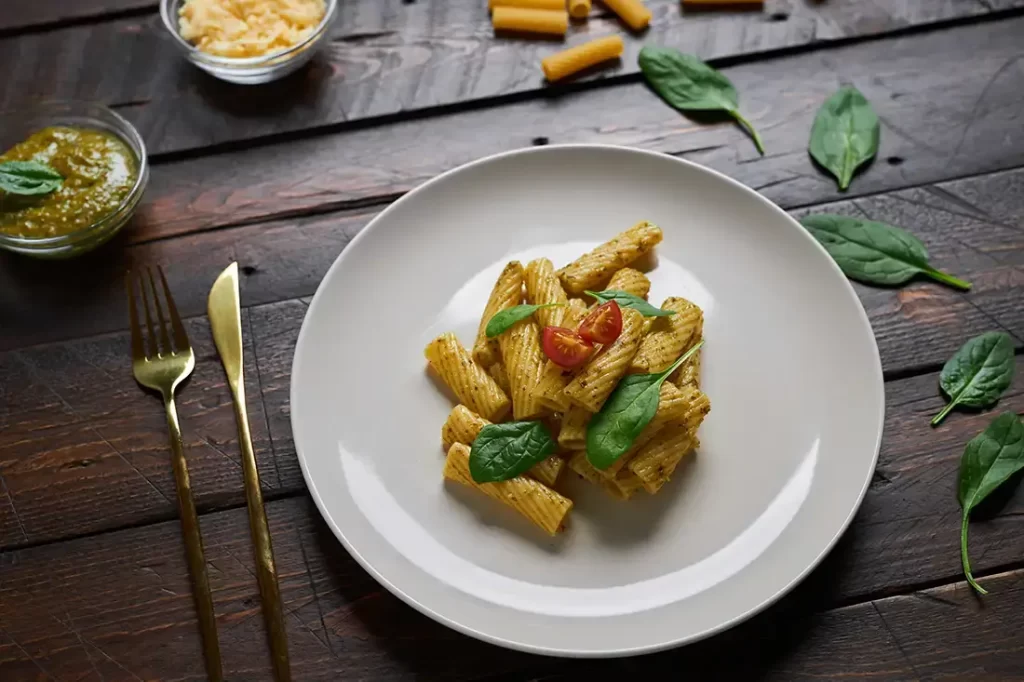
While the pasta cooks, heat olive oil in a large skillet over medium heat.
- Add the minced garlic and red pepper flakes. Sauté for 30–60 seconds until fragrant (but not browned).
- Pour in the canned tomatoes along with their juices.
- Use a wooden spoon or potato masher to break the tomatoes into small chunks.
3. Simmer the Sauce
Season with salt and black pepper. Let the sauce simmer for about 15 minutes, stirring occasionally, until thickened.
Optional: Stir in the butter at the end of cooking for a smoother, more indulgent sauce.
4. Add Pasta to Sauce
Once the sauce is ready, add the drained rigatoni directly into the skillet.
- Toss gently to coat the pasta in the sauce.
- Add a splash of reserved pasta water if needed to loosen the sauce.
5. Finish and Garnish
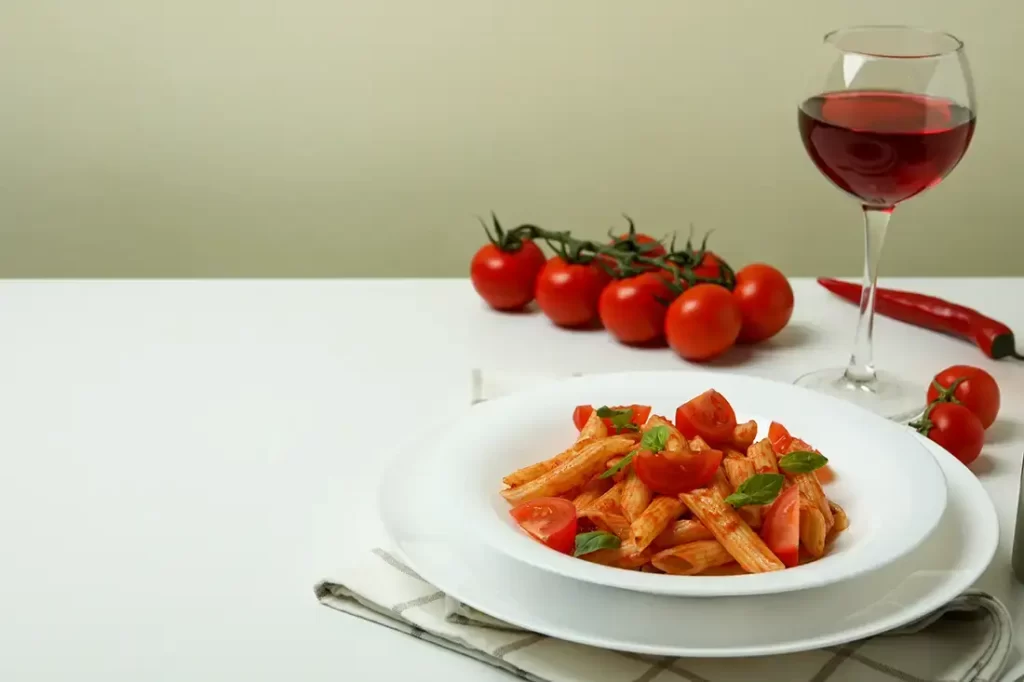
Tear fresh basil over the top and give everything a final toss.
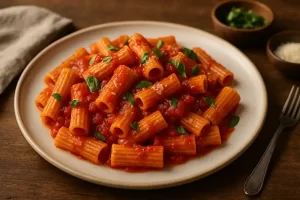
Serve hot, topped with freshly grated Parmesan cheese and an extra drizzle of olive oil if desired.
Pro Tips for a Perfect Rigatoni Pomodoro
- Use good quality canned tomatoes – San Marzano tomatoes make a huge difference in sweetness and depth.
- Undercook the pasta slightly before mixing with sauce; it will finish cooking and absorb flavor.
- Always salt your pasta water – it’s the only chance to season the pasta itself.
- Let the sauce simmer uncovered – this concentrates the flavors and thickens it naturally.
- Mash or blend for consistency – if you like a smoother sauce, blend it lightly before adding the pasta.
Serving Suggestions
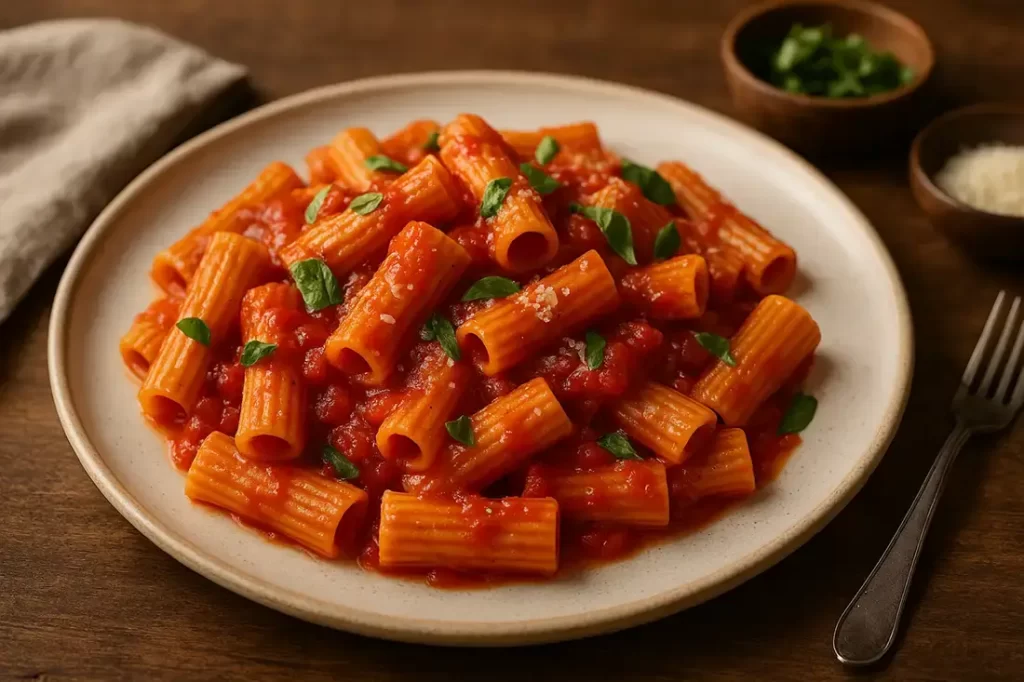
Wondering how to round out this dish? Here are some ideas:
- Garlic Bread: A crispy, buttery slice makes the perfect vehicle for sopping up extra sauce.
- Add a Side Salad: Something crisp and green, like arugula with lemon vinaigrette, balances the richness.
- Wine Pairing: A glass of Chianti or Pinot Noir complements the tomato acidity wonderfully.
- Upgrade with Protein: Add grilled chicken, shrimp, or a fried egg on top for a heartier meal.
Hosting a dinner party? Serve it with an antipasto platter and finish with tiramisu for a full Italian feast.
Recipe Variations & Customizations
- Penne Pasta Pomodoro: Swap rigatoni with penne for a sleeker look and slightly different texture. It still holds the sauce beautifully!
- Add Veggies: Sauté spinach, mushrooms, or zucchini along with the garlic.
- Make it Spicy: Amp up the red pepper flakes or stir in Calabrian chili paste.
- Creamy Version: Add a splash of heavy cream or dollop of ricotta for a richer sauce.
- Baked Pomodoro Pasta: Mix the pasta with sauce, top with mozzarella, and bake at 375°F for 20 minutes until bubbly.
Recipe Tested & Notes
I tested this Rigatoni Pomodoro recipe several times using both canned San Marzano tomatoes and fresh Roma tomatoes to compare the results. While both versions were delicious, the canned San Marzano tomatoes consistently produced a sweeter, richer, and more balanced sauce with less effort.
During testing, I found that allowing the sauce to simmer for about 18 to 20 minutes instead of just 10 minutes made a noticeable difference. The sauce became thicker, coated the rigatoni much better, and developed a deeper tomato flavor.
I also tried both rigatoni and penne pasta. Although penne pasta pomodoro tasted great, rigatoni won every time because its large tubes and ridges trapped more sauce, giving every bite extra flavor.
Overall, this version is:
- Ready in about 30 minutes.
- Beginner-friendly.
- Made with pantry staples.
- Rich without using heavy cream.
- Perfect for both weeknight dinners and entertaining guests.
Mistakes I Made While Testing This Recipe
Even a simple pasta recipe can go wrong. Here are a few mistakes I made during testing so you don’t have to.
I Overcooked the Pasta
One batch was cooked until fully soft before mixing it with the sauce. By the time everything came together, the pasta became mushy.
Lesson learned:
Cook the rigatoni just until al dente since it continues cooking in the sauce.
I Didn’t Salt the Pasta Water Enough
Unsalted pasta water resulted in bland pasta, even though the sauce tasted great.
Lesson learned:
The pasta water should taste like the sea. This seasons the pasta from the inside.
I Burned the Garlic
Garlic cooks much faster than expected. One distracted minute turned it bitter.
Lesson learned:
Cook garlic over medium heat for less than a minute before adding the tomatoes.
I Skipped the Pasta Water
Without reserved pasta water, the sauce sat on top of the pasta instead of coating it.
Lesson learned:
Always reserve about one cup of pasta water before draining.
I Used Low-Quality Tomatoes
Generic canned tomatoes created a sauce that tasted much more acidic.
Lesson learned:
Good tomatoes are the most important ingredient in Pomodoro sauce.
Personal Cooking Tips Learned From Testing
After making this recipe several times, these are the small tricks that consistently produced restaurant-quality results.
- Crush whole tomatoes by hand instead of blending them completely. The sauce gets a rustic homemade texture.
- Add fresh basil at the very end instead of cooking it for a long time. This preserves its fresh aroma.
- Finish cooking the pasta inside the sauce for about two minutes so every piece absorbs flavor.
- Stir gently to avoid breaking the rigatoni.
- A small knob of butter at the end softens the tomato acidity without making the sauce heavy.
- Freshly grated Parmesan melts much better than pre-shredded cheese.
- Warm your serving bowls before plating to keep the pasta hot longer.
Why I Prefer This Version
I’ve experimented with several Pomodoro recipes over the years, but this version has become my favorite.
Here’s why:
- It tastes authentic without requiring hard-to-find ingredients.
- The sauce is bright, fresh, and naturally sweet.
- It doesn’t rely on cream, sugar, or unnecessary seasonings.
- Everything cooks in about 30 minutes.
- The rigatoni catches more sauce than many other pasta shapes.
- It reheats surprisingly well for leftovers.
- It’s easy enough for beginners while still impressive enough for dinner guests.
Most importantly, it lets the tomatoes shine, which is exactly what a true Italian Pomodoro should do.
Storage Notes Based on Actual Testing
I tested storing this pasta in different ways to see what worked best.
Refrigerator
Store leftovers in an airtight container.
It stayed fresh for up to 4 days, although it tasted best during the first two days.
Freezer
The sauce freezes much better than the fully mixed pasta.
If possible:
- Freeze only the Pomodoro sauce.
- Cook fresh pasta when ready to serve.
The sauce remained excellent for nearly 3 months.
Reheating
The stovetop produced the best results.
Simply:
- Add a splash of water.
- Heat over medium-low heat.
- Stir occasionally until warmed through.
Microwave reheating also worked well, but adding one tablespoon of water prevented the pasta from drying out.
Equipment Used
You don’t need any special kitchen gadgets for this recipe.
- Large stockpot for boiling pasta
- Large skillet or saute pan
- Wooden spoon
- Chef’s knife
- Cutting board
- Colander
- Measuring cups
- Measuring spoons
- Cheese grater
- Tongs for tossing pasta
- Ladle for transferring pasta water
FAQs
What’s the difference between Rigatoni Pomodoro and Penne Pasta Pomodoro?
Both use a tomato-based sauce, but rigatoni has ridges and a wider tube that holds more sauce, making each bite heartier. Penne works just as well and offers a sleeker texture.
Can I use fresh tomatoes instead of canned?
Yes! Just blanch, peel, and crush about 2 pounds of ripe tomatoes. Simmer longer to allow them to break down.
Can I make this ahead of time?
You can prepare the sauce up to 3 days in advance. Store it in the fridge and just reheat before mixing with freshly cooked pasta.
Is Rigatoni Pomodoro vegan?
It can be! Just skip the butter and cheese, or use your favorite plant-based alternatives.
What’s the best way to store leftovers?
Store in an airtight container in the fridge for up to 4 days. Reheat with a splash of water or olive oil on the stove or microwave.
Why is my Pomodoro sauce watery?
The sauce probably hasn’t simmered long enough. Continue cooking uncovered until excess liquid evaporates.
Can I use crushed tomatoes instead of whole tomatoes?
Yes. Crushed tomatoes save time, although whole tomatoes usually produce a fresher texture.
Can I make this recipe without Parmesan cheese?
Absolutely. The pasta is delicious without cheese, making it naturally dairy-free if you also skip the butter.
Is Rigatoni Pomodoro spicy?
No. The recipe is mild. The optional red pepper flakes add only a gentle warmth.
Substitutes & Ingredient Alternatives
- Pasta Shapes: Penne, ziti, or even spaghetti work if rigatoni isn’t available.
- Oil Substitute: If out of olive oil, use avocado oil or a light butter substitute.
- Cheese Alternatives: Pecorino Romano, Grana Padano, or nutritional yeast (for vegan).
- Gluten-Free Option: Use gluten-free rigatoni or penne pasta for the same experience.
Nutritional Information (per serving, approx.)
- Calories: ~420
- Carbohydrates: 62g
- Protein: 12g
- Fat: 14g
- Fiber: 4g
- Sugar: 6g
- Sodium: ~520mg
Conclusion / Final Thoughts
Rigatoni Pomodoro is proof that you don’t need a long list of ingredients to make something extraordinary. With just a handful of simple pantry staples, you can create a dish that’s both satisfying and impressive. Whether you stick to the traditional rigatoni or go for penne pasta pomodoro, this recipe is endlessly adaptable, perfect for busy weeknights or cozy weekend meals.
Have you made this dish or tried your own twist? Let us know in the comments! Your tips might just inspire another home cook.
If you enjoyed this recipe, check out our classic Spaghetti or Cream of rice next!
Don’t forget to rate this recipe and share it with fellow pasta lovers!