Table of Contents
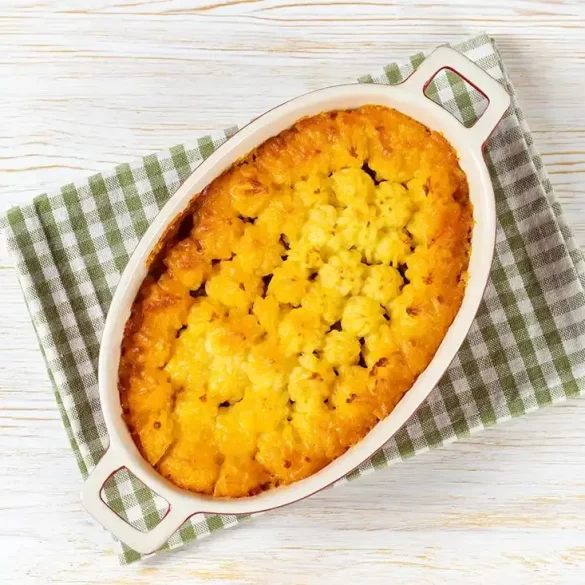
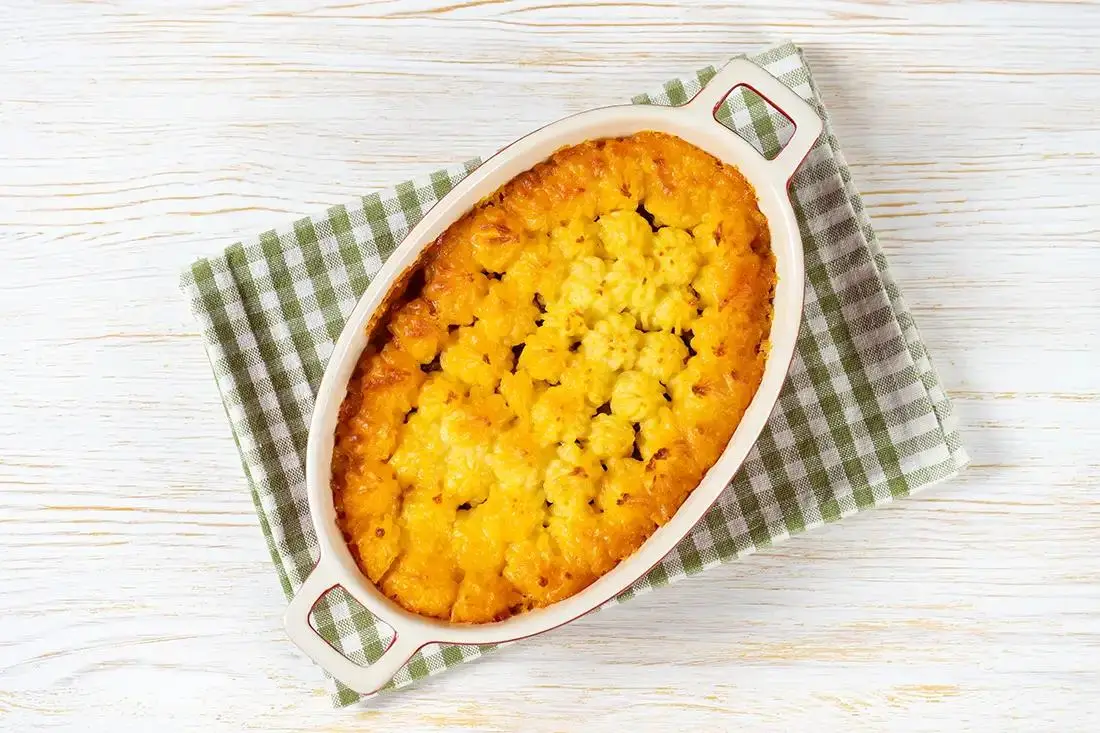
Looking for a dish that combines both savory and sweet elements into one irresistible casserole? The Pineapple Cheese Casserole is a unique, nostalgic recipe that combines juicy pineapple with sharp cheddar cheese, finished with a buttery, crispy topping. This Southern classic is often served as a holiday side, though it’s perfect any time you crave comfort food with a twist. In this article, we’ll walk through each step of creating this pineapple and cheese casserole, plus tips, serving suggestions, and variations to make it your own.
How to Make Pineapple Cheese Casserole
1. Ingredients
To make this delicious Pineapple Cheese Casserole, you’ll need the following ingredients:
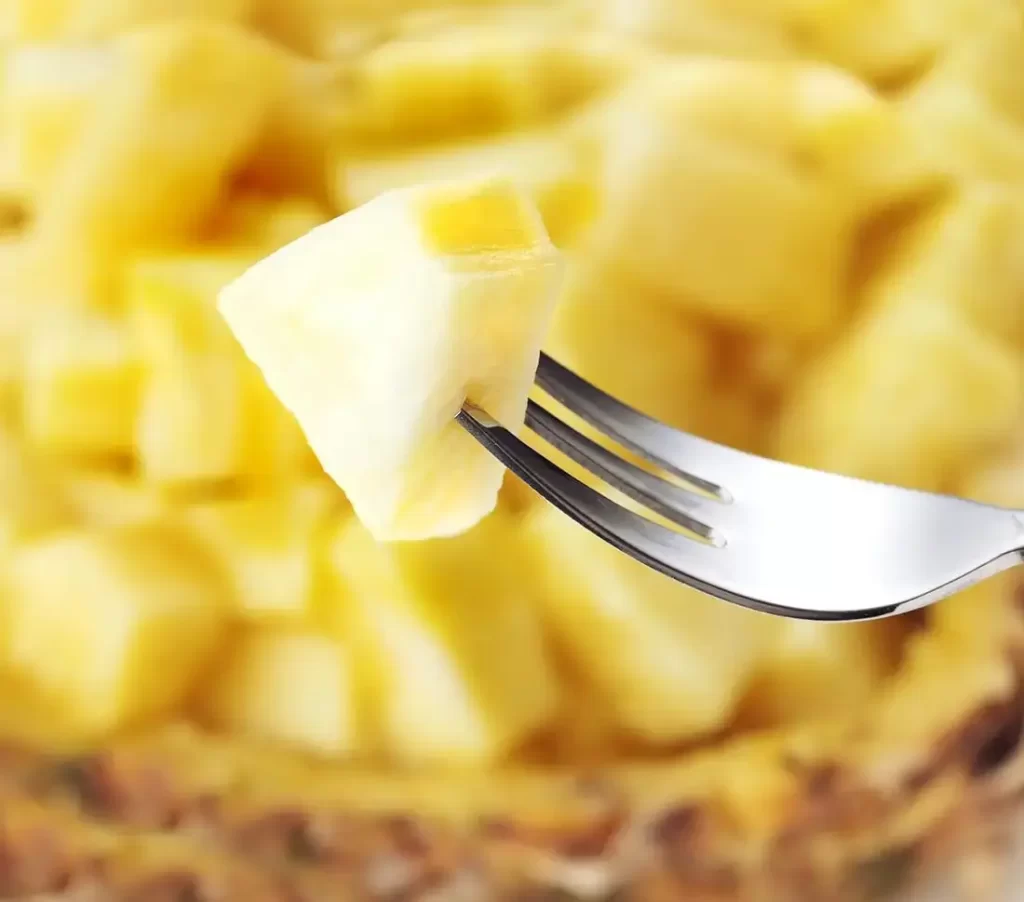
- Crushed Pineapple (two 20 oz cans, drained): Provides juicy sweetness and balances the saltiness of the cheese.
- Sharp Cheddar Cheese (2 cups, shredded): The tangy flavor of cheddar pairs perfectly with the pineapple.
- Granulated Sugar (¾ cup): Adds sweetness and caramelization in the casserole.
- All-Purpose Flour (3 tablespoons): Helps thicken the mixture, giving it a nice consistency.
- Butter (½ cup, melted): Adds richness and moisture.
- Ritz Crackers or Bread Crumbs (1 cup, crushed): For a crispy, buttery topping. You can use bread cubes for a pineapple bread casserole variation.
2. Instructions to make Pineapple Cheese Casserole
Here’s a step-by-step guide to making this classic pineapple and cheese casserole:
Step 1: Preheat the Oven
Preheat your oven to 350°F (175°C) and grease a medium-sized baking dish, ideally around 9×13 inches, to prevent sticking.
Step 2: Prepare the Pineapple Mixture
In a large mixing bowl, combine the drained crushed pineapple, shredded cheddar cheese, sugar, and flour. Stir until well-mixed, ensuring the flour and sugar coat the pineapple pieces.
Step 3: Pour into the Baking Dish
Pour the pineapple mixture into the prepared baking dish and spread it evenly.
Step 4: Create the Topping
In a separate bowl, combine the crushed Ritz crackers or bread crumbs with the melted butter, stirring until the topping is well-coated.
Step 5: Add the Topping
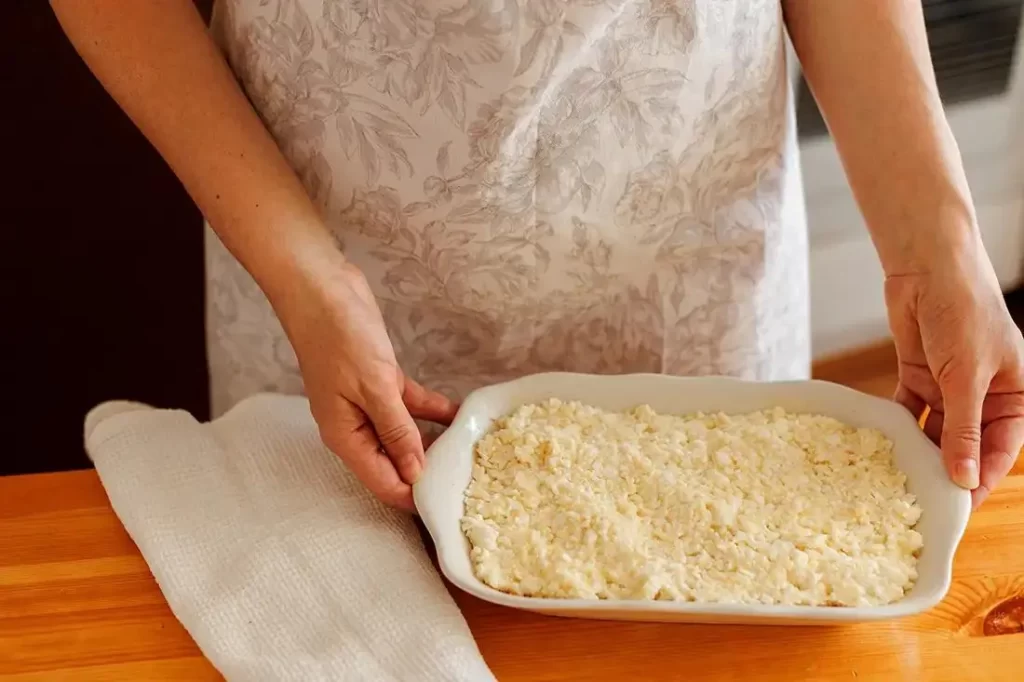
Sprinkle the buttery cracker mixture over the pineapple mixture to cover it evenly.
Step 6: Bake the Casserole
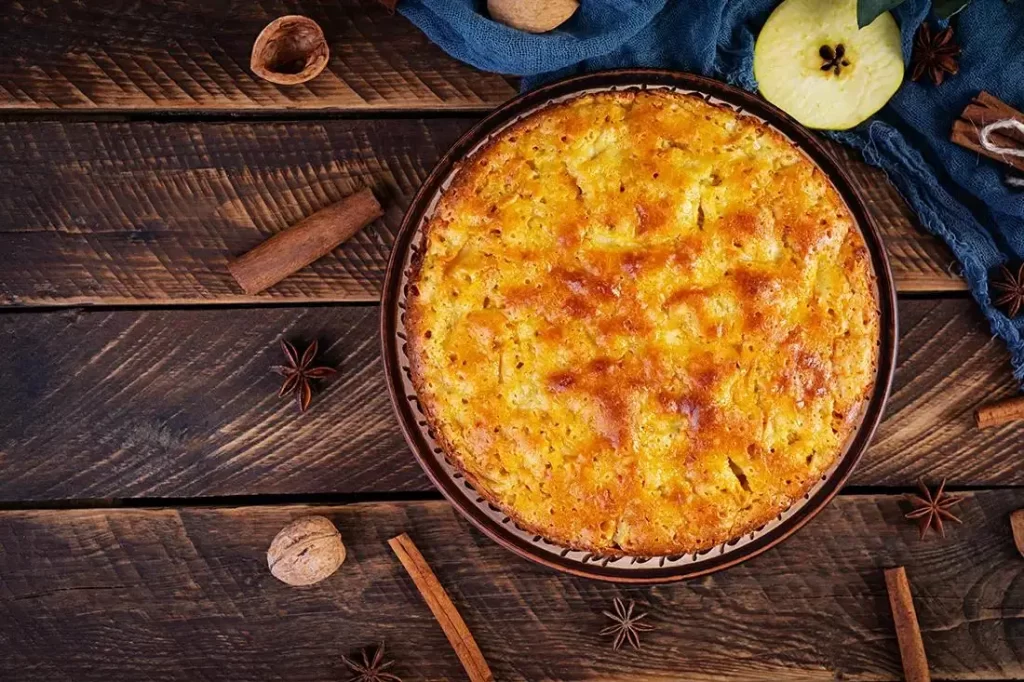
Bake for 25-30 minutes or until the top is golden brown and bubbly. Let the casserole cool slightly before serving.
3. Tips for Perfect Pineapple Cheese Casserole
- Drain the Pineapple Well: Excess juice can make the casserole watery. Press down on the pineapple to remove as much juice as possible before adding it to the mixture.
- Use Freshly Shredded Cheese: Pre-shredded cheese has added starch, which can affect the texture. Shred your own cheese for a smoother, meltier result.
- Experiment with the Topping: While Ritz crackers add a classic buttery crunch, you can use panko bread crumbs or even crushed cornflakes for an extra-crispy topping.
4. What to Serve With Pineapple Cheese Casserole
This pineapple and cheese casserole shines as a side dish but can be enhanced by complementary dishes and drinks.
- Main Dishes: Serve with baked ham, roast chicken, Pineapple Chicken or pork tenderloin for a satisfying main course.
- Side Dishes: Creamed spinach, mashed potatoes, or green bean casserole pair wonderfully.
- Desserts: A light fruit salad or lemon sorbet can balance out the richness.
- Drinks: A sparkling white wine, like Prosecco, complements the sweet and savory flavors. For non-alcoholic options, try pineapple juice mixed with soda water for a refreshing match.
5. Variations of Pineapple Cheese Casserole
Customize this recipe with these popular variations:
- Pineapple Bread Casserole: Replace crackers with cubed, day-old bread for a more filling casserole that resembles a savory bread pudding.
- Add Nuts: For extra texture and a hint of nuttiness, sprinkle chopped pecans or walnuts over the cracker topping before baking.
- Spicy Pineapple Casserole: Add a pinch of cayenne pepper or diced jalapeños for a touch of heat that pairs surprisingly well with the sweet pineapple.
Recipe Tested & Notes
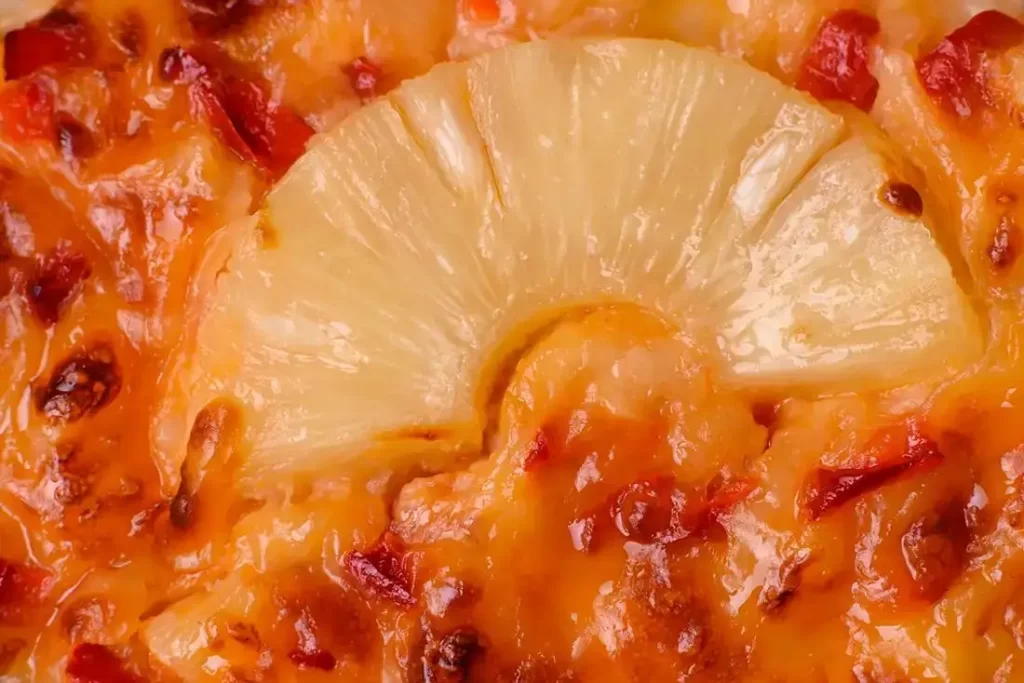
I tested this Pineapple Cheese Casserole several times to find the right balance between sweet pineapple, creamy cheese, buttery richness, and a crisp golden topping. It is an unusual combination at first glance, but the sweet-and-savory contrast is exactly what makes this casserole so memorable.
The biggest lesson from testing was to drain the pineapple very well. Extra pineapple juice can make the casserole watery and prevent the cheese mixture from setting properly. I recommend draining the pineapple in a fine-mesh strainer and gently pressing out excess liquid without crushing the fruit.
I also found that using a good melting cheese gives the casserole a much better texture. The cheese should melt into the creamy mixture rather than becoming greasy or stringy.
Another important detail is not to overbake the casserole. The goal is to heat everything through and create a lightly golden top. Baking it for too long can dry out the cheese mixture and make the pineapple less pleasant in texture.
The topping was another area where testing made a difference. A buttery cracker topping gives the casserole a crunchy contrast to the soft, creamy filling. I found that adding the topping evenly rather than piling it in the center produced the most consistent browning.
I prefer serving this casserole warm rather than piping hot. Allowing it to rest for a few minutes after baking helps the filling settle and makes it easier to scoop.
This recipe works particularly well as a holiday side dish, potluck casserole, or accompaniment to baked ham, roasted chicken, and other savory main dishes.
Mistakes I Made
Not draining the pineapple enough
This was the most noticeable mistake. Excess pineapple juice made the casserole softer and more watery than I wanted.
Using too much pineapple juice
Even a small amount of additional liquid can change the texture. I found it much better to drain the pineapple thoroughly before mixing.
Overbaking the casserole
Leaving it in the oven too long caused the cheese mixture to become dry around the edges.
Adding the topping too early
The cracker topping browned faster than the casserole underneath. Keeping an eye on the topping helped prevent over-browning.
Using too much cheese
More cheese does not necessarily make this casserole better. Too much can make it overly rich and greasy.
Not mixing the filling evenly
Uneven mixing left some bites very cheesy while others had mostly pineapple. Gently mixing everything together produced a better balance.
Cutting into it immediately
The casserole was easier to serve after resting for a few minutes. Cutting or scooping it immediately made the filling more likely to spread.
Using crushed crackers that were too fine
Very fine crumbs created more of a solid crust. I preferred a mixture of fine crumbs and small cracker pieces for better texture.
Forgetting the salt balance
The pineapple is naturally sweet, so a little salt helps bring out the savory side of the dish.
Personal Cooking Tips Learned From Testing
These tips gave me the best results:
- Drain canned pineapple thoroughly.
- Gently press out excess juice if necessary.
- Use cheese that melts smoothly.
- Grate cheese yourself when possible for a smoother melt.
- Keep the pineapple pieces reasonably uniform.
- Mix the filling gently rather than aggressively.
- Taste the cheese mixture before baking when appropriate.
- Do not overload the casserole with cheese.
- Spread the filling evenly in the baking dish.
- Add the cracker topping evenly across the surface.
- Use enough butter to coat the topping without making it greasy.
- Bake until the center is hot and the top is golden.
- Watch the casserole closely during the final minutes.
- Let it rest before serving.
- Serve warm for the best texture.
- If making it ahead, keep the topping separate until baking when possible.
- Use a shallow baking dish if you want more crispy topping in every serving.
Storage Notes Based on Actual Testing
Because Pineapple Cheese Casserole contains dairy and cooked ingredients, leftovers should be handled and stored properly.
Refrigerator Storage
Allow the casserole to cool appropriately after serving and transfer leftovers to an airtight container, or cover the baking dish tightly.
Keep it refrigerated.
For the best texture and flavor, enjoy leftovers within a few days.
The cracker topping will soften somewhat in the refrigerator, but reheating can restore some of its texture.
Reheating
For the best results, reheat individual portions in the oven or toaster oven rather than using only the microwave.
A moderate oven temperature can warm the casserole while helping the topping become crisp again.
If using a microwave, heat in short intervals. The cheese mixture may become very hot before the topping has a chance to crisp.
Freezing
I do not recommend freezing this casserole as the first choice.
The pineapple contains moisture, while the casserole contains dairy and a crunchy topping. Freezing and thawing can change the texture and make the filling watery while leaving the topping soft.
If you do freeze it, use a tightly sealed freezer-safe container and expect some texture changes after thawing.
Make-Ahead Storage
You can prepare much of the casserole ahead of time and refrigerate it before baking.
For the best topping, keep the cracker mixture separate and add it shortly before baking.
This prevents the crackers from absorbing moisture and becoming soft.
Storage Tip
If you know you will have leftovers, I recommend keeping the casserole and topping in separate components until baking whenever possible. The topping stays much crispier this way.
Equipment Used
You only need a few basic kitchen tools:
- 8-inch or 9-inch baking dish
- Mixing bowl
- Large spoon
- Rubber spatula
- Measuring cups
- Measuring spoons
- Fine-mesh strainer
- Cheese grater
- Small bowl for topping
- Pastry cutter or fork, optional
- Aluminum foil, optional
- Oven
- Serving spoon
6. FAQs
Can I use fresh pineapple instead of canned?
Yes, you can use fresh pineapple, but you’ll need to dice it finely and drain any excess juice. Canned pineapple is recommended for convenience and consistency in sweetness.
Is pineapple cheese casserole served hot or cold?
It’s traditionally served warm right from the oven. However, it can be enjoyed at room temperature, making it perfect for potlucks.
Can I make pineapple cheese casserole ahead of time?
Absolutely! Prepare the casserole up to the topping step, cover, and refrigerate overnight. Add the topping and bake just before serving.
Is this recipe suitable for gluten-free diets?
Yes, simply substitute the all-purpose flour with gluten-free flour and use gluten-free crackers for the topping.
7. Substitutes
Here are some simple ingredient swaps for the Pineapple Cheese Casserole:
- Cheddar Cheese: Swap cheddar with gouda or mozzarella for a milder, creamier flavor.
- Ritz Crackers: Try panko crumbs, crushed cornflakes, or gluten-free crackers as alternatives.
- Butter: Substitute with margarine or coconut oil for a dairy-free option.
8. Nutrition Information (per serving)
Please note that this is an estimate for a typical serving of Pineapple Cheese Casserole:
- Calories: 320
- Protein: 6g
- Fat: 18g
- Carbohydrates: 35g
- Fiber: 1g
- Sugar: 15g
- Sodium: 320mg
Conclusion
Pineapple Cheese Casserole is a delightful fusion of sweet and savory flavors that’s easy to make and guaranteed to impress. Perfect for holiday gatherings or weekday dinners, it’s a flexible recipe that can be adapted to suit many tastes. Whether you stick to the classic or try a new twist, this casserole is sure to become a family favorite.
Try it out for your next gathering, and enjoy the unique taste that this pineapple and cheese casserole brings to the table!