Table of Contents
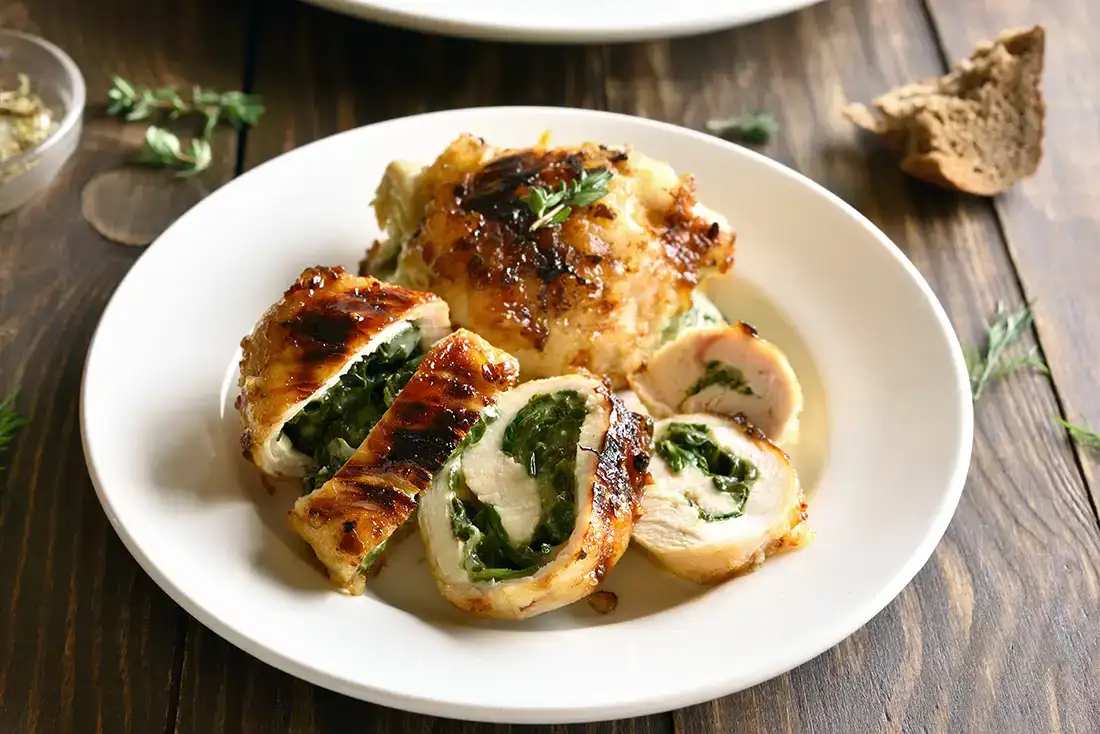
Chicken roulade is a gourmet dish that looks and tastes impressive, yet it’s surprisingly simple to make. Whether you’re hosting a dinner party or looking to elevate a family meal, this recipe offers tender, juicy chicken wrapped around flavorful fillings, ensuring every bite is packed with deliciousness. Here’s your ultimate guide to mastering the art of making chicken roulade.
What is Chicken Roulade?
Chicken roulade, or roulade of chicken, refers to a dish where chicken is flattened, filled with various ingredients, rolled up, and cooked to perfection. Originating from French cuisine, the word “roulade” means “to roll,” emphasizing the dish’s signature preparation method. Whether stuffed with vegetables, cheese, or cured meats, chicken roulade is versatile and sure to impress.

Ingredients
To make the perfect chicken roulade recipe, you’ll need the following ingredients:
For the Chicken:
- 4 boneless, skinless chicken breasts: The base of the roulade, tender and perfect for rolling.
- Salt and black pepper (to taste): Enhances the natural flavors of the chicken.
- 1 tsp garlic powder: Adds a subtle, aromatic kick to the seasoning.
- 1 tsp onion powder: Provides a mild, savory undertone.
- ½ tsp smoked paprika: Infuses a hint of smoky flavor and vibrant color.
For the Filling:
- 1 cup sautéed spinach: Adds a nutritious, earthy element to the filling.
- ½ cup cream cheese (softened): Creates a creamy, rich texture.
- 1 cup grated mozzarella cheese: Melts beautifully, binding the filling together.
- ½ cup sautéed mushrooms (finely chopped): Adds umami depth and a meaty texture.
- 2 tbsp sun-dried tomatoes (finely chopped): Provides a tangy, concentrated flavor burst.
- ¼ cup fresh parsley (chopped): Lends a fresh, herbal note to balance the richness.
- 4 slices of bacon (optional but recommended): Adds a smoky, crispy layer of indulgence.
For the Outer Coating:
- 2 cups breadcrumbs: Creates a crisp, golden crust when baked or fried.
- ½ cup grated Parmesan cheese: Adds a savory, nutty finish to the coating.
- 2 large eggs (beaten): Helps the coating stick to the chicken roulade.
- ½ cup all-purpose flour: Provides the base layer for the coating to adhere.
For the Sauce (Optional):
- 1 cup chicken stock: Forms the flavorful base of the sauce.
- ½ cup heavy cream: Adds richness and smoothness to the sauce.
- 2 tbsp unsalted butter: Enhances the sauce’s creamy consistency.
- 1 clove garlic (minced): Infuses the sauce with a robust, aromatic flavor.
- 1 tbsp Dijon mustard: Adds a tangy, slightly sharp complexity to the sauce.
Instructions to Make Chicken Roulade

Step 1: Prepare the Chicken
- Preheat your oven to 375°F (190°C).
- Place a chicken breast between two sheets of plastic wrap and pound it with a meat mallet until it is about ¼-inch thick. Repeat for all chicken breasts.
- Season the chicken with salt, black pepper, garlic powder, onion powder, and smoked paprika on both sides.
Step 2: Prepare the Filling
- In a medium bowl, combine sautéed spinach, cream cheese, mozzarella, mushrooms, sun-dried tomatoes, and parsley. Mix until well incorporated.
- If using bacon, cook the slices until slightly crispy and set them aside.
Step 3: Assemble the Roulade
- Lay the flattened chicken breast on a clean surface.
- Spread 2–3 tablespoons of the filling evenly over the chicken, leaving a small border around the edges.
- If using bacon, place a slice on top of the filling.
- Carefully roll the chicken tightly, starting from one end. Secure the seam with toothpicks or kitchen twine.
Step 4: Coat the Chicken
- Set up a breading station with three bowls: one for flour, one for beaten eggs, and one for the breadcrumb-Parmesan mixture.
- Dredge each roulade in flour, dip it in the egg, and coat it in the breadcrumb mixture, ensuring it’s fully covered.
Step 5: Cook the Roulade
- Heat 2 tablespoons of oil in a large skillet over medium-high heat. Sear the roulades until golden brown on all sides, about 2–3 minutes per side.
- Transfer the seared roulades to a baking dish. Bake in the preheated oven for 20–25 minutes, or until the internal temperature reaches 165°F (74°C).
Step 6: Make the Sauce (Optional)
- In a saucepan over medium heat, melt the butter and sauté the minced garlic until fragrant.
- Add chicken stock, heavy cream, and Dijon mustard. Simmer until the sauce thickens slightly.
- Season with salt and pepper to taste.
Step 7: Serve
- Remove the toothpicks or twine from the roulades. Slice them into medallions.
- Drizzle the sauce over the roulade slices and serve immediately.

Tips to make perfect chicken roulade
- Use a sharp knife to slice the roulades for a clean, restaurant-quality presentation.
- Secure tightly: Ensure the roulade is rolled tightly and secured with toothpicks or twine to prevent the filling from leaking out.
- Chill before coating: Place the roulades in the fridge for 15 minutes before breading to help them hold their shape better.
- Rest before slicing: Let the roulades rest for 5 minutes after baking to retain their juices.
- If you’re new to working with chicken breasts, check out this guide on How to Make Oven Baked Chicken Cutlets for tips on preparing juicy, flavorful chicken every time.
What to Serve With Chicken Roulade
Pairing the perfect side dishes, desserts, and drinks with your chicken roulade can elevate your meal into a gourmet experience. Here are some fantastic options:
Side Dishes:
- Garlic Mashed Potatoes: Creamy, buttery, and full of garlic flavor, these potatoes are the ultimate comfort food to pair with the rich and savory roulade.
- Roasted Vegetables: A medley of carrots, zucchini, and asparagus adds vibrant color and a healthy balance to your plate.
- Buttered Rice Pilaf: Lightly seasoned and aromatic, this fluffy rice dish complements the roulade’s flavorful filling.
- Parmesan Garlic Chicken Pasta Recipe: This creamy and indulgent pasta is the perfect side for chicken roulade, providing an extra layer of decadence to your meal.
- Spaghetti with Alfredo Sauce: A classic, comforting dish with a rich, velvety sauce that harmonizes beautifully with the roulade’s flavors.
Desserts:
- Tiramisu: This Italian dessert, with its creamy layers and coffee-soaked ladyfingers, is light enough to balance the savory roulade.
- Lemon Tart: Its tangy and refreshing flavor makes for an ideal palate cleanser after a rich meal.
- Heart Shaped Cake Recipe: A delightful and visually appealing dessert option, perfect for special occasions or romantic dinners.
Drinks:
- White Wine: Pair your roulade with a crisp Chardonnay or Sauvignon Blanc to bring out the dish’s savory and creamy notes.
- Sparkling Water with Lemon: A refreshing, non-alcoholic choice that keeps the meal light and crisp.
- Honey Sriracha Sauce Recipe: While not a drink, this sauce can be offered as an additional dipping option for your roulade, adding a spicy-sweet twist for adventurous diners.
Variations of Chicken Roulade Recipe
The beauty of chicken roulade lies in its versatility. You can customize the filling, preparation, and even cooking method to suit your taste preferences or dietary needs. Here are some creative and delicious variations of chicken roulade to inspire your culinary adventures:
1. Chicken Roulade with Mushrooms
- Enhance the earthy flavors by using a blend of wild mushrooms like shiitake, cremini, or porcini.
- Sauté the mushrooms with garlic, thyme, and a splash of white wine before adding them to the filling.
- For extra richness, mix the mushrooms with Gruyère cheese or ricotta.
2. Chicken Bacon Roulades
- Wrap the chicken roulade in crispy bacon strips before cooking for added smokiness and a crunchy texture.
- Incorporate crumbled cooked bacon into the filling along with cream cheese, cheddar, and chives.
- This variation works wonderfully when baked or pan-seared for a caramelized exterior.
3. Mediterranean Chicken Roulade
- Fill the roulade with sun-dried tomatoes, Kalamata olives, spinach, and crumbled feta cheese for a Mediterranean twist.
- Season the chicken with oregano, basil, and a touch of lemon zest to elevate the flavors.
- Serve with a side of tzatziki sauce or a Greek salad for a complete meal.
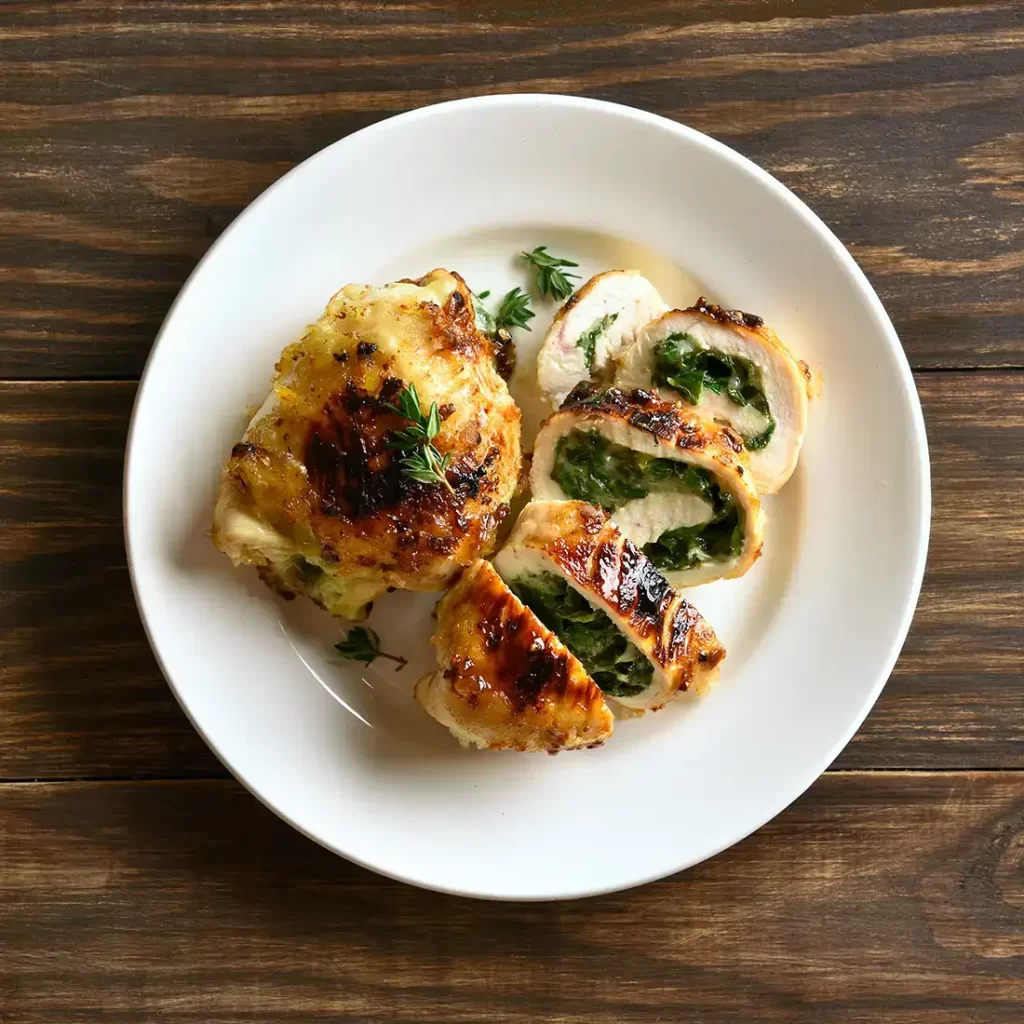
4. Spinach and Ricotta Roulade
- Create a lighter, vegetarian-inspired filling with ricotta cheese, sautéed spinach, garlic, and a hint of nutmeg.
- Add a sprinkle of pine nuts or slivered almonds for texture.
- This variation pairs beautifully with a tangy marinara sauce or a drizzle of olive oil and Parmesan.
5. Cheesy Jalapeño Chicken Roulade
- For those who love a spicy kick, fill the roulade with a blend of cream cheese, shredded pepper jack cheese, and diced jalapeños.
- Add cooked chorizo or sausage to the filling for an extra layer of flavor.
- Serve with a side of salsa or a creamy avocado dip for a Tex-Mex flair.
6. Caprese Chicken Roulade
- Incorporate classic Caprese ingredients like fresh mozzarella, sliced tomatoes, and fresh basil leaves into the filling.
- Drizzle the roulade with balsamic glaze before serving to tie the flavors together.
- This variation is light yet flavorful, perfect for a summer dinner.
7. Pesto-Stuffed Chicken Roulade
- Use a generous spread of basil pesto as the base for the filling, then add shredded Parmesan and chopped roasted red peppers.
- This variation is aromatic and pairs wonderfully with buttery mashed potatoes or roasted asparagus.
8. Gluten-Free Chicken Roulade
- Swap out the breadcrumbs in the coating for gluten-free alternatives like crushed rice crackers, almond flour, or gluten-free panko.
- Ensure all other ingredients, such as sauces or stock, are certified gluten-free.
- Serve with a gluten-free pasta or roasted vegetables for a wholesome meal.
9. Sweet and Savory Chicken Roulade
- Combine goat cheese, dried cranberries, and toasted walnuts for a unique sweet-and-savory filling.
- Add a touch of honey or maple syrup for a subtle sweetness that pairs beautifully with roasted root vegetables.
10. Vegetarian-Inspired Chicken Roulade
- Substitute chicken with thin slices of eggplant or zucchini, rolling them with the filling of your choice.
- Great options for fillings include ricotta and spinach, sun-dried tomatoes, or roasted bell peppers.
- This is a lighter, veggie-forward alternative for those avoiding meat.
These variations showcase how chicken roulade can be transformed into a dish that suits a variety of tastes, occasions, and dietary preferences. Experiment with your favorite ingredients to create a signature version of this elegant recipe!
Recipe Tested & Notes
I tested this Chicken Roulade recipe several times to get the best balance of tender chicken, flavorful filling, and a neat spiral when sliced. The key to a successful roulade is preparing the chicken evenly before adding the filling.
Butterflying the chicken breast carefully made a big difference. If the breast was left too thick in some areas, it cooked unevenly. Gently pounding it to an even thickness helped the roulade cook consistently from edge to edge.
I also found that the filling should be spread in a relatively thin, even layer. Using too much filling made the roulade difficult to roll and caused the filling to squeeze out during cooking.
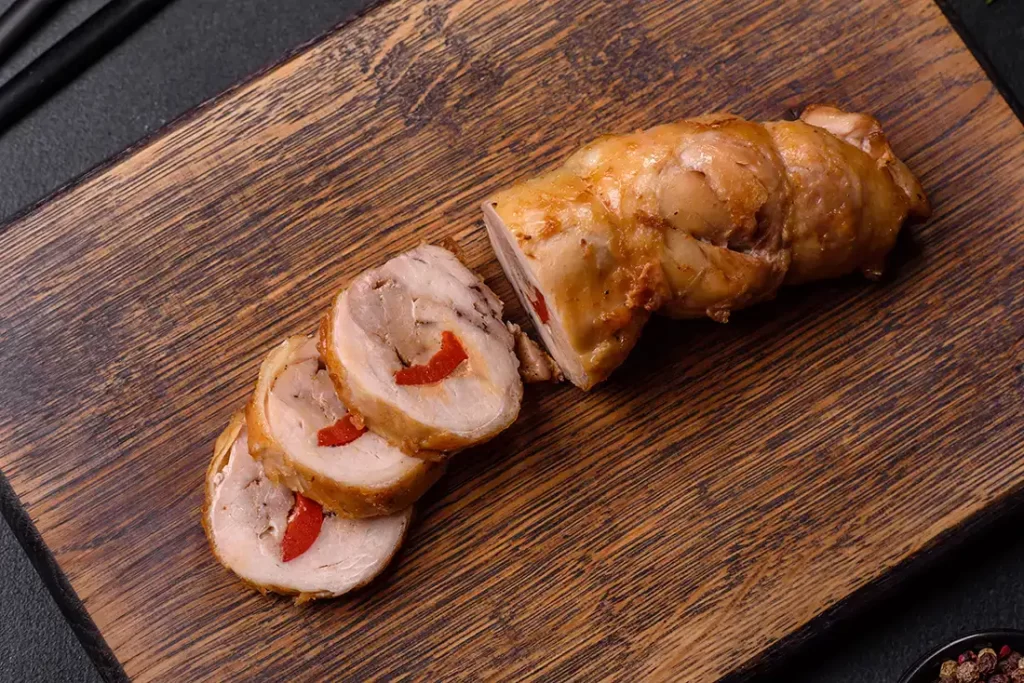
Rolling the chicken tightly was another important step. A firm roll helped create a cleaner spiral and prevented large gaps between the chicken and filling.
Securing the roulade properly also mattered. Kitchen twine worked better than relying on toothpicks alone because it kept the entire roll evenly shaped during cooking.
Searing the roulade before finishing it in the oven created a beautiful golden exterior and added another layer of flavor. The browned surface also made the finished roulade more appealing when sliced.
I found that resting the chicken after cooking was essential. Cutting it immediately caused some of the juices to escape and made the slices less neat. A short resting period produced cleaner slices and juicier chicken.
For food safety, I always recommend checking the thickest part of the chicken with an instant-read thermometer. Chicken should reach 165 F internally.
The final version had tender chicken, a flavorful filling, a golden exterior, and a beautiful spiral when sliced.
Mistakes I Made
Testing this recipe helped me identify several mistakes that can affect the final result.
Not pounding the chicken evenly
Uneven chicken thickness resulted in inconsistent cooking. Some areas were finished while thicker sections needed more time.
Making the filling too thick
Too much filling made the roulade difficult to roll and caused ingredients to escape during cooking.
Rolling too loosely
A loose roll created gaps and made the spiral less defined. Rolling firmly helped everything stay together.
Not securing the roulade properly
The roll can open during cooking if it is not secured. Kitchen twine provided the most reliable results.
Overfilling the edges
Leaving a small border around the chicken made rolling much easier and prevented the filling from being pushed out.
Skipping the sear
The roulade still cooked without searing, but the exterior lacked the deep golden color and extra flavor that came from browning.
Overcooking the chicken
Chicken breast can become dry when overcooked. Using an instant-read thermometer helped me avoid relying only on cooking time.
Cutting immediately
Slicing straight from the oven caused more juices to escape. Resting the chicken before slicing made a noticeable difference.
Personal Cooking Tips Learned From Testing
These tips consistently gave me the best results:
- Use evenly sized chicken breasts.
- Butterfly the chicken carefully.
- Pound the chicken to an even thickness.
- Cover the chicken before pounding to reduce mess.
- Season the chicken before adding the filling.
- Spread the filling evenly but avoid overfilling.
- Leave a small border around the edges.
- Roll the chicken firmly from one end.
- Use kitchen twine to secure the roulade.
- Tuck the ends inward if necessary to keep the filling contained.
- Chill the rolled chicken briefly if it feels difficult to handle.
- Sear the roulade before baking for better color and flavor.
- Use an oven-safe skillet when possible so you can move directly from stovetop to oven.
- Check the internal temperature in the thickest part.
- Remove the chicken when it reaches 165 F.
- Rest the roulade before slicing.
- Use a sharp knife for clean, attractive slices.
- Spoon pan juices over the sliced chicken before serving.
Why I Prefer This Version
I prefer this Chicken Roulade because it looks impressive while using relatively simple ingredients and techniques.
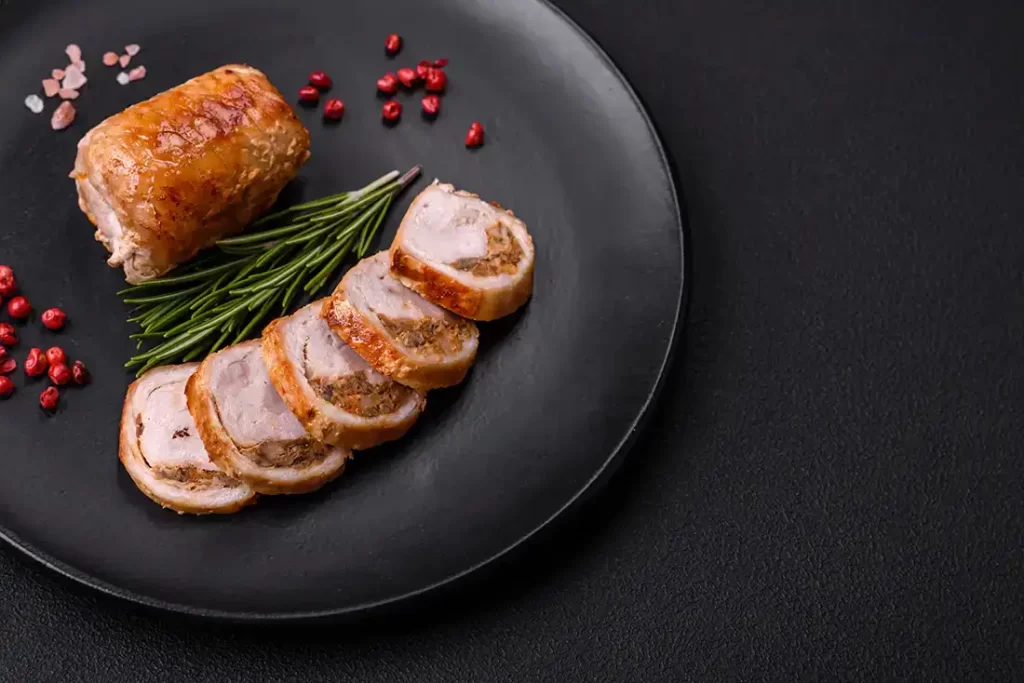
The rolled presentation makes an ordinary chicken breast feel much more special. Once sliced, the spiral of chicken and filling looks beautiful on a serving platter, making it suitable for dinner parties, holidays, or a date-night meal.
I also like the contrast between the golden exterior and the flavorful center. Searing the roulade before finishing it in the oven creates a much deeper flavor than simply baking the chicken.
Another reason I prefer this version is that the filling can easily be customized. You can use spinach and cheese, mushrooms, herbs, roasted vegetables, or other ingredients depending on what you have available.
Most importantly, using a thermometer makes the recipe much more reliable. Instead of guessing whether the chicken is cooked, you can check the internal temperature and avoid both undercooking and overcooking.
Storage Notes Based on Actual Testing
Chicken roulade stores well when properly cooled and refrigerated. I found that keeping the roulade whole before slicing helped retain moisture better than storing individual slices.
Refrigerator
Allow the cooked chicken to cool before transferring it to an airtight container.
Refrigerate within 2 hours of cooking and use within 3 to 4 days.
If possible, store the roulade whole and slice only the amount you plan to serve.
Reheating
Reheat gently in the oven or covered skillet to prevent the chicken from drying out.
A small amount of chicken broth or pan juices can help maintain moisture.
Individual slices can also be reheated in the microwave in short intervals, although the oven generally gives better texture.
Freezing
Chicken roulade can be frozen. I recommend wrapping the cooked roulade tightly and placing it in a freezer-safe container.
For better texture, freeze the roulade whole rather than slicing it before freezing.
Thaw it in the refrigerator before reheating.
Make-Ahead Preparation
The roulade can be assembled several hours ahead of cooking. Keep it refrigerated and tightly covered until you are ready to cook it.
You can also prepare the filling in advance to make dinner preparation easier.
Equipment Used
These tools make Chicken Roulade easier to prepare:
- Large cutting board
- Sharp chef’s knife
- Meat mallet or rolling pin
- Plastic wrap or parchment paper
- Large skillet
- Oven-safe skillet or baking dish
- Kitchen twine
- Tongs
- Mixing bowl
- Measuring cups
- Measuring spoons
- Instant-read thermometer
- Sharp slicing knife
- Wooden spoon or spatula
- Aluminum foil, optional
- Airtight storage container
FAQs
Can I prepare chicken roulade ahead of time?
Yes! Assemble the roulades and store them in the refrigerator for up to 24 hours before cooking.
Can I freeze chicken roulade?
Absolutely. Freeze uncooked roulades on a baking sheet, then transfer them to a freezer-safe bag for up to 3 months. Thaw before cooking.
How do I know when the roulade is done?
Use a meat thermometer. The internal temperature should read 165°F (74°C).
Can I cook chicken roulade on the stovetop instead of baking it?
Yes, you can cook chicken roulade on the stovetop. After searing the roulades in a skillet to get a golden brown crust, cover the pan and lower the heat to cook the roulades through. It will take about 15-20 minutes, depending on the size of the roulades. Be sure to check the internal temperature with a meat thermometer to ensure it reaches 165°F (74°C).
What other fillings can I use for chicken roulade?
The possibilities are endless when it comes to fillings! You can try using ingredients like ricotta cheese, pesto, roasted red peppers, prosciutto, or even caramelized onions. Just make sure your fillings are well-cooked before adding them to the chicken to avoid excess moisture.
How do I keep the chicken roulade from falling apart while cooking?
To keep your chicken roulade intact, make sure to tightly roll the chicken and secure it with toothpicks or kitchen twine. Additionally, chilling the roulades for 15-20 minutes in the fridge before cooking can help them maintain their shape. Cooking them on medium heat and not overcrowding the pan also helps prevent them from falling apart.
Ingredients Substitutes
- For Bacon: Use turkey bacon or omit it entirely for a lighter version.
- For Cream Cheese: Try ricotta or mascarpone for a different texture.
- For Spinach: Kale or Swiss chard works just as well.
Nutrition (Per Serving)
- Calories: 420
- Protein: 32g
- Carbohydrates: 15g
- Fat: 25g
- Fiber: 2g
- Sodium: 680mg
Conclusion
In conclusion, how to make chicken roulade is a fantastic way to elevate your cooking and impress your guests with a flavorful, visually stunning dish. This chicken roulade recipe is versatile, allowing you to customize the filling with your favorite ingredients, from savory mushrooms and spinach to rich cheeses and crispy bacon. Whether you’re preparing a special meal for a family dinner or hosting a party, this dish delivers both elegance and comfort in every bite.
With its step-by-step instructions, helpful tips, and creative variations, you now have all the tools to create a perfect chicken roulade every time. Remember to serve it with delicious sides, a refreshing drink, and a sweet dessert to complete the meal. Don’t hesitate to experiment with different fillings and sauces to make this recipe your own.
So, next time you’re wondering what to cook for an impressive yet approachable dinner, reach for this chicken roulade recipe—a dish that’s sure to become a new favorite in your culinary repertoire.
If you enjoyed this recipe, don’t forget to explore other delicious chicken dishes on our blog, like How to Make Oven Baked Chicken Cutlets or Marry Me Chicken Pasta Recipe, for more culinary inspiration.