Table of Contents
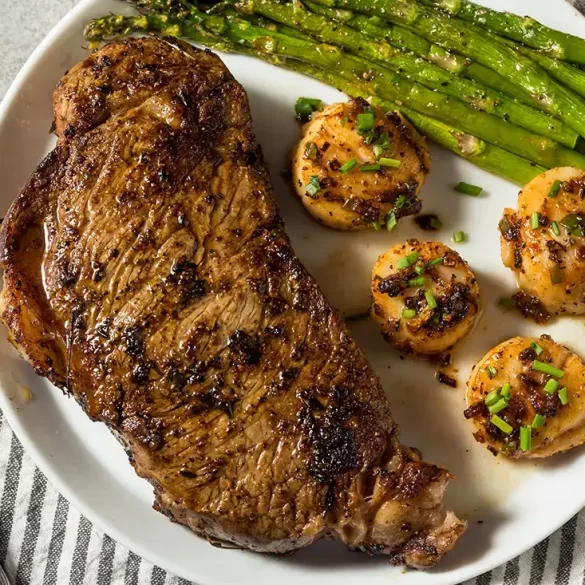
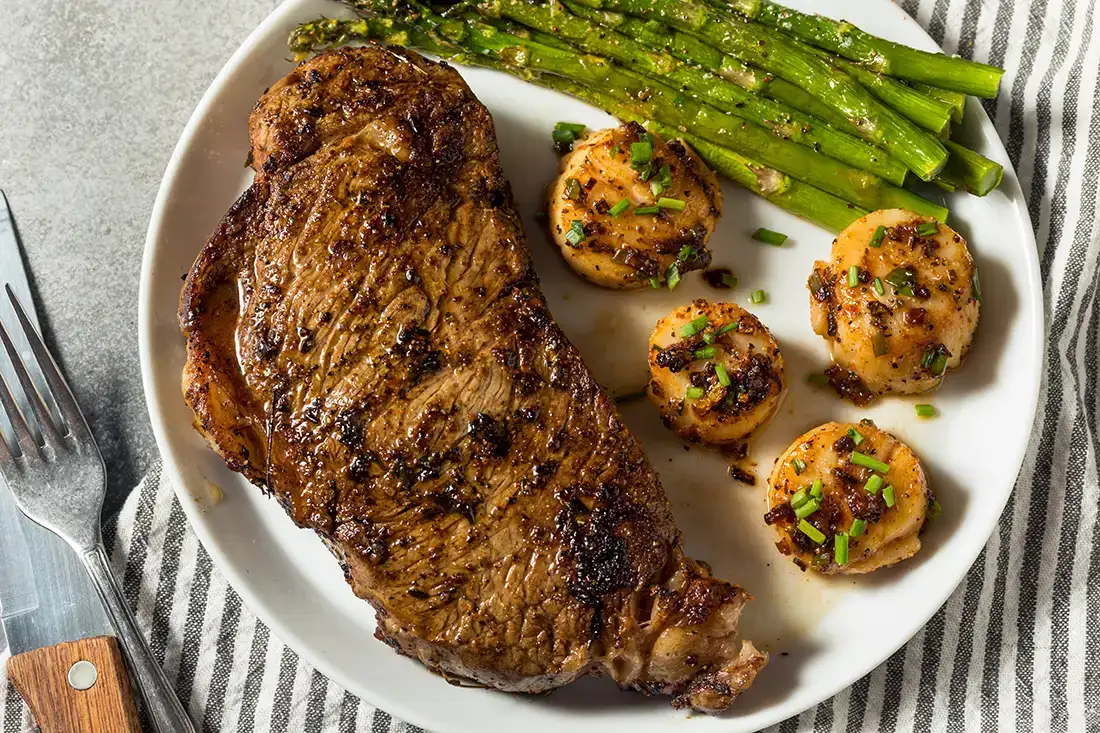
Few meals can rival the sheer indulgence of a perfectly cooked Cowboy Ribeye Steak. Thick, juicy, and bursting with bold, beefy flavor, this bone-in ribeye is a showstopper that commands attention at the dinner table. Whether you’re planning a special occasion, hosting a backyard barbecue, or treating yourself to a steakhouse-quality meal at home, mastering this recipe is a must.
In this guide, we’ll walk you through how to make Cowboy Ribeye Steak recipe step-by-step, sharing tips to achieve a flawless sear, a buttery finish, and a steak so tender it practically melts in your mouth. Along the way, we’ll also explore variations, side dish pairings, and pro-level techniques to elevate your cooking game.
Ready to turn your kitchen into a steakhouse and impress your guests (or yourself)? Let’s fire up the grill or skillet and get started on creating the ultimate Cowboy Ribeye Steak Recipe!
Ingredients to make Ribeye Steak
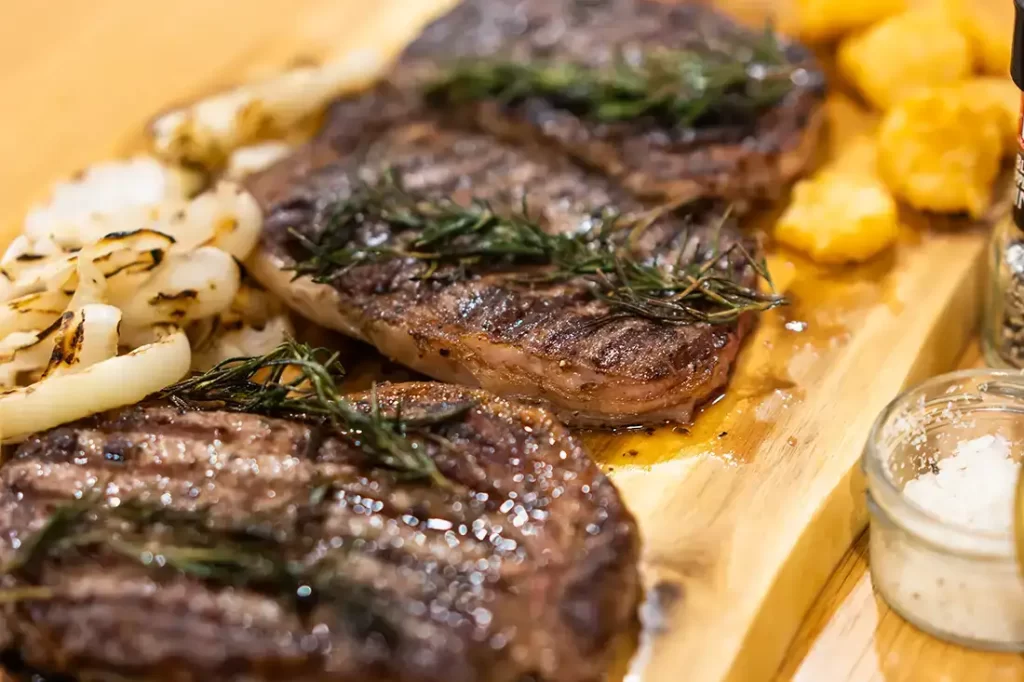
To prepare the ultimate Cowboy Ribeye Steak, gather these high-quality ingredients:
For the Steak:
- Cowboy Ribeye Steak (bone-in ribeye, 2-3 inches thick, 16-24 oz): A thick, well-marbled cut of steak that’s tender, juicy, and perfect for grilling or pan-searing.
- Kosher Salt (2 teaspoons): Coarse salt to enhance the steak’s natural flavors and create a crispy, seasoned crust.
- Freshly Cracked Black Pepper (1 teaspoon): Adds a bold, peppery kick to balance the rich flavors of the ribeye.
- Olive Oil (2 tablespoons): Provides a smooth base for searing and helps lock in moisture during cooking.
- Unsalted Butter (2 tablespoons): Basted over the steak to add richness and a velvety finish.
- Fresh Garlic Cloves (3, smashed): Infuses the steak with a subtle, savory aroma as it cooks.
- Fresh Rosemary Sprigs (2): An aromatic herb that brings an earthy depth of flavor to the dish.
- Fresh Thyme Sprigs (2): Enhances the steak with a delicate herbal fragrance and taste.
Optional Marinade or Rub:
- Smoked Paprika (1 teaspoon): Adds a smoky, mildly sweet flavor and a beautiful red hue to the steak.
- Garlic Powder (1 teaspoon): Boosts the garlic flavor for those who love extra savory notes.
- Onion Powder (1 teaspoon): Provides a subtle sweetness and umami depth to the rub.
- Chili Powder (½ teaspoon): For a touch of heat and a spicy edge to complement the steak.
For Serving:
- Lemon Wedges: A zesty garnish that brightens the dish and balances the richness of the steak.
Instructions to Make Cowboy Ribeye Steak Recipe
Step 1: Bring the Steak to Room Temperature
Remove the cowboy ribeye steak from the refrigerator at least 30 minutes before cooking. This ensures even cooking throughout. Pat the steak dry with paper towels to remove excess moisture.
Step 2: Season Generously
Season both sides of the steak liberally with kosher salt and cracked black pepper. For extra flavor, you can use the optional rub spices, massaging them into the meat.
Step 3: Preheat the Grill or Skillet
- Grill Method: Preheat your grill to high heat (about 450°F). Ensure the grates are clean and oiled to prevent sticking.
- Skillet Method: Heat a large cast-iron skillet over medium-high heat. Add olive oil and heat until shimmering.
Step 4: Sear the Steak
Place the steak on the hot grill or skillet. Sear for 4-5 minutes on each side to create a golden-brown crust. Avoid moving the steak while searing to allow the Maillard reaction to occur, which locks in flavor.
Step 5: Baste with Butter and Herbs
Reduce the heat to medium. Add butter, garlic, rosemary, and thyme to the skillet. Tilt the pan slightly and use a spoon to baste the steak with the melted butter for an additional 2-3 minutes per side.
Step 6: Cook to Desired Doneness
Insert a meat thermometer into the thickest part of the steak to check doneness:
- Rare: 120°F-125°F
- Medium Rare: 130°F-135°F
- Medium: 140°F-145°F
- Medium Well: 150°F-155°F
- Well Done: 160°F+
For a thick cowboy ribeye, finish cooking in the oven (preheated to 400°F) for 5-7 minutes if needed.
Step 7: Rest the Steak
Transfer the steak to a cutting board and let it rest for 10 minutes. Resting allows the juices to redistribute, ensuring a tender and juicy steak.
Step 8: Serve and Enjoy
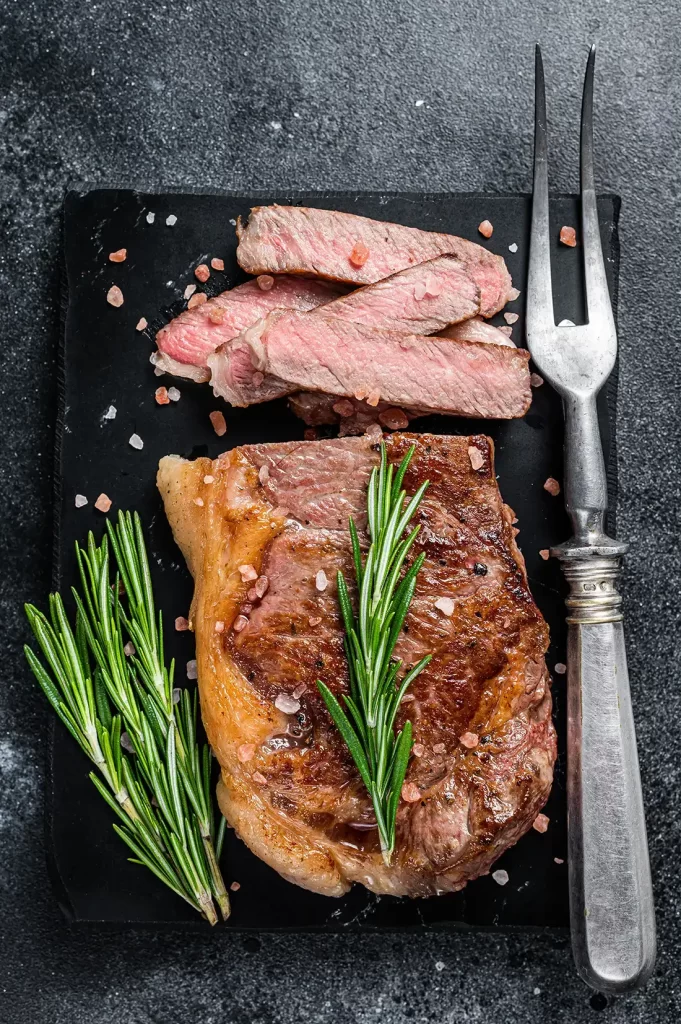
Slice the steak against the grain and serve with your favorite sides. Garnish with a squeeze of fresh lemon juice for added brightness.
Tips to make Perfect Cowboy Ribeye Steak
- Choose Quality Meat: Look for a USDA Prime or Choice grade cowboy ribeye with ample marbling. The bone enhances flavor and presentation.
- Season in Advance: For deeper flavor, season the steak at least an hour before cooking or overnight in the refrigerator.
- Use a Meat Thermometer: Precision is key. A thermometer ensures the steak is cooked to your preferred doneness.
- Don’t Skip Resting: Resting is essential to lock in the steak’s juices.
- Invest in Cast Iron: A cast-iron skillet is perfect for achieving a restaurant-quality sear.
What to Serve with Cowboy Ribeye Steak
The richness of cowboy ribeye steak pairs beautifully with complementary sides:
Classic Side Dishes
These timeless accompaniments balance the richness of the steak and enhance its savory flavors:
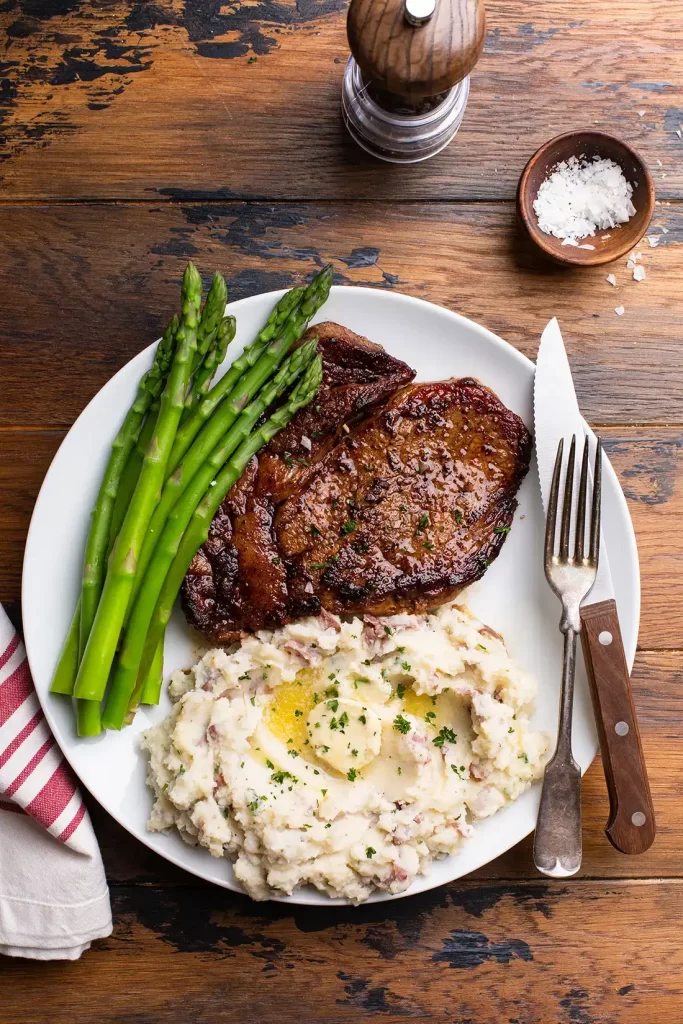
- Garlic Mashed Potatoes
Creamy, buttery mashed potatoes infused with roasted garlic are a perfect match for the hearty steak. The mild, smooth texture contrasts beautifully with the robust, smoky flavors of the ribeye. - Roasted Asparagus with Lemon
Lightly roasted asparagus with a squeeze of lemon adds a fresh, citrusy brightness that cuts through the richness of the steak. A sprinkle of Parmesan cheese can elevate this side further. - Creamed Spinach
This classic steakhouse favorite features velvety, cheesy spinach that complements the steak’s meaty flavor. - To complete your meal, consider serving your Cowboy Ribeye Steak with our Oven Baked Chicken Cutlets as a protein-packed side, or a refreshing Trader Joe’s Caesar Salad for a light and crisp accompaniment
- If you love experimenting with flavors, try pairing your Cowboy Ribeye Steak with our Honey Sriracha Sauce for a sweet and spicy kick, or serve it alongside the smoky goodness of a Seafood Boil Sauce Recipe for a unique surf-and-turf experience.
Gourmet Additions
For a more indulgent spread, consider these upscale sides:
- Truffle Mac and Cheese
Creamy macaroni and cheese enhanced with earthy truffle oil or shaved truffles creates a decadent pairing with the steak. - Caramelized Mushrooms and Onions
Sauteed mushrooms and onions, caramelized in butter and balsamic vinegar, bring umami and a touch of sweetness to the plate. - Grilled Vegetables
A medley of grilled zucchini, bell peppers, and cherry tomatoes tossed in olive oil and herbs provides a smoky, colorful side.
Desserts
Finish the meal with a sweet touch that complements the savory main course:
- Molten Chocolate Lava Cake
The rich, gooey chocolate pairs beautifully with the smoky flavors of the steak, making it a satisfying way to end the meal. - Vanilla Bean Crème Brûlée
This delicate custard with a caramelized sugar top adds a light, creamy finish after a hearty steak dinner. - Peach Cobbler
A warm cobbler with spiced peaches offers a comforting, fruity balance to the meal.
Drinks
Pair your Cowboy Ribeye Steak with beverages that enhance the flavors of the dish:
- Bold Red Wine
Full-bodied wines like Cabernet Sauvignon, Zinfandel, or Malbec complement the steak’s richness with their robust tannins and dark fruit notes. - Classic Whiskey Old-Fashioned
The smoky, slightly sweet profile of an Old-Fashioned pairs perfectly with the charred crust of a ribeye. - Craft Beer
A malty beer like a Porter or Stout works wonderfully with the steak’s rich flavors, while an IPA offers a refreshing bitterness.
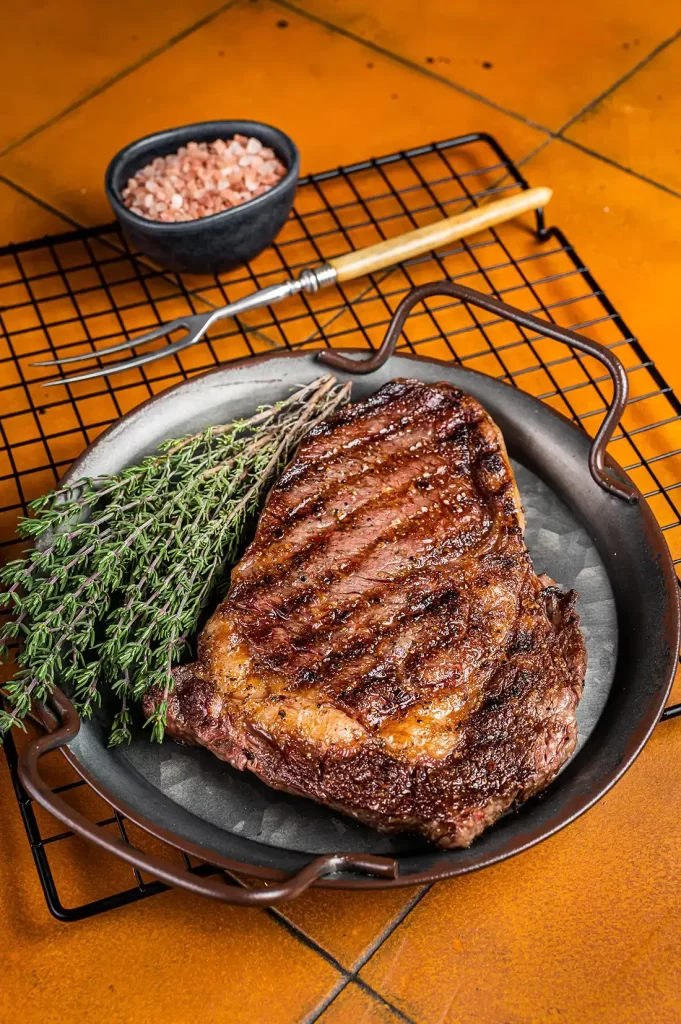
Variations of Cowboy Ribeye Steak
- Reverse Sear Method:
Slowly cook the steak in the oven at 275°F until it reaches 110°F, then sear on high heat for 2 minutes per side. - Smoked Cowboy Ribeye:
Smoke the steak at 225°F using hickory or mesquite wood chips until the internal temperature reaches 120°F, then sear. - Sous Vide Cowboy Ribeye:
Cook the steak sous vide at your desired doneness temperature, then sear in a hot skillet for a perfect crust. - Garlic Parmesan Crusted Cowboy Ribeye
Add a crunchy and flavorful crust to your steak by topping it with a mixture of breadcrumbs, grated Parmesan cheese, minced garlic, and olive oil. After searing the steak, spread the mixture over the top and broil it in the oven for 2-3 minutes until golden and crispy. - Herb Butter Cowboy Ribeye
Prepare a compound butter by mixing softened butter with chopped fresh parsley, chives, garlic, and a pinch of smoked paprika. After cooking the steak, place a dollop of the herb butter on top to melt over the hot steak, enhancing its flavor. - Spicy Cowboy Ribeye with Chipotle Rub
For a smoky and spicy twist, create a rub using chipotle powder, smoked paprika, cumin, garlic powder, and a touch of brown sugar. Massage the rub into the steak before cooking to infuse it with bold, spicy flavors. This variation pairs wonderfully with grilled corn or a side of guacamole.
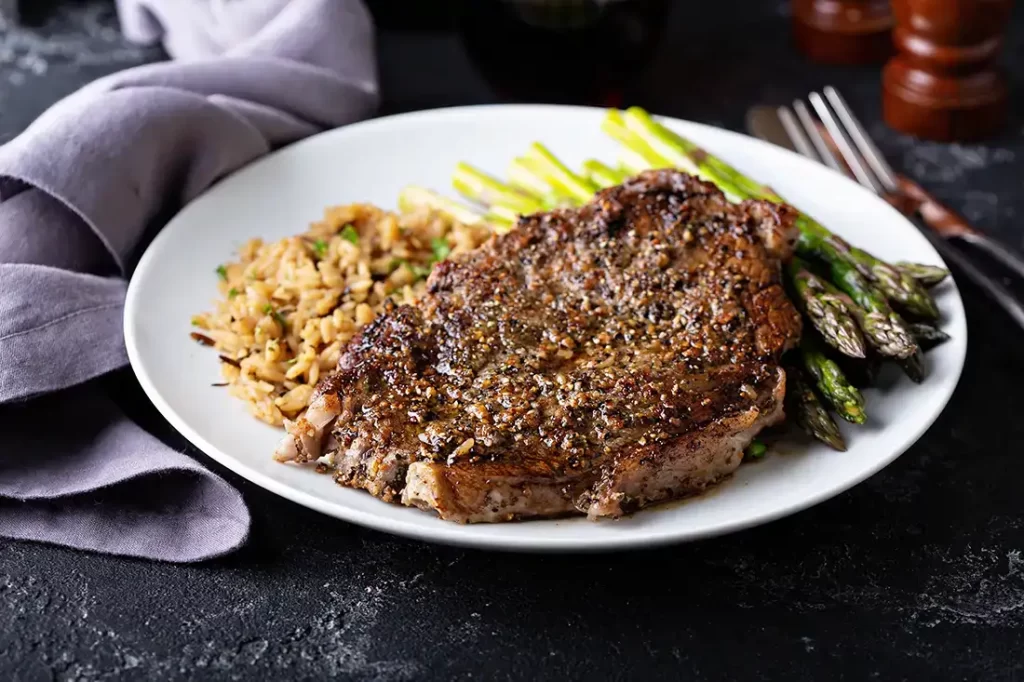
Recipe Tested & Notes
I tested this Cowboy Ribeye Steak recipe with a few different cooking approaches to find the best balance between a deeply browned crust and a juicy, evenly cooked center. Because a cowboy ribeye is thick and bone-in, it needs a little more attention than a thin steak.
The first thing that made a noticeable difference was bringing the steak closer to room temperature before cooking. This helped the thick center cook more evenly instead of having a very cold interior while the outside browned quickly.
Drying the steak thoroughly before seasoning was also important. Excess moisture on the surface can slow browning, so patting the steak dry with paper towels helped create a much better crust.
I found that generous seasoning worked best. A thick ribeye can handle plenty of salt and freshly ground black pepper, and the bone adds plenty of visual appeal while the marbling provides rich flavor.
High heat was important for developing the crust, but I found that relying entirely on very high heat could cause the outside to become too dark before the center reached the desired temperature. A sear followed by gentler cooking gave me better control.
Basting the steak with butter, garlic, and herbs toward the end added a wonderful aroma and richer flavor. The butter also helped coat the browned surface without interfering with the initial sear.
Resting the steak was just as important as cooking it. Cutting into the ribeye immediately allowed too many juices to escape. After resting, the juices were better distributed and the slices were noticeably juicier.
For food safety and consistent doneness, I recommend using an instant-read thermometer rather than relying only on cooking time. The exact cooking time depends on the steak’s thickness and starting temperature.
The final version had a dark, flavorful crust, tender meat, rich marbling, and a buttery garlic-herb finish.
Mistakes I Made
Testing this recipe helped me avoid several common steak-cooking mistakes.
Starting with a wet steak
Moisture on the surface prevented the crust from browning as quickly. Patting the steak dry made a big difference.
Using a cold pan
A properly preheated cooking surface is essential for developing a good crust. Starting too early resulted in weaker browning.
Moving the steak too much
Constantly flipping or moving the steak prevented the surface from developing an even crust. Giving it enough time to sear undisturbed worked better.
Using too much butter at the beginning
Butter can burn quickly at very high temperatures. I preferred using a high-heat cooking oil for the initial sear and adding butter later for basting.
Cooking only by time
Two ribeyes with different thicknesses can require very different cooking times. Using an instant-read thermometer was much more reliable.
Cutting into the steak while cooking
Making repeated cuts to check doneness released juices and made it harder to judge the final result. A thermometer worked much better.
Skipping the resting period
Cutting immediately after cooking resulted in more juice on the cutting board. Resting produced better slices.
Slicing with a dull knife
A dull knife can tear the meat and make the presentation messy. A sharp knife created much cleaner slices.
Personal Cooking Tips Learned From Testing
These tips consistently gave me the best results:
- Choose a thick, well-marbled cowboy ribeye.
- Pat the steak completely dry before seasoning.
- Season generously with salt and freshly ground black pepper.
- Allow the steak to sit before cooking so the center is not refrigerator-cold.
- Preheat the skillet, grill, or cooking surface thoroughly.
- Use a high-heat cooking oil for searing.
- Avoid overcrowding the cooking surface.
- Let the steak develop a crust before moving it.
- Sear the edges as well as the flat surfaces.
- Add butter only after the initial high-heat sear.
- Add garlic and herbs during the butter-basting stage.
- Spoon the hot butter over the steak repeatedly.
- Use an instant-read thermometer to check the thickest part.
- Remember that the steak can continue cooking slightly while resting.
- Rest the steak before slicing.
- Slice against the grain for a more tender bite.
- Finish with flaky salt or a small amount of fresh cracked pepper if desired.
Why I Prefer This Version
I prefer this Cowboy Ribeye Steak because it keeps the preparation simple and lets the quality of the beef do most of the work.
A well-marbled ribeye already has plenty of natural flavor, so it does not need a complicated marinade or heavy sauce. Salt, pepper, a good sear, and a little garlic-herb butter are enough to make it feel like a restaurant-quality steak.
I especially like using a thick bone-in ribeye because the extra thickness gives me more control over the cooking process. It is easier to create a deeply browned exterior while keeping the center tender.
The butter baste is another reason this version stands out. Garlic, rosemary or thyme, and butter create a rich aroma that complements the beef without hiding its natural flavor.
It is also an impressive meal for special occasions. A single large cowboy ribeye can be sliced and shared, making it perfect for a steakhouse-style dinner at home.
Storage Notes Based on Actual Testing
A cowboy ribeye is best served immediately after cooking, but leftovers can still be stored and reheated.
Refrigerator
Allow leftover steak to cool and refrigerate it in an airtight container.
For best quality and food safety, use cooked steak within 3 to 4 days.
I prefer storing the steak whole rather than slicing it in advance because it helps retain more moisture.
Reheating
Gentle reheating produces much better results than exposing the steak to very high heat for a long time.
The oven or a covered skillet works well. Avoid reheating until the steak is very hot throughout because this can turn a previously juicy ribeye into a dry one.
Microwave
A microwave can be used for convenience, but it is not my preferred method because it can heat the steak unevenly and make the meat tougher.
If using a microwave, heat in short intervals and avoid overheating.
Freezing
Cooked ribeye can be frozen, although the texture will not be quite the same as freshly cooked steak.
Wrap the steak tightly and place it in a freezer-safe container or bag. Thaw it in the refrigerator before reheating.
Using Leftover Steak
Leftover cowboy ribeye is excellent sliced thinly and added to sandwiches, salads, steak tacos, quesadillas, breakfast potatoes, or eggs.
Equipment Used
These tools make Cowboy Ribeye Steak easier to prepare:
- Cast-iron skillet or heavy-bottomed skillet
- Grill, optional
- Grill tongs
- Long-handled tongs
- Instant-read thermometer
- Sharp chef’s knife
- Cutting board
- Paper towels
- Measuring spoons
- Small bowl
- Spoon for butter basting
- Aluminum foil, optional
- Wire rack, optional
- Oven mitts
FAQs while making this Cowboy Ribeye Steak
What is a Cowboy Ribeye Steak?
A cowboy ribeye steak is a thick-cut, bone-in ribeye that’s known for its intense marbling, rich flavor, and tender texture.
How is Cowboy Ribeye Different from a Regular Ribeye?
The “cowboy” designation typically refers to a thicker cut with a Frenched bone (cleaned for presentation).
Can I Cook Cowboy Ribeye in the Oven?
Yes! Sear the steak first, then finish in a 400°F oven until it reaches your desired temperature.
How Long Should I Let the Steak Rest?
Rest for at least 10 minutes to preserve its juices and flavor.
Should I Trim the Fat on a Cowboy Ribeye Steak Before Cooking?
It’s not necessary to trim the fat completely. The fat adds flavor and helps keep the steak juicy while cooking. However, you can trim excess fat around the edges if there’s an unusually thick layer.
Can I Marinate a Cowboy Ribeye Steak?
Yes, marinating is an option if you want to add extra flavor. A simple marinade with olive oil, garlic, rosemary, and lemon juice works well. However, the natural marbling of the ribeye provides rich flavor, so a marinade isn’t essential.
How Do I Prevent My Steak from Sticking to the Grill or Skillet?
To avoid sticking:
- Ensure the grill or skillet is properly preheated and lightly oiled.
- Avoid flipping the steak too soon; it will release naturally once a good sear forms.
Substitutes
- Ribeye Steak: If a cowboy ribeye isn’t available, a regular bone-in ribeye works well.
- Butter Alternatives: Use ghee or garlic-infused olive oil for basting.
- Herb Variations: Swap rosemary and thyme with sage or oregano for a different flavor profile.
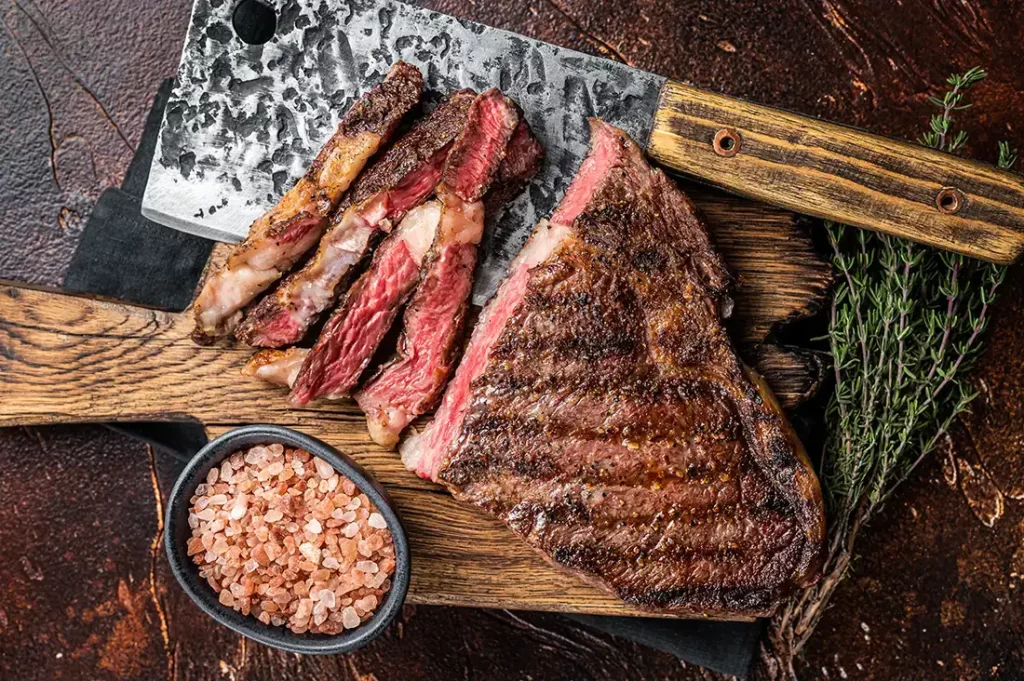
Nutrition
Here’s an approximate breakdown for a 16-ounce cowboy ribeye steak:
- Calories: 1,200
- Protein: 90g
- Fat: 85g
- Saturated Fat: 35g
- Cholesterol: 250mg
- Sodium: 1,200mg
(Note: Values may vary based on seasoning and cooking methods.)
Crafting the perfect Cowboy Ribeye Steak is easier than you think. With this Cowboy Ribeye Steak Recipe, you’ll master the art of creating a tender, juicy, and flavorful steak that rivals any steakhouse. Whether you’re grilling, searing, or smoking, this recipe will impress every time.
Get ready to savor the bold flavors of this classic steak and elevate your home-cooking game!