Table of Contents
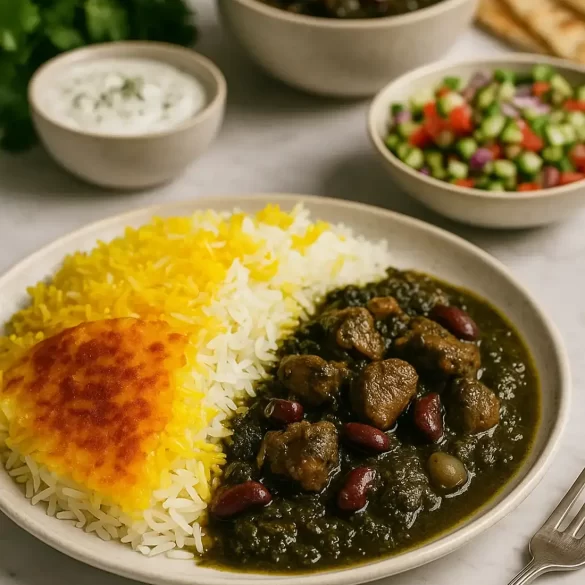
Persian recipes are more than just food—they’re a story. A story told with saffron, rice, pomegranate, and herbs passed down through generations of Persian kitchens. These dishes represent a celebration of culture, family, and time-honored tradition. The beauty of Persian cuisine lies in its balance: sweet and sour, crisp and tender, hearty and fresh. Whether you’re craving a comforting stew like Ghormeh Sabzi or the golden crisp of Tahdig, Persian food has something magical to offer.
What makes Persian recipes unique is the way they harmonize bold flavors with aromatic spices. They’re crafted with love, care, and patience—often slow-cooked and thoughtfully layered for maximum flavor. Even the simplest of Persian meals can turn a regular dinner into a feast.
In this guide, we’ll explore classic Persian dishes you can make at home, their essential ingredients, easy-to-follow instructions, and expert chef tips to help you nail the perfect Persian plate. Ready to fall in love with this cuisine? Let’s dive into the flavors of Iran.

Essential Ingredients in Persian Cooking
Before we get cooking, stock your pantry with these traditional Persian staples. These ingredients are the foundation of most Persian recipes.

- Saffron (½ teaspoon threads, soaked in hot water)
Saffron brings the signature golden hue and a luxurious aroma. It’s a must for rice dishes like Tahchin and Zereshk Polo. - Basmati Rice (2 cups, rinsed and soaked)
Long-grain, fragrant, and fluffy. This is the base for many Persian meals. - Turmeric (1 teaspoon)
Adds earthy flavor and a warm color to stews and meats. - Dried Limes (2-3 whole, pierced)
Known as limoo amani, they add a unique tangy depth to stews like Ghormeh Sabzi. - Fresh Herbs (½ bunch each: parsley, cilantro, green onions, fenugreek leaves)
Used generously in Persian cooking, especially in herb stews and kuku. - Pomegranate Molasses (2 tablespoons)
A sweet-tart syrup used in dishes like Fesenjan, pairing beautifully with walnuts and poultry. - Barberries (¼ cup dried)
These tiny red berries are tart and juicy—essential in Zereshk Polo. - Rose Water (1 tablespoon)
Common in desserts and sometimes even savory dishes. Adds floral elegance. - Chickpeas, lentils, and beans
Often used in hearty soups and stews like Ash Reshteh or Adasi.

Popular Persian Recipes You Can Make at Home
Let’s break down some traditional Persian dishes you can recreate in your kitchen, step-by-step.
1. Ghormeh Sabzi (Herb and Kidney Bean Stew)
A national favorite and an essential on any Persian table.
Ingredients:
- 500g lamb or beef stew meat
- 1 large onion, chopped
- 1 teaspoon turmeric
- 1 can kidney beans (or 1 cup cooked)
- 1 bunch parsley
- 1 bunch cilantro
- 1 bunch green onions
- 1 tablespoon dried fenugreek
- 2 dried limes
- Salt and pepper to taste
- Oil for sautéing
Instructions:
- Finely chop the herbs and sauté in oil until dark green and fragrant. This step intensifies the flavors.
- In a large pot, sauté chopped onions with turmeric until golden. Add meat and brown on all sides.
- Add the sautéed herbs to the meat, along with kidney beans and dried limes.
- Cover with water and simmer for 2-3 hours until the meat is tender.
- Adjust salt and pepper. Serve with fluffy saffron rice.
Pro Tip: Slow simmering is key—this stew tastes even better the next day!
2. Zereshk Polo ba Morgh (Barberry Rice with Chicken)
A festive dish served at weddings and family gatherings.
Ingredients:
- 4 bone-in chicken thighs or breasts
- 2 onions, sliced
- 1 teaspoon turmeric
- 1 cup barberries
- 2 cups basmati rice
- ½ teaspoon saffron threads
- 2 tablespoons butter
- 1 tablespoon sugar
- Salt and pepper
Instructions:
- Cook the chicken with onions, turmeric, salt, and pepper until golden and cooked through.
- Soak and rinse the rice, then parboil and drain.
- Cook barberries in butter with a touch of sugar for a minute (don’t burn!).
- Layer rice in a pot with saffron and barberries.
- Cover and steam on low for 30 minutes to develop the crusty Tahdig.
Pro Tip: Add a pinch of cinnamon or orange zest for extra aroma.

3. Fesenjan (Pomegranate Walnut Stew)
Sweet, sour, and nutty—this dish is a culinary masterpiece.
Ingredients:
- 2 chicken breasts, cubed
- 1½ cups walnuts, ground
- 1 onion, finely chopped
- 2 tablespoons pomegranate molasses
- 1 tablespoon sugar (optional)
- Salt and pepper
- Water as needed
Instructions:
- Toast walnuts in a pan until fragrant.
- In a pot, sauté onion until golden, then add chicken and brown slightly.
- Add walnuts, pomegranate molasses, sugar, salt, and pepper.
- Cover with water and simmer gently for 1.5-2 hours until thickened and rich.
Pro Tip: The longer it cooks, the darker and more flavorful it gets.

Pro Tips for Perfect Persian Dishes
- Use a rice cooker for consistent Tahdig. It helps reduce guesswork for beginners.
- Chop herbs finely for Ghormeh Sabzi. Uniform texture enhances mouthfeel and flavor.
- Don’t rush the stew. Low and slow cooking is essential in Persian cuisine.
- Soak rice before cooking. This ensures even cooking and fluffiness.
- Balance flavors. Always taste and adjust sugar, acid (lime or pomegranate), and salt for perfect harmony.
Serving Suggestions
- Side Dishes: Serve Persian meals with Salad Shirazi (diced cucumber, tomato, onion in lime juice) or a dollop of Mast-o-Khiar (yogurt with cucumber and mint).
- Bread: Lavash or Barbari bread is perfect for scooping up stews.
- Pickles and Torshi: Add tangy Persian pickles for texture and brightness.
- Drinks: Complement the richness with Persian Doogh (a yogurt-mint drink) or freshly brewed Persian tea after the meal.
- Dessert Pairings: Try Persian sweets like Sholeh Zard (saffron rice pudding) or Baghlava to round out the meal.

Recipe Variations & Customizations
Vegetarian & Vegan Persian Recipes
Many Persian stews and dishes can be made vegetarian. Swap meat with hearty vegetables like eggplant or mushrooms. Use legumes (lentils, beans) for protein.
Spice Level Adjustments
Persian food isn’t spicy-hot but is layered in flavor. If you like heat, add a pinch of Aleppo pepper or crushed chili flakes to your dish.
Gluten-Free Modifications
Most Persian recipes are naturally gluten-free, especially rice-based dishes. Always check labels on store-bought items like molasses or yogurt.
Air Fryer Tahdig
Want crispy Tahdig without the stovetop challenge? Press rice into a round cake and air fry at 180°C for 15-18 minutes until golden brown.
Dairy-Free Adaptations
Substitute butter with plant-based oils, and skip yogurt-based sauces or use coconut yogurt.
Recipe Tested & Notes
I tested these Persian recipes over several days using ingredients that are commonly available in most supermarkets. While authentic Persian ingredients like dried limes, barberries, and high-quality saffron make a noticeable difference, I also experimented with easy substitutions to ensure the recipes remain approachable for home cooks.
The biggest focus during testing was achieving fluffy Persian rice with a crispy Tahdig. It took a couple of attempts to find the ideal heat level that created a golden crust without burning the bottom. I also tested both chicken and beef versions of popular stews, and both turned out wonderfully with slight adjustments to cooking time.
If this is your first time making Persian food, don’t worry if your Tahdig isn’t perfect on the first try. Every batch teaches you something, and even imperfect Persian food tastes incredible.
Mistakes I Made While Testing
Here are a few mistakes I made so you don’t have to.
Cooking the Rice Too Long Before Steaming
The first batch of rice became too soft because I boiled it for too long before steaming. Persian rice should still have a firm center before it goes back into the pot.
Using High Heat for Tahdig
I initially cooked the rice over medium-high heat for too long, which caused the bottom crust to burn before the rest of the rice finished steaming. Low heat is much safer after the first few minutes.
Not Poking the Dried Limes
When I forgot to pierce the dried limes before adding them to Ghormeh Sabzi, they floated on top and released very little flavor.
Adding Barberries Too Early
Barberries burn very quickly. One test batch became bitter because I cooked them for several minutes instead of just 30 to 60 seconds in butter.
Using Low-Quality Saffron
Cheap saffron produced very little aroma and color. Once I switched to premium saffron, the difference was immediately noticeable.
Personal Cooking Tips Learned From Testing
After making these recipes multiple times, these are the tips I now follow every single time.
- Always soak basmati rice for at least 30 minutes before cooking.
- Bloom saffron in warm water for 10 to 15 minutes instead of adding it directly.
- Wrap the pot lid with a clean kitchen towel to absorb excess moisture while the rice steams.
- Toast ground walnuts lightly before making Fesenjan to develop a richer, nuttier flavor.
- Taste the stew every 30 minutes near the end of cooking. Persian stews often need slight adjustments to acidity or seasoning.
- Allow the finished rice to rest for 10 minutes before serving so the grains stay fluffy.
- Fresh herbs always produce brighter flavors than frozen herbs, especially in Ghormeh Sabzi.
Why I Prefer This Version
After testing several traditional and modern variations, this has become my favorite approach.
I prefer using a generous amount of fresh herbs because they create a brighter, fresher flavor than dried herbs alone.
For Fesenjan, I like balancing the sweetness with extra pomegranate molasses instead of adding too much sugar. It creates a deeper, more authentic flavor.
For Tahdig, I use a thin layer of saffron rice rather than yogurt. This produces an incredibly crisp crust while allowing the fragrance of saffron to shine.
I also prefer using bone-in chicken for dishes like Zereshk Polo because it stays juicier throughout the cooking process.
Overall, this version feels traditional while still being practical for busy home cooks.
Storage Notes Based on Actual Testing
These recipes store surprisingly well, and several of them actually taste better the next day.
Refrigerator
- Ghormeh Sabzi stays fresh for up to 4 days.
- Fesenjan lasts about 4 days.
- Cooked Persian rice keeps well for 3 to 4 days.
- Zereshk Polo should be eaten within 3 days for the freshest texture.
Store everything in airtight containers.
Freezer
The stews freeze exceptionally well.
- Freeze Ghormeh Sabzi for up to 3 months.
- Freeze Fesenjan for up to 3 months.
Rice can also be frozen, although the Tahdig will lose most of its crispness after thawing.
Reheating
For rice, sprinkle a tablespoon of water over it before reheating.
Microwave on medium power or steam gently until hot.
For stews, reheat slowly on the stovetop over low heat while stirring occasionally.
Equipment Used
You don’t need any fancy equipment to make authentic Persian recipes, but these tools make cooking much easier.
- Heavy-bottom Dutch oven or stock pot
- Non-stick pot for making Tahdig
- Fine mesh strainer
- Large mixing bowls
- Sharp chef’s knife
- Wooden spoon
- Measuring cups and measuring spoons
- Mortar and pestle (optional for saffron)
- Rice paddle
- Kitchen towel for covering the pot lid
- Serving platter for unmolding Tahdig
FAQs About Persian Recipes
Can I use regular rice instead of basmati?
Technically yes, but basmati gives that essential fragrance and fluffiness. Short-grain rice won’t produce the same texture.
What if I can’t find saffron?
Use turmeric for color, though it won’t replicate the flavor. A pinch of paprika can help enhance aroma.
Can I prepare Persian stews ahead of time?
Absolutely! In fact, most taste better the next day as flavors meld together.
How do I reheat Persian rice without losing Tahdig?
Reheat in a pan with a little oil, covered, over low heat to keep it crispy.
What are the healthiest Persian recipes?
Many Persian dishes are naturally healthy. Options like Adasi (lentil stew), Ash Reshteh (herb and noodle soup), and grilled kabobs served with salad are high in fiber, protein, and nutrients without excessive fat or sugar.
Is Persian food suitable for vegetarians or vegans?
Yes! Dishes like Kuku Sabzi (herb frittata), Adasi, and Ash-e Reshteh can be easily made vegetarian or vegan. Persian cuisine heavily features legumes, herbs, and vegetables, making it adaptable to plant-based diets.
How spicy is Persian food?
Persian recipes are flavorful but not typically spicy-hot. The emphasis is on aromatics like saffron, turmeric, cinnamon, and dried lime rather than chili heat. You can always add chili flakes if desired.
What is the most popular Persian dish?
Ghormeh Sabzi is considered Iran’s national dish and a household staple. Tahdig (crispy rice) is another universally loved component of Persian meals.
Can I freeze Persian stews and rice?
Yes! Persian stews like Fesenjan or Ghormeh Sabzi freeze beautifully. Just let them cool, store in airtight containers, and freeze for up to 3 months. Cooked rice can be frozen too but should be reheated with a bit of water to restore texture.
What kind of rice is best for Persian recipes?
Long-grain Basmati rice is best. Look for high-quality aged varieties like Tilda or Royal for optimal fragrance and separation.
Can I make Persian food in a slow cooker or Instant Pot?
Definitely. Slow cookers are great for stews like Fesenjan and Ghormeh Sabzi. The Instant Pot can reduce cooking time while still developing rich flavors.
Is it hard to make Tahdig at home?
It takes a little practice, but with the right pot and heat control, you’ll get it right. A non-stick pot and patience are key. Starting with a yogurt or potato crust version can be easier for beginners.
Are Persian desserts very sweet?
Persian desserts tend to be less sugary than Western ones. They focus more on aromatic elements like rose water, saffron, and cardamom, often balanced with nuts or fruits.
What makes Persian recipes unique compared to other Middle Eastern foods?
While there are similarities, Persian cuisine uniquely blends sweet and sour flavors, uses saffron more extensively, and heavily incorporates fresh herbs in both cooked and raw forms. Persian stews and rice techniques also set them apart.
What is the easiest Persian recipe for beginners?
Persian saffron rice, Zereshk Polo, and Shirazi Salad are excellent beginner-friendly recipes because they require fewer ingredients and straightforward cooking techniques.
Why is Tahdig so famous?
Tahdig is famous for its irresistible crispy golden crust that forms at the bottom of the rice pot. Many people consider it the best part of the meal.
Can I make Persian recipes without saffron?
Yes. While saffron provides authentic flavor and aroma, you can still prepare delicious Persian dishes without it. Turmeric can provide color, although the flavor will be different.
Are Persian recipes family friendly?
Absolutely. Persian cuisine generally isn’t spicy, making it suitable for children and adults alike. The mild flavors appeal to a wide variety of tastes.
Which herbs are used most in Persian cooking?
Parsley, cilantro, dill, mint, fenugreek, chives, and green onions are among the most commonly used herbs in Persian recipes.
Substitutes & Ingredient Alternatives
- Dried Limes: Use fresh lime juice and a bit of lemon zest as a quick fix.
- Pomegranate Molasses: Mix equal parts balsamic vinegar and honey or use tamarind paste as a tart alternative.
- Barberries: Dried cranberries or currants soaked in lemon juice can mimic the tanginess.
- Fenugreek: If unavailable, skip or add a tiny pinch of mustard seeds for complexity.
- Saffron Substitute: A mix of turmeric and warm milk adds color but not the same depth of flavor.
Nutritional Information (Per Serving)
Calories: ~450
Carbohydrates: 40g
Protein: 25g
Fat: 18g
Fiber: 6g
Sugar: 7g
Sodium: 320mg
Persian recipes are nutrient-dense, often featuring legumes, lean meats, nuts, and herbs. Great for a wholesome lifestyle!
Final Thoughts on Persian Recipes
There’s a reason Persian recipes have stood the test of time—they’re heartwarming, delicious, and deeply satisfying. Cooking these dishes connects you to a rich culinary heritage filled with stories, traditions, and hospitality. Whether you’re preparing a lavish dinner for guests or a simple weeknight stew, Persian cuisine brings elegance and comfort to every plate.
Have you tried cooking Persian food at home? Which dish do you want to try first? Let us know in the comments below!
Don’t forget to bookmark this post and share it with a foodie friend.