Table of Contents
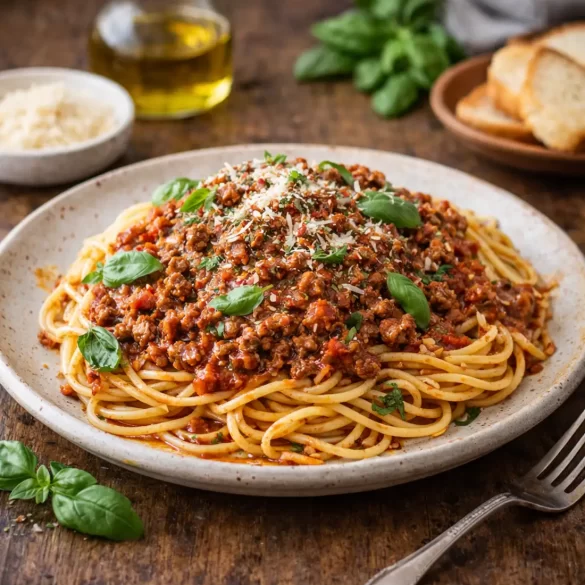
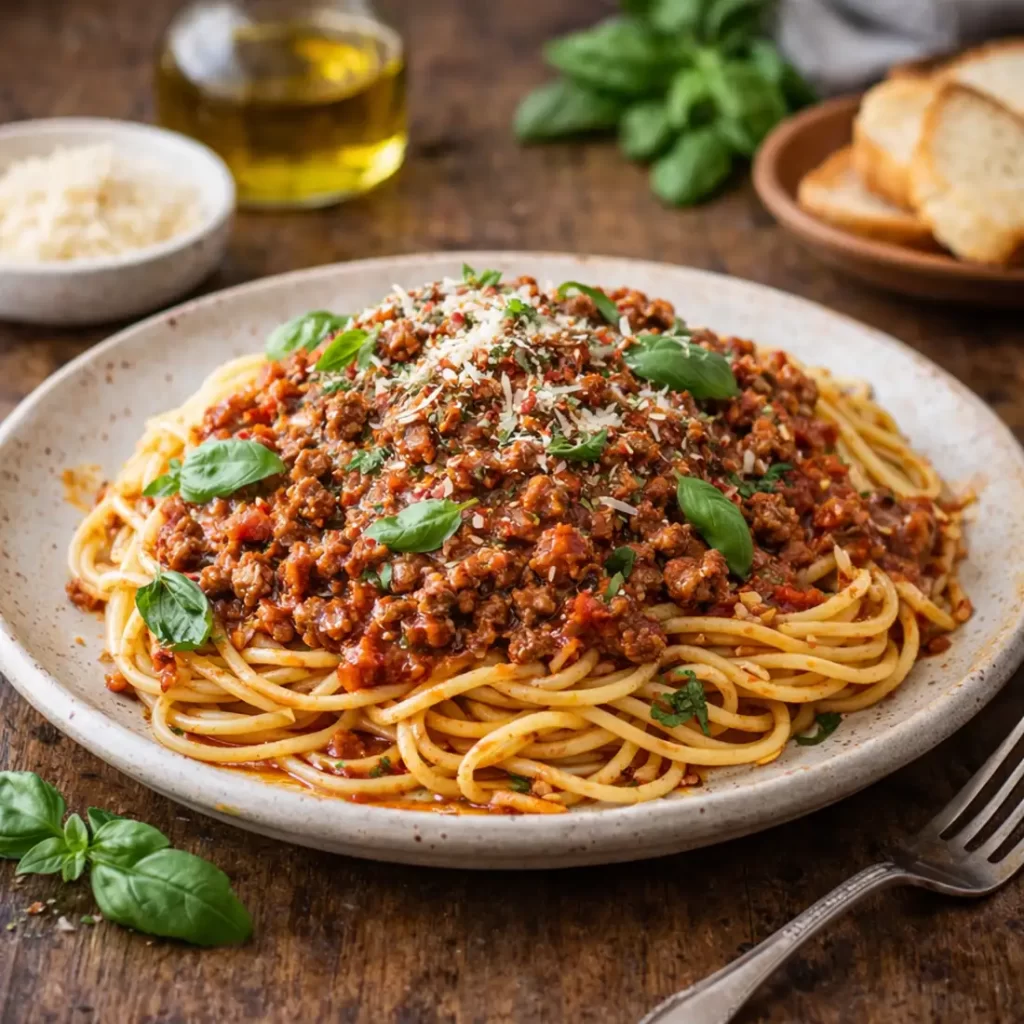
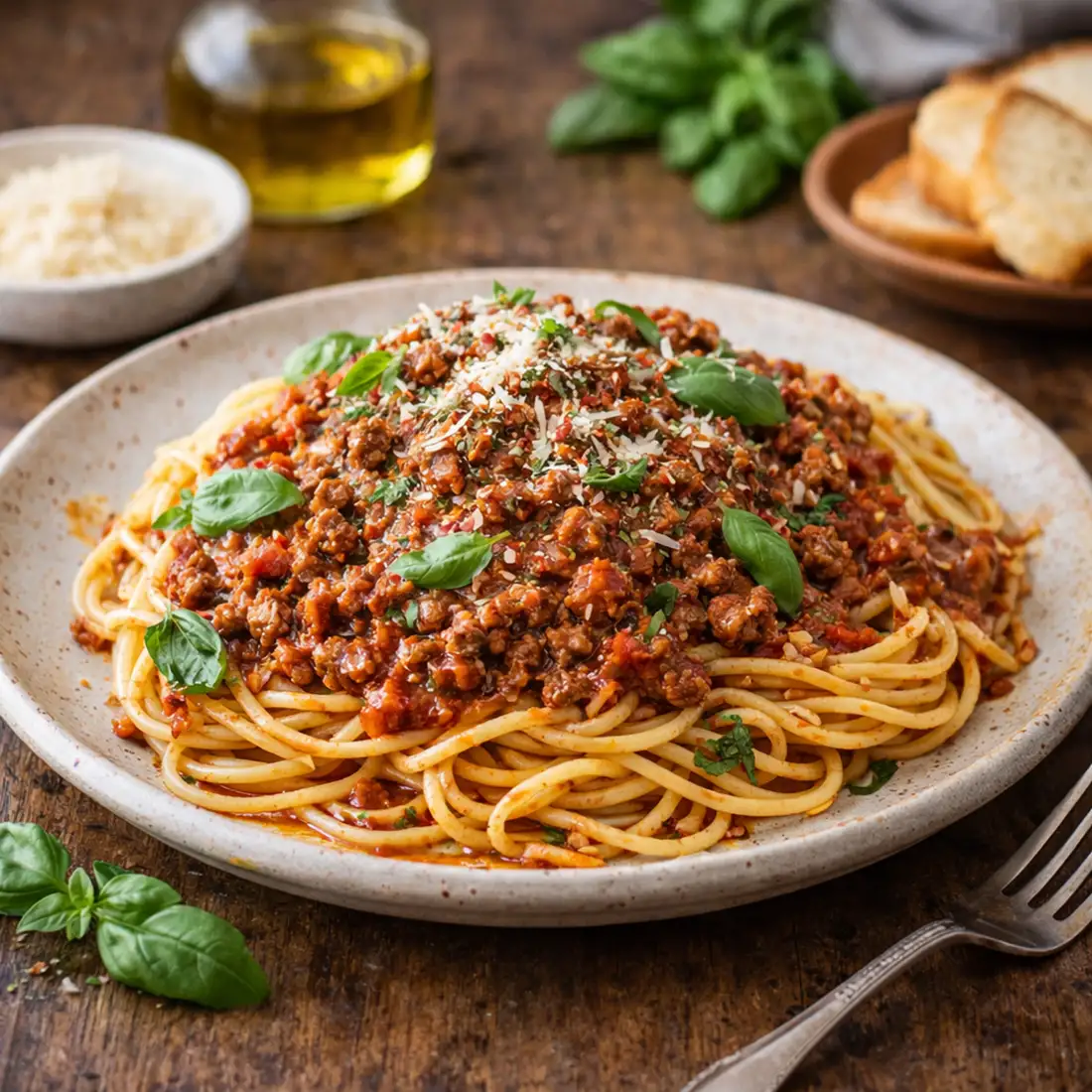
Have you ever tasted a bowl of pasta that instantly felt like comfort in every bite? That rich, savory, herby flavor that makes spaghetti irresistible often comes down to one simple thing – spaghetti dust seasoning. This homemade blend is the secret weapon many home cooks overlook, yet it can completely transform your pasta dishes from average to unforgettable.
The beauty of this spaghetti dust seasoning lies in its simplicity. Instead of relying on store-bought mixes packed with preservatives, you can create a fresh, aromatic seasoning blend right in your kitchen. It’s perfect for enhancing not just spaghetti, but also sauces, meats, and even roasted vegetables.
This seasoning combines classic Italian herbs, spices, and a touch of umami to deliver that authentic restaurant-style flavor. Whether you’re making a quick weeknight dinner or preparing a hearty spaghetti meat sauce, this blend will elevate every bite.
If you’ve been searching for the perfect seasoning for spaghetti sauce, Spaghetti Dust Seasoning or a versatile mix that works across multiple dishes, you’re in the right place. Let’s dive into this flavorful recipe that will soon become a staple in your kitchen!
Ingredients for Spaghetti Dust Seasoning
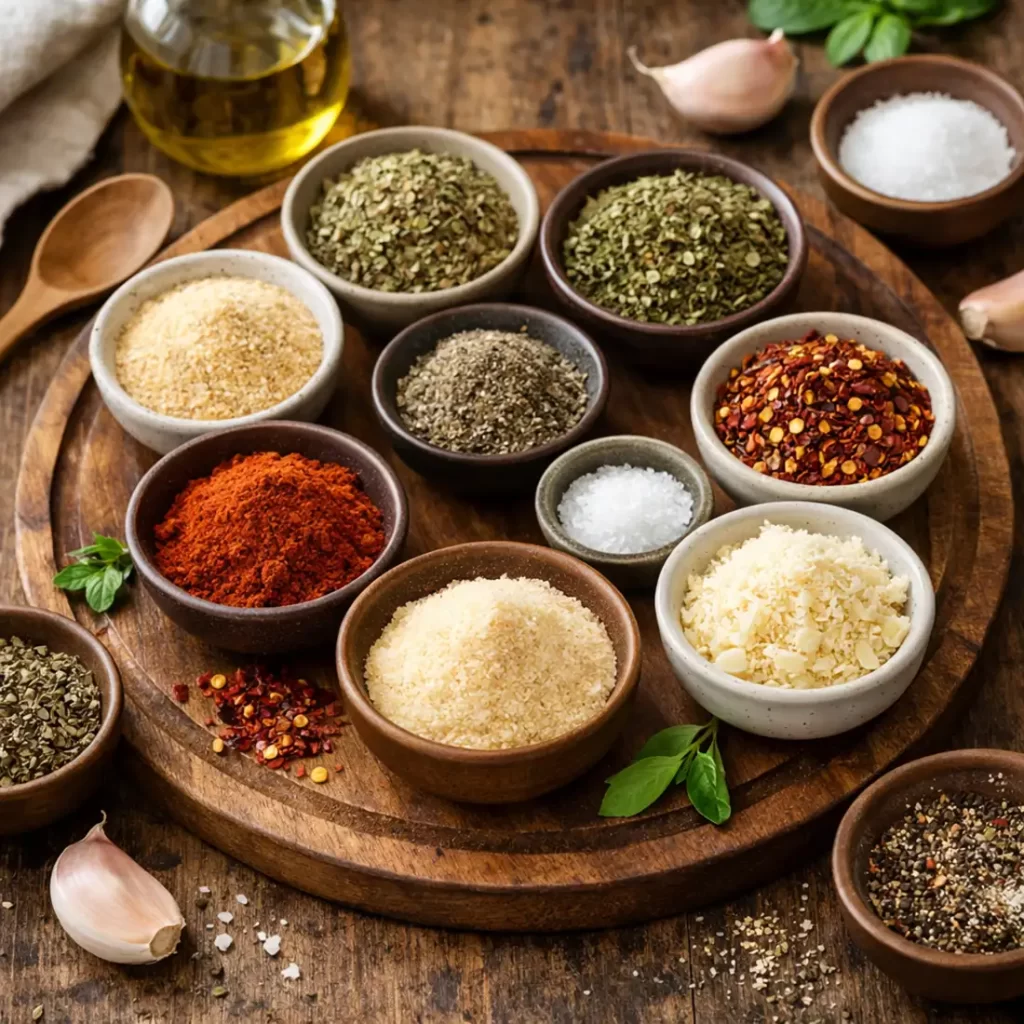
- 2 tablespoons dried oregano – adds a classic Italian herb flavor that defines spaghetti seasoning.
- 2 tablespoons dried basil – brings a slightly sweet and aromatic touch.
- 1 tablespoon garlic powder – provides a strong savory base without overpowering.
- 1 tablespoon onion powder – enhances depth and balances the garlic flavor.
- 1 tablespoon paprika – gives mild warmth and color to the seasoning.
- 1 teaspoon red chili flakes – adds a gentle heat (adjust to taste).
- 1 teaspoon dried thyme – adds earthy and slightly minty notes.
- 1 teaspoon black pepper – enhances overall flavor and adds subtle spice.
- 1 teaspoon salt – balances and ties all flavors together.
- 1 teaspoon sugar – cuts acidity in tomato-based sauces.
- 1 tablespoon grated Parmesan powder (optional) – adds umami richness and depth.
Substitutions & Tips:
- Vegan? Skip Parmesan or use nutritional yeast instead.
- Use smoked paprika instead of regular paprika for a smoky flavor.
- For a low-sodium version, skip or reduce salt.
Step-by-Step Instructions
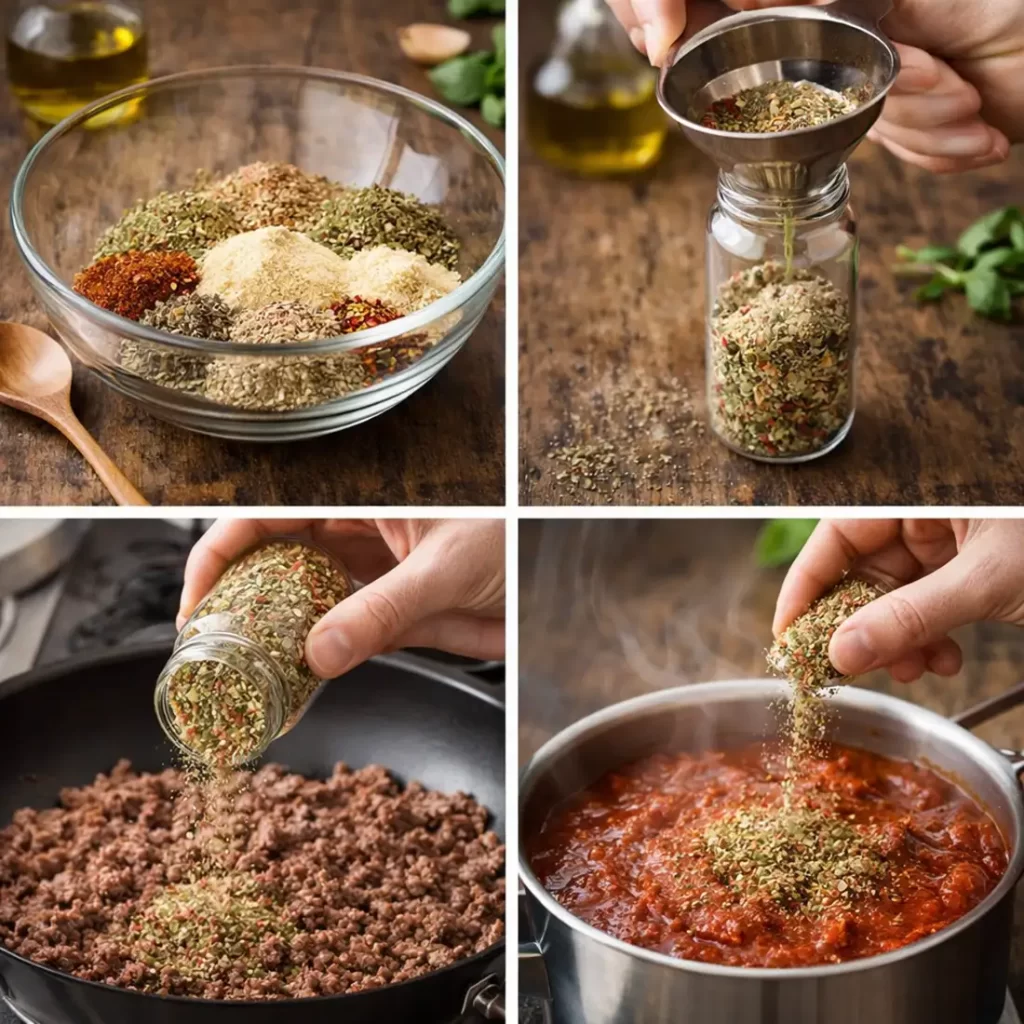
- Measure All Ingredients Carefully
Use measuring spoons to ensure balance. Precision is key for consistent flavor. - Combine in a Mixing Bowl
Add oregano, basil, garlic powder, onion powder, paprika, chili flakes, thyme, black pepper, salt, and sugar into a bowl. - Mix Thoroughly
Stir everything well until evenly combined. Make sure there are no clumps. - Add Parmesan (Optional)
If using, mix in grated Parmesan powder for extra richness. - Taste and Adjust
Want more heat? Add chili flakes. Prefer sweetness? Add a pinch more sugar. - Store Properly
Transfer the seasoning into an airtight glass jar. Store in a cool, dry place. - Shelf Life
Best used within 3 months for maximum freshness and aroma.
Pro Tip: Lightly crush herbs between your fingers before mixing to release their essential oils.
Pro Tips for Perfect Spaghetti Dust Seasoning
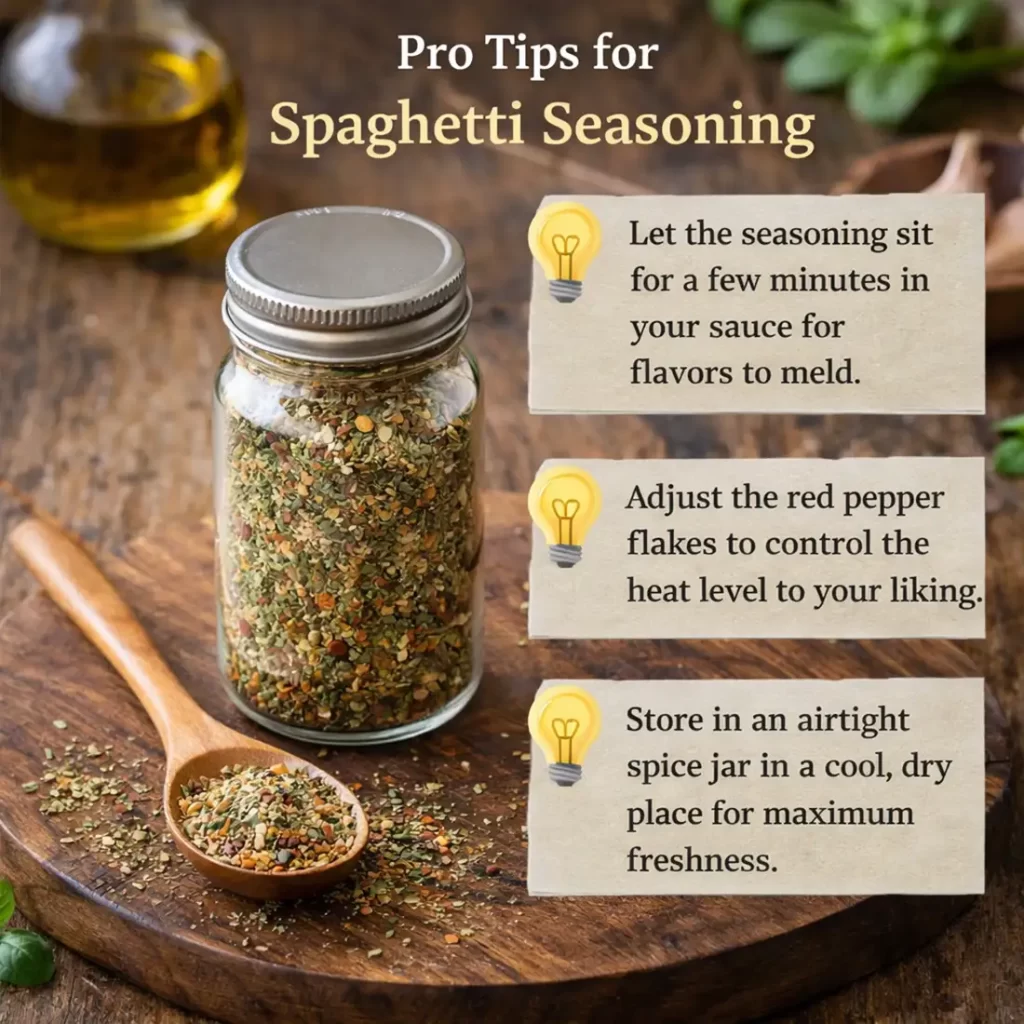
- Use Fresh Spices: Old spices lose potency, so always check freshness.
- Balance is Everything: Too much garlic or chili can overpower the blend.
- Layer the Flavor: Add seasoning during cooking, not just at the end.
- Grind for Smooth Texture: Use a spice grinder if you prefer a finer blend.
- Toast Lightly (Optional): Gently heating spices in a dry pan enhances aroma.
Common Mistake: Adding too much salt early – always taste your dish first!
Serving Suggestions
This spaghetti seasoning is incredibly versatile. Here’s how you can use it:
- Sprinkle over freshly cooked spaghetti with olive oil.
- Add to tomato-based sauces for enhanced flavor.
- Mix into ground meat for delicious spaghetti meat dishes.
- Use as a topping for garlic bread.
- Add to roasted vegetables for a Mediterranean twist.
Pair it with:
- Garlic bread
- Fresh salad
- Red wine or a refreshing lemonade
Want to take your pasta game further? Try pairing this with a creamy pasta like our white sauce pasta recipe for a unique twist!
Recipe Variations & Customizations
- Spicy Version: Add extra chili flakes or cayenne pepper.
- Smoky Blend: Use smoked paprika for depth.
- Herb-Heavy Mix: Increase basil and oregano for a greener flavor.
- Low-Sodium Option: Skip salt and adjust later in cooking.
- Vegan Version: Replace Parmesan with nutritional yeast.
You can also adapt this seasoning for pizza, soups, and even marinades.
Recipe Tested & Notes
I tested this spaghetti dust seasoning several times using different brands of dried herbs and a variety of spaghetti sauces. The biggest difference came from using fresh, aromatic herbs rather than spices that had been sitting in the pantry for a year or more. Fresh dried oregano and basil produced a brighter, more authentic Italian flavor.
I also tested the blend in three different ways:
- Mixed directly into homemade tomato sauce.
- Sprinkled over cooked spaghetti with butter and Parmesan.
- Added to ground beef while making spaghetti meat sauce.
The seasoning performed well in all three methods, but it delivered the richest flavor when added while the sauce simmered for about 15 minutes. This gave the herbs enough time to rehydrate and release their natural oils.
One interesting discovery was that a small amount of sugar really balanced the acidity of tomato sauce without making it taste sweet. I also found that adding Parmesan powder directly into the seasoning works well if you plan to use it within a few weeks, but for longer storage I recommend leaving it out and adding fresh Parmesan when serving.
Overall, this recipe produced a balanced seasoning that tastes fresher and more flavorful than most store-bought spaghetti seasoning blends.
Mistakes I Made
While developing this recipe, I made a few mistakes that completely changed the flavor. Here are some that are worth avoiding.
Using old herbs
My first batch tasted dull because the oregano and basil had been stored for over a year. Fresh dried herbs make a huge difference.
Adding too much garlic powder
I initially doubled the garlic powder, thinking it would create more flavor. Instead, it overpowered the herbs and masked the tomato flavor.
Too many chili flakes
A full tablespoon of chili flakes made the seasoning far too spicy for a family-friendly pasta dinner. One teaspoon provides gentle warmth without dominating the blend.
Grinding everything into a powder
I tried making an ultra-fine seasoning in a spice grinder. While it mixed easily into sauces, it lost much of the beautiful herb texture. Leaving the herbs slightly coarse gave better appearance and flavor.
Over-seasoning the sauce
Adding too much seasoning at once can make the herbs taste bitter. It’s always easier to add another teaspoon later than to fix an over-seasoned sauce.
Personal Cooking Tips Learned From Testing
After making this seasoning multiple times, I found a few simple tricks that consistently improve the final result.
- Crush the dried oregano and basil lightly between your fingers before mixing. This releases more aroma.
- Always add the seasoning before the sauce finishes cooking rather than after serving.
- If using ground beef, season the meat while browning it and again after adding the tomato sauce for deeper flavor.
- Let the seasoning sit in the sauce for at least 10 to 15 minutes before serving.
- Taste the sauce only after it has simmered. Dry herbs need time to soften before their true flavor develops.
- Keep a small shaker jar next to the stove for quick weeknight dinners.
- A final sprinkle over the finished pasta adds color and a burst of fresh herb flavor.
These small changes noticeably improved every batch I made.
Why I Prefer This Version
I’ve tried countless homemade spaghetti seasoning recipes over the years, but this version has become my favorite for several reasons.
First, it has a balanced herb flavor. Many recipes rely too heavily on garlic or Italian seasoning blends, which often hide the natural sweetness of tomatoes.
Second, it uses common pantry ingredients that are easy to find in almost any grocery store.
I also prefer controlling the salt level myself. Many packaged seasoning mixes contain much more sodium than necessary, while this homemade version lets you season each dish to your own taste.
Another reason I keep coming back to this recipe is its versatility. Besides spaghetti, I’ve used it in:
- Homemade pizza sauce
- Lasagna
- Meatballs
- Garlic butter
- Roasted vegetables
- Chicken marinades
- Homemade meatloaf
One jar can flavor multiple meals throughout the week, making it both economical and convenient.
Storage Notes Based on Actual Testing
After preparing several batches, I tested different storage methods to see which kept the seasoning freshest.
An airtight glass spice jar consistently preserved the aroma better than plastic containers. Stored in a cool, dark cabinet away from the stove, the seasoning stayed fragrant for about three months.
I noticed the herbs began losing their vibrant aroma around the fourth month, although they were still safe to use.
Here are my storage recommendations:
- Store in a clean, completely dry airtight glass jar.
- Keep away from direct sunlight.
- Avoid storing above the stove where heat and steam reduce freshness.
- Use a dry measuring spoon every time.
- Label the jar with the preparation date.
If you add Parmesan powder to the seasoning, I recommend refrigerating it and using it within two to three weeks. For longer shelf life, store the seasoning without Parmesan and add freshly grated cheese when serving.
Equipment Used
You don’t need any special equipment for this recipe. These basic kitchen tools are all that’s required.
- Measuring spoons
- Small mixing bowl
- Whisk or spoon
- Small funnel (helpful for transferring seasoning into jars)
- Airtight glass spice jar
- Labels or masking tape for dating the jar
Optional but useful:
- Spice grinder if you prefer a finer texture.
- Small fine-mesh sieve to remove large herb pieces if desired.
FAQs
1. Can I use fresh herbs instead of dried?
Yes, but dried herbs are better for longer shelf life and concentrated flavor.
2. How much seasoning should I use for spaghetti sauce?
Start with 1 to 2 teaspoons per cup of sauce and adjust to taste.
3. Can I store this seasoning long-term?
Yes, but it’s best used within 3 months for maximum flavor.
4. Is this seasoning good for meat dishes?
Absolutely! It works perfectly with ground beef, chicken, or even vegetarian meat alternatives.
5. Can I make it without sugar?
Yes, but sugar helps balance acidity in tomato sauces.
Substitutes & Ingredient Alternatives
- Replace oregano with Italian seasoning mix if needed.
- Use garlic granules instead of garlic powder for a stronger flavor.
- Substitute paprika with chili powder for extra heat.
- Use sea salt or pink salt for a cleaner taste.
- Nutritional yeast works great instead of Parmesan for vegan diets.
Nutritional Information (Per 1 Teaspoon)
- Calories: 5
- Protein: 0.2g
- Carbohydrates: 1g
- Fat: 0.1g
- Sodium: 120mg (varies based on salt)
Conclusion
Making your own spaghetti dust seasoning is one of the easiest ways to upgrade your cooking instantly. With just a few pantry spices, you can create a flavorful blend that beats any store-bought option.
This seasoning is not just for spaghetti – it’s a versatile mix that works across sauces, meats, and even snacks. Once you try it, you’ll never go back to plain pasta again.
So, are you ready to give your pasta a serious flavor boost?
Have you tried this recipe? Let us know in the comments!
If you loved this, don’t miss our Cafe Style White Sauce Pasta recipe for another delicious twist!