Table of Contents
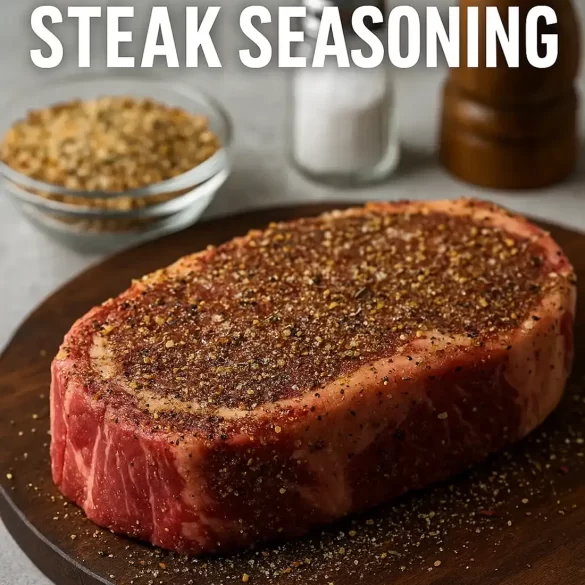
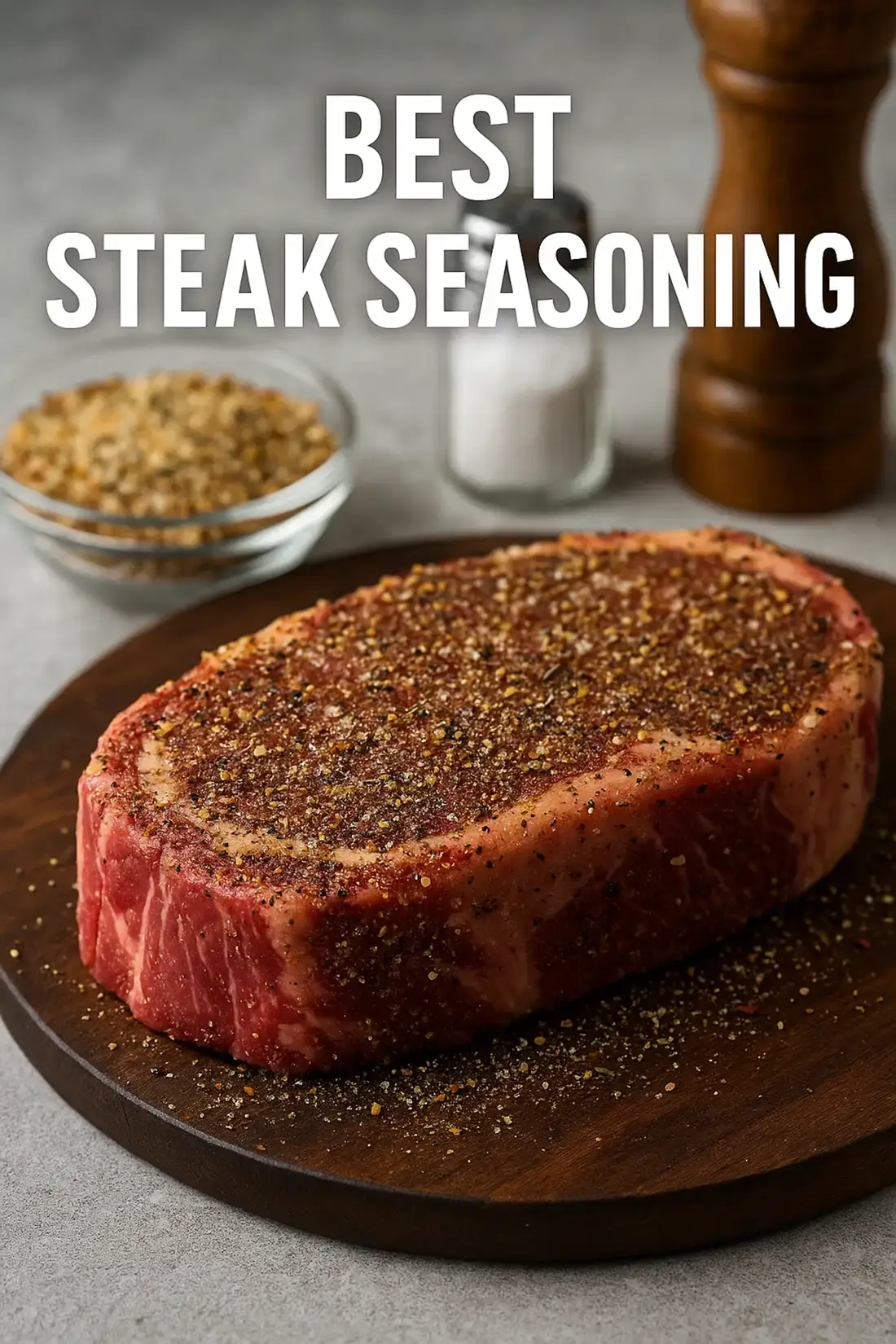
When it comes to grilling the perfect steak, you don’t need a dozen fancy sauces or marinades. What you truly need is the right steak seasoning – a blend that enhances the natural flavor of the beef without overpowering it. Whether you’re searing a ribeye in a cast iron pan or firing up the grill for a porterhouse, this homemade steak seasoning is your secret weapon for creating restaurant-quality steaks at home.
In this guide, we’ll walk you through the best steak seasoning recipe, step-by-step instructions, chef tips, serving suggestions, variations, and everything you need to know to make your steaks unforgettable.
Why This Steak Seasoning Recipe Is a Game-Changer
There’s something undeniably satisfying about a juicy, well-seasoned steak. And while you can easily grab a store-bought blend off the shelf, most of them are packed with preservatives, fillers, and excessive sodium.
This homemade steak seasoning is:
- Flavor-packed: With the perfect balance of salt, pepper, garlic, and herbs.
- Customizable: Adjust it to suit your personal taste.
- Budget-friendly: Made from pantry staples you probably already have.
- Clean and preservative-free: No MSG, anti-caking agents, or artificial ingredients.
This isn’t just any blend—it’s the best steak seasoning for anyone who loves deep, smoky, savory flavor with a subtle touch of heat and herbaceous notes.
Ingredients for the Best Steak Seasoning
Here’s what you’ll need to craft this flavorful, balanced spice mix:
- 2 tablespoons kosher salt
Provides the essential base that brings out the natural flavors of the steak. - 1 tablespoon coarse black pepper
Adds bold, sharp bite and classic steakhouse flair. - 1 tablespoon garlic powder
Gives an earthy, savory backbone to the seasoning. - 1 tablespoon onion powder
Enhances the umami profile and adds a subtle sweetness. - 1 tablespoon smoked paprika
Adds a mild smokiness and beautiful color to your steak crust. - 1 teaspoon crushed red pepper flakes (optional)
Brings a little heat—adjust to your spice preference. - 1 teaspoon dried rosemary
Offers a fragrant, woodsy note that pairs beautifully with beef. - 1 teaspoon dried thyme
Adds a gentle herbal complexity without being overpowering. - ½ teaspoon ground cumin
Provides depth and a whisper of warm, earthy spice.
Tip: Always use fresh, quality spices for best results. Stale spices can dull the flavor significantly.
How to Make Steak Seasoning at Home (Steps)
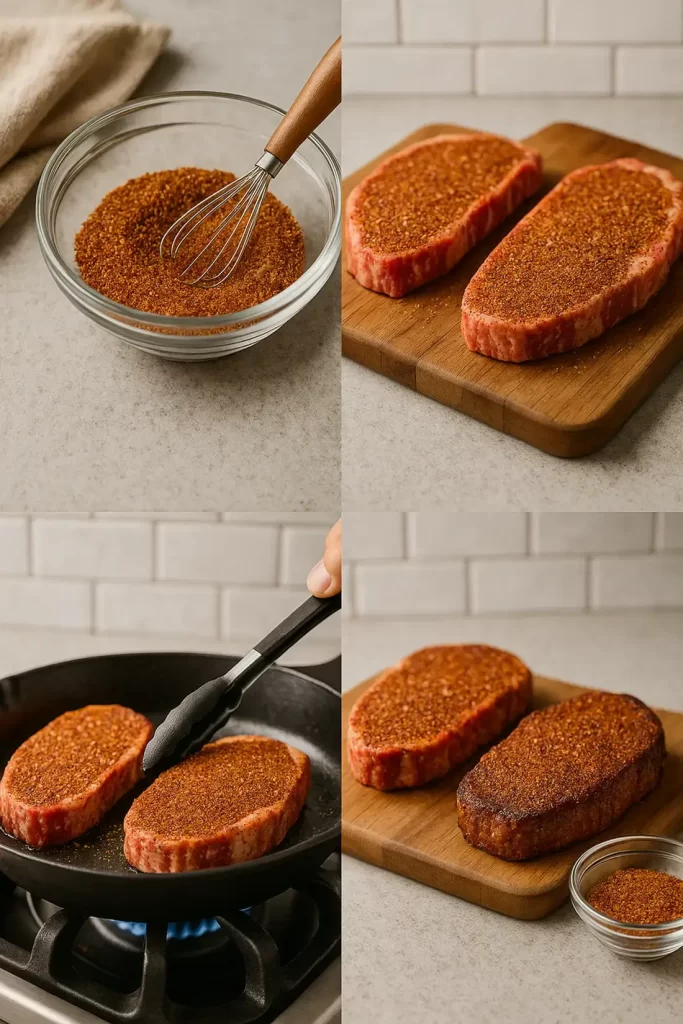
Making your own steak seasoning is as easy as mixing and storing. Here’s how to do it:
1. Measure Out Your Ingredients
Use a tablespoon and teaspoon to accurately measure each spice. Consistency matters, especially if you want to recreate the same flavor every time.
2. Combine in a Bowl
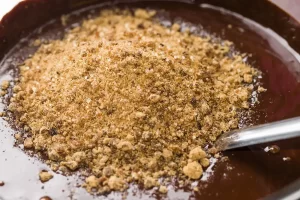
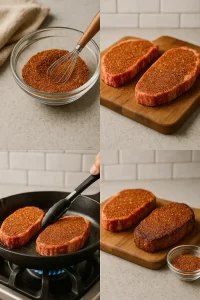
Add all your ingredients to a small mixing bowl. Use a whisk or fork to ensure even distribution. You want every pinch to be well balanced.
3. Optional: Pulse in a Spice Grinder
If you prefer a finer blend, pulse the mixture a few times in a spice grinder. This helps incorporate the dried herbs more uniformly into the seasoning.
4. Store Properly
Transfer the seasoning to an airtight container or glass spice jar. Label it with the date and store in a cool, dark pantry. It will stay fresh for up to 6 months.
Pro Tip: Make a double batch so you always have it on hand. It works great for other proteins too!
How to Use Steak Seasoning (Perfect Application)
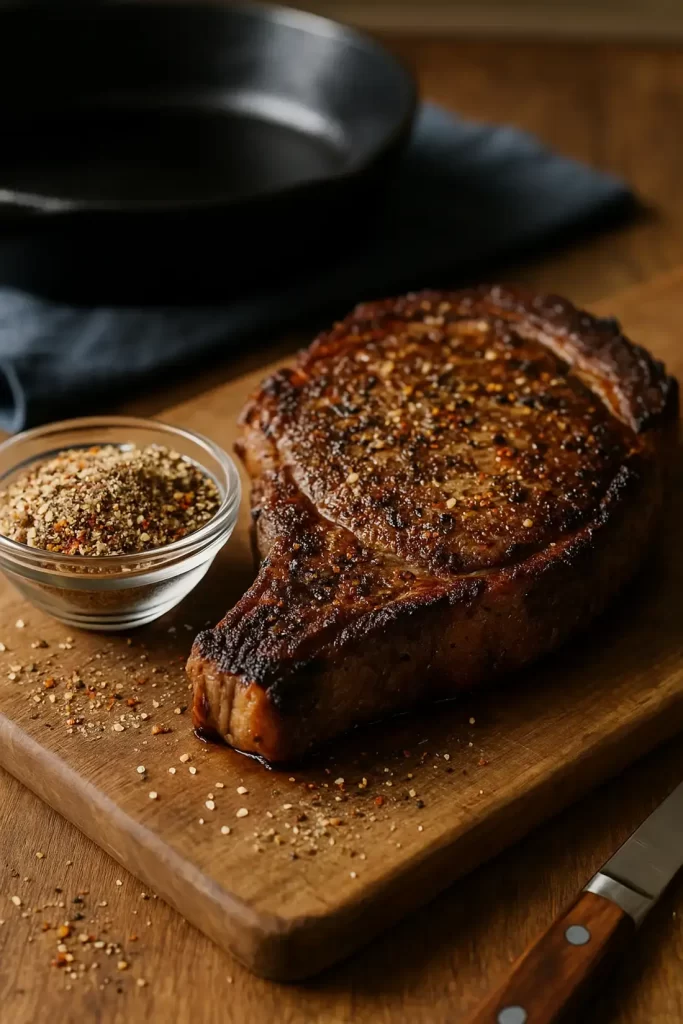
You’ve got your seasoning — now let’s talk about how to actually use it on steak.
1. Choose Your Steak Cut
This seasoning works with everything from filet mignon to sirloin, but it truly shines on fattier cuts like ribeye, T-bone, porterhouse, and New York strip.
2. Pat the Steak Dry
Before seasoning, use a paper towel to pat the steak dry. Moisture on the surface can prevent a good crust from forming.
3. Apply Generously
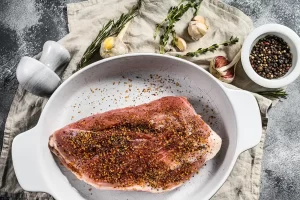
Sprinkle the seasoning evenly on all sides of the steak. Don’t be shy — a thick cut of meat can handle a generous coating.
4. Let It Sit
Let the steak sit at room temperature for 30–45 minutes. This allows the seasoning to penetrate the meat and helps the steak cook evenly.
5. Cook Your Steak
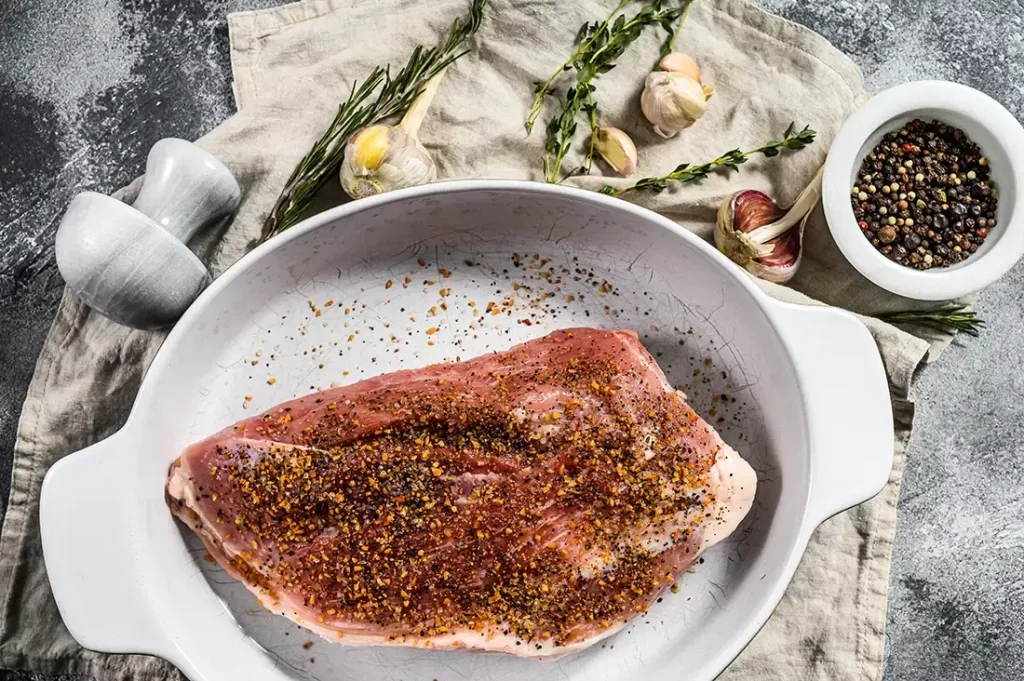
Grill, sear, or broil your steak to your desired doneness. For best results, use a meat thermometer (130°F for medium-rare).
6. Rest Before Serving
Always let your steak rest for 5–10 minutes after cooking. This helps the juices redistribute and keeps the meat tender.
Pro Tips for the Best Steak Seasoning Experience
- Salt early if you have time: Salt draws moisture out, then gets reabsorbed, enhancing the flavor. Salt steaks 1 hour ahead for every inch of thickness.
- Use high heat: Whether grilling or pan-searing, high heat ensures a good crust.
- Don’t overcook: Pull the steak a few degrees below your target doneness, as it will continue cooking while resting.
- Use compound butter: Top the finished steak with garlic herb butter to take it to another level.
- Let it marinate: You can mix this seasoning with olive oil and a splash of soy sauce to create a quick dry rub marinade.
Serving Suggestions
This homemade steak seasoning is incredibly versatile and can be used far beyond just steak. Its bold, balanced flavor makes it perfect for seasoning a variety of proteins and dishes:
- Steaks & Beef Cuts – Rub generously onto ribeye, sirloin, strip steak, or filet before grilling, pan-searing, or broiling.
- Roasted or Grilled Vegetables – Sprinkle over potatoes, asparagus, bell peppers, or mushrooms before roasting for a savory boost.
- Burgers & Ground Beef – Mix into ground beef for burgers, meatballs, or meatloaf to add deep, steakhouse-style flavor.
- Chicken & Pork – Use as a dry rub for chicken breasts, thighs, pork chops, or pork tenderloin.
- Seafood – Lightly season shrimp or salmon for a bold but balanced finish.
- Potatoes & Sides – Toss with fries, wedges, or hash browns before baking or air frying.
For a complete meal, pair seasoned steak with garlic mashed potatoes, grilled asparagus, or a crisp Caesar salad. Serve with a bold red wine like Cabernet Sauvignon or a dark stout beer for a restaurant-quality experience at home.
Variations & Customizations
Want to tweak your blend? Here are a few easy ways to change it up:
Make It Spicier
- Add extra red pepper flakes or a pinch of cayenne pepper.
Make It Smokier
- Swap regular paprika for hot smoked paprika or add a touch of chipotle powder.
Herb-Forward Blend
- Add oregano or sage for more depth.
Sugar for Caramelization
- A teaspoon of brown sugar helps create a beautiful caramelized crust, especially if you’re grilling.
Low-Sodium Version
- Reduce the salt by half if you’re watching sodium intake.
Recipe Tested & Notes
I tested this steak seasoning several times using ribeye, New York strip, and sirloin steaks to find the right balance of salt, pepper, garlic, and herbs. The goal was to create a seasoning that enhances the beef rather than covering its natural flavor.
Here are my testing notes:
- Ribeye delivered the richest flavor because the fat absorbed the seasoning beautifully during cooking.
- New York strip developed an excellent crust with this blend thanks to the coarse black pepper and smoked paprika.
- Sirloin benefited from letting the seasoning sit on the meat for about 40 minutes before cooking.
- Coarse kosher salt consistently produced better results than fine table salt.
- Freshly cracked black pepper created a much more flavorful crust than pre-ground pepper.
- Smoked paprika gave the steak a subtle smoky flavor without needing a smoker.
- The seasoning also worked surprisingly well on grilled chicken and roasted potatoes.
After multiple batches, this ratio became my favorite because every ingredient contributes without overpowering the steak.
Mistakes I Made
Testing a recipe usually means making a few mistakes along the way. Here are the biggest lessons I learned.
Using Fine Table Salt
My first batch was overly salty because I substituted kosher salt with table salt using the same measurement. Table salt is much denser and can easily overpower the seasoning.
Seasoning Right Before Cooking
Cooking immediately after seasoning didn’t give the salt enough time to penetrate the meat. The flavor stayed mostly on the surface.
Using Old Spices
An older container of paprika made one batch taste dull and flat. Fresh spices made a noticeable difference.
Cooking Over Low Heat
A lower pan temperature prevented the steak from developing that dark, flavorful crust. High heat is essential for the best results.
Overseasoning Thin Steaks
Thin steaks require less seasoning than thick cuts. Using the same amount made them taste too salty.
Personal Cooking Tips Learned From Testing
After making this seasoning multiple times, these are the small details that consistently improved the final steak.
- Always pat the steak completely dry before adding seasoning.
- Let the steak sit at room temperature for 30 to 45 minutes before cooking.
- Press the seasoning gently onto the surface instead of rubbing it aggressively.
- Use freshly cracked black pepper whenever possible.
- Flip the steak only once while cooking to develop a better crust.
- Rest the cooked steak for at least 5 to 10 minutes before slicing.
- If grilling, lightly oil the steak instead of the grill grates to reduce sticking.
- Make a double batch of seasoning because it disappears quickly once everyone starts using it on burgers, chicken, and vegetables.
Why I Prefer This Version
After trying several homemade and store-bought steak seasonings, this is the version I keep coming back to.
Here’s why.
- The seasoning highlights the natural beef flavor instead of hiding it.
- There are no preservatives, anti-caking agents, or unnecessary fillers.
- The balance of garlic, onion, pepper, herbs, and paprika works with almost every steak cut.
- It creates an attractive dark crust without burning.
- The ingredients are affordable and available in almost every grocery store.
- The recipe is easy to customize for spicy, smoky, or low-sodium preferences.
- It tastes just as good on burgers, pork chops, grilled vegetables, and chicken.
Most importantly, every batch has been consistently delicious during testing.
Storage Notes Based on Actual Testing
I tested several storage methods to see how well the seasoning maintained its flavor.
Pantry
Stored in a sealed glass spice jar inside a cool, dark cabinet, the seasoning stayed fresh for around 6 months.
Plastic Container
It remained usable, but the aroma faded slightly after about 4 months.
Near the Stove
I don’t recommend storing it here. Heat and steam caused the spices to lose their freshness much faster.
Best Storage Tips
- Store in an airtight glass spice jar.
- Keep away from direct sunlight.
- Avoid moisture by using a completely dry spoon.
- Label the container with the preparation date.
- Shake the jar before each use since heavier spices naturally settle.
Equipment Used
You don’t need any special equipment to make this recipe.
- Measuring spoons
- Small mixing bowl
- Mini whisk or fork
- Airtight glass spice jar
- Funnel (optional for easy transfer)
- Cast iron skillet or grill for cooking steaks
- Instant-read meat thermometer
- Tongs
- Paper towels
- Sharp chef’s knife
- Wooden cutting board
Frequently Asked Questions
Can I use this steak seasoning on other meats?
Absolutely. It’s amazing on chicken thighs, pork chops, burgers, and even roasted vegetables.
Should I season the steak before or after cooking?
Before cooking. Letting it sit with seasoning helps develop flavor and a great crust.
How long can I store homemade steak seasoning?
Up to 6 months if stored in an airtight container in a cool, dark place.
Can I use fine salt instead of kosher salt?
You can, but reduce the quantity slightly as fine salt is denser and can make the seasoning too salty.
Is this seasoning good for cast iron cooking?
Yes! It works beautifully in a hot cast iron skillet — just make sure to oil your pan properly.
Can I use table salt instead of kosher salt?
Yes, but reduce the amount by about one-third because table salt is much finer and saltier by volume.
Does this recipe contain sugar?
No. This steak seasoning is completely sugar-free, making it ideal for those following low-carb or keto diets.
Can I use it in an air fryer?
Yes. Season the steak as directed and cook it in the air fryer according to the thickness and your preferred level of doneness.
Is homemade steak seasoning better than store-bought?
In my experience, yes. Homemade seasoning tastes fresher, contains no unnecessary additives, and can be customized exactly to your preferences.
Ingredient Substitutes & Alternatives
Don’t have everything in your pantry? No problem. Here are some easy swaps:
- Kosher salt → Sea salt or Himalayan pink salt.
- Smoked paprika → Sweet paprika + a dash of liquid smoke.
- Garlic powder → Granulated garlic or fresh garlic in a marinade.
- Onion powder → Minced dried onion.
- Thyme/Rosemary → Italian seasoning or Herbs de Provence.
- Cumin → Coriander or chili powder for a different flavor profile.
Basic Nutritional Information (Per Teaspoon)
This will vary depending on your exact ratios, but for a standard serving:
- Calories: 5 kcal
- Carbohydrates: 1 g
- Protein: 0 g
- Fat: 0 g
- Sodium: ~400 mg
- Sugar: 0 g
It’s low in calories and adds tons of flavor without fat or sugar — perfect for clean eating!
Final Thoughts
A good steak doesn’t need to be complicated — it just needs to be seasoned right. This steak seasoning recipe is bold, balanced, and built for flavor. Whether you’re a grill master or a beginner learning how to cook the perfect steak, this blend has you covered.
So, the next time you’re staring at a beautiful cut of beef and wondering how to make it shine, remember: all it takes is a perfect seasoning blend.
Have you tried this recipe yet? Let us know in the comments how your steak turned out — and don’t forget to rate the recipe!
If you love this, check out our Grilled Chicken Margherita or Garlic and Herb Seasoning for more bold, flavor-packed ideas.