Table of Contents
If you’re a fan of bold, fresh flavors, you’ve probably come across the legendary Serious Eats Pesto Recipe. This aromatic and rich green sauce, hailing from Italian cuisine, is a versatile staple loved for its perfect blend of basil, garlic, pine nuts, parmesan, and olive oil. Whether you’re tossing it into pasta or drizzling it over a dish, pesto adds a delightful herbal punch. In this blog post, we’ll guide you through how to make Serious Eats Pesto Recipe, provide useful tips, offer suggestions for where to use it, answer frequently asked questions, and more!
What Makes This Pesto Recipe Special?
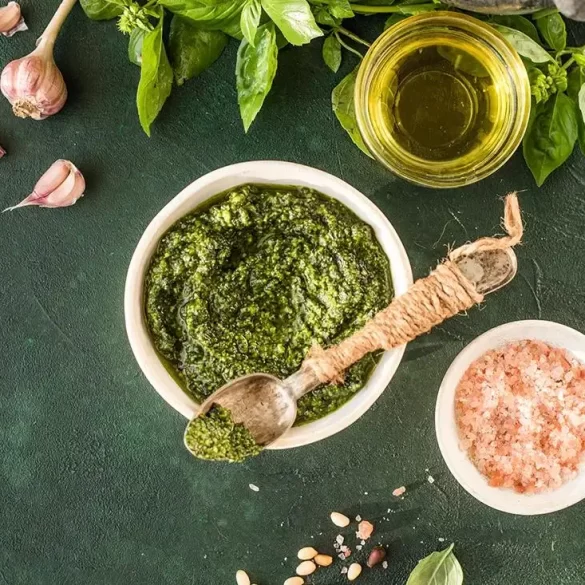
This pesto recipe is inspired by the popular version known for its fresh, vibrant flavor and perfectly balanced ingredients. What makes it stand out is the combination of fresh basil, garlic, olive oil, nuts, and cheese blended into a smooth and aromatic sauce.
Unlike basic pesto recipes, this version focuses on achieving a rich and well-rounded taste by using high-quality ingredients and the right blending technique. The result is a bright green sauce with a bold, herby flavor that works perfectly with pasta, sandwiches, and more.
How to Make Serious Eats Pesto Recipe
Ingredients for Serious Eats Pesto Recipe
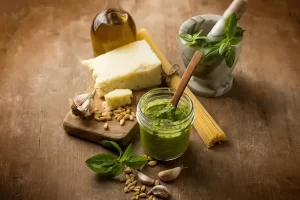
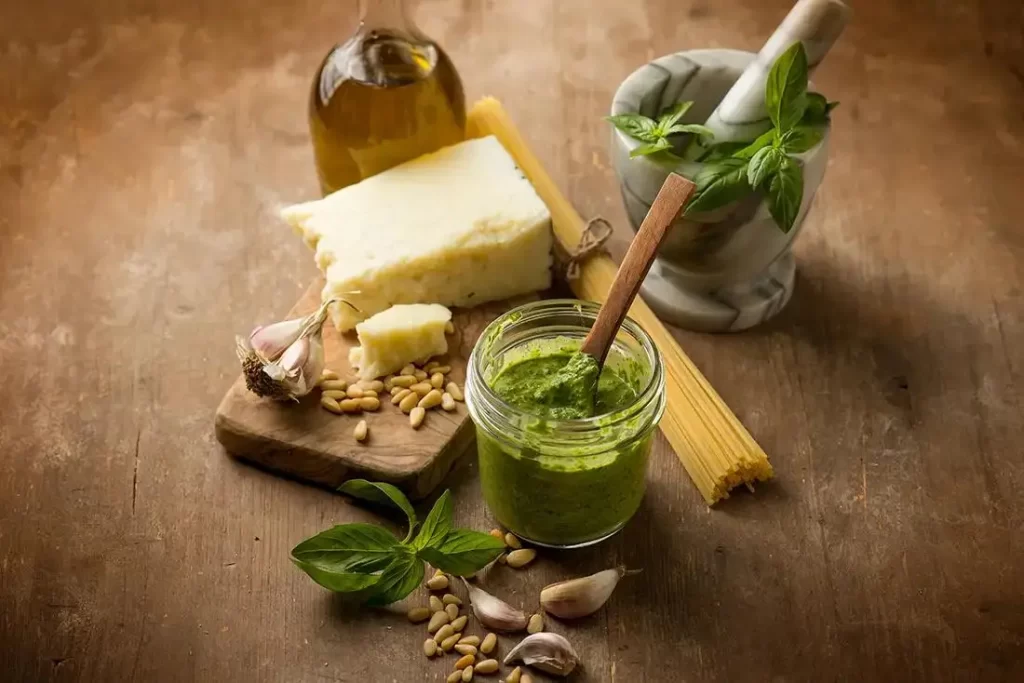
To replicate the authentic flavor of Serious Eats Pesto, you’ll need a handful of fresh, high-quality ingredients:
- 2 cups fresh basil leaves (packed)
- 1/2 cup grated Parmigiano-Reggiano cheese
- 1/4 cup pine nuts (toasted for extra depth)
- 2-3 cloves garlic (minced)
- 1/2 cup extra-virgin olive oil (cold-pressed, if possible)
- 1/4 cup Pecorino Romano cheese (optional for a sharper flavor)
- Salt and freshly ground black pepper, to taste
- 1/2 teaspoon fresh lemon juice (optional for a touch of acidity)
Pro tip: Fresh basil is the heart of pesto, so make sure to choose bright green, tender leaves for the best flavor.
Instructions to Make Serious Eats Pesto
- Prepare the Basil (freshness): Start by washing the basil leaves and thoroughly drying them. Any excess moisture can dilute the pesto, so it’s important the leaves are dry.
- Toast the Pine Nuts: Toasting pine nuts is optional but highly recommended. Heat a dry skillet over medium heat, then add the pine nuts. Stir occasionally until they become golden and aromatic, about 3-5 minutes. Allow them to cool.
- Combine Ingredients: In a food processor, add the garlic, toasted pine nuts, and a pinch of salt. Pulse a few times to chop and combine the ingredients.
- Add the Basil: Next, add the basil leaves to the food processor. Pulse until the mixture forms a smooth paste.
- Cheese & Oil: Add in both the Parmigiano-Reggiano and Pecorino Romano cheeses (if using). With the food processor running on low speed, slowly drizzle in the extra-virgin olive oil. Blend until the mixture becomes creamy and smooth.
- Season: Taste the pesto and season with salt, black pepper, and a squeeze of lemon juice (if desired) to brighten up the flavor.
- Final Mix: Once you’ve achieved the desired consistency, transfer your pesto into a jar or bowl. Cover it with a thin layer of olive oil to preserve freshness and prevent browning.
Tips for Making the Best Serious Eats Pesto Recipe
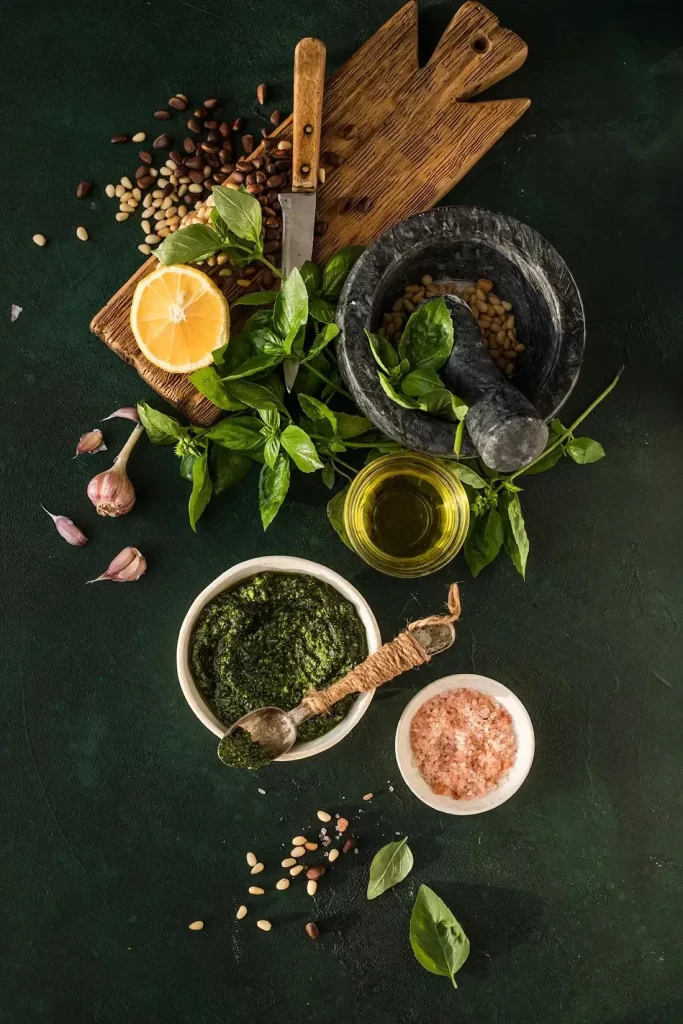
- Use a Mortar and Pestle for Authentic Texture: If you want to stay true to traditional methods, try making pesto using a mortar and pestle. Though it requires more effort, it results in a coarser, more textured pesto that many argue has a richer flavor than machine-blended versions.
- Choosing the Right Cheese: Using high-quality Parmigiano-Reggiano and Pecorino Romano gives your pesto that distinct savory punch. If you can’t find Pecorino, simply using Parmesan is also fine.
- Keep the Basil Fresh: Basil tends to oxidize and turn brown quickly. To avoid this, ensure your basil leaves are completely dry, and consider chilling them slightly before use.
- Don’t Overblend: Over-blending your pesto can result in a paste that’s too smooth and lacks texture. Pulse the ingredients just enough to combine them but still retain a bit of chunkiness.
- Storing the Pesto: Pesto can be stored in the refrigerator for up to a week. To prevent browning, cover the top with a thin layer of olive oil before sealing the jar.
Where to Use Serious Eats Pesto
Pesto is incredibly versatile and can be used to elevate a variety of dishes. Here are a few ideas:
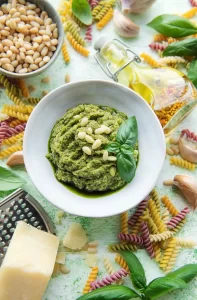
- Pasta: Toss your favorite pasta (spaghetti, linguine, or penne) in pesto for a quick, flavorful meal.
- Pizza: Swap out traditional tomato sauce for pesto on your next homemade pizza for a deliciously unique twist.
- Sandwiches: Spread pesto on your sandwich or panini for a zesty, fresh flavor.
- Grilled Vegetables: Drizzle pesto over grilled vegetables such as zucchini, bell peppers, or asparagus to add a herbaceous flair.
- Salads: Mix pesto into a vinaigrette to create a pesto salad dressing, perfect for fresh greens or pasta salads.
- Meats and Fish: Serve pesto alongside grilled chicken, fish, or steak as a vibrant accompaniment.
Recipe Tested & Notes
I tested this Serious Eats-inspired pesto recipe several times to get the right balance of fresh basil, Parmesan, pine nuts, garlic, and extra-virgin olive oil. The goal was a pesto that tasted fresh and vibrant rather than overly oily, bitter, or dominated by garlic.
One of the biggest differences I noticed during testing was the treatment of the basil. Fresh basil can darken quickly when exposed to air, heat, or excessive processing. Working with chilled ingredients and avoiding unnecessary blending helped the pesto retain a fresher color and flavor.
I also found that toasting the pine nuts lightly added a wonderful nutty flavor. However, they need close attention because they can go from lightly golden to burnt very quickly.
Freshly grated Parmesan made the pesto taste noticeably better than pre-shredded cheese. It blended more easily and gave the sauce a smoother texture.
The garlic needed some restraint. Too much raw garlic can overpower the delicate basil and Parmesan. A moderate amount gave the pesto a pleasant savory bite without taking over.
The amount of olive oil also mattered. Adding it gradually allowed me to control the consistency instead of ending up with a pesto that was too thin or greasy.
For the best texture, I preferred processing the basil, nuts, garlic, and cheese until combined and then gradually incorporating the olive oil. This gave me better control over the final pesto.
I found that the finished pesto was best when served soon after making it. Tossing it with hot pasta and a small amount of pasta water created a silky sauce that coated the noodles beautifully.
Mistakes I Made
Over-processing the basil
Processing the basil for too long produced a darker pesto and a less fresh flavor. Short pulses worked better.
Using warm pine nuts
Hot toasted pine nuts can affect the basil when combined immediately. Letting them cool first gave better results.
Burning the pine nuts
Pine nuts toast quickly. I found that staying near the pan and stirring frequently prevented them from becoming bitter.
Adding too much garlic
The first versions with too much garlic overwhelmed the basil. A smaller amount created a better balance.
Using too much olive oil
Too much oil made the pesto loose and greasy. Adding it gradually allowed me to stop when the texture was right.
Personal Cooking Tips Learned From Testing
These tips gave me the best results:
- Use fresh, fragrant basil with bright green leaves.
- Remove any damaged or wilted basil leaves.
- Wash basil gently and dry it thoroughly.
- Excess water can make the pesto watery and dilute its flavor.
- Lightly toast pine nuts for extra nuttiness.
- Let toasted nuts cool before processing.
- Use freshly grated Parmesan.
- Add garlic gradually if you prefer a milder flavor.
- Pulse instead of continuously processing.
- Avoid overheating the pesto.
- Add olive oil gradually.
Storage Notes Based on Actual Testing
Fresh pesto is best immediately after preparation, but it can be stored successfully when handled properly.
Refrigerator Storage
Transfer the pesto to a clean airtight container.
Press a piece of food-safe plastic wrap directly against the surface if desired. This reduces the amount of air contacting the pesto and can help slow browning.
A thin layer of olive oil over the surface can also help limit air exposure.
Refrigerate promptly.
For the best flavor and color, use homemade pesto within a few days.
Freezing
Pesto freezes very well.
I recommend freezing it in small portions rather than one large container. Ice cube trays work particularly well because each portion can be used for pasta, sandwiches, vegetables, or sauces.
Once frozen, transfer the pesto portions to a freezer-safe bag or container.
Thawing
Thaw the amount you need in the refrigerator or gently bring it to temperature before using.
Avoid repeatedly freezing and thawing the entire batch.
Does Frozen Pesto Change Color?
Yes. Freezing can slightly affect the bright green color, but the flavor can remain very good.
Freezing pesto in small portions and limiting exposure to air helps maintain better quality.
Storage Tip
If you are making pesto specifically for future pasta dinners, freeze it in individual portions. This makes it much easier to grab exactly what you need without thawing the entire batch.
Equipment Used
These tools make this homemade pesto recipe easy to prepare:
- Food processor
- Small skillet
- Wooden spoon
- Silicone spatula
- Measuring cups
- Measuring spoons
- Chef’s knife
- Cutting board
- Fine grater or box grater
- Airtight storage container
- Ice cube tray, optional
- Freezer-safe bag or container, optional
Frequently Asked Questions (FAQs)
1. Can I freeze pesto?
Yes, pesto freezes exceptionally well! Spoon it into an ice cube tray, freeze until solid, then transfer the cubes to a resealable plastic bag. This way, you can pop out a single portion whenever you need it.
2. How long does pesto last in the fridge?
Pesto will last in the fridge for up to 5-7 days. To keep it fresh, cover the top with a layer of olive oil and store it in an airtight container.
3. Can I make pesto without nuts?
Yes! You can omit the pine nuts or substitute them with sunflower seeds, pumpkin seeds, or even walnuts for a different flavor.
4. What can I use if I don’t have a food processor?
If you don’t have a food processor, you can use a blender on a low setting. Alternatively, a mortar and pestle will work for a more rustic texture.
5. Can I make pesto without basil?
If you’re out of basil, you can substitute it with other herbs like parsley, spinach, or arugula for a different take on the classic recipe.
Substitutes for Serious Eats Pesto Recipe
If you don’t have the exact ingredients on hand or prefer alternative flavors, here are some substitutions:
- Basil Substitutes: Replace basil with spinach, arugula, parsley, or cilantro. Each will offer a unique flavor profile.
- Pine Nuts Substitutes: Walnuts, almonds, or sunflower seeds make great alternatives to pine nuts. Toast them for a richer flavor.
- Parmesan Cheese Substitutes: If you can’t find Parmigiano-Reggiano, you can use Grana Padano, Pecorino Romano, or even a high-quality vegetarian hard cheese.
- Olive Oil Substitutes: While olive oil is key, you can substitute it with a mild-flavored oil like avocado or grapeseed oil in a pinch.
Nutrition Information for Serious Eats Pesto Recipe
Pesto is packed with healthy fats from olive oil and nuts, but it can be calorie-dense due to its rich ingredients. Below is an approximate nutritional breakdown for a 2-tablespoon serving of Serious Eats Pesto:
- Calories: 190
- Fat: 20g (mainly from heart-healthy olive oil)
- Sodium: 100mg (varies depending on the salt and cheese used)
- Carbohydrates: 1g
- Protein: 2g
While pesto is nutrient-dense, it’s best enjoyed in moderation, especially if you’re mindful of calorie or fat intake. However, its nutrient-packed ingredients provide antioxidants from basil, heart-healthy fats from olive oil, and a good dose of calcium from cheese.
Conclusion
Making Serious Eats Pesto Recipe at home is a quick and easy way to enjoy the vibrant flavors of Italy. Whether you’re using it in pasta, as a pizza base, or as a dip, this versatile sauce can take your meals to the next level. By following this step-by-step guide, you’ll be able to recreate the deliciousness of Serious Eats Pesto right in your kitchen. Don’t forget to get creative with substitutions, and enjoy the pesto in a variety of dishes!