Table of Contents
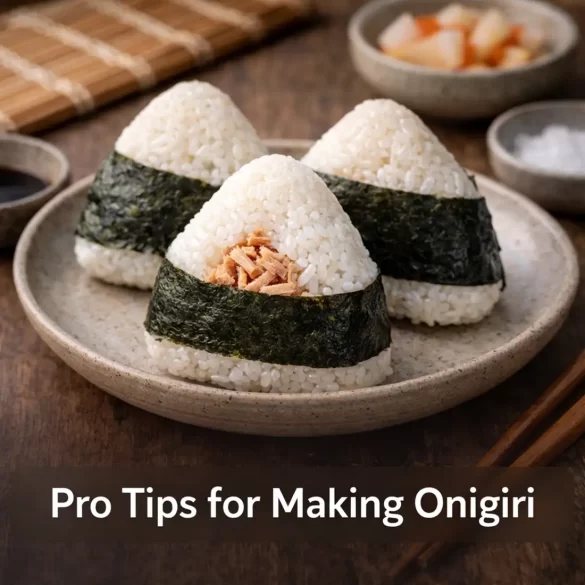
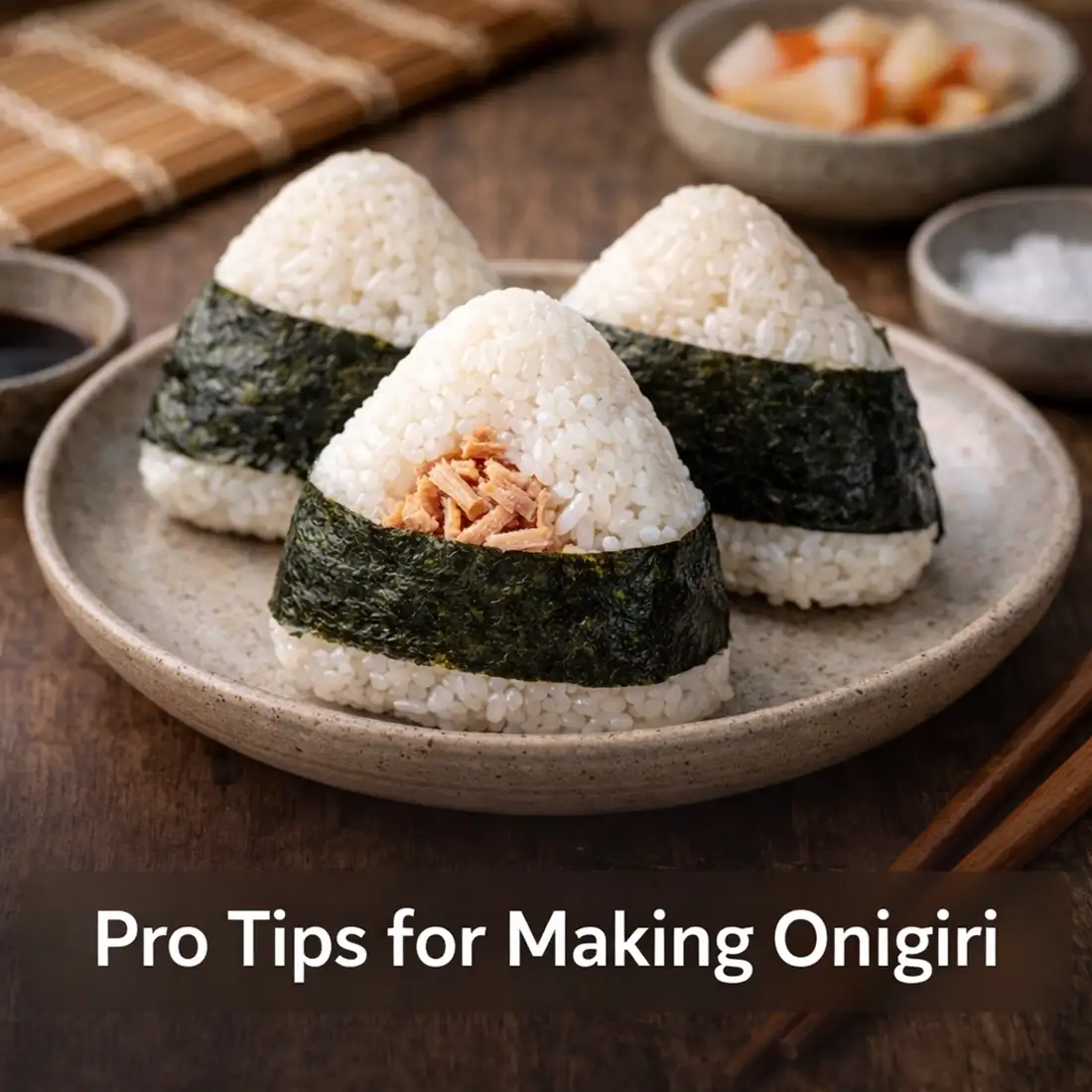
If you’ve ever watched anime or explored Japanese cuisine, you’ve probably seen those cute triangular rice balls wrapped in seaweed – yes, we’re talking about the classic Onigiri Recipe. Simple, comforting, and incredibly satisfying, onigiri is one of Japan’s most beloved snacks.
What makes this dish special? It’s incredibly versatile, budget-friendly, and surprisingly easy to make at home. Whether you’re craving a quick snack, a lunchbox idea, or a light meal, this easy recipe checks all the boxes.
Onigiri, also known as “omusubi,” has been a staple in Japanese households for centuries. Traditionally, it was prepared as a portable meal for travelers and samurai. Today, it’s found everywhere—from convenience stores to high-end bento boxes.
The beauty of this Japanese recipe lies in its simplicity. With just a few ingredients like rice, salt, and fillings, you can create something truly delicious. Plus, you can customize it endlessly based on your taste.
So, ready to master the perfect onigiri? Let’s get started!
Ingredients for Onigiri Recipe
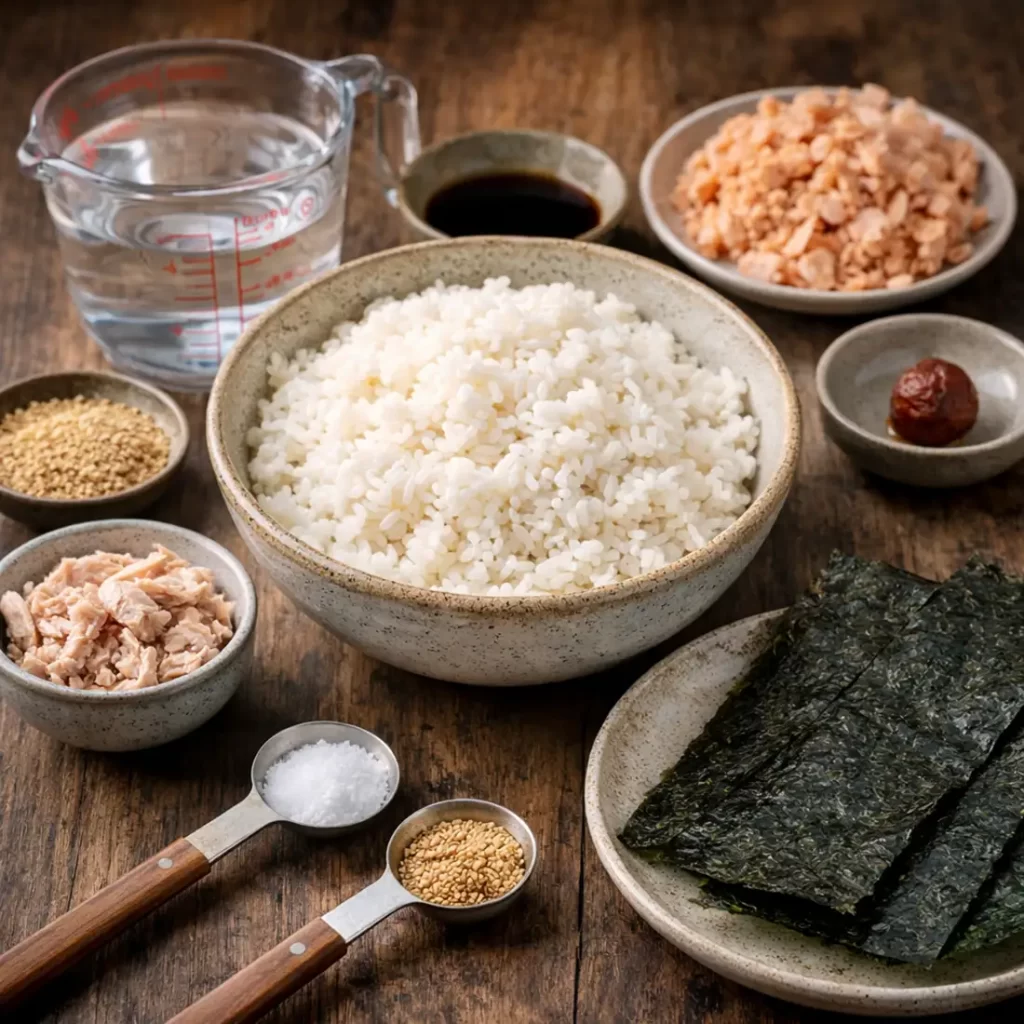
Here’s everything you’ll need to make authentic onigiri at home:
- 2 cups short-grain Japanese rice – This rice gives the perfect sticky texture needed to shape onigiri.
- 2½ cups water – Helps cook the rice evenly and achieve a soft consistency.
- 1 teaspoon salt – Enhances flavor and helps preserve the rice slightly.
- 2–3 sheets nori (seaweed) – Adds umami flavor and makes onigiri easy to hold.
- ½ cup cooked salmon (flaked) – A classic filling that adds richness and protein.
- ¼ cup tuna mixed with mayonnaise – Creamy and flavorful filling option.
- 2 tablespoons pickled plum (umeboshi) – Adds a tangy, traditional Japanese taste.
- 1 tablespoon soy sauce (optional) – For brushing or dipping for extra flavor.
Optional Ingredients & Substitutes:
- Use brown rice for a healthier version (texture will be slightly different).
- Replace salmon with grilled chicken or tofu for variation.
- Add sesame seeds for a nutty crunch.
- Use vegan mayo for a plant-based option.
Step-by-Step Instructions (Onigiri Recipe)
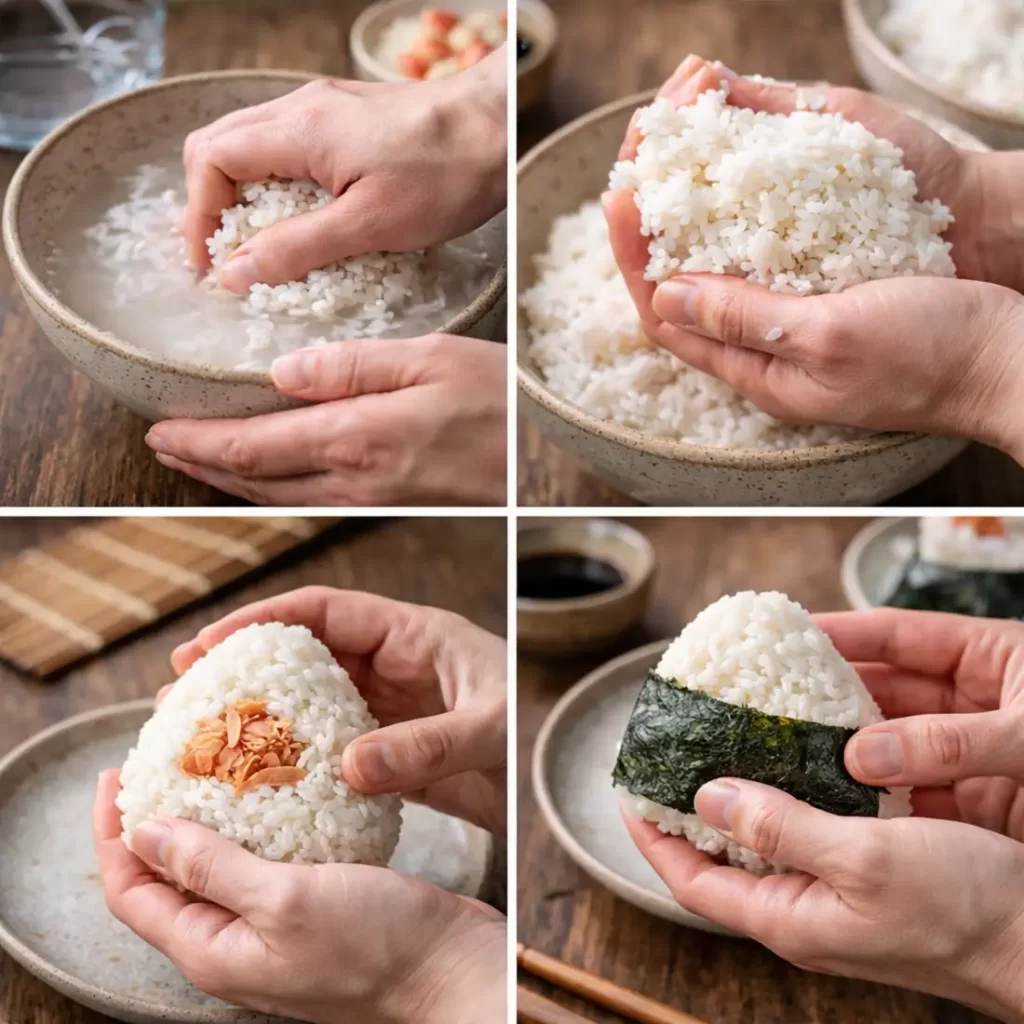
Follow these simple steps to make perfect onigiri:
1. Wash the Rice
Rinse the rice in cold water 3–4 times until the water runs clear.
Pro Tip: This removes excess starch and prevents overly sticky rice.
2. Cook the Rice
Add rice and water to a pot or rice cooker. Cook until soft and fluffy.
Let it rest for 10 minutes after cooking.
3. Prepare Your Hands
Lightly wet your hands with water and sprinkle a pinch of salt on your palms.
This prevents sticking and adds flavor.
4. Shape the Rice
Take about ½ cup of warm rice and place it in your palm.
Make a small indentation in the center.
5. Add Filling
Place your desired filling (salmon, tuna, or umeboshi) inside the indentation.
6. Form the Onigiri
Gently mold the rice into a triangle or round shape.
Avoid pressing too hard—keep it light and fluffy.
7. Wrap with Nori
Wrap a strip of nori around the onigiri just before serving.
8. Optional Flavor Boost
Lightly brush with soy sauce or sprinkle sesame seeds.
Pro Tips for a Perfect Onigiri Recipe
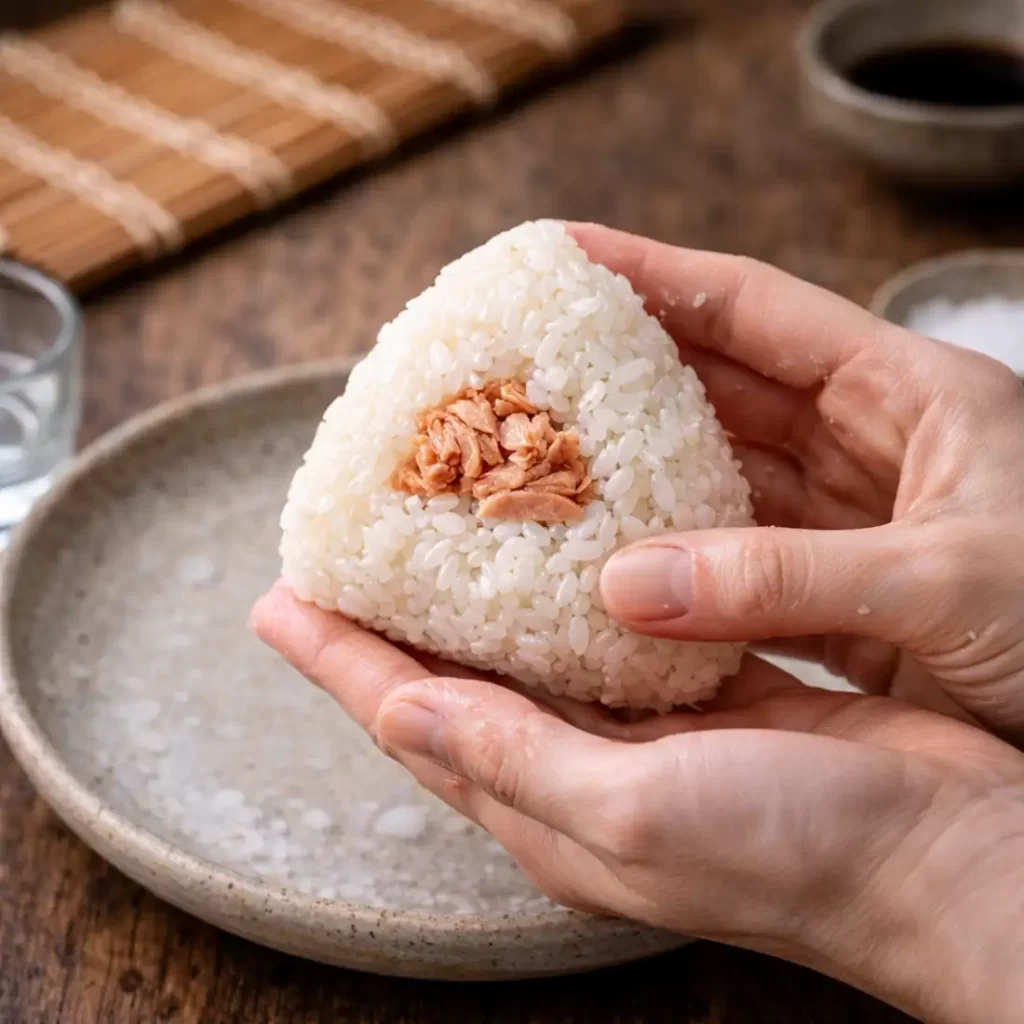
Want to make your onigiri truly restaurant-quality? Here are some expert tips:
- Use warm rice: Cold rice won’t stick properly.
- Don’t over-compress: Gentle shaping keeps the texture soft.
- Salt your hands lightly: This adds subtle flavor without overpowering.
- Use fresh nori: It should be crisp, not chewy.
- Try a mold: If shaping is tricky, use an onigiri mold for perfect results.
Common Mistake: Overfilling the rice can cause it to break apart.
Serving Suggestions
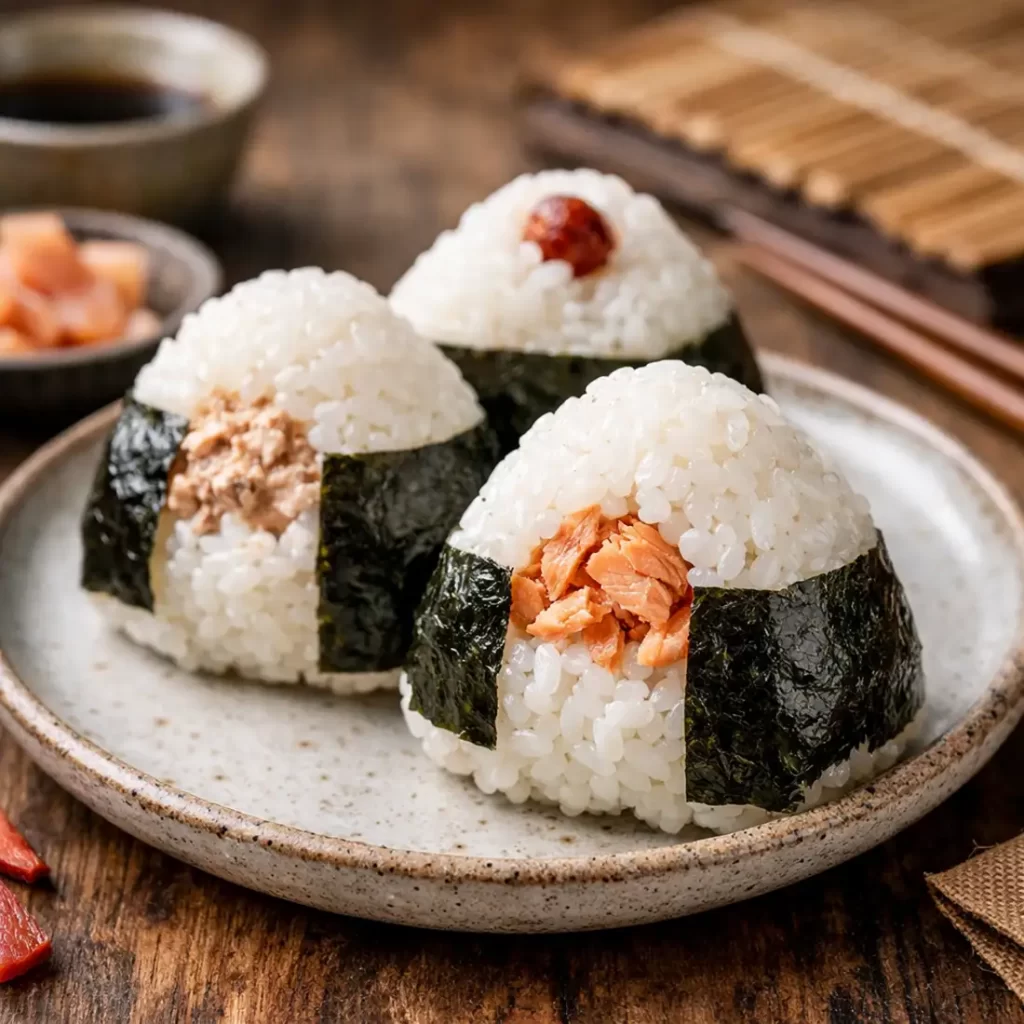
Onigiri is incredibly versatile and can be served in many ways:
- Pair with miso soup for a comforting meal.
- Add to a bento box with veggies and tamagoyaki.
- Serve with green tea for a traditional touch.
- Pack for picnics or travel snacks.
Want to elevate it? Serve with soy dipping sauce and pickled vegetables.
Recipe Variations & Customizations
Make this Onigiri Recipe your own with these variations:
1. Yaki Onigiri (Grilled Version)
Brush with soy sauce and grill until crispy outside.
2. Spicy Onigiri
Add chili flakes or spicy mayo to your filling.
3. Vegetarian Onigiri
Use avocado, cucumber, or pickled vegetables.
4. Cheese Onigiri
Add a cube of cheese inside for a fusion twist.
5. Sweet Onigiri
Fill with sweet red bean paste for dessert.
Recipe Tested & Notes
I tested this Onigiri recipe several times using different rice brands, fillings, and shaping methods to find the version that delivers the best texture and flavor for home cooks. Here are my testing notes:
Test 1: Freshly Cooked Rice
- Result: Excellent.
- The warm rice was sticky enough to hold its shape without falling apart.
- The texture stayed soft and fluffy.
Test 2: Rice Cooled for 1 Hour
- Result: Average.
- The rice became firmer and was harder to shape.
- Small cracks appeared around the edges.
Test 3: Different Fillings
- Flaked salmon: My favorite. Moist, flavorful, and easy to seal inside the rice.
- Tuna mayonnaise: Creamy and beginner-friendly.
- Umeboshi: Traditional and delicious, but its strong sour flavor may not suit everyone.
Test 4: Nori Placement
- Wrapping the nori immediately made it soft after 20-30 minutes.
- Wrapping just before serving kept it perfectly crisp.
Final Verdict
For the best homemade onigiri, use freshly cooked Japanese short-grain rice, shape it while still warm, and wrap with nori only when you’re ready to eat.
Mistakes I Made
These are a few mistakes I made during testing so you don’t have to.
Pressing the Rice Too Hard
I initially squeezed the rice tightly to make it hold together. The result was dense, chewy rice instead of the light texture that makes onigiri enjoyable.
Using Rice That Was Too Cold
Cold rice cracked easily while shaping and didn’t stick together well.
Adding Too Much Filling
Overfilling caused several rice balls to split open while shaping.
Skipping Salt on My Hands
The onigiri tasted a little bland. Lightly salting wet hands makes a noticeable difference in flavor.
Wrapping with Nori Too Early
When packed for lunch, the seaweed became soft and chewy. I now keep the nori separate until serving whenever possible.
Personal Cooking Tips Learned From Testing
After making multiple batches, these small details made the biggest difference.
- Let the cooked rice rest for about 10 minutes before shaping.
- Keep a small bowl of water nearby to wet your hands before every rice ball.
- Use only about 1 tablespoon of filling for each medium-sized onigiri.
- Rotate the rice gently between your palms instead of squeezing it.
- If making several varieties, prepare all the fillings before cooking the rice.
- Keep your hands clean between different fillings to avoid mixing flavors.
- Slightly warm leftover onigiri in the microwave before eating. The rice becomes much softer.
Why I Prefer This Version
I’ve experimented with grilled onigiri, seasoned rice, and many different fillings, but I always come back to this simple version.
Here’s why.
- It uses only a handful of easy-to-find ingredients.
- The rice remains the star of the recipe instead of being overwhelmed by seasonings.
- It’s beginner-friendly and doesn’t require special equipment.
- The recipe works equally well for lunch boxes, snacks, or light meals.
- The fillings can be changed depending on what’s already in your refrigerator.
- The traditional flavor pairs well with almost any Japanese side dish.
Most importantly, this version tastes just like the fresh onigiri you’ll find in many Japanese homes.
Storage Notes Based on Actual Testing
I tested different storage methods to see which worked best.
Room Temperature
- Best for up to 6 hours.
- Perfect for lunch boxes.
- Wrap individually in plastic wrap.
Refrigerator
- Stores safely for up to 2 days.
- The rice becomes firm after chilling.
- Microwave for 20-30 seconds before serving to soften it.
Freezer
- Freeze for up to 1 month.
- Wrap each onigiri tightly in plastic wrap, then place in a freezer bag.
- Reheat directly from frozen in the microwave until hot throughout.
Nori Storage
Store the nori separately in an airtight container and wrap the rice balls just before serving to keep it crisp.
Equipment Used
You don’t need fancy kitchen gadgets to make great onigiri.
- Rice cooker or medium saucepan
- Fine mesh strainer
- Large mixing bowl
- Small bowls for fillings
- Rice paddle or wooden spoon
- Measuring cups
- Measuring spoons
- Plastic wrap (optional for easier shaping)
- Onigiri mold (optional but helpful for beginners)
- Sharp kitchen knife for cutting nori
FAQs
Can I make onigiri ahead of time?
Yes, but it’s best eaten fresh. Store in an airtight container for up to 24 hours.
Why is my onigiri falling apart?
Your rice may not be sticky enough or you didn’t press it gently while shaping.
Can I use basmati rice?
Not recommended. Short-grain rice is essential for the right texture.
Do I need a mold to make onigiri?
No, but it helps beginners achieve uniform shapes.
Can I freeze onigiri?
Yes, wrap tightly and freeze. Reheat before eating.
What rice is best for onigiri?
Japanese short-grain rice is the best choice because it becomes naturally sticky after cooking, making it easy to shape.
Can I use sushi rice?
Yes. Sushi rice is simply seasoned Japanese short-grain rice, although plain cooked short-grain rice is more traditional for homemade onigiri.
Why does my onigiri fall apart?
Usually because the rice isn’t sticky enough, has cooled too much, or contains too much filling.
Can I make onigiri the night before?
Yes. Wrap each one tightly and refrigerate. Warm slightly before serving for the best texture.
Can I eat onigiri cold?
Absolutely. It’s commonly enjoyed at room temperature or slightly chilled in Japanese lunch boxes.
What are the most popular fillings?
Salmon, tuna mayonnaise, umeboshi (pickled plum), kombu, cod roe, seasoned chicken, and spicy tuna are among the most popular choices.
Is onigiri gluten-free?
The rice itself is naturally gluten-free. Just make sure your soy sauce and fillings are certified gluten-free if needed.
Can I make vegan onigiri?
Yes. Try fillings like seasoned mushrooms, avocado, edamame, pickled vegetables, tofu, or kombu.
How do I keep the nori crispy?
Store the nori separately and wrap it around the rice immediately before eating.
Can kids help make onigiri?
Definitely. Kids enjoy shaping the rice into triangles or rounds, making this a fun family cooking activity.
Substitutes & Ingredient Alternatives
- Use brown rice or quinoa for a healthier option.
- Replace Japanese rice with sushi rice alternatives if unavailable.
- Use tofu or paneer instead of fish for a vegetarian version.
- Swap nori with lettuce wrap for a fresh twist.
Nutritional Information (Per Serving)
- Calories: 180–220 kcal
- Protein: 5–8 grams
- Carbohydrates: 35–40 grams
- Fats: 2–5 grams
Conclusion
This Onigiri Recipe is proof that simple ingredients can create something truly special. Whether you’re making it as a quick snack, a lunchbox treat, or exploring Japanese cuisine at home, onigiri is a must-try dish.
It’s easy, customizable, and incredibly satisfying – perfect for beginners and experienced cooks alike. Once you try it, you’ll probably find yourself making it again and again!
If you loved this recipe, you should also check out our Cafe Style White Sauce Pasta or Subway Veg Sandwich Copycat on therecipediary.org for more easy recipes.
Have you tried this recipe? Let us know your favorite filling in the comments!