Table of Contents
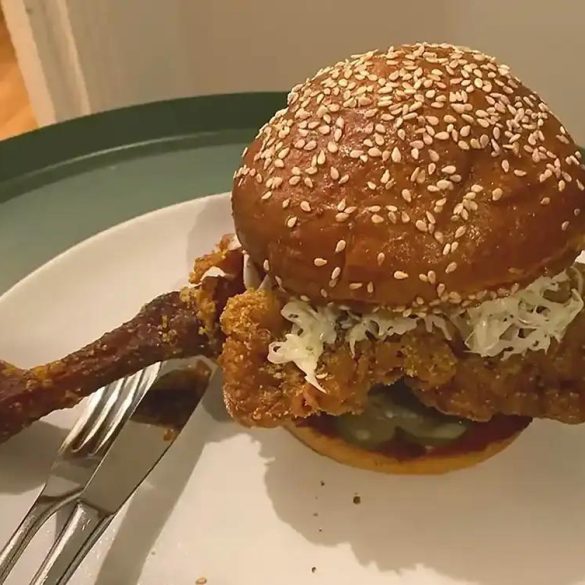
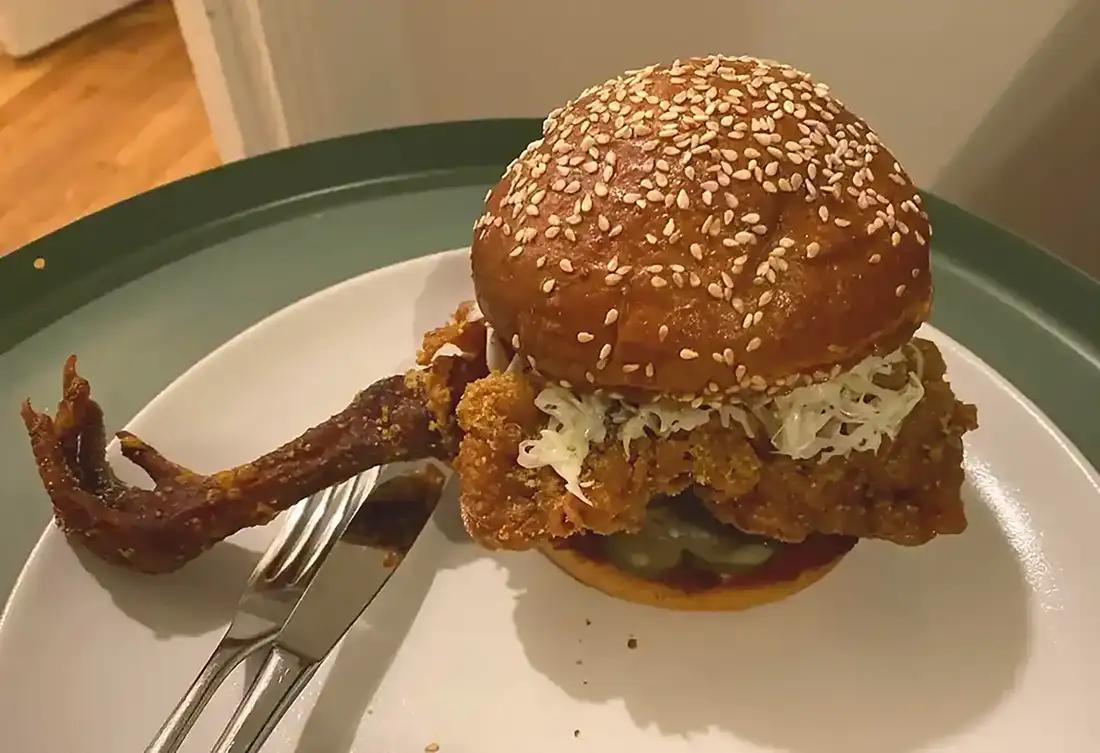
A Chicken Claw Sandwich is a delicious and satisfying meal packed with savory flavors, perfect for any time of the day. Whether you want a quick lunch or a hearty dinner, this sandwich delivers a juicy, flavorful chicken experience with a crunchy twist. Follow this detailed guide to learn how to make Chicken Claw Sandwich Recipe at home, with tips and variations to suit your preferences.
How to Make Chicken Claw Sandwich
1. Ingredients
To make this recipe for How to make Chicken Claw Sandwich Recipe, you’ll need the following ingredients:
For the Chicken:
- 2 boneless, skinless chicken breasts
- 1 cup buttermilk
- 1 tablespoon hot sauce (optional)
- 1 cup all-purpose flour
- 1 teaspoon garlic powder
- 1 teaspoon onion powder
- 1 teaspoon paprika
- 1 teaspoon salt
- 1/2 teaspoon black pepper
- 1 cup breadcrumbs (for extra crunch)
- Vegetable oil for frying
For the Sandwich:
- 4 soft sandwich buns
- 4 slices of cheddar cheese (optional)
- Lettuce leaves
- Sliced tomatoes
- Pickles
- Mayonnaise or your favorite sauce (optional)
2. Instructions
Now that you have your ingredients ready, follow these step-by-step instructions on how to make Chicken Claw Sandwich from Starting

Step 1: Marinate the Chicken
- In a large bowl, combine the buttermilk and hot sauce (if using).
- Place the chicken breasts in the buttermilk mixture, making sure they are fully submerged.
- Cover the bowl and refrigerate for at least 1 hour (or overnight for deeper flavor).
Step 2: Prepare the Coating
- In a separate bowl, combine the flour, garlic powder, onion powder, paprika, salt, and pepper.
- Set up a dredging station: One plate for the flour mixture and another for the breadcrumbs.
- Remove the chicken from the marinade, allowing excess buttermilk to drip off.
Step 3: Bread the Chicken
- Coat the chicken breasts in the seasoned flour mixture, making sure they are fully covered.
- Dip the floured chicken into the breadcrumbs, pressing firmly to ensure they stick well to the chicken. This step gives the Homemade Chicken Claw Sandwich Recipe cooking instructions that extra crunch.
Step 4: Fry the Chicken
- In a large skillet, heat about 1 inch of vegetable oil over medium heat until it reaches 350°F (175°C).
- Fry the chicken breasts for about 5-7 minutes per side, or until golden brown and crispy.
- Transfer the fried chicken to a paper towel-lined plate to drain any excess oil.
Step 5: Assemble the Sandwich
- Toast the sandwich buns until golden brown.
- Spread mayonnaise or your favorite sauce on the bottom bun.
- Place a piece of crispy chicken on the bun, followed by cheddar cheese, lettuce, tomato slices, and pickles.
- Top with the other half of the bun and press lightly to secure the sandwich.
Step 6: Serve and Enjoy
Your Chicken Claw Sandwich Recipe is ready to be devoured! Serve immediately for the best flavor and crunch.

3. Tips for the Best Chicken Claw Sandwich
- Marinate longer for juicier chicken: For a more tender and flavorful sandwich, let the chicken marinate in the buttermilk for at least 4 hours or overnight.
- Add heat: If you like a spicy sandwich, sprinkle cayenne pepper into the flour mixture or add more hot sauce to the marinade.
- Customize the toppings: You can experiment with different toppings like crispy onions, avocado slices, or coleslaw to make your Chicken Claw Sandwich even more special.
- Healthier option: If you prefer a lighter version, you can bake the chicken instead of frying. Bake at 400°F (200°C) for about 20 minutes, or until the chicken is fully cooked and crispy.
4. What to Serve with Chicken Claw Sandwich
A Chicken Claw Sandwich is a hearty meal on its own, but pairing it with the right sides and drinks can elevate the experience. Here are some ideas:
Sides:
- Fries or Sweet Potato Fries: A classic side that complements the crispy chicken sandwich perfectly.
- Coleslaw: The tangy crunch of coleslaw balances the richness of the fried chicken.
- Pickle Chips: Add an extra burst of flavor with some crispy pickle chips.
Desserts:
- Chocolate Chip Cookies: Simple and sweet, cookies are a perfect treat after a savory sandwich.
- Apple Pie: A slice of warm apple pie makes for a comforting dessert.
Drinks:
- Iced Tea: A refreshing glass of iced tea pairs well with the rich flavors of the sandwich.
- Lemonade: For a tangy, thirst-quenching drink, lemonade is a perfect choice.
Recipe Tested & Notes
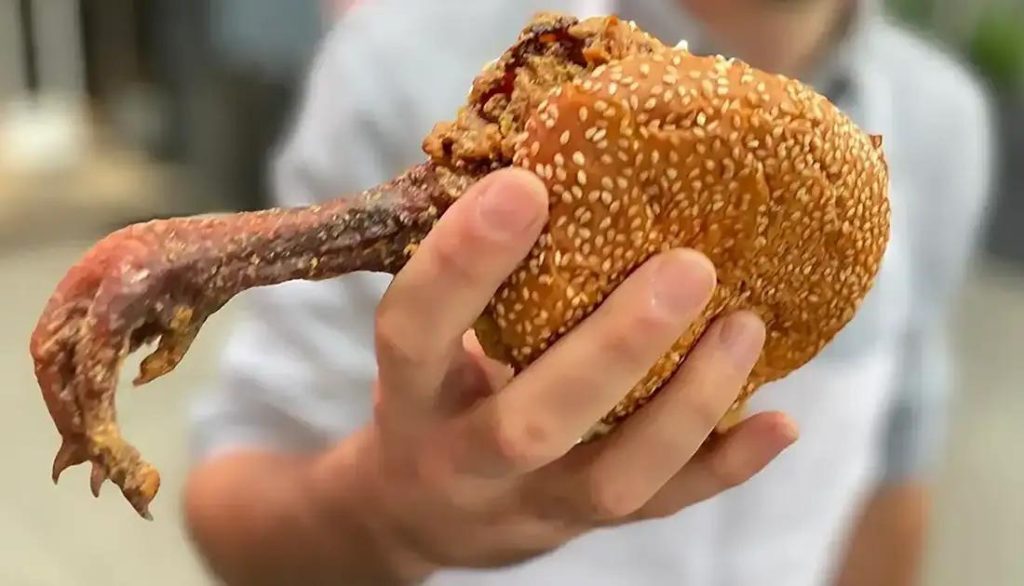
I tested this Chicken Claw Sandwich Recipe several times to get the right balance between crispy chicken, creamy sauce, fresh toppings, and a soft sandwich bun. The goal was to make a sandwich that feels indulgent but is still practical enough for a homemade lunch or dinner.
One of the biggest differences during testing came from the chicken. Thin, evenly sized chicken pieces cooked much more consistently than thick pieces. If one end of the chicken is much thicker than the other, the outside can become overly browned before the center is fully cooked.
I also found that seasoning every layer makes a difference. The chicken, coating, sauce, and vegetables should each contribute flavor rather than relying entirely on the chicken seasoning.
The coating was another important part of testing. A dry, well-seasoned coating created a much better crunch than a thin coating. Allowing the coated chicken to rest for a few minutes before cooking also helped the coating adhere better.
For the sandwich sauce, I preferred a creamy sauce with enough acidity to balance the fried chicken. A sauce that was too rich made the sandwich feel heavy, while a little tanginess made each bite more balanced.
The bun matters more than you might expect. A soft brioche-style bun or hamburger bun worked particularly well because it was sturdy enough to hold the chicken but soft enough to bite through easily.
I also found that lightly toasting the cut side of the bun improved the sandwich considerably. It added a little texture and helped prevent the sauce and chicken juices from immediately soaking through the bread.
Fresh lettuce or cabbage added useful crunch. Pickles were another favorite because their acidity cut through the richness of the crispy chicken.
For the best final sandwich, I recommend assembling it shortly before serving. Crispy chicken loses its crunch when it sits underneath sauce and wet vegetables for too long.
Mistakes I Made
Using uneven chicken pieces
Thick and thin pieces cooked at different speeds. Pounding or slicing the chicken evenly gave much more consistent results.
Not seasoning the chicken enough
The coating had plenty of flavor, but the chicken itself tasted bland. Seasoning the chicken before coating made the sandwich much more flavorful.
Making the coating too thin
A very thin coating did not provide the crunchy texture I wanted. A proper coating gave better contrast against the tender chicken.
Not letting the coating rest
Cooking immediately after coating sometimes caused the breading to separate. A short resting period helped it adhere.
Overcrowding the pan
Adding too many pieces at once reduced the cooking temperature and produced less crispy chicken.
Using oil that was not hot enough
The coating absorbed too much oil and became greasy instead of crisp.
Using oil that was too hot
The outside browned quickly while the chicken needed more time to cook through.
Adding too much sauce
A heavy layer of sauce made the bun soggy and covered the flavor of the crispy chicken.
Skipping the toasted bun
The sandwich was still good, but the toasted bun provided much better texture and helped keep the bread from becoming soggy.
Assembling the sandwich too early
The longer the crispy chicken sat with sauce and vegetables, the softer the coating became.
Personal Cooking Tips Learned From Testing
These are the tips that worked best during testing:
- Use evenly sized chicken pieces.
- Pound thick chicken breasts to an even thickness if necessary.
- Season the chicken before coating it.
- Season the flour or breading mixture well.
- Press the coating firmly onto the chicken.
- Let coated chicken rest briefly before cooking.
- Use enough oil to cook the coating evenly.
- Maintain a consistent cooking temperature.
- Do not overcrowd the pan or air fryer.
- Cook chicken until it reaches a safe internal temperature.
- Drain fried chicken on a wire rack when possible.
- Toast the sandwich buns lightly.
- Use a tangy sauce to balance the rich chicken.
- Add pickles for acidity and crunch.
- Add fresh lettuce or cabbage for texture.
- Assemble immediately before serving.
Storage Notes Based on Actual Testing
This sandwich is best eaten fresh because the crispy chicken gradually loses its crunch after refrigeration.
Storing Cooked Chicken
If you have leftover cooked chicken, allow it to cool appropriately and place it in an airtight container.
Refrigerate promptly.
Keep the chicken separate from the bun, sauce, lettuce, and pickles.
This makes reheating much more successful.
Reheating the Chicken
For the best texture, reheat the chicken in an air fryer or oven rather than a microwave.
The dry circulating heat helps restore some of the crispness.
A microwave will heat the chicken quickly, but the coating is likely to become softer.
Storing the Sandwich
I do not recommend storing the fully assembled sandwich for long periods. The sauce and vegetables introduce moisture that softens the crispy coating and bun.
If you need to prepare it ahead, store each component separately and assemble the sandwich just before eating.
Storing the Sauce
If your sandwich sauce contains mayonnaise, yogurt, or another refrigerated ingredient, keep it refrigerated in a covered container.
Use clean utensils when serving.
Can You Freeze the Chicken?
The cooked chicken can be frozen, although the coating may not be quite as crisp after thawing and reheating.
For better results, freeze the cooked chicken separately rather than freezing the assembled sandwich.
Best Make-Ahead Method
Prepare the chicken, sauce, and toppings separately. Refrigerate the components and assemble the sandwich shortly before serving.
Equipment Used
These are the tools I found most useful for making this Chicken Claw Sandwich:
- Large mixing bowls
- Shallow bowl for coating
- Measuring cups
- Measuring spoons
- Meat mallet
- Plastic wrap
- Heavy skillet or frying pan
- Tongs
- Instant-read thermometer
- Wire cooling rack
- Baking sheet
- Air fryer, optional
- Small saucepan, if making sauce
- Knife
- Cutting board
- Toaster or skillet for buns
5. FAQs
Q1: Can I bake the chicken instead of frying?
Yes! If you prefer a healthier option, bake the chicken at 400°F (200°C) for about 20-25 minutes until it’s crispy and fully cooked. You can also spray the chicken with a little oil before baking for extra crunch.
Q2: How do I store leftovers?
Store leftover chicken in an airtight container in the refrigerator for up to 3 days. Reheat in the oven at 350°F (175°C) to maintain the crispiness.
Q3: Can I make the sandwich ahead of time?
It’s best to fry the chicken fresh for the crispiest texture. However, you can prepare the ingredients and marinate the chicken in advance, then fry and assemble just before serving.
Q4: What’s the best bread for a Chicken Claw Sandwich?
Soft brioche or potato buns work great because they are light and slightly sweet, which complements the crispy chicken. Toast them for added texture.
6. Substitutes
While the original Chicken Claw Sandwich Recipe calls for specific ingredients to achieve the perfect balance of flavors and textures, there are plenty of substitute options that can be used based on your dietary preferences, ingredient availability, or flavor adjustments. Here’s a detailed guide to some common substitutes:
1. Chicken Breasts
- Chicken Thighs: If you prefer juicier and more flavorful chicken, opt for boneless, skinless chicken thighs instead of breasts. Thighs have a higher fat content, which can add extra richness and moisture to the sandwich. They might take slightly longer to cook, but the result will be a tender and succulent sandwich filling.
- Turkey Cutlets: Turkey cutlets are a leaner alternative to chicken, offering a similar texture but with a more robust flavor. This option is perfect if you’re looking for a healthier, lower-fat substitute.
- Plant-Based Chicken: For vegetarians or those looking to reduce meat consumption, many brands now offer plant-based chicken alternatives. Look for products designed to mimic the taste and texture of chicken, which can be fried or baked just like traditional chicken. Brands like Beyond Meat or Gardein offer great plant-based options that work well in this sandwich.
2. Buttermilk
- Milk and Vinegar (or Lemon Juice): If you don’t have buttermilk on hand, make a quick substitute by mixing 1 cup of regular milk with 1 tablespoon of white vinegar or lemon juice. Let it sit for 5 minutes to thicken slightly. This creates a similar tangy flavor that buttermilk provides while helping to tenderize the chicken.
- Greek Yogurt and Water: Mix 1/2 cup of plain Greek yogurt with 1/4 cup of water to create a thick, tangy marinade similar to buttermilk. Greek yogurt also contains probiotics, adding a health boost while keeping the chicken moist and flavorful.
3. All-Purpose Flour
- Whole Wheat Flour: For a healthier alternative, you can use whole wheat flour instead of all-purpose flour. While the coating may be slightly denser, it adds a nutty flavor and extra fiber, making the sandwich more nutritious.
- Gluten-Free Flour: If you’re gluten-intolerant or following a gluten-free diet, there are many gluten-free flour blends available that work perfectly for frying. Look for a blend that includes xanthan gum to help create a crispy texture similar to traditional flour.
4. Breadcrumbs
- Panko Breadcrumbs: If you want an extra-crispy coating, panko breadcrumbs are an excellent substitute. These Japanese-style breadcrumbs are larger and flakier than regular breadcrumbs, giving your chicken a light, crunchy texture that pairs well with the soft sandwich buns.
- Crushed Cornflakes: For a unique and crunchy twist, crushed cornflakes can be used in place of breadcrumbs. They provide a sweet and savory flavor along with a golden, crispy coating.
- Almond Flour (Keto-Friendly): For a low-carb or keto-friendly version, almond flour is a great substitute for breadcrumbs. Almond flour gives the chicken a nutty flavor and still provides a decent crisp when fried or baked.
5. Spices
- Customize the Seasoning: While garlic powder, paprika, and onion powder are traditional seasonings for fried chicken, you can easily swap or add spices based on your preferences:
- Cayenne Pepper: For a spicier kick, add cayenne pepper to the seasoning mix.
- Smoked Paprika: If you want a hint of smokiness, swap regular paprika for smoked paprika.
- Italian Seasoning or Herbs de Provence: For a more herbaceous flavor, add dried herbs to the flour mix.
6. Vegetable Oil
- Olive Oil: If you’re looking for a healthier frying oil, olive oil is a good substitute, though it has a lower smoke point than vegetable oil. Keep the heat on medium to avoid burning the oil.
- Coconut Oil: Another healthier option, coconut oil can add a slightly sweet and nutty flavor to the chicken, which pairs well with the savory seasoning. It’s also a great choice for those looking for dairy-free or vegan alternatives.
7. Buns
- Brioche Buns: If you’re seeking a richer flavor, swap regular sandwich buns for brioche buns. Brioche is slightly sweet and buttery, providing a soft and fluffy base that complements the crispy chicken.
- Gluten-Free Buns: For gluten-sensitive or celiac individuals, there are plenty of gluten-free buns on the market. Toasting them can improve the texture and make them more structurally sound for holding the chicken and toppings.
- Lettuce Wraps: For a low-carb option, replace the sandwich buns with large, sturdy lettuce leaves such as romaine or iceberg lettuce. This alternative allows you to enjoy the flavors of the Chicken Claw Sandwich without the extra carbs and calories from the bread.
8. Toppings
- Cheese Substitutes: If you’re looking for dairy-free options, vegan cheese slices made from cashew or almond milk can be a great alternative to traditional cheddar. Brands like Daiya and Violife offer great-tasting dairy-free cheeses that melt well.
- Avocado: For a creamy, healthy fat alternative, sliced avocado can take the place of mayonnaise or cheese. It adds a rich texture and complements the crispy chicken perfectly.
7. Nutrition
Here’s an approximate nutrition breakdown for one Homemade Chicken Claw Sandwich:
- Calories: 600-700 (depending on toppings and frying oil)
- Protein: 30g
- Fat: 30g
- Carbohydrates: 50g
- Fiber: 3g
- Sugar: 5g
- Sodium: 1200mg
This sandwich is rich in protein, but keep in mind the fat and calorie content due to the frying. For a lighter option, you can bake the chicken or reduce the amount of oil used.
n conclusion, making a Chicken Claw Sandwich Recipe at home is not only simple but also offers the flexibility to customize the flavors and textures to your liking. With crispy fried chicken, fresh toppings, and soft buns, this sandwich will quickly become a favorite in your household. Whether you’re looking for a quick lunch or a satisfying dinner, this recipe is sure to hit the spot.
Now that you know how to make Chicken Claw Sandwich at home, gather your ingredients and give this recipe a try!