Table of Contents
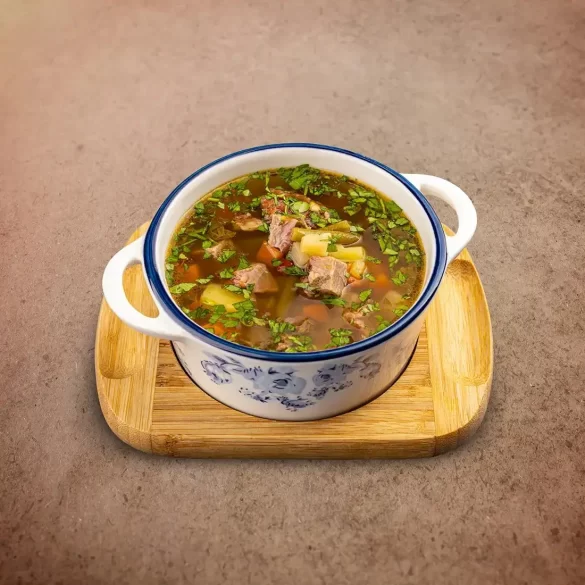
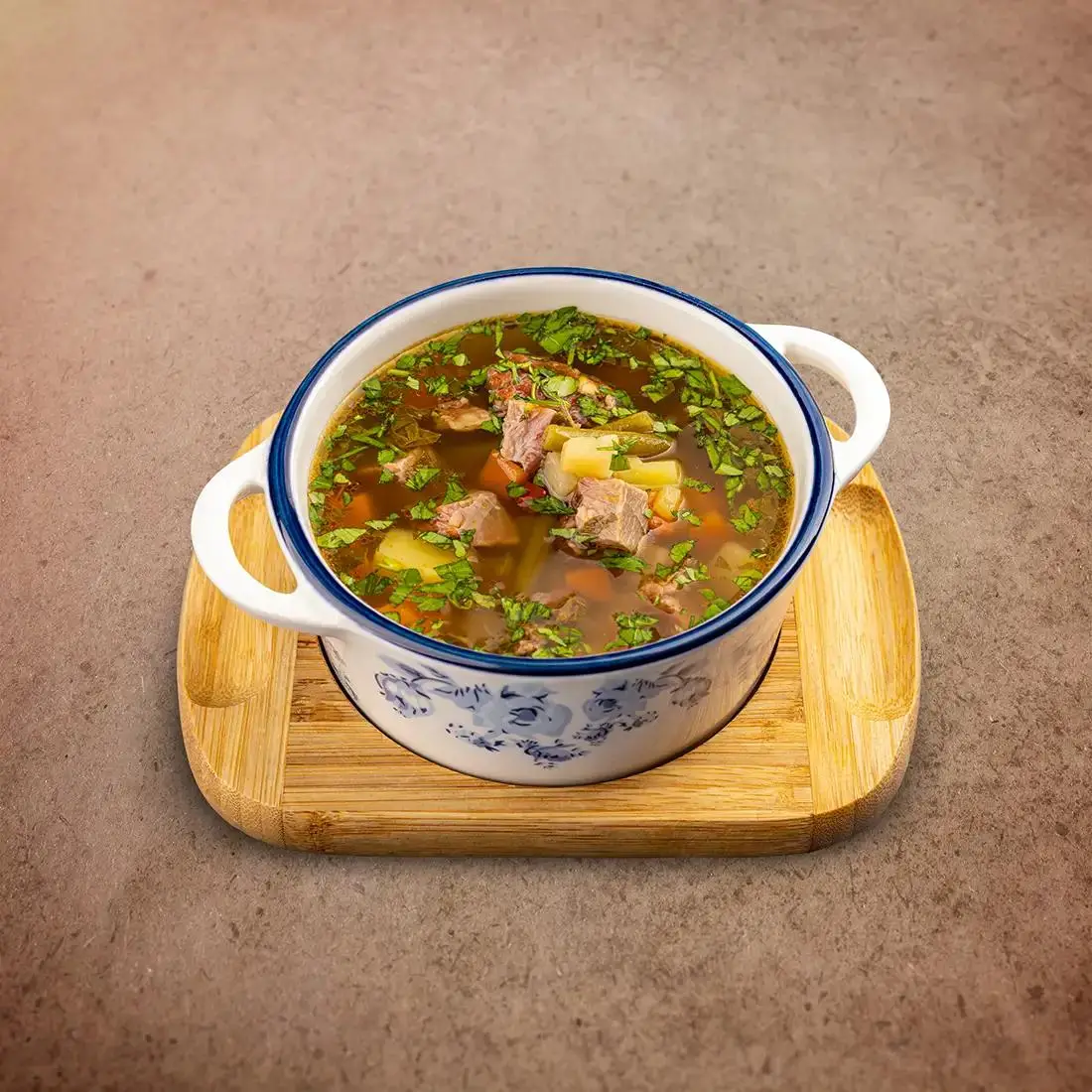
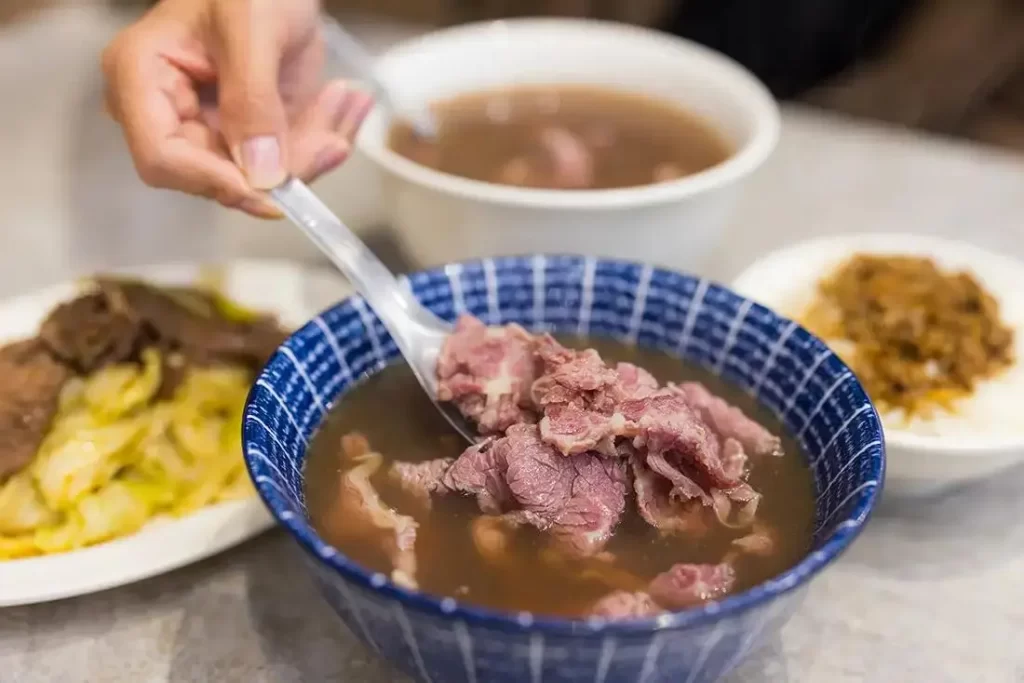
When the weather turns cold or you crave a hearty, nourishing meal, a bowl of beef soup made with soup bones is the ultimate comfort food. Packed with flavor and nutrition, this dish uses beef bones to create a rich, satisfying broth that serves as the foundation for a variety of soups. The bones slowly simmer to release their marrow, collagen, and nutrients, resulting in a wholesome, restorative broth that’s perfect for sipping or using as a base for more complex soups.
How to Make Beef Soup Bones Recipe
This recipe for beef soup bones will walk you through the ingredients, instructions, tips, variations, and everything you need to know about preparing this timeless dish. Let’s dive in!
1. Ingredients
To make a flavorful beef soup bone recipe, it all starts with choosing the right ingredients. The combination of high-quality bones, vegetables, and seasonings is key to achieving that deep, savory broth you’ll love.
- 2-3 pounds beef soup bones (with marrow)
- Commonly found at butcher shops, beef soup bones like knuckles, shanks, or femur bones are ideal for broth-making due to their collagen-rich content.
- 1 onion (quartered)
- Adds sweetness and depth to the broth.
- 2-3 carrots (peeled and cut into large chunks)
- Carrots enhance the natural sweetness and body of the broth.
- 2-3 celery stalks (cut into large pieces)
- The slight bitterness balances out the sweetness from the other vegetables.
- 3-4 garlic cloves (peeled)
- Garlic adds a punch of flavor and depth.
- 2 bay leaves
- A subtle flavor enhancer that adds a herbaceous note.
- 10-12 whole black peppercorns
- Provides a mild, earthy heat.
- 2 tablespoons apple cider vinegar
- This helps extract the minerals from the bones during the cooking process.
- Salt to taste
- Water (enough to cover the bones)
2. Instructions
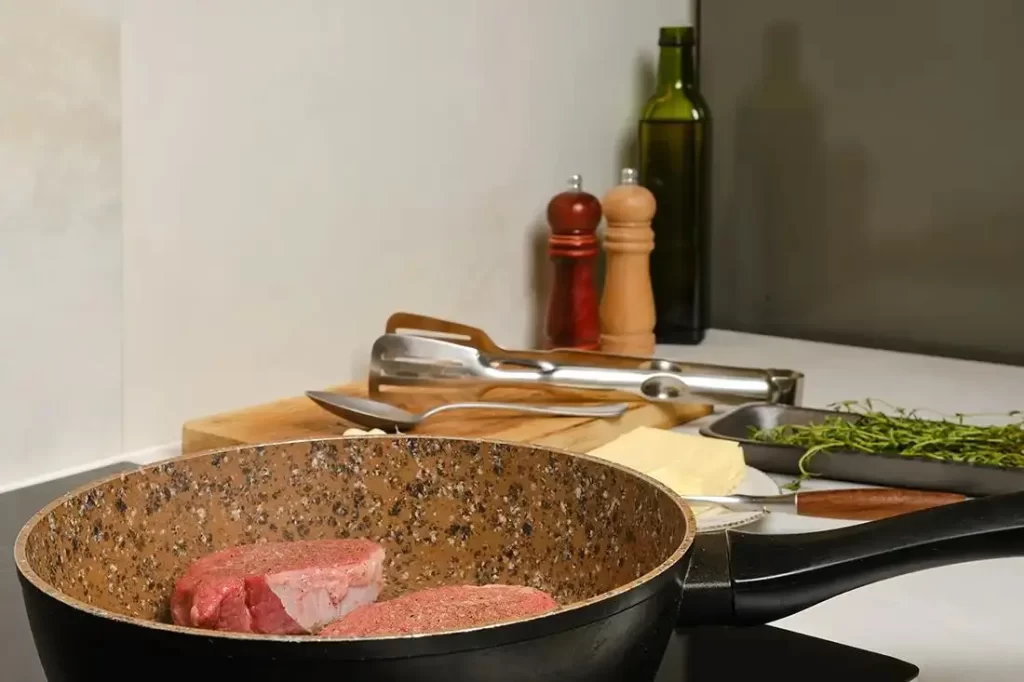
Now that you have all your ingredients ready, it’s time to get started on making the perfect beef soup bone recipe. This process requires time and patience, but the result is a deeply flavorful broth that’s worth the effort.
Step 1: Prepare the Bones
- Roasting the bones is optional but highly recommended as it adds extra depth and flavor to the broth. Preheat your oven to 400°F (200°C). Spread the bones in a single layer on a baking sheet and roast them for 25-30 minutes, turning halfway through to ensure even browning.
Step 2: Add Ingredients to a Large Pot
- Once the bones are roasted, transfer them to a large stockpot or Dutch oven. Add the onions, carrots, celery, garlic, bay leaves, peppercorns, and vinegar. Fill the pot with enough water to cover the bones by at least an inch or two.
Step 3: Simmer the Soup
- Bring the pot to a boil over medium-high heat, then reduce the heat to low to let the broth simmer. Skim off any foam that rises to the surface in the first 30 minutes. Continue to simmer the broth gently for 8-12 hours. The longer you simmer, the more nutrients and flavor will be extracted from the bones, resulting in a richer soup.
Step 4: Strain the Broth
- Once the soup has simmered for hours and taken on a golden-brown hue, strain the broth through a fine-mesh sieve into another large pot or container. Discard the bones and vegetables, as they’ve given up their flavor and nutrients.
Step 5: Season to Taste
- Taste your broth and season with salt to your liking. You can also adjust any other flavors, like adding more garlic or a dash of soy sauce for umami.
Step 6: Store or Serve
- Let the broth cool, then store it in airtight containers. If you prefer, remove the fat layer from the top once it’s chilled. The broth can be refrigerated for up to 5 days or frozen for up to 3 months.

3. Tips
Making beef soup bones recipe requires some know-how to elevate the flavors and nutrients. Here are a few tips to help you master the process:
- Roast the bones: This adds a deep, roasted flavor that makes the broth more complex.
- Add vinegar: The acidity from the apple cider vinegar helps break down the collagen and extract minerals from the bones, boosting the broth’s nutritional value.
- Slow simmer for long hours: A long, low simmer is essential for drawing out all the flavor and gelatin from the bones. Ideally, aim for 8-12 hours.
- Skim the foam: During the first 30-60 minutes of cooking, you’ll notice some foam forming at the top. Skim this off to avoid any bitterness or impurities in your broth.
- Use different bones: Combining bones with marrow (like shanks) and joints (like knuckles) adds both flavor and gelatin, making your broth more nutritious.
4. Variations
There are many ways to customize a recipe of beef soup bones to suit your preferences or dietary needs. Here are a few variations to consider:
- Vegetable Additions: Add more robust vegetables like leeks, parsnips, or mushrooms to bring out different flavor profiles in the broth.
- Spices and Herbs: Try adding different herbs and spices, such as thyme, rosemary, or star anise, for an aromatic twist.
- Bone Broth Soup Recipe: Once you’ve made your broth, you can turn it into a bone broth soup recipe by adding meat, noodles, or rice, and seasoning with soy sauce or miso for an umami-packed meal.
- Spicy Beef Soup: For a more adventurous version, incorporate spices like chili flakes, ginger, or cinnamon to create a spicier broth.
5. What to Serve with Beef Soup Bones
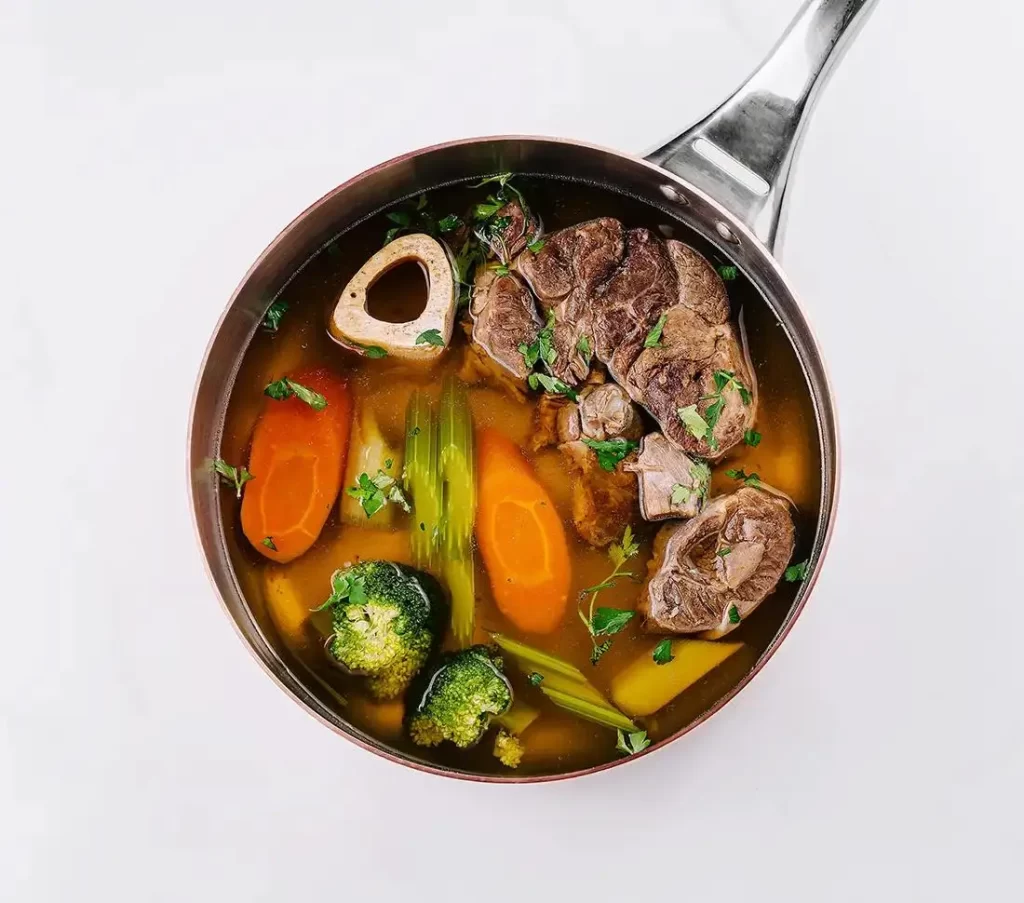
The beauty of beef soup bones recipe lies in their versatility. You can enjoy the broth on its own, but it also pairs wonderfully with a variety of dishes:
- Crusty bread: A slice of toasted, crusty bread is perfect for dipping into the savory broth.
- Rice or Noodles: Add some cooked rice or noodles to your soup for a more filling meal.
- Steamed vegetables: Serve your soup alongside some lightly steamed or roasted vegetables for a well-rounded, nutritious meal.
- Salad: A fresh salad can balance out the richness of the broth, providing a refreshing contrast.
Recipe Tested & Notes
I tested this Beef Soup Bones recipe several times to get a deeply flavorful broth with tender beef, rich body, and a comforting homemade taste. Beef soup bones are inexpensive, but when cooked slowly, they can turn into an incredibly flavorful base for soups, stews, gravies, and other dishes.
The biggest lesson from testing was that roasting the bones before simmering made a noticeable difference. The browned bones developed deeper savory flavors and gave the finished broth a richer color.
I also found that vegetables should not be cooked for the entire simmering time. Adding onions, carrots, and celery at the appropriate stage helps develop flavor without leaving the vegetables completely broken down.
A gentle simmer worked much better than a hard boil. Vigorous boiling can make the broth cloudy and can cause more fat and impurities to emulsify into the liquid.
Skimming the surface during the early cooking stage also helped produce a cleaner-tasting broth.
Another useful testing tip was to avoid adding too much water. The bones need enough liquid to simmer properly, but excessive water can produce a weak broth. Starting with enough water to cover the bones while leaving room for evaporation gave me better results.
I also found that seasoning should be done carefully. If the broth will be reduced or used in another recipe, adding too much salt early can make the finished broth overly salty.
The finished beef soup bone broth was rich, savory, aromatic, and full-bodied. It can be enjoyed as a simple soup or used as the foundation for many other beef recipes.
Mistakes I Made
Skipping the roasting step
When I skipped roasting the bones, the broth was still good but lacked the deep roasted flavor I wanted.
Boiling too aggressively
A hard boil produced a cloudier broth and a less clean flavor. A gentle simmer worked much better.
Adding too much water
Too much water diluted the beef flavor. I found that using enough water to cover the bones was a better starting point.
Not skimming the broth
Leaving the foam and impurities on the surface resulted in a less clear broth. Skimming during the early cooking stage improved the final result.
Adding too much salt early
Because the broth can reduce during cooking, adding too much salt at the beginning can make the final broth overly salty.
Cooking vegetables for too long
Vegetables that simmered for the entire cooking period became completely broken down. Adding them at a suitable stage produced a cleaner flavor.
Removing all the fat
I found that completely removing every bit of fat also removed some flavor. The better approach was to remove excessive surface fat while keeping a reasonable amount of natural richness.
Personal Cooking Tips Learned From Testing
These tips consistently gave me better results:
- Choose beef bones with a good combination of bone, connective tissue, and some meat.
- Roast the bones before simmering for deeper flavor.
- Use a large heavy-bottomed pot.
- Do not overcrowd the roasting pan.
- Roast until the bones are nicely browned rather than pale.
- Deglaze the roasting pan if browned bits are stuck to the bottom.
- Start with cold water when making the broth.
- Keep the broth at a gentle simmer.
- Skim foam during the early cooking stage.
- Avoid stirring the broth unnecessarily.
- Add vegetables at an appropriate point in the cooking process.
Storage Notes Based on Actual Testing
Homemade beef soup bone broth stores well when handled properly.
Refrigerator
After cooking, strain the broth and cool it promptly.
Transfer the cooled broth to clean, airtight containers and refrigerate.
Once chilled, a layer of fat may solidify on top. You can remove it before reheating if you prefer a lighter broth, or leave some of it for additional richness.
For best quality, use refrigerated broth within a few days.
Freezer
Freezing is my preferred option when I make a large batch.
Divide the broth into convenient portions before freezing. Small containers are useful when you only need a cup or two for another recipe.
Leave appropriate headspace when using rigid containers because the liquid expands as it freezes.
Freezer-safe bags can also be useful when laid flat, as they take up less storage space once frozen.
Reheating
Reheat only the amount you need.
Warm the broth gently on the stovetop until steaming hot.
Avoid repeatedly heating and cooling the entire batch.
Using Frozen Broth
Transfer frozen broth to the refrigerator to thaw when possible, or gently thaw it using an appropriate method.
Once thawed, heat thoroughly before serving.
Storage Tip
If you plan to use the broth for sauces or gravy, freezing it in smaller portions makes meal preparation much easier.
Equipment Used
These tools make Beef Soup Bones easy to prepare:
- Large roasting pan
- Heavy-bottomed stockpot or Dutch oven
- Large spoon
- Slotted spoon
- Ladle
- Fine-mesh strainer
- Cheesecloth, optional
- Large heatproof bowl
- Chef’s knife
- Cutting board
- Measuring cups
- Measuring spoons
- Tongs
- Food-safe storage containers
- Freezer-safe bags or containers
- Fat separator, optional
- Instant-read thermometer, useful for food-safety checks
6. FAQs
Can I use bones from leftover beef cuts?
Absolutely! Leftover bones from roasts or steaks can be repurposed into a delicious broth.
Can I make this in a slow cooker or Instant Pot?
Yes, you can. For a slow cooker, cook on low for 12-24 hours. In an Instant Pot, pressure cook on high for 2-3 hours for a faster version.
Which bones are best for beef soup?
Marrow bones, knuckle bones, and oxtail are ideal for making a rich, flavorful broth. You can also use a combination of bones for variety.
Can I use a slow cooker or pressure cooker?
Yes! If you prefer hands-off cooking, a slow cooker is an excellent choice. Cook the broth on low for 12-24 hours. A pressure cooker like the Instant Pot can cut the cooking time down to 2-3 hours.
How do I know when my broth is ready?
Your broth is ready when it has a rich golden-brown color, and the flavor is deep and savory. The longer it simmers, the better it will taste.
How do I store leftover broth?
Store the broth in airtight containers in the fridge for up to 5 days or freeze it for up to 3 months.
7. Substitutes
Here are some substitutes if you’re missing key ingredients for your beef soup bones recipe:
- Bones: If you don’t have beef bones, you can use chicken, pork, or lamb bones for different flavors. However, the nutritional content will differ slightly.
- Vegetables: If you’re out of onions or carrots, you can use leeks, parsnips, or even turnips as alternatives.
- Apple Cider Vinegar: If you don’t have vinegar, you can substitute it with lemon juice or white vinegar.
- Peppercorns: Ground black pepper can be used in place of whole peppercorns if needed.
8. Nutrition
One of the most significant benefits of beef soup bones recipe is their nutritional value. Here’s a breakdown of the nutrients you get from this recipe:
- Calories: 40-60 kcal
- Protein: 6-9 grams
- Fat: 1-3 grams
- Carbohydrates: 0 grams (broth itself is generally carb-free)
- Collagen and Gelatin: Contains about 2-4 grams of collagen, supporting joint and skin health.
- Calcium: 10-20 mg (helps support bone strength)
- Magnesium: 4-6 mg (important for muscle and nerve function)
- Potassium: 200-400 mg (supports heart and muscle function)
- Phosphorus: 30-50 mg (essential for energy metabolism and bone health)
These values can vary depending on the exact amount of bones and vegetables used, as well as the length of cooking time.
Conclusion
Making a beef soup bones is a time-honored tradition that yields a nourishing and delicious meal. Whether you enjoy it as a simple broth or turn it into a more complex soup, this recipe is versatile, rich in nutrients, and easy to customize. By following the steps outlined in this guide, you’ll not only master the art of beef soup bones but also create a dish that’s as comforting as it is beneficial for your health.
So, grab those soup bones, gather your ingredients, and get ready to enjoy a hearty and flavorful meal!