Table of Contents
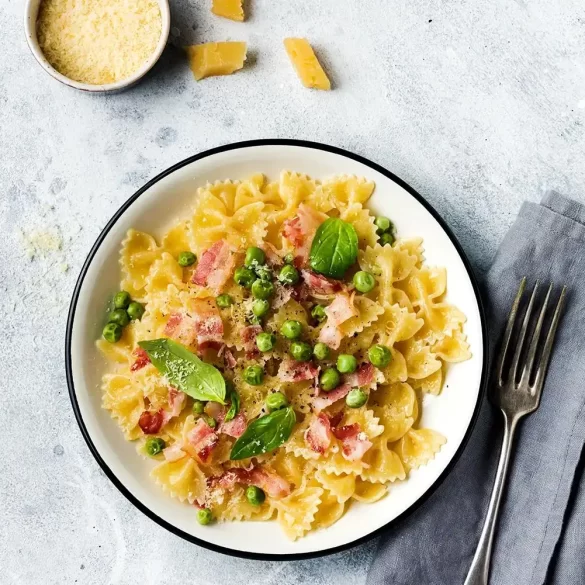
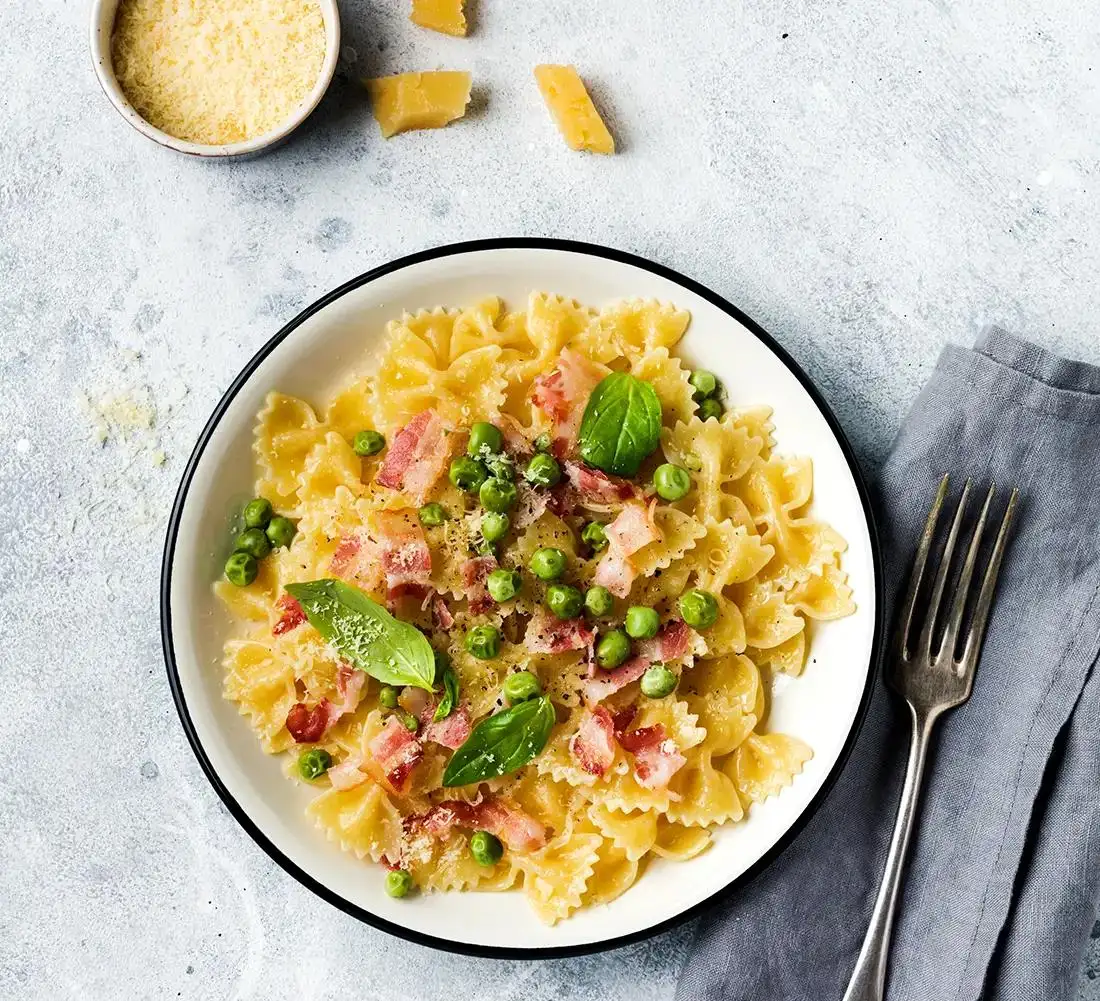
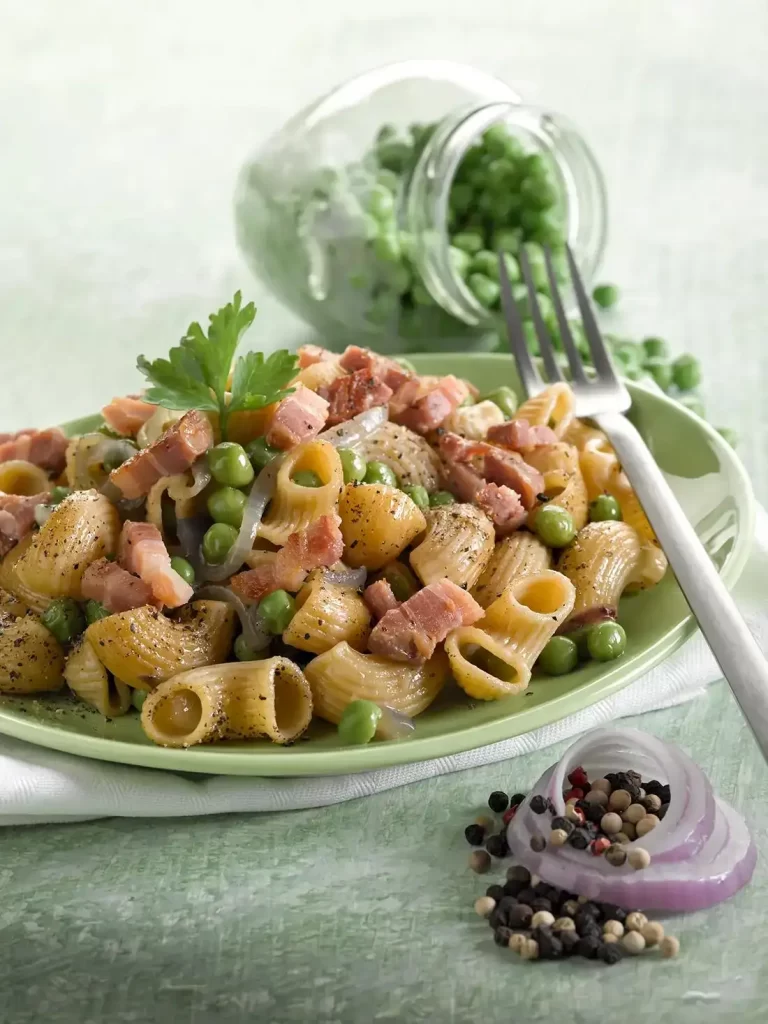
Craving a dish that’s equal parts comforting and impressive? Look no further than pancetta peas pasta – a recipe that combines creamy textures, crispy pancetta, and the natural sweetness of peas. Whether you’re hosting a dinner party or looking for a quick, satisfying meal after a busy day, this recipe has you covered. With its balance of flavors and straightforward preparation, it’s a crowd-pleaser for pasta lovers of all ages.
In this blog, we’ll walk you through how to make pancetta peas pasta recipe, offering tips, variations, and serving suggestions that will elevate your dish. Prepare to impress with a classic Italian-inspired meal that’s sure to become a staple in your kitchen. Ready to dive into a bowl of goodness? Let’s get started!
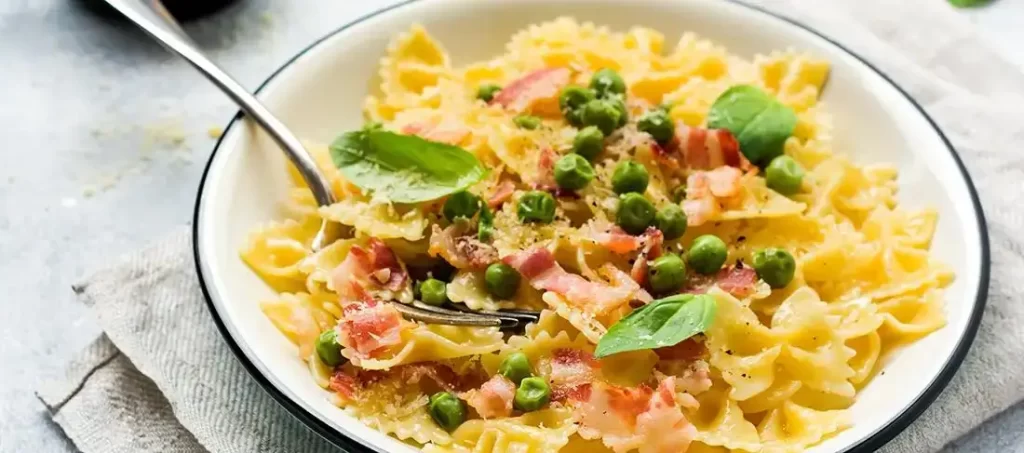
How to Make Pancetta Peas Pasta
Ingredients to make Pancetta Peas Pasta at home
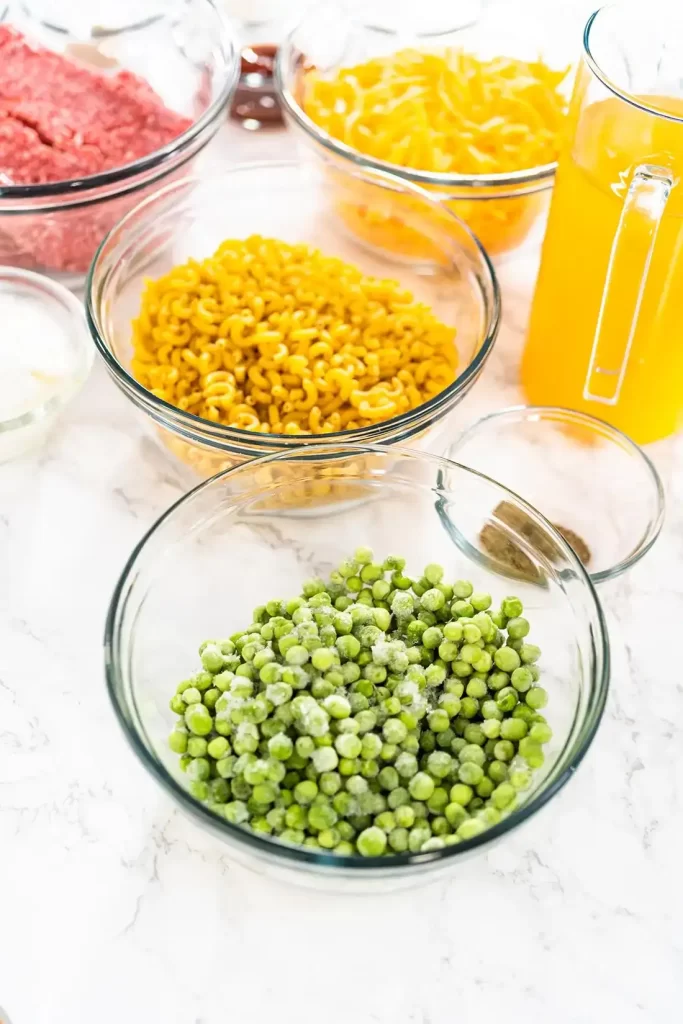
To prepare pasta with pancetta and peas, you’ll need the following:
- Pasta: 12 oz of your choice (spaghetti, penne, or rigatoni work well).
- Pancetta: 4 oz, diced.
- Peas: 1 cup, fresh or frozen.
- Shallots: 1 small, finely chopped.
- Garlic: 2 cloves, minced.
- Heavy Cream: 1/2 cup.
- Parmesan Cheese: 1/2 cup, grated.
- Butter: 2 tbsp.
- Salt and Black Pepper: To taste.
- Olive Oil: 1 tbsp.
- Fresh Parsley or Basil: For garnish.
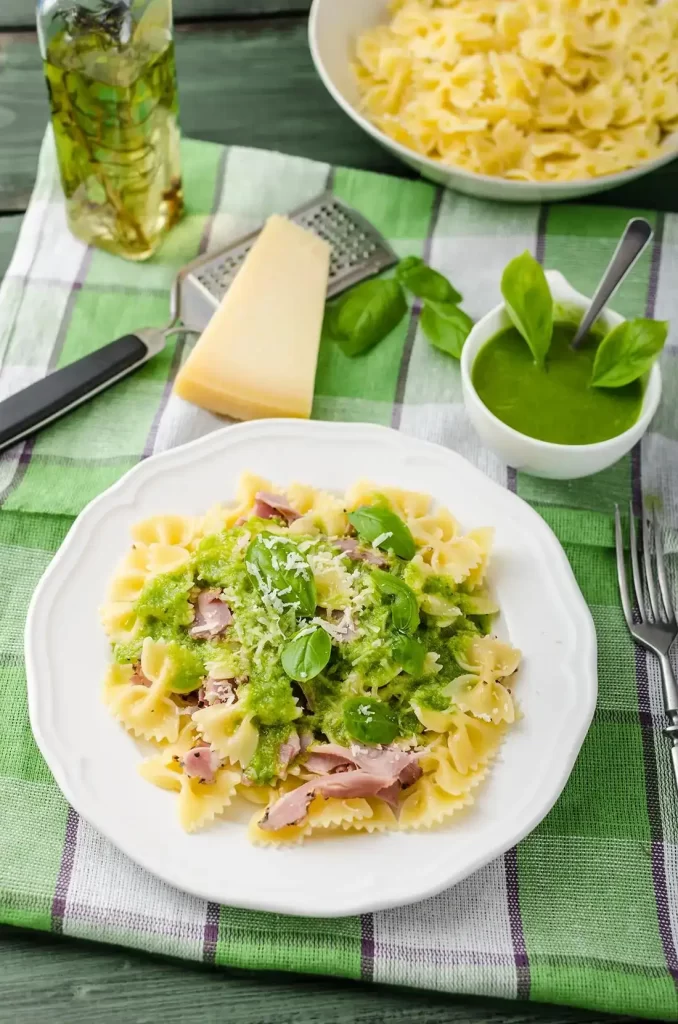
Instructions to Make Pancetta Peas Pasta
- Cook the Pasta: Bring a large pot of salted water to a boil. Cook the pasta until al dente, reserving 1 cup of pasta water before draining.
- Cook the Pancetta: Heat olive oil in a large skillet over medium heat. Add diced pancetta and cook until crispy, about 5-7 minutes. Remove pancetta from the skillet and set aside, leaving the rendered fat.
- Sauté Aromatics: In the same skillet, melt butter. Add shallots and garlic, sautéing until fragrant and translucent.
- Add Peas: Stir in the peas and cook for 2-3 minutes. If using frozen peas, ensure they are fully thawed.
- Make the Sauce: Reduce the heat and stir in heavy cream. Let it simmer gently for 3-4 minutes. Add Parmesan cheese gradually, stirring until melted. If the sauce is too thick, add reserved pasta water to achieve the desired consistency.
- Combine: Return the cooked pancetta to the skillet, then add the drained pasta. Toss everything together until well coated.
- Season and Serve: Adjust seasoning with salt and black pepper. Garnish with fresh parsley or basil and serve immediately.
Tips for Perfect Pancetta Peas Pasta
- Pasta water is magic: Adding reserved pasta water helps bind the sauce to the pasta and creates a silky texture.
- Cook Pancetta to Crispness: Crisp pancetta adds texture and enhances the flavor profile.
- Don’t Overcook the Peas: This keeps them sweet and slightly firm.
- Use Fresh Ingredients: Opt for fresh Parmesan and herbs for a more vibrant flavor.
- Save Pasta Water: It’s a key ingredient for adjusting sauce consistency.
- Use fresh peas: While frozen peas work well, fresh peas elevate the dish with their natural sweetness.
What to Serve with Pancetta Peas Pasta
The rich, creamy flavors of pancetta peas pasta shine on their own, but pairing it with the right accompaniments can elevate your meal to restaurant-quality. Here are some delicious options for appetizers, side dishes, desserts, and drinks to complement your pasta feast. We’ve also included links to recipes from our own collection that you can easily whip up.
Appetizers and Side Dishes
- Garlic Bread
The buttery, garlicky crunch of fresh garlic bread is a classic choice to serve alongside pasta. It’s perfect for scooping up any extra sauce. - Fresh Salads
– Caprese Salad: A refreshing mix of mozzarella, tomatoes, and basil drizzled with olive oil and balsamic glaze.
– Simple Mixed Greens: Tossed with a light vinaigrette, this balances the creaminess of the pasta. - Soup
Consider starting with a light soup like our beef soup, which offers warmth and pairs beautifully with pasta dishes.
Desserts to serve with Pancetta Peas Pasta
- Panna Cotta
A silky Italian dessert, panna cotta offers a light and sweet finish to your meal. Try it with a berry compote for added flavor. - Tiramisu
Layers of mascarpone, coffee-soaked ladyfingers, and cocoa are a decadent choice after a pasta dinner. - Sponge Candy
If you’re in the mood for a unique treat, our Sponge Candy Recipe offers a crunchy, caramelized dessert that’s sure to delight.
Drinks to server with Pancetta Peas Pasta
- Wine Pairing
- A crisp Pinot Grigio or Sauvignon Blanc pairs well with the creamy sauce and salty pancetta.
- If you prefer red wine, a Chianti or Barbera offers mild tannins that complement the dish.
- Cocktails
Serve a refreshing Aperol Spritz or a simple Cranberry Whiskey Cocktail for a touch of sophistication. - Non-Alcoholic Beverages
Try a sparkling water infused with lemon and mint or a fruity iced tea.
Desserts and Drinks with a Twist
If you’re feeling adventurous, consider some of our unique recipes:
- Honey Sriracha Sauce as a dipping sauce for breadsticks or appetizers.
- 3 Ingredient Cake Mix Cookies for an easy and delightful dessert option.
Variations with Pancetta Peas Pasta
- Vegetarian Option: Replace pancetta with sautéed mushrooms or sun-dried tomatoes.
- Gluten-Free: Use gluten-free pasta.
- Cheese Swap: Try Pecorino Romano for a tangy twist.
- Add Protein: Incorporate cooked shrimp or grilled chicken for a heartier meal.
- Spicy kick: Add red pepper flakes for a hint of heat.
Recipe Tested & Notes
I tested this Pancetta Peas Pasta recipe several times to find the right balance between creamy sauce, salty pancetta, sweet peas, and tender pasta. It is a simple pasta dish, but a few small techniques make a big difference in the final texture.
The first thing I noticed during testing was that pancetta does not need much extra oil. As it cooks, it releases flavorful fat that can be used to sauté the garlic and build the sauce. This gives the pasta a deeper savory flavor while keeping the ingredient list simple.
I also found that cooking the pancetta until lightly crisp rather than extremely hard gave the best texture. You want some crispy edges, but the pancetta should still have enough tenderness to blend nicely with the creamy sauce.
The peas were another important detail. Frozen peas worked extremely well and were convenient, but adding them too early made them softer and less vibrant. Adding them toward the end kept them sweet and bright.
Saving some pasta water was one of the most useful testing tricks. The starchy water helped loosen the sauce while also helping the cream and cheese cling to the pasta.
I found that adding the cheese gradually worked better than adding it all at once. This created a smoother sauce and reduced the chance of clumping.
The final version had a creamy but not overly heavy sauce, salty pancetta, sweet green peas, and plenty of Parmesan flavor. It is especially good when served immediately while the sauce is silky.
Mistakes I Made
Cooking the pancetta too aggressively
Very high heat caused the pancetta to brown too quickly. Moderate heat allowed the fat to render while giving the edges time to become crisp.
Adding too much oil
Pancetta already releases plenty of flavorful fat, so adding a lot of extra oil made the pasta unnecessarily greasy.
Overcooking the peas
Adding the peas too early made them soft and dull. Adding them near the end preserved their color and texture.
Forgetting to reserve pasta water
This was one of the easiest mistakes to make. Pasta water is extremely useful for adjusting the sauce consistency.
Adding cheese too quickly
Dumping all the Parmesan into the hot sauce at once sometimes created small clumps. Gradually adding it produced a smoother result.
Using too much cream
A creamy pasta does not need to be swimming in sauce. Too much cream can overpower the pancetta and peas.
Overcooking the pasta
The pasta continues cooking slightly when tossed with the hot sauce, so cooking it until just al dente worked better.
Adding too much salt
Pancetta and Parmesan are already salty. I found it better to season gradually and taste before adding more salt.
Letting the pasta sit too long
The sauce thickens quickly as the pasta cools. Serving it immediately gave the best creamy consistency.
Personal Cooking Tips Learned From Testing
These are the tips that gave me the best results:
- Use good-quality pancetta for the best flavor.
- Start the pancetta in a suitable skillet and let the fat render gradually.
- Avoid adding too much oil.
- Cook the pancetta until golden and lightly crisp.
- Keep some of the rendered pancetta fat for the sauce.
- Cook the pasta in well-seasoned water.
- Reserve plenty of pasta water before draining.
- Keep the peas slightly firm rather than overcooking them.
- Add frozen peas toward the end of cooking.
Storage Notes Based on Actual Testing
Pancetta Peas Pasta is best eaten fresh because creamy sauces tend to thicken as they cool. However, leftovers can still be stored and reheated successfully.
Refrigerator
Allow leftover pasta to cool reasonably before transferring it to an airtight container.
Refrigerate promptly and keep the container sealed.
For the best texture, enjoy the leftovers within a few days.
The sauce may become noticeably thicker after refrigeration. This is normal.
Reheating on the Stovetop
The stovetop gave me the best reheating results.
Place the pasta in a skillet over low to medium-low heat.
Add a small splash of water, milk, cream, or reserved pasta water and gently toss until heated through.
Avoid high heat because it can cause the creamy sauce to separate.
Microwave
Microwaving works for convenience, but use short heating intervals.
Stir between intervals and add a small splash of liquid if the sauce has become too thick.
Freezing
I do not recommend freezing this pasta as the first choice because creamy sauces can change texture after freezing and thawing.
If you do freeze leftovers, store them in an airtight freezer-safe container and expect the sauce to require some adjustment during reheating.
Storage Tip
If you know you will have leftovers, keeping a little extra pasta water or sauce available can make reheating much easier.
Equipment Used
These tools make this Pancetta Peas Pasta recipe easy to prepare:
- Large pasta pot
- Large skillet or sauté pan
- Colander
- Wooden spoon
- Silicone spatula
- Tongs
- Measuring cups
- Measuring spoons
- Chef’s knife
- Cutting board
- Box grater or fine grater
- Heat-resistant measuring cup for pasta water
- Airtight storage container
FAQ while making Pancetta Peas Pasta at home
Can I make this dish ahead of time?
Yes, but it’s best served fresh. Reheat gently to avoid splitting the creamy sauce.
What pasta works best?
Rigatoni, fettuccine, or spaghetti are ideal, but any pasta you enjoy will work.
Can I use bacon instead of pancetta?
Yes, bacon is a good substitute, though it has a smokier flavor.
Can I use prosciutto instead of pancetta?
Absolutely! Prosciutto is a great substitute for pancetta, offering a similar salty and savory flavor. However, because prosciutto is thinner and less fatty, it won’t crisp up the same way pancetta does. Consider adding a touch of olive oil to the pan for better results.
How do I store leftovers Pancetta Peas Pasta?
Store any leftover pancetta peas pasta in an airtight container in the refrigerator for up to 3 days. Reheat gently on the stovetop, adding a splash of milk or reserved pasta water to restore the creamy texture.
Can I make this dish dairy-free?
Yes! Replace heavy cream with a plant-based alternative like coconut cream or almond cooking cream. Substitute Parmesan with nutritional yeast or a dairy-free grated cheese option for a similar flavor profile.
What’s the best way to thaw frozen peas?
The quickest way is to place the peas in a colander and run them under lukewarm water for a couple of minutes. You can also add frozen peas directly to the pan, but they may release extra water, so adjust the sauce consistency if needed.
Substitutes
- Pancetta: Bacon, prosciutto, or turkey bacon.
- Peas: Edamame or chopped asparagus.
- Heavy Cream: Half-and-half or a dairy-free alternative like coconut cream.
- Parmesan: Pecorino Romano or nutritional yeast for a vegan option.
Nutrition (Per Serving)
- Calories: 450
- Protein: 18g
- Carbohydrates: 52g
- Fat: 20g
- Fiber: 4g
- Sodium: 800mg
There’s something truly satisfying about pancetta peas pasta—its perfect blend of crispy pancetta, creamy sauce, and the sweetness of peas creates a dish that’s both comforting and flavorful. Whether you’re cooking for family, friends, or just enjoying a cozy meal at home, this recipe is sure to impress. With the flexibility to add variations or swap ingredients based on what you have on hand, it’s a meal that can easily be tailored to suit your preferences.
Now that you’ve mastered how to make pancetta peas pasta, don’t forget to experiment with different sides and drinks to make the meal even more special. We’ve shared some tasty suggestions above, from classic garlic bread and fresh salads to refreshing drinks and indulgent desserts.
Happy cooking, and enjoy your delicious pancetta peas pasta!