

Table of Contents
If you’ve ever dipped your toes into Chinese cooking, you’ve likely come across Shaoxing wine in the ingredient list. This ancient fermented rice wine brings an unmistakable aroma and depth to classic dishes like stir-fries, braised meats, and soups. But what happens when you don’t have it in your pantry—or can’t find it at your local store? No worries! Today, we’re diving deep into the best substitutes for Shaoxing wine for cooking, so you can still whip up delicious meals without compromising too much on flavor.
Whether you’re looking for an alcohol-free option, a pantry-friendly solution, or something with similar umami, this guide covers it all. From dry sherry to mirin and even homemade blends, we’ll walk you through smart Shaoxing wine alternatives that work—and when to use them.
What is Best Substitutes for Shaoxing Wine?
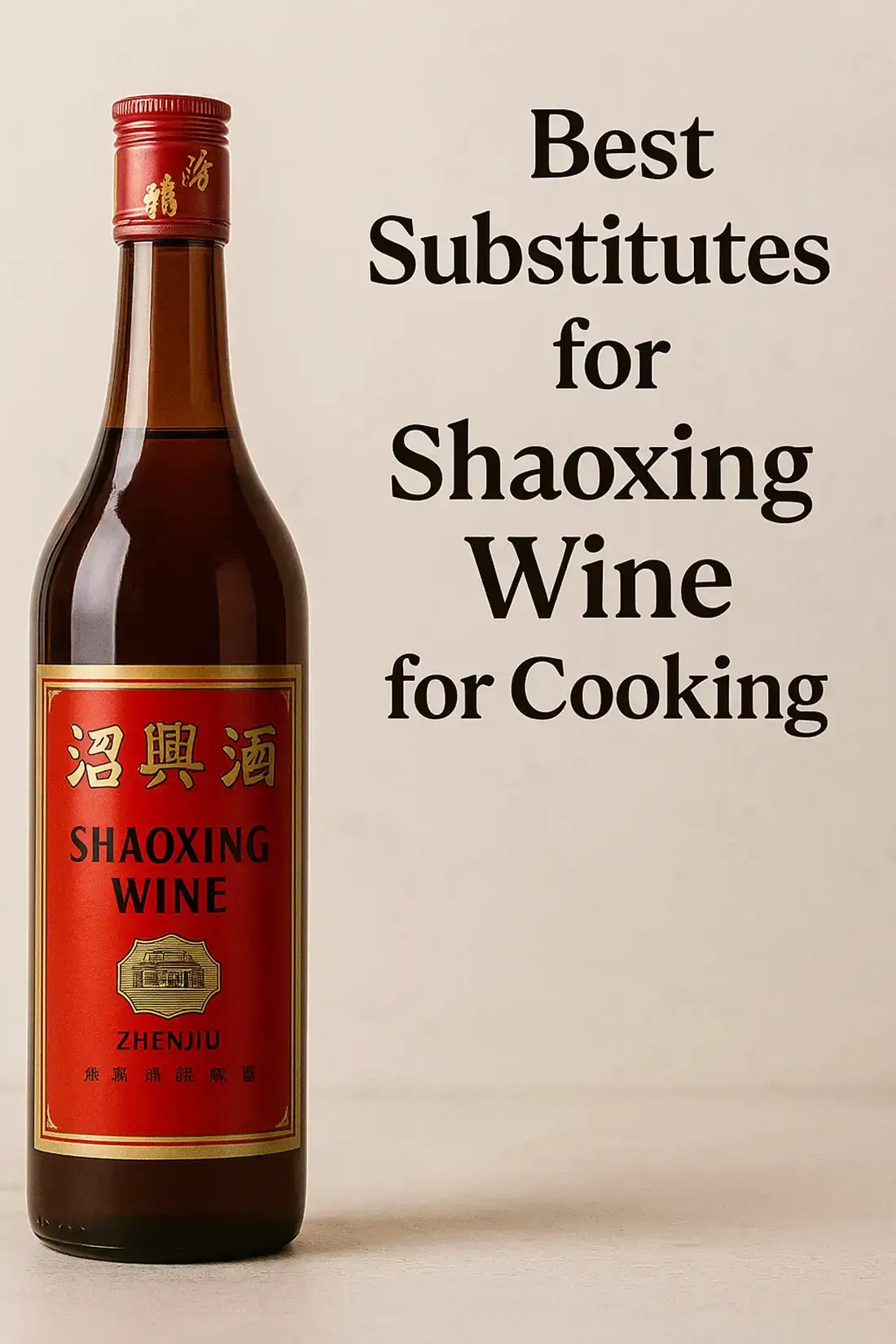
Shaoxing wine is a traditional Chinese rice wine made from fermented glutinous rice, water, and wheat. Named after the city of Shaoxing in Zhejiang province, it’s aged and amber-colored with a complex, slightly sweet yet savory flavor. It’s a key player in Chinese cooking and is often compared to dry sherry or cooking sake due to its depth and mild acidity.
This wine isn’t meant for sipping like sake but is primarily used in cooking to enhance the aroma, umami, and overall richness of a dish. It’s especially common in recipes like:
- Chinese dumpling fillings
- Red-cooked pork
- Fried rice
- Steamed fish
- Kung Pao chicken
So what do you do if a recipe calls for it and you don’t have any?
Ingredients That Can Replace Shaoxing Wine (with Explanations)
Here are the best Shaoxing wine substitutes categorized by alcohol content, availability, and taste similarity.

1. Dry Sherry – Best Overall Substitute
Why it works:
Dry sherry closely mimics the flavor profile of Shaoxing wine—nutty, slightly sweet, and acidic. It’s commonly used in Western cooking and is more readily available.
How to use:
Use a 1:1 ratio—if your recipe calls for 1 tablespoon of Shaoxing wine, use 1 tablespoon of dry sherry.
Pro Tip: Avoid sweet sherry. Always go for “dry” to match the subtle tang of Shaoxing wine.
2. Mirin – Best for a Sweeter Finish
Why it works:
Mirin is a Japanese rice wine that’s sweeter and less alcoholic than Shaoxing. It pairs especially well with glazes and marinades.
How to use:
Use ¾ tablespoon of mirin + ¼ tablespoon rice vinegar for every 1 tablespoon of Shaoxing wine.
Note: Adjust sugar in your dish accordingly, as mirin can make it sweeter.
3. Cooking Sake – Best for Light, Clean Flavor
Why it works:
Like Shaoxing, sake is made from fermented rice. Cooking sake has a more delicate, clean taste and is less pungent.
How to use:
Use a 1:1 ratio, but add a pinch of sugar to replicate Shaoxing’s mellow sweetness.
4. Dry White Wine
Why it works:
Dry white wine offers acidity and a subtle fruitiness, which can work in a pinch for deglazing or marinades.
How to use:
Use a 1:1 ratio, but again, consider adding a pinch of sugar.
Best for: Seafood dishes, stir-fried vegetables.
5. Rice Vinegar + Sugar (Non-Alcoholic Option)
Why it works:
For a Shaoxing wine substitute without alcohol, this combination mimics the tang and hint of sweetness.
How to use:
Mix 1 tablespoon rice vinegar + ½ teaspoon sugar for every 1 tablespoon of Shaoxing wine.
Note: The flavor won’t be exactly the same, but it’s a great option for those avoiding alcohol.
6. Apple Juice or White Grape Juice (Kid-Friendly Alternative)
Why it works:
While not as complex, these juices add gentle sweetness and acidity.
How to use:
Use 1 tablespoon juice + ½ teaspoon rice vinegar per tablespoon of Shaoxing wine.
Ideal for: Sauces, glazes, and kid-friendly recipes.
7. Balsamic Vinegar (Use Sparingly)
Why it works:
It’s rich, sweet, and tangy—but much more intense than Shaoxing. This should be a last resort for recipes where the flavor can handle bold notes.
How to use:
Use ½ tablespoon balsamic + ½ tablespoon water, and balance with sugar if needed.
8. Red or White Cooking Wine

Why it works:
They provide a general wine note and acidity, though they lack the rice-based depth.
How to use:
Use 1:1 ratio, adjusting sweetness with a small amount of sugar.
Best Substitutes for Shaoxing Wine Based on Use Case
| Cooking Scenario | Recommended Substitute |
|---|---|
| Stir-fries | Dry sherry, cooking sake |
| Braised dishes | Dry sherry, mirin with vinegar |
| Dumpling filling | Mirin or rice vinegar + sugar |
| Seafood recipes | Dry white wine or cooking sake |
| Alcohol-free option | Rice vinegar + sugar or juice combo |
Pro Tips for Choosing the Right Best Substitutes for Shaoxing Wine

- Avoid Sweet Wines (Unless Balanced):
Some wines like port or marsala are too sweet and may overpower the dish. Stick to dry or semi-dry wines. - Sugar Balancing is Key:
If your chosen substitute lacks the sweetness of Shaoxing wine, compensate with a small amount of sugar or mirin. - Watch the Salt Levels:
Some cooking wines and vinegars are saltier or more acidic—adjust your recipe to avoid overseasoning. - Test Before You Commit:
If trying a new substitute, mix a small sample with your sauce or marinade to taste-test first. - Don’t Skip It Completely:
Leaving Shaoxing wine out without a replacement can make dishes feel flat. Even a simple sugar + vinegar combo adds more flavor than skipping it entirely.
How to Make a Homemade Best Substitutes for Shaoxing Wine

If you have pantry staples, you can easily create a DIY Best Substitutes for Shaoxing Wine at home.
Homemade Substitute Recipe:
- 2 tablespoons dry sherry or sake
- ½ teaspoon sugar
- Splash of rice vinegar (optional)
Instructions:
Mix and stir well before using in your dish. This blend gives you the fermented depth of wine, a touch of sweetness, and a slight acidity that mirrors traditional Shaoxing wine.
Recipe Tested & Notes
I tested these Shaoxing wine substitutes across several Chinese-inspired recipes, including chicken stir-fry, beef and broccoli, fried rice, and pork dumpling filling. While no substitute perfectly recreates the unique fermented aroma of authentic Shaoxing wine, a few came surprisingly close.
Dry sherry consistently delivered the best overall results. It blended naturally into sauces without changing the balance of flavors. Cooking sake worked well in lighter dishes like steamed fish and vegetable stir-fries, while mirin produced excellent results in recipes that already contained a touch of sweetness.
For alcohol-free cooking, I found that combining rice vinegar with a small amount of sugar created the closest balance of acidity and sweetness. Although it lacks the deep fermented flavor, it still helped brighten sauces instead of leaving them flat.
One important takeaway from testing was that the best substitute depends on the recipe rather than choosing one replacement for every dish.
Mistakes I Made
During testing, I made several mistakes that completely changed the final flavor. Here are the biggest ones so you can avoid them.
Using sweet sherry instead of dry sherry
My first batch became overly sweet and masked the savory flavors of soy sauce and garlic. Dry sherry is definitely the better choice.
Adding too much rice vinegar
I assumed extra vinegar would replace the missing fermented flavor, but it only made the sauce taste sharp and acidic.
Forgetting to reduce sugar when using mirin
Since mirin already contains sweetness, adding the recipe’s original amount of sugar made the sauce taste unbalanced.
Using cooking wine with added salt
Some cooking wines contain significant amounts of salt. Always check the label before using one, or reduce the soy sauce slightly.
Skipping the substitute entirely
The dish tasted noticeably flatter. Even a simple substitute adds complexity that plain water cannot provide.
Personal Cooking Tips Learned From Testing
After making these recipes multiple times, I discovered a few tricks that consistently improve the final dish.
- Add the wine substitute early while stir-frying so the alcohol has time to cook off.
- Dry sherry gives the closest restaurant-style flavor in beef, chicken, and pork recipes.
- Mirin is better suited for teriyaki-style sauces than savory braised dishes.
- When using rice vinegar, always dissolve the sugar first before adding it to the pan.
- Taste the sauce before serving. Different substitutes vary in sweetness and acidity, so small adjustments can make a big difference.
- For marinades, allow the meat to rest for at least 20 minutes so the substitute has time to flavor the protein.
- If using white wine, choose an unoaked dry variety for the cleanest flavor.
Why I Prefer This Version
After comparing several alternatives side by side, I prefer recommending substitutes based on the type of recipe instead of suggesting a single replacement for everything.
Many articles simply tell readers to use dry sherry and stop there. While dry sherry is excellent, it is not always the best choice. Mirin works better in sweeter sauces, sake shines in delicate seafood recipes, and alcohol-free options deserve their own recommendations.
This approach gives home cooks more flexibility based on what they already have in the kitchen instead of making another trip to the grocery store.
It also helps avoid common mistakes that can dramatically change the flavor of the finished dish.
Storage Notes Based on Actual Testing
Although this article focuses on substitutes rather than a prepared recipe, proper storage of these ingredients helps maintain their quality.
- Once opened, Shaoxing wine stays fresh for several months when stored tightly sealed in a cool, dark cupboard.
- Dry sherry should be refrigerated after opening and is best used within one month for cooking.
- Mirin keeps well in the refrigerator for several months after opening.
- Cooking sake should also be refrigerated after opening.
- Homemade rice vinegar and sugar mixtures should be mixed fresh whenever possible instead of storing them.
- Always keep bottles tightly sealed to prevent oxidation, which gradually reduces flavor.
Equipment Used
You don’t need any special equipment to prepare recipes using Shaoxing wine substitutes, but these kitchen tools make cooking much easier.
- Measuring spoons for accurate substitutions
- Small mixing bowls for preparing sauces
- Glass measuring cup
- Chef’s knife
- Cutting board
- Whisk or spoon for mixing sauces
- Wok or large skillet
- Wooden spatula or wok spatula
- Airtight bottles or jars for storing opened cooking wines
- Fine mesh strainer (optional for homemade sauce mixtures)
FAQs: Shaoxing Wine Replacement
Can I use rice vinegar instead of Shaoxing wine?
Yes, but mix it with a little sugar to balance the acidity. Alone, it’s too sharp.
What is the closest alcohol-free substitute for Shaoxing wine?
A mix of rice vinegar and sugar or apple juice with rice vinegar offers a similar balance.
Is mirin the same as Shaoxing wine?
No. Mirin is Japanese, much sweeter, and lower in alcohol. But with vinegar added, it can be a decent stand-in.
Can I use white vinegar instead?
White vinegar is too harsh. Opt for rice vinegar or apple cider vinegar for a gentler flavor.
What’s the best substitute for Shaoxing wine in dumplings?
Use mirin or a small amount of cooking sake mixed with sugar.
Can I substitute Shaoxing wine with Chinese cooking wine?
Yes. If you can find another Chinese cooking rice wine, it can usually replace Shaoxing wine in a 1:1 ratio. Just check whether it contains added salt.
Does the alcohol cook off completely?
Most of the alcohol evaporates during cooking, especially when simmered for several minutes, but trace amounts may remain depending on the cooking time.
Can I use red wine instead of Shaoxing wine?
It is not recommended. Red wine has fruity and tannic flavors that can overpower traditional Chinese dishes.
Is Shaoxing wine gluten-free?
Traditional Shaoxing wine is usually made with wheat as part of the fermentation process, so it is generally not considered gluten-free.
Which substitute is best for fried rice?
Dry sherry is my first choice because it provides the closest savory flavor without making the rice overly sweet.
Can I mix two substitutes together?
Absolutely. During testing, combining dry white wine with a small pinch of sugar created a better flavor than using white wine alone.
What if my substitute tastes too acidic?
Balance it by adding a small pinch of sugar or a few drops of sesame oil. This softens the acidity and creates a more rounded flavor.
Which substitute is easiest to find in regular grocery stores?
Dry sherry and dry white wine are usually the easiest options to find in supermarkets outside Asia, making them convenient choices for most home cooks.
Ingredient Substitutes Recap
| Ingredient | Substitute | Notes |
|---|---|---|
| Shaoxing Wine | Dry Sherry | Best flavor match |
| Shaoxing Wine | Cooking Sake | Add pinch of sugar |
| Shaoxing Wine | Mirin + Vinegar | Sweeter profile |
| Shaoxing Wine | Rice Vinegar + Sugar | Non-alcoholic |
| Shaoxing Wine | Apple Juice + Vinegar | Kid-friendly |
| Shaoxing Wine | Dry White Wine | Light & fruity option |
Nutritional Information (Per Tablespoon of Shaoxing Wine Substitute)
| Substitute | Calories | Carbs | Sugar | Alcohol |
|---|---|---|---|---|
| Dry Sherry | ~30 | 1g | 0g | Yes |
| Mirin | ~45 | 8g | 4g | Yes |
| Cooking Sake | ~35 | 1g | 0g | Yes |
| Rice Vinegar + Sugar | ~10 | 2g | 1g | No |
| Apple Juice + Vinegar | ~12 | 3g | 2g | No |
Final Thoughts
Best Substitutes for Shaoxing Wine is a key to unlocking depth in Chinese cuisine—but it doesn’t have to stop you in your tracks if you don’t have it. With pantry staples like dry sherry, mirin, or even a DIY vinegar-sugar combo, you can still cook flavorful Asian meals with confidence.
Just remember—each substitute has its own personality. Choose based on your recipe type, adjust for sweetness or acidity, and taste as you go. Once you find a swap that suits your palate, you’ll never be stuck in the middle of a stir-fry again.
Have you tried replacing Shaoxing wine in your cooking? Let us know your favorite substitute in the comments!
If you found this guide helpful, don’t miss our other essential cooking substitution articles Asian Chicken Marinade and Instant Pot Chicken Tenders Recipe .