Table of Contents
If you’re seeking a healthy, protein-packed breakfast or snack that’s versatile and easy to make, Cottage Cheese Toast is the answer! It’s perfect for both savory and sweet cravings, while the high protein in cottage cheese helps keep you full for longer. From avocado toppings to honey and fruit, there are endless ways to customize this dish to suit your taste.
How to Make Cottage Cheese Toast: A High-Protein Delight
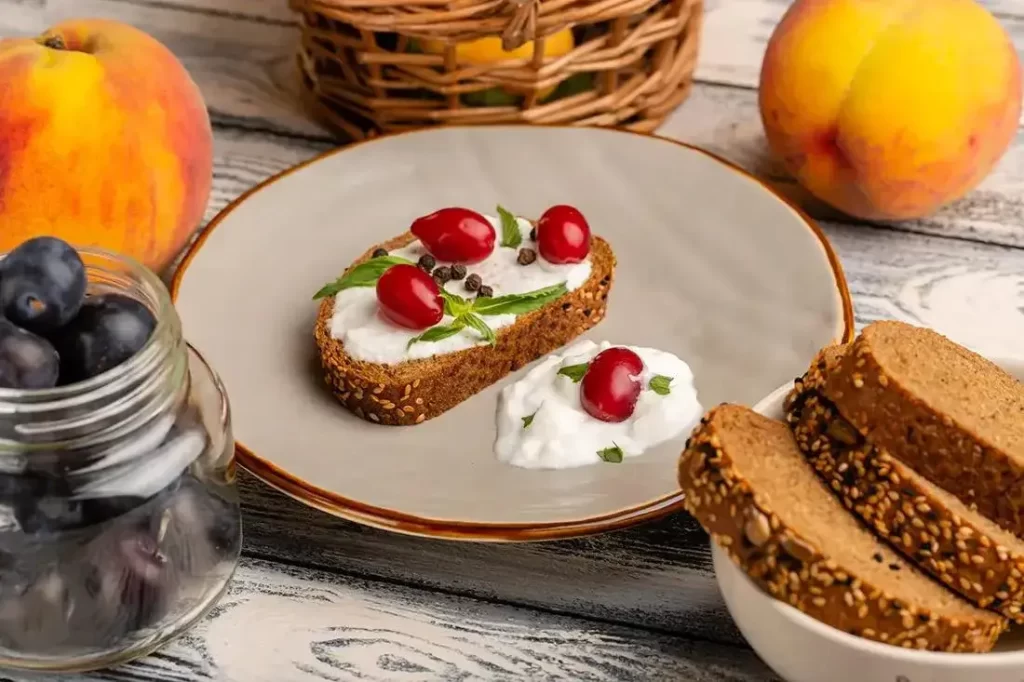
Whether you’re a cottage cheese fan or new to this ingredient, I’ll show you how to make cottage cheese toast that’s not only delicious but also nutrition-packed. Read on to discover savory and sweet variations, serving suggestions, and answers to common questions about this trending toast recipe.
1. Ingredients
Here’s what you need to make Cottage Cheese Toast:
- Bread: Whole grain, sourdough, or rye bread work best, providing a sturdy base and added fiber.
- Cottage Cheese: Choose a high-protein cottage cheese (preferably low-fat or full-fat based on preference).
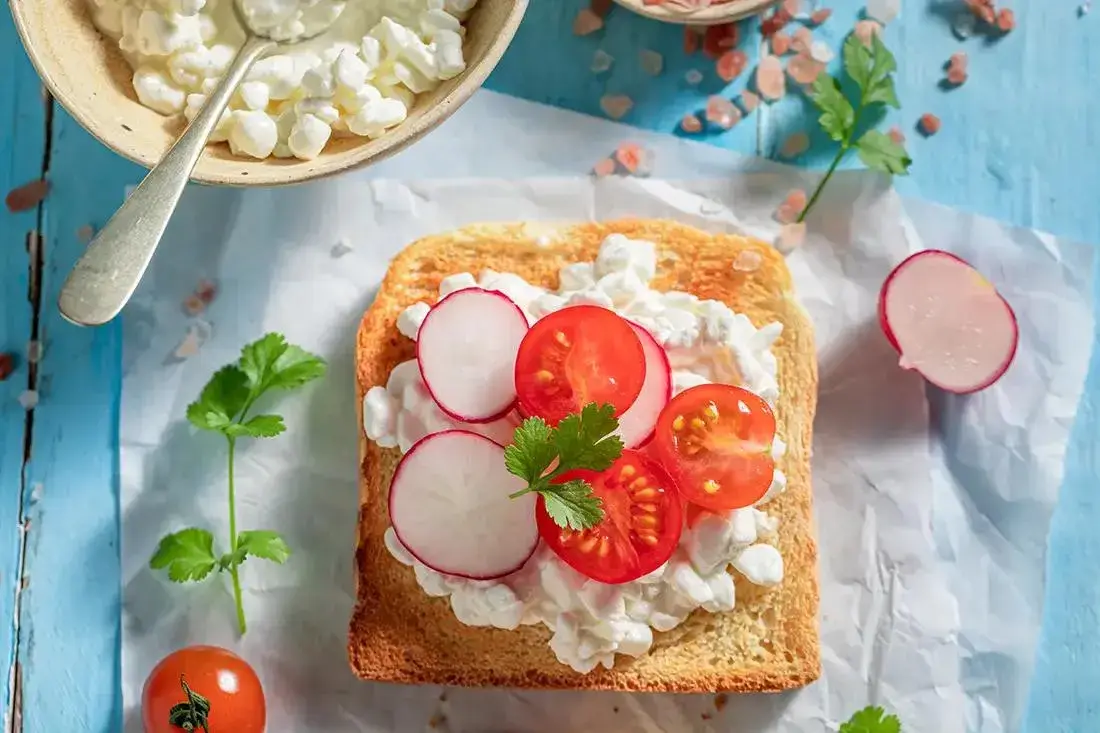
- Savory (Optional Toppings): Avocado slices, cherry tomatoes, cucumber, arugula, smoked salmon, red pepper flakes, or everything bagel seasoning.
- Sweet (Optional Toppings): Fresh berries, sliced banana, honey, cinnamon, nut butter, or chia seeds.

2. Instructions
Follow these simple steps to create delicious Cottage Cheese Toast:
Step 1: Prepare Your Bread
Toast the bread to your desired crispiness, which gives a crunchy base that complements the creamy cottage cheese. Aim for medium to high heat for an ideal golden-brown finish.
Step 2: Add the Cottage Cheese
Spread a generous layer of cottage cheese on each slice of toast. To make it extra smooth, give the cheese a quick stir beforehand, making it easier to spread evenly.
Step 3: Add Your Toppings
For a savory toast, add sliced avocado, tomatoes, or cucumber on top of the cottage cheese. Sprinkle with everything bagel seasoning, salt, and pepper to enhance the flavors. For a sweet version, top with your favorite fruits, drizzle with honey, and sprinkle with cinnamon for extra warmth.
Step 4: Enjoy!
Your Cottage Cheese Toast is ready to serve! Enjoy it as a balanced breakfast, a quick snack, or even a light lunch option.
3. Tips for the Perfect Cottage Cheese Toast
- Choose the Right Bread: Whole-grain or sourdough are ideal for a more nutritious, fiber-filled option.
- Mix Cottage Cheese for Creaminess: Before spreading, stir the cottage cheese for a smoother, creamier consistency.
- Add Healthy Fats: Avocado, nut butter, or a drizzle of olive oil enhances flavor and keeps you full longer.
- Use Fresh Herbs and Spices: For savory toast, fresh herbs like dill, basil, or a pinch of chili flakes can take flavors to the next level.
4. What to Serve With Cottage Cheese Toast
Cottage Cheese Toast is versatile and pairs well with various side dishes, desserts, and drinks:
- Side Dishes: Fresh salad, vegetable sticks, or a small bowl of Greek yogurt for additional protein.
- Desserts: Fresh fruit parfait or a small piece of dark chocolate can be a nice, healthy ending to your meal.
- Drinks: Green smoothies, herbal teas, or freshly squeezed orange juice pair beautifully with Cottage Cheese Toast, offering a refreshing complement.
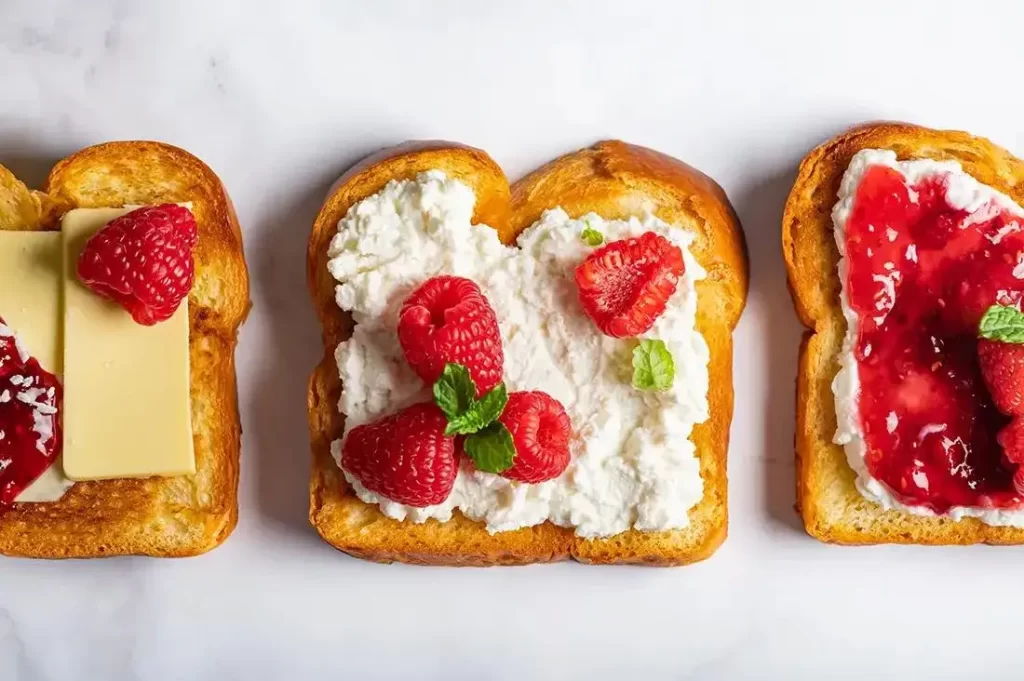
5. Different Ideas of Cottage Cheese Toast Toppings
Here are some creative Cottage Cheese Toast ideas to keep your toast routine exciting, with options for both sweet and savory flavors!
- Classic Avocado Cottage Cheese Toast : Spread cottage cheese on toast and top with avocado slices, everything bagel seasoning, and a sprinkle of chili flakes.
- Berry & Honey Cottage Cheese Toast : Add fresh blueberries or strawberries over the cottage cheese and drizzle with honey for a naturally sweet treat.
- Mediterranean Cottage Cheese Toast : Layer diced cucumber, cherry tomatoes, olives, and a sprinkle of feta cheese. Finish with a dash of olive oil and black pepper.
- Smoked Salmon Cottage Cheese Toast : Spread cottage cheese on toast and layer with smoked salmon, red onion slices, and capers. Top with fresh dill for a touch of elegance.
- Nut Butter & Banana Cottage Cheese Toast : For a filling breakfast, Add a generous layer of almond or peanut butter, cottage cheese, and banana slices. Sprinkle with cinnamon for an extra flavor boost.
- Everything Bagel Cottage Cheese Toast : Top cottage cheese with a generous sprinkle of everything bagel seasoning and sliced green onions for a savory bagel-inspired twist.
- Pesto & Tomato Cottage Cheese Toast : Spread a thin layer of pesto on toast, then top with cottage cheese and cherry tomato halves. Garnish with fresh basil for a Mediterranean-inspired flavor.
These Cottage Cheese Toast ideas offer endless combinations, so you can enjoy a different, delicious toast every day of the week!
Recipe Tested & Notes
I tested this Cottage Cheese Toast recipe several times to find the best balance between crisp toast, creamy cottage cheese, and flavorful toppings. Since the recipe is simple, the quality and preparation of each ingredient make a noticeable difference.
The bread was one of the first things I paid attention to. A sturdy slice of sourdough or whole grain bread worked especially well because it could hold the cottage cheese without becoming soggy. Very soft sandwich bread was more likely to bend or become soft under the topping.
Toasting the bread until properly crisp was important. I found that lightly toasted bread did not provide enough contrast with the creamy cottage cheese. A deeper golden toast gave the best texture.
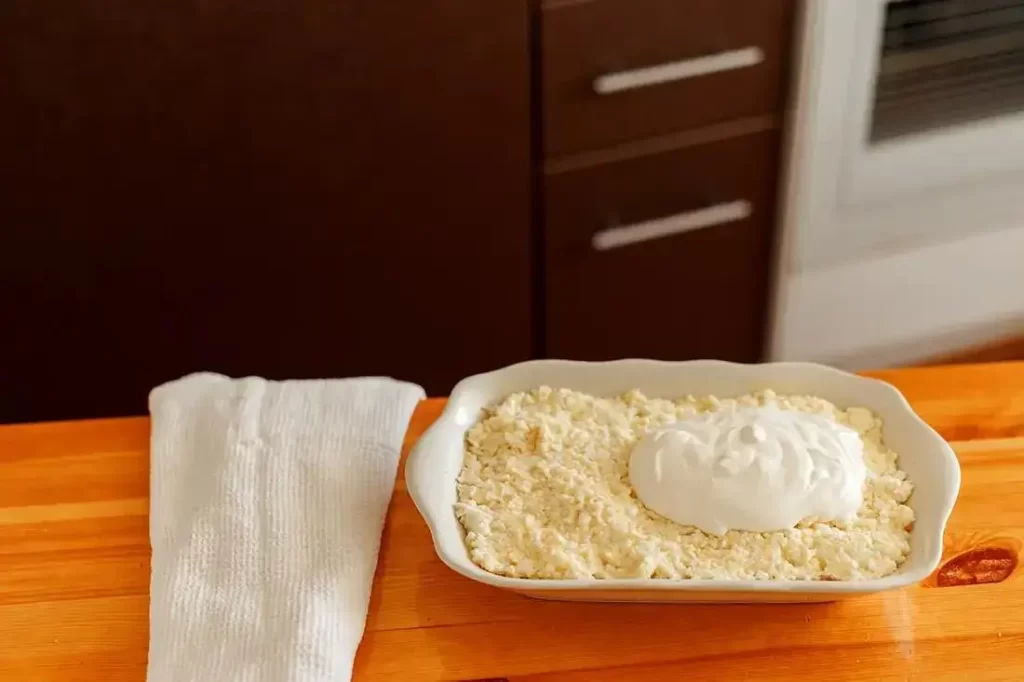
The cottage cheese itself also matters. A thicker cottage cheese produced a better topping because it stayed on the bread instead of spreading or running off. If using cottage cheese with a lot of liquid, draining some of the excess moisture first can help.
I also found that seasoning the cottage cheese before spreading it improved the overall flavor. A little black pepper, herbs, chili flakes, or lemon zest can make a simple cottage cheese toast taste much more interesting.
For sweet versions, honey and fresh fruit worked particularly well with creamy cottage cheese. For savory versions, avocado, tomatoes, cucumber, eggs, or chili flakes created a more substantial breakfast or lunch.
The biggest lesson from testing was to assemble the toast shortly before eating. Once the cottage cheese sits on the bread for too long, even sturdy bread gradually softens.
The final version was creamy, crunchy, fresh, and satisfying. It works equally well as a quick breakfast, snack, light lunch, or post-workout meal.
Mistakes I Made
Testing this recipe helped me identify several mistakes that can affect the final result.
Using bread that was too soft
Soft sandwich bread became soggy more quickly. A sturdy bread provided a much better base.
Not toasting the bread enough
Lightly toasted bread lacked the crunch needed to contrast with the creamy cottage cheese.
Using watery cottage cheese
Excess moisture made the toast softer. Draining very wet cottage cheese improved the texture.
Adding too many toppings
A heavy layer of toppings made the toast difficult to eat and sometimes caused the bread to become soggy.
Not seasoning the cottage cheese
Cottage cheese can have a mild flavor. A little seasoning made the toast much more flavorful.
Preparing the toast too early
The longer the cottage cheese sat on the bread, the softer the toast became. Serving immediately produced the best texture.
Using toppings without considering flavor balance
Very salty or acidic toppings can overpower the cottage cheese. Balancing creamy, salty, fresh, spicy, and acidic elements produced better results.
Personal Cooking Tips Learned From Testing
These tips consistently gave me the best results:
- Choose sturdy bread such as sourdough, whole grain, or multigrain.
- Toast the bread until golden and crisp.
- Use thick cottage cheese when possible.
- Drain excess liquid from watery cottage cheese.
- Season the cottage cheese before spreading.
- Spread the cottage cheese evenly but not excessively thick.
- Add toppings immediately before serving.
- Use fresh herbs for extra flavor.
- Add chili flakes for a little heat.
- Add lemon zest for brightness.
- Use avocado for extra creaminess.
- Add a boiled or fried egg when you want a more filling meal.
- Use tomatoes or cucumber for freshness.
- Add honey and fruit for a sweet version.
- Finish savory toast with freshly cracked black pepper.
- Serve immediately for the best contrast between crisp bread and creamy topping.
Why I Prefer This Version
I prefer this Cottage Cheese Toast because it is quick, filling, and incredibly easy to customize.
Cottage cheese provides a creamy texture and makes the toast more satisfying than a simple slice of bread with butter or jam. When paired with a crisp piece of sourdough or whole grain bread, you get a nice contrast in every bite.
I also like that the same basic recipe can go in several directions. A savory version with avocado, tomato, chili flakes, and herbs makes a fresh breakfast or lunch, while honey and berries turn it into a naturally sweet option.
The recipe requires very little cooking, which makes it especially useful on busy mornings. You can prepare the toast in just a few minutes while still getting a meal with a good amount of protein.
Another reason I prefer this version is its flexibility. You can change the bread, seasonings, and toppings depending on what you already have in the kitchen.
Storage Notes Based on Actual Testing
Cottage Cheese Toast is best eaten immediately after assembly. I found that storing fully assembled toast resulted in softer bread and less appealing texture.
Bread
If you are preparing components ahead, keep toasted bread separate from the cottage cheese.
Toast the bread shortly before serving whenever possible.
Cottage Cheese
Store cottage cheese in the refrigerator according to the package instructions and keep it tightly covered.
If excess liquid separates during storage, stir the cottage cheese before using or drain some of the liquid if necessary.
Prepared Toast
If the toast has already been assembled, refrigerate leftovers promptly.
The bread will soften as it sits, so the texture will not be as crisp as freshly prepared toast.
For the best results, prepare only as much as you plan to eat.
Make-Ahead Preparation
You can prepare toppings ahead of time, such as sliced vegetables, boiled eggs, herbs, or fruit.
Keep the components refrigerated where appropriate and assemble the toast immediately before eating.
Equipment Used
These tools make Cottage Cheese Toast easy to prepare:
- Toaster or toaster oven
- Cutting board
- Chef’s knife
- Spoon
- Small mixing bowl
- Fork
- Measuring spoons
- Small skillet, optional
- Grater or zester, optional
- Airtight storage container
- Paper towel, optional
6. FAQs
Is Cottage Cheese Toast a good high-protein breakfast?
Yes, cottage cheese is high in protein, which makes it a fantastic breakfast choice. One serving can provide around 10-14 grams of protein, depending on the brand, which helps keep you full for hours.
Can I use flavored cottage cheese for toast?
While plain cottage cheese is ideal, you can experiment with flavored options. Just be mindful of added sugars or ingredients that might clash with your toppings.
How long can Cottage Cheese Toast be kept?
It’s best enjoyed immediately. If you need to store it, keep the cottage cheese and toast separate, and assemble right before eating to preserve freshness.
Can Cottage Cheese Toast be a post-workout snack?
Absolutely! With a great balance of protein and carbs, Cottage Cheese Toast is ideal for muscle recovery after a workout.
How Do You Make Cottage Cheese Taste Good Savory?
Cottage cheese can be a versatile base for savory dishes! To enhance its flavor for savory Cottage Cheese Toast, try pairing it with fresh herbs, spices, and vegetables. Some great ways to make cottage cheese taste deliciously savory include:
- Add Fresh Herbs: Chopped chives, basil, parsley, or dill can add a burst of fresh flavor.
- Season Well: A sprinkle of salt, pepper, garlic powder, or red pepper flakes can make cottage cheese more flavorful and balanced.
- Top with Vegetables: Cherry tomatoes, cucumber slices, or even bell peppers provide a crunchy, refreshing contrast.
- Try a Drizzle: A bit of olive oil or balsamic glaze over cottage cheese can add depth and richness to your toast.
- Use Savory Toppings: Everything bagel seasoning, smoked salmon, or avocado can turn cottage cheese into a savory star!
7. Substitutes
If you’re looking for alternatives to some ingredients, here are some suggestions:
- Bread: Gluten-free bread or rice cakes work well as substitutes.
- Cottage Cheese: Greek yogurt or ricotta cheese offer similar textures and protein benefits.
- Avocado: Sliced cucumber or leafy greens can be refreshing alternatives to add crunch and freshness.
- Honey: Maple syrup or agave nectar can be swapped for honey in the sweet variations.
8. Nutrition Information (per serving)
While exact nutrition may vary, here’s an estimate for one slice of Cottage Cheese Toast:
- Calories: 180-220 (depending on bread type)
- Protein: 12-15g
- Fat: 5-8g (higher if adding avocado or nut butter)
- Carbohydrates: 20-25g
- Fiber: 3-5g (using whole grain or sourdough bread)
Conclusion
Cottage Cheese Toast is a simple yet delicious way to start your day or refuel during the afternoon. It’s customizable with endless topping combinations, catering to both sweet and savory preferences. With high protein content and rich flavors, Cottage Cheese Toast deserves a spot on your breakfast or snack rotation. Try it with your favorite toppings and let it add a boost to your healthy eating routine!