Table of Contents
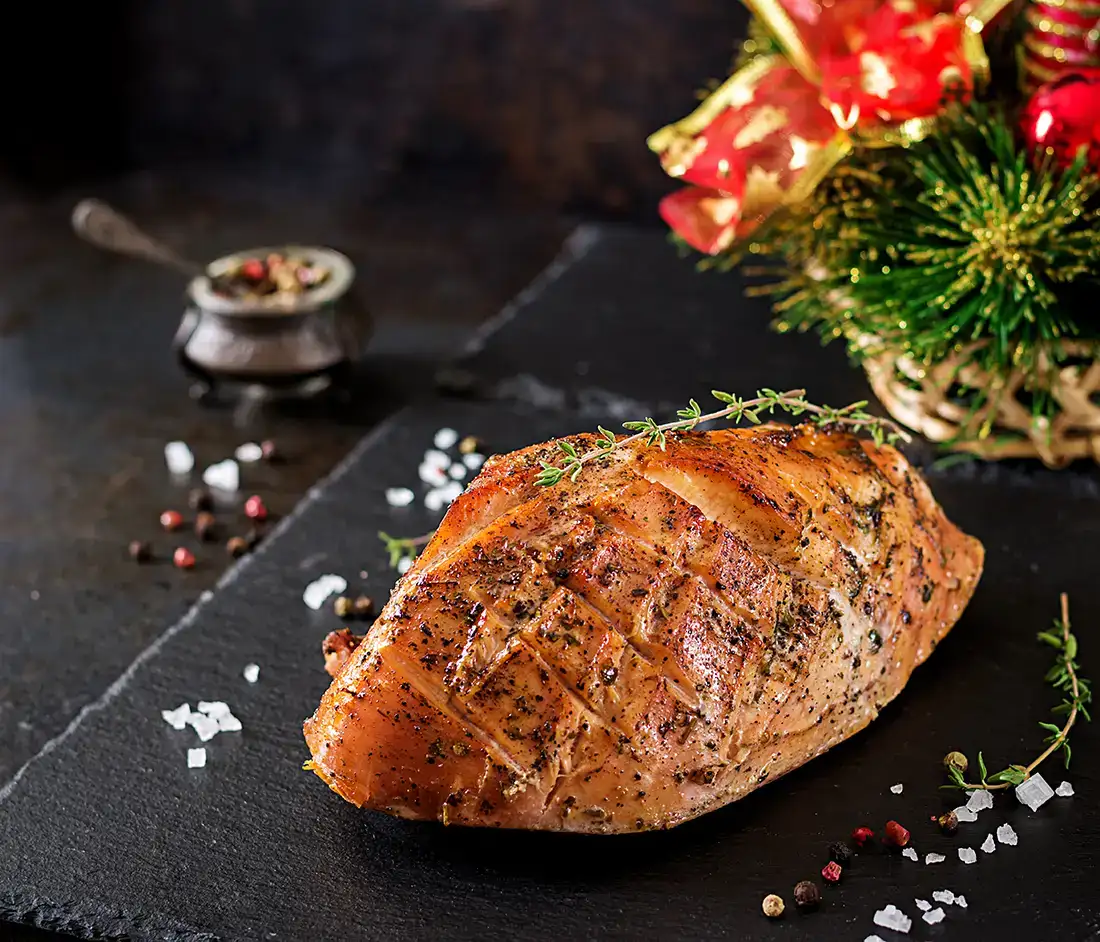
Looking for the ultimate way to elevate turkey breast? Smoking is the answer! Imagine tender, juicy meat infused with smoky, savory flavors, topped off with a golden, lightly crisped crust. Whether you’re planning a holiday feast, a summer cookout, or simply want to try your hand at creating a culinary masterpiece, learning how to make smoked turkey breast is a must for any home cook or grill enthusiast.
In this guide, we’ll walk you through every step to ensure your smoked turkey breast recipe turns out perfect every time. From selecting the best ingredients to tips for keeping the meat moist and flavorful, you’ll become a pro at creating this crowd-pleasing dish.
But the adventure doesn’t stop there! We’ve also included mouthwatering variations, creative serving ideas, and answers to all your burning questions, like how long to smoke a turkey breast and the best way to smoke turkey breast on a pellet grill. By the end of this guide, you’ll be armed with all the tips and tricks needed to deliver a turkey breast that’s worthy of applause.
So, grab your smoker and your appetite—let’s dive into the art of crafting the best smoked turkey breast you’ve ever tasted!
How to Make Smoked Turkey Breast
Ingredients
To make a smoked turkey breast, you’ll need the following:
Main Ingredients:
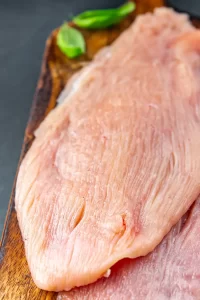
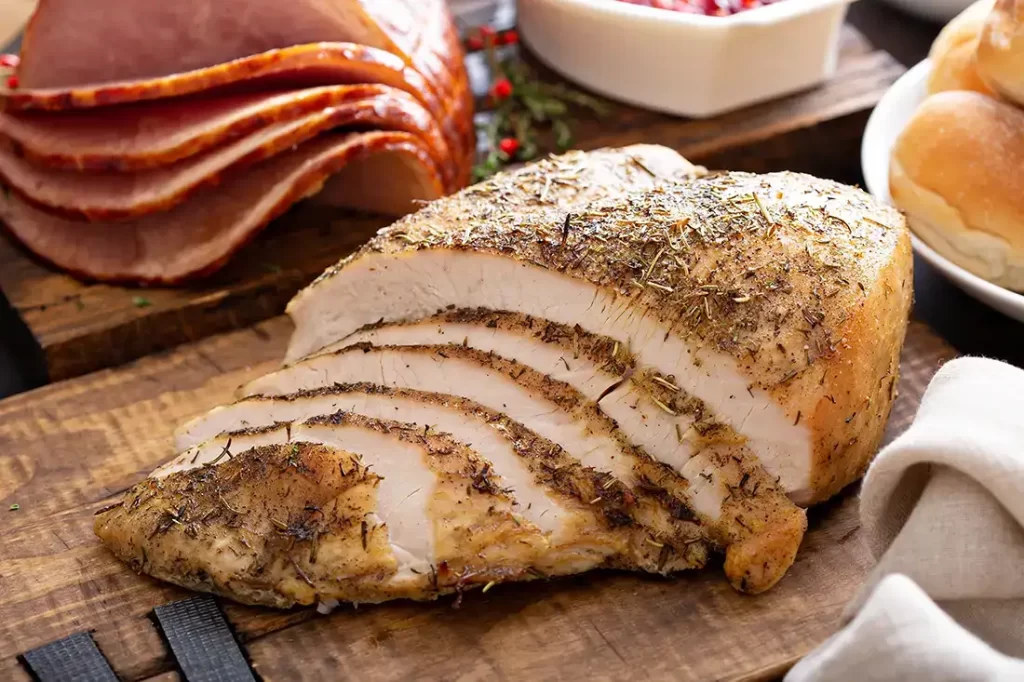
- Turkey Breast: 4–6 pounds, bone-in or boneless. You can also opt for a smoked boneless turkey breast or even a smoked wild turkey breast if you’re feeling adventurous.
- Kosher Salt: 2 tablespoons (for dry brining).
- Brown Sugar: 2 tablespoons.
- Olive Oil: 2 tablespoons.
- Smoked Paprika: 1 tablespoon.
- Garlic Powder: 1 tablespoon.
- Onion Powder: 1 tablespoon.
- Ground Black Pepper: 1 teaspoon.
- Dried Thyme or Rosemary: 1 teaspoon (optional for extra flavor).
Optional Ingredients for Brine (Optional but highly recommended):
- 1 gallon water.
- 1/2 cup kosher salt.
- 1/2 cup brown sugar.
- 2 cloves garlic, smashed.
- 1 sprig fresh rosemary.
- 1 lemon, sliced.
Instructions to Make Smoked Turkey Breast
Step 1: Prepare the Turkey Breast
1. Brine the Turkey (Optional):
- Combine all brine ingredients in a large pot. Submerge the turkey breast and refrigerate for 8–12 hours. Brining ensures a juicy and flavorful result.
- Rinse the turkey breast under cold water and pat it dry with paper towels.
2. Dry Brining (Alternative):
- If you skip the wet brine, sprinkle the turkey breast generously with kosher salt and let it sit uncovered in the refrigerator for at least 4 hours (preferably overnight).
Step 2: Prepare the Rub
- In a small bowl, mix smoked paprika, garlic powder, onion powder, black pepper, and thyme.
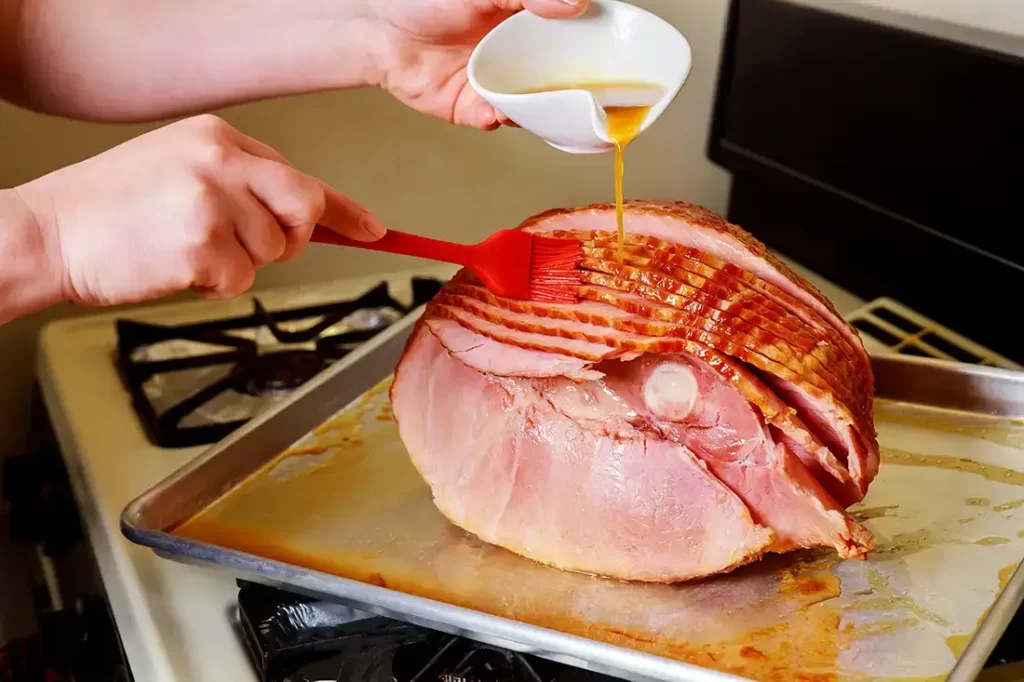
- Brush the turkey breast with olive oil to help the rub adhere.
- Generously coat the turkey with the spice rub, ensuring all sides are evenly covered
Step 3: Set Up the Smoker
- Choose Your Smoker: You can use a pellet grill, charcoal smoker, or gas grill. To smoke turkey breast on a pellet grill, set it to 225°F.
- Select Your Wood Chips: Hickory, applewood, or cherrywood work beautifully for turkey.
- Preheat the smoker to 225°F, ensuring consistent temperature for even cooking.
Step 4: Smoke the Turkey Breast
- Place the turkey breast directly on the smoker grates.
- Insert a meat thermometer into the thickest part of the breast.
- Smoke for approximately 3–4 hours, or until the internal temperature reaches 160°F. (The USDA recommends 165°F, but the turkey will continue to cook during resting.)
Step 5: Rest and Serve
- Remove the turkey breast from the smoker and tent it loosely with foil.
- Let it rest for 20 minutes to allow juices to redistribute.
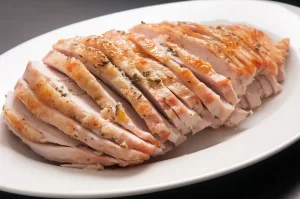
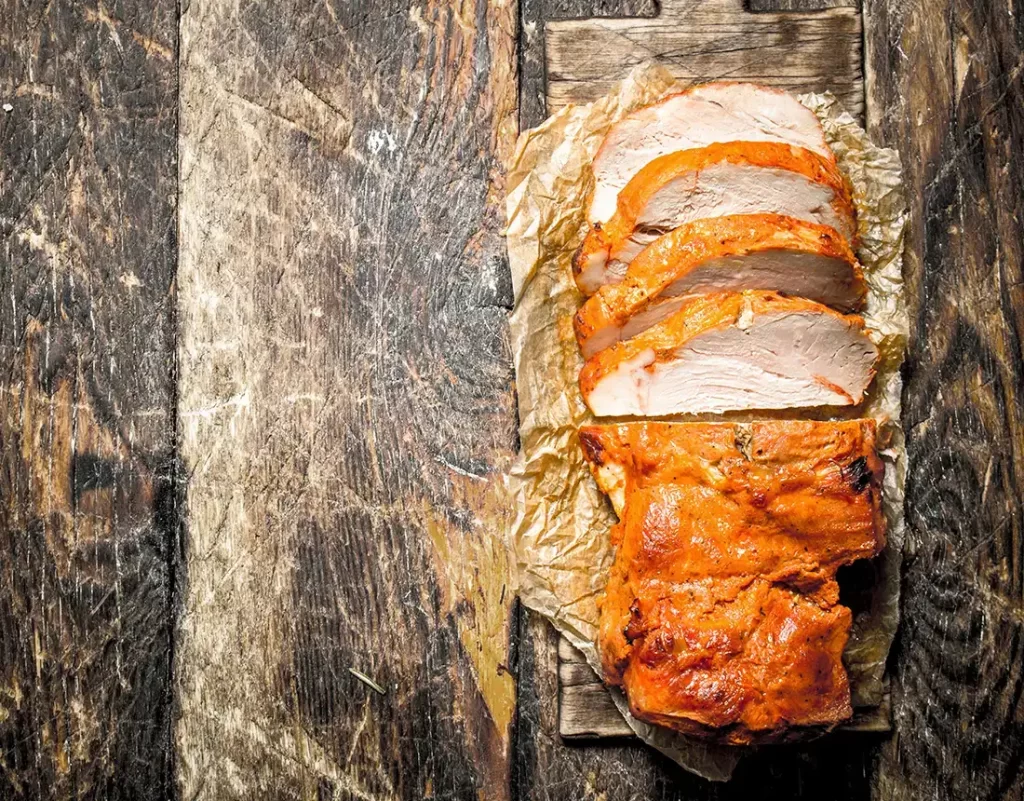
- Slice and serve with your favorite side dishes.
Tips for Smoking the Best Turkey Breast
- Use a Meat Thermometer: This is essential to monitor doneness without overcooking.
- Don’t Skip the Resting Period: It ensures juicy meat.
- Control Moisture: Place a water pan in the smoker to maintain humidity.
- Experiment with Flavors: Add fresh herbs or citrus zest to the rub or brine for a unique twist.
- Avoid Over-Smoking: Turkey breast is lean and can become bitter if exposed to too much smoke.
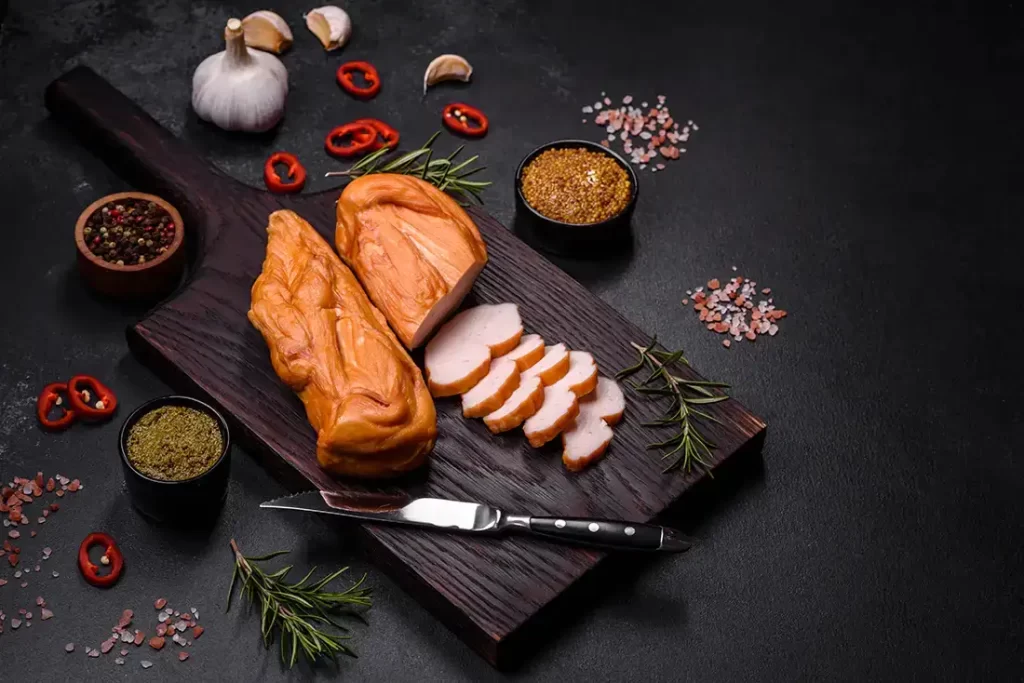
What to Serve with Smoked Turkey Breast
Pair your smoked turkey breast recipe with these sides for a complete feast:
- Garlic Mashed Potatoes: Creamy and flavorful, the perfect accompaniment.
- Honey-Glazed Carrots: Sweet and savory with a smoky twist.
- Smoked Mac and Cheese: Rich and cheesy, this dish shines alongside smoked turkey.
- Classic Coleslaw: A refreshing contrast to the smoky flavors.
- Desserts: Pair it with vanilla ice cream or use it as a garnish. It also complements sweet treats like our Gluten-Free Yellow Cake with White Chocolate.
- Cocktails and Drinks: Smoked Turkey Breast makes a unique garnish for cocktails like Bloody Marys or maple whiskey old-fashioneds. Pair it with a refreshing Skinny Margarita for an intriguing balance of flavors.
- Chicken Fried Rice : you can pair this with chicken fried rice special backend on Blackstone.
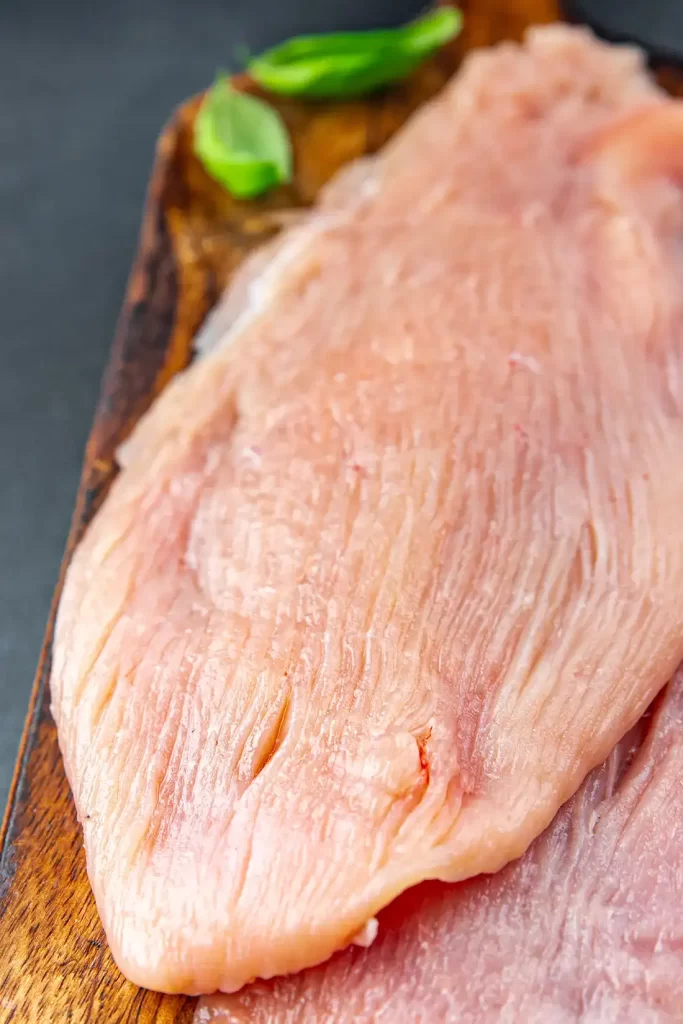
Variations of Smoked Turkey Breast
Smoking turkey breast offers endless opportunities for creativity. Here are some delicious variations to try, each adding a unique twist to the classic recipe:
Smoked Wild Turkey Breast
For a more robust and gamey flavor, use wild turkey breast instead of store-bought. Wild turkey is leaner and has a slightly darker, richer meat. To prevent it from drying out during smoking:
- Brine the wild turkey breast overnight to boost moisture retention.
- Add a small layer of bacon over the breast to help keep it moist during the smoking process.
Spicy Smoked Turkey Breast
If you enjoy a bit of heat, spice up your rub by adding:
- Cayenne Pepper: 1 teaspoon for moderate heat, or more for an extra kick.
- Chipotle Powder: For a smoky, spicy flavor.
- Sriracha or Hot Sauce: Rub a thin layer onto the turkey before applying the dry rub.
This variation pairs wonderfully with cooling sides like coleslaw or casaer salad.
Herb-Crusted Smoked Turkey Breast
Enhance the earthy flavors of smoked turkey with fresh herbs:
- Finely chop rosemary, thyme, and sage, then mix them with olive oil and spread the mixture over the turkey before applying the rub.
- Use garlic-infused butter under the skin for an added layer of richness.
This variation is perfect for Thanksgiving or holiday dinners where traditional flavors are key.
Citrus and Honey Glazed Turkey Breast
Introduce a sweet and tangy element by glazing the turkey with a citrus-honey mixture during the last hour of smoking.
- Combine 1/4 cup honey, the juice of one orange, and 1 tablespoon of Dijon mustard. Brush this mixture onto the turkey every 20 minutes during the final hour.
- Add orange or lemon zest to the rub for an additional pop of citrus flavor.
Smoked Boneless Turkey Breast
A smoked boneless turkey breast cooks faster and is easier to slice.
- Marinate the boneless turkey breast overnight in a mixture of olive oil, lemon juice, garlic, and herbs for extra flavor.
- Butterfly the breast and stuff it with spinach, feta cheese, and sun-dried tomatoes before rolling it up and tying it with butcher’s twine for a gourmet presentation.
BBQ-Style Smoked Turkey Breast
For a Southern twist, use a BBQ-inspired rub and baste the turkey with your favorite barbecue sauce during the last 30 minutes of smoking.
- Incorporate brown sugar, smoked paprika, and mustard powder into the rub for a sweet-and-savory profile.
- Serve with baked beans, cornbread, and coleslaw for a true BBQ feast.
Maple-Bourbon Smoked Turkey Breast
Infuse your turkey with the bold flavors of bourbon and maple syrup:
- Mix 1/4 cup maple syrup, 2 tablespoons bourbon, and a pinch of cinnamon.
- Apply the glaze during the final hour of smoking for a rich and slightly sweet flavor that pairs perfectly with roasted vegetables.
Each of these variations offers a distinctive flavor profile while staying true to the essence of smoked turkey. Try one or mix and match elements to create your perfect smoked turkey breast!
Recipe Tested & Notes
I tested this smoked turkey breast recipe with a focus on keeping the meat juicy while developing a flavorful smoky exterior. Turkey breast is naturally lean, so the biggest challenge is preventing it from becoming dry during the smoking process.
One of the most important things I noticed during testing was that the size and thickness of the turkey breast affected the cooking time considerably. Rather than relying only on a fixed cooking time, checking the internal temperature was much more reliable.
Allowing the turkey to come closer to room temperature before smoking also helped it cook more evenly. I found that a good seasoning layer created a flavorful crust without overpowering the natural taste of the turkey.
The smoking temperature also mattered. A steady, moderate smoker temperature produced a better balance of smoky flavor and tenderness than trying to cook the turkey too quickly.
Resting the turkey after smoking was another step I did not want to skip. Cutting into it immediately caused more juices to escape. After resting, the slices were noticeably juicier.
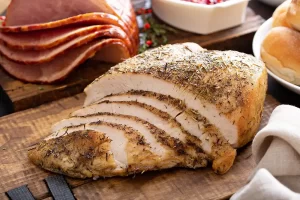
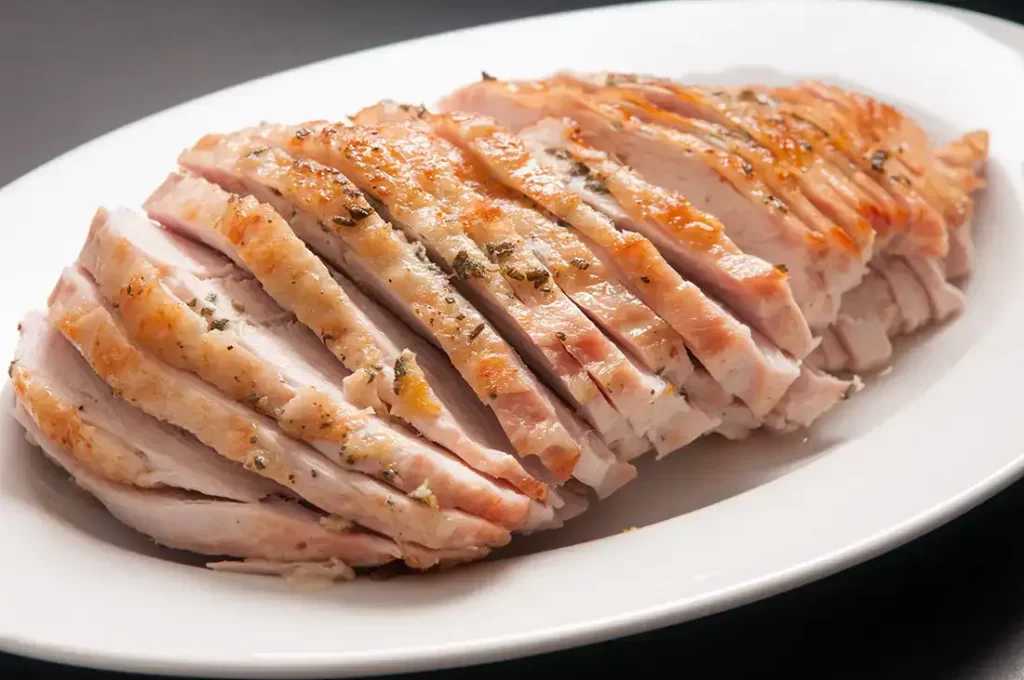
For the best result, I recommend slicing the turkey breast against the grain. This makes each piece more tender and easier to chew.
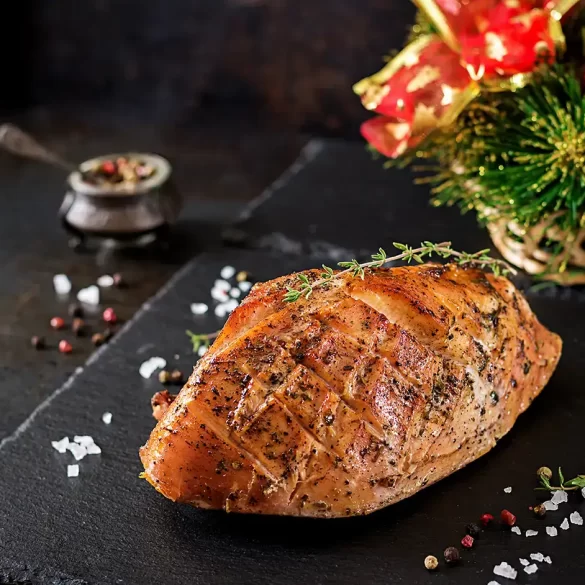
The finished turkey had a smoky exterior, juicy center, savory seasoning, and enough flavor to serve as both a main dish and a sandwich filling.
Mistakes I Made
Testing this recipe helped me avoid several common mistakes.
Cooking only by time
Turkey breasts vary in size and thickness, so using cooking time alone was unreliable. Checking the internal temperature gave much more consistent results.
Overcooking the turkey
Because turkey breast is lean, even a little overcooking can make it dry. Monitoring the internal temperature carefully helped prevent this.
Skipping the resting period
Slicing immediately after smoking caused more juices to run onto the cutting board. Resting produced noticeably juicier slices.
Using too much smoke
Too much smoke can make turkey taste bitter or overly intense. A clean, steady smoke gave a much better flavor.
Applying uneven seasoning
A thick layer in some areas and almost none in others resulted in inconsistent flavor. Distributing the seasoning evenly produced better results.
Slicing with the grain
Long muscle fibers made the turkey feel tougher. Slicing against the grain produced more tender pieces.
Personal Cooking Tips Learned From Testing
These tips consistently gave me the best results:
- Choose a turkey breast with fairly even thickness.
- Pat the turkey dry before seasoning.
- Season all sides evenly.
- Allow the seasoning time to adhere before smoking.
- Keep the smoker temperature steady.
- Use a reliable meat thermometer.
- Avoid opening the smoker unnecessarily.
- Do not rely on cooking time alone.
- Let the turkey rest before slicing.
- Slice against the grain.
- Use a sharp carving knife for clean slices.
- Save the pan juices if you plan to make gravy or a sauce.
- If the exterior is browning too quickly, monitor the smoker temperature closely.
Why I Prefer This Version
I prefer this smoked turkey breast because it produces a flavorful exterior while keeping the lean turkey breast tender and juicy.
Smoking adds a deep, savory flavor that you simply do not get from roasting alone. The seasoning forms a delicious crust while the gentle cooking process allows the turkey to take on the smoky aroma.
I also like how versatile the finished turkey is. It can be served as the centerpiece of a holiday meal, sliced for sandwiches, added to salads, or used in wraps and meal-prep bowls.
Another reason I prefer this method is that it does not require a complicated seasoning blend. A well-balanced combination of savory spices allows the smoke and turkey to remain the main flavors.
Most importantly, using an internal thermometer and allowing the meat to rest makes the result much more dependable.
Storage Notes Based on Actual Testing
I tested several storage and reheating methods to see how well the smoked turkey maintained its texture.
Refrigerator
Store leftover smoked turkey breast in an airtight container or tightly wrapped in the refrigerator.
For best quality, use refrigerated cooked turkey within 3 to 4 days.
Keeping the Turkey Moist
I found that storing the turkey in larger pieces helped it retain moisture better than slicing the entire breast in advance.
If you know you will use it for sandwiches, slice only the amount needed.
Reheating
Gentle reheating produced better results than high heat. Add a small amount of broth or pan juices when reheating sliced turkey if it appears dry.
Avoid overheating because turkey breast can dry out quickly.
Freezing
Smoked turkey breast can be frozen for longer storage. Wrap it tightly in freezer-safe packaging and place it in an airtight freezer bag or container.
For the best texture, thaw it gradually in the refrigerator before reheating.
Make-Ahead Preparation
Smoked turkey breast works very well as a make-ahead meal. You can smoke it ahead of time, refrigerate it, and gently reheat it before serving.
Equipment Used
These tools make this smoked turkey breast recipe easier to prepare:
- Smoker
- Meat thermometer
- Large cutting board
- Sharp carving knife
- Tongs
- Small mixing bowl
- Measuring cups
- Measuring spoons
- Baking sheet or tray
- Aluminum foil
- Wire rack, optional
- Airtight storage containers
FAQs While Making Smoked Turkey Breast
How Long to Smoke a Turkey Breast?
On average, at 225°F, you’ll need 35–45 minutes per pound. A 5-pound turkey breast takes about 3–4 hours. Always rely on a thermometer to confirm doneness.
Can I Smoke a Frozen Turkey Breast?
It’s best to thaw the turkey breast in the refrigerator for 24–48 hours before smoking for even cooking.
What Temperature Do I Smoke Turkey Breast At?
225°F is ideal for slow-smoking. Increase to 350°F in the last 30 minutes for a crispy skin.
Can I Use the Same Method for Boneless Turkey Breast?
Yes! Smoked boneless turkey breast cooks faster but retains the same great flavor.
Can I Smoke a Turkey Breast Without a Smoker?
Yes! You can create a smoking effect using a gas or charcoal grill. Set up indirect heat by placing the turkey breast on one side and a smoker box or foil packet of wood chips on the other. Maintain a consistent temperature of 225°F and follow the same instructions for smoking.
How Do I Keep the Turkey Breast Moist?
- Brining (wet or dry) is essential for moisture retention.
- Maintain humidity in your smoker by placing a water pan near the heat source.
- Avoid overcooking by using a meat thermometer to check the internal temperature.
What’s the Best Wood for Smoking Turkey Breast?
Fruitwoods like apple, cherry, and peach add a mild, sweet flavor that complements turkey. For a bolder taste, hickory or pecan are excellent options. Avoid woods like mesquite, which can overpower the delicate flavor of turkey.
Can I Smoke a Pre-Cooked Turkey Breast?
Yes, but the process is slightly different. Use a low temperature (around 225°F) to gently reheat the turkey breast while infusing it with smoke flavor. Monitor the temperature closely to avoid drying it out; aim for 140°F internal temperature for reheating.
Substitutes
If you don’t have turkey breast, consider these options:
- Chicken Breast: Smaller but equally flavorful when smoked.
- Pork Loin: Similar in size and texture, with a different flavor profile.
- Tofu or Cauliflower: Vegetarian-friendly alternatives that absorb smoke beautifully.
Nutrition of Smoked Turkey Breast
A 6-ounce serving of smoked turkey breast (without skin) contains:
- Calories: 140
- Protein: 28g
- Fat: 2g
- Carbohydrates: 1g
- Cholesterol: 70mg
- Sodium: 450mg (varies with brining)
Smoked turkey breast is a versatile and satisfying dish, perfect for impressing your family and guests. By following these detailed instructions, you’ll learn how to smoke a turkey breast like a pro, ensuring juicy, flavorful meat every time. Don’t forget to experiment with variations and serve it with complementary sides to elevate your meal to the next level!