Table of Contents
Craving something soothing, nutritious, and incredibly easy to prepare? This Rice Gruel Recipe is exactly what you need! Rice gruel, also known as Congee or Rice Porridge, is a heartwarming staple in many cultures worldwide, cherished for its simplicity and comforting texture. Whether you’re feeling under the weather, need gentle nourishment for babies or elderly loved ones, or just want a quick and budget-friendly meal, this dish checks all the boxes.
In today’s post, you’ll discover exactly how to make a perfect bowl of rice gruel with simple, step-by-step instructions. I’ll also share chef-approved tips, creative variations to customize the flavor, serving ideas, nutritional insights, and answers to common questions you might have along the way. Ready to master this versatile comfort food? Let’s dive into the ultimate guide to making rice gruel at home!
How to Make Rice Gruel
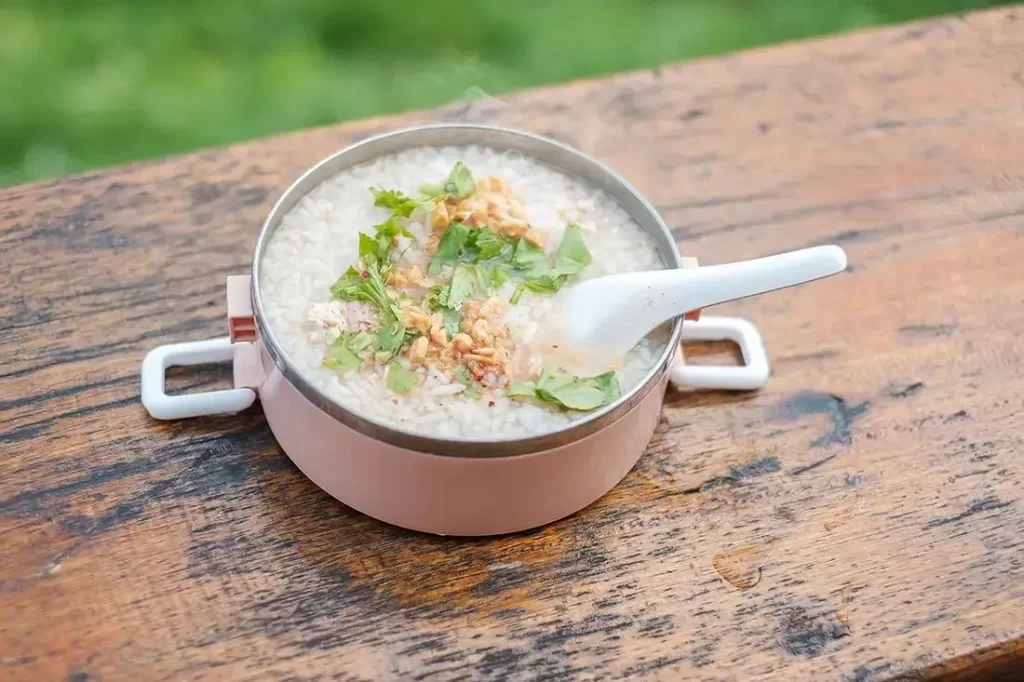
Ingredients for Rice Gruel
To make a basic rice gruel, you only need a few simple ingredients. You can always modify the recipe according to your taste preferences or dietary needs.
Basic Ingredients for Rice Gruel Recipe:
- 1 cup of white rice (jasmine rice or any short-grain rice works well)
- 5–6 cups of water (depending on the consistency you desire)
- A pinch of salt (optional)
- Optional additions: ginger, garlic, herbs, or vegetables for extra flavor and nutrition
If you’re preparing rice gruel for babies or someone recovering from illness, you may want to omit the salt and spices to keep it plain.
Instructions to make Rice Gruel
Here’s a step-by-step guide on how to make rice gruel recipe.
- Rinse the Rice: Start by rinsing 1 cup of rice under cold water to remove excess starch. This helps prevent the gruel from becoming too sticky.
- Boil Water: In a large pot, bring 5–6 cups of water to a rolling boil. The amount of water can be adjusted depending on how thick or thin you want your rice gruel to be.
- Add Rice: Once the water boils, add the rinsed rice to the pot. Stir it once to make sure the rice doesn’t stick to the bottom of the pot.
- Simmer the Rice: Reduce the heat to low, cover the pot partially, and let the rice simmer. Stir occasionally to prevent the rice from sticking. It will take about 30–40 minutes for the rice to break down and become soft.
- Adjust Consistency: If the gruel looks too thick, you can add more water. If it’s too thin, let it simmer for a bit longer until it reaches the desired consistency.
- Add Seasoning: If you’re adding salt or any other seasonings, do so at this stage. You can also add ginger or garlic to enhance the flavor if you’re looking for a savory option.
- Serve: Once the rice has softened completely and the mixture has thickened, your rice gruel is ready to serve. Serve hot, either plain or with accompaniments like pickles, vegetables, or meats.
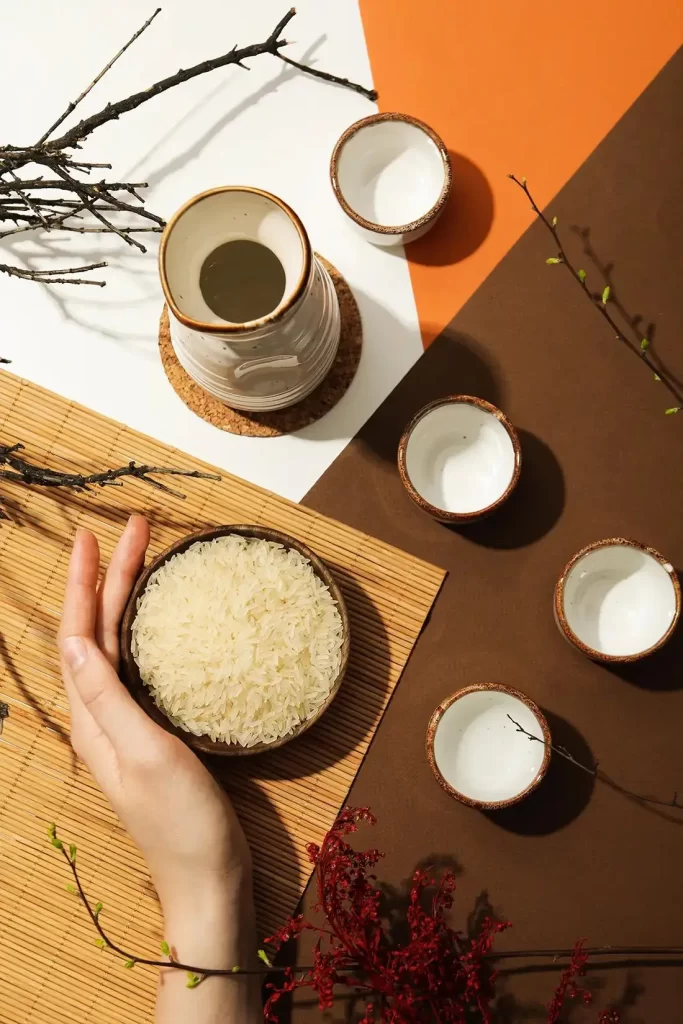
Tips for Perfect Congee
To perfect your rice gruel recipe, here are some expert tips:
- Choose the Right Rice: Short-grain rice or glutinous rice works best as it breaks down faster and creates a creamier texture. If you’re using long-grain rice, it might take a little longer to cook.
- Consistency is Key: The consistency of rice gruel can vary from watery to thick, depending on your preference. If you like it more soupy, add more water. For a thicker, porridge-like consistency, use less water.
- Add Flavor: Don’t be afraid to flavor your rice gruel. You can use a light broth instead of water or add ingredients like turmeric, garlic, ginger, or even cinnamon for a warm, soothing flavor.
- Cooking Method: Stir the gruel occasionally to prevent sticking and burning at the bottom of the pot.
- Storage: Rice gruel can be stored in the refrigerator for up to 3 days. Reheat it with a little water or broth as it tends to thicken when stored.
- Rice Gruel Variations with Coconut: You could try adding a hint of coconut milk to your rice gruel for a creamy, tropical variation, similar to the warm coconut flavors in these Coconut Butter Cookies.
- Add Pesto: “For a unique twist, add a spoonful of pesto to your rice gruel to bring an aromatic, herbaceous flavor.”
Variations that you can try with Rice Gruel
Rice gruel is highly versatile, and there are countless variations you can try depending on regional preferences or dietary needs.
- Sweet Rice Gruel: Add a little sugar, milk, and a touch of cinnamon to create a sweet version of the rice gruel. You can also add fruits like bananas or apples for a nutritious breakfast option.
- Savory Rice Gruel: Incorporate vegetables like carrots, spinach, or mushrooms into the gruel. Adding chicken or fish can turn it into a more filling meal.
- Congee: A Chinese-style rice porridge, congee, often includes ingredients like ginger, garlic, soy sauce, and a protein source such as pork, chicken, or fish.
- Medicinal Gruel: In many cultures, rice gruel is used as a remedy for illnesses. You can add ginger and garlic to soothe digestion or create a detoxifying version with herbs like turmeric and cumin.
- Baby Rice Gruel: For babies, cook the rice for longer with extra water to make it very soft and smooth. You can puree it for younger infants or serve it as-is for older babies.
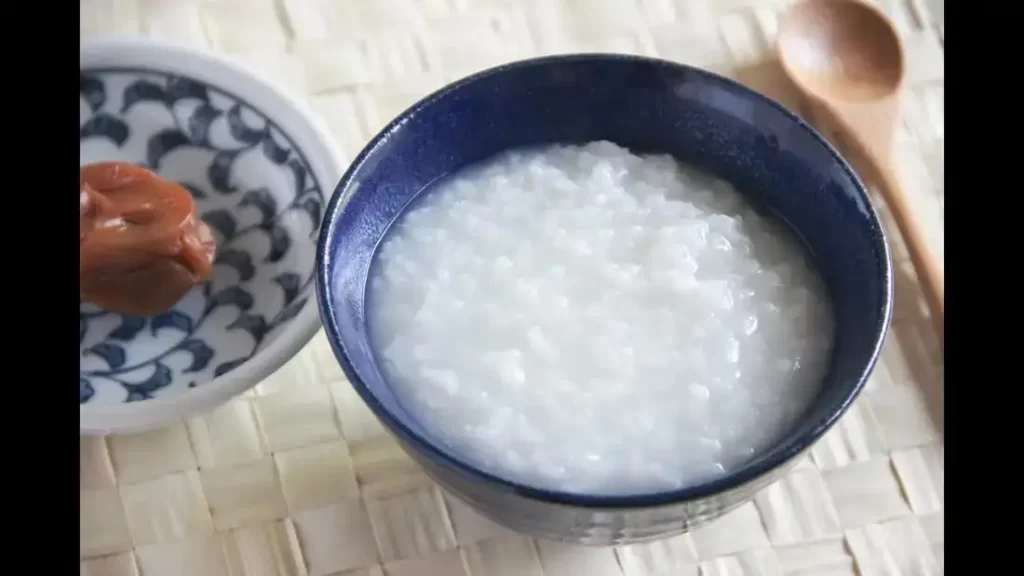
What to Serve With
Rice gruel is typically served as a light meal or a side dish. Here are some delicious accompaniments to enhance your experience:
- Pickles: Tangy pickles, such as mango or lime pickle, add a burst of flavor that complements the mild taste of the gruel.
- Fermented Vegetables: Kimchi or sauerkraut provide a sour and spicy contrast to the blandness of rice gruel.
- Proteins: Grilled chicken, soft-boiled eggs, or tofu cubes add a satisfying protein element.
- Sauces: A drizzle of soy sauce, chili oil, or sesame oil can elevate the flavor of rice gruel.
- Vegetable Stir-Fry: A side of stir-fried vegetables like bok choy, spinach, or green beans adds texture and color to your meal.
Recipe Tested & Notes
I tested this Rice Gruel recipe several times to get the right balance between tender rice, smooth texture, and a light, comforting consistency. Because rice gruel is such a simple dish, small changes in the amount of water and cooking time can make a noticeable difference.
I found that rinsing the rice before cooking produced a cleaner-tasting gruel. It also helped remove some excess surface starch while still leaving enough starch behind to create the naturally creamy texture that makes rice gruel so comforting.
The cooking time was another important part of testing. A quick simmer produced rice that was cooked but still fairly distinct, while a longer, gentler simmer allowed the grains to break down and release more starch. I preferred the longer cooking method because it created a softer and creamier consistency.
The water-to-rice ratio can also be adjusted depending on how thick you prefer your gruel. For a spoonable, porridge-like consistency, less water works well. For a thinner rice gruel that is easy to sip, simply add more warm water or broth.
I found that a heavy-bottomed pot worked best because it distributed the heat more evenly and reduced the chance of the rice sticking to the bottom.
Another useful testing lesson was to stir occasionally rather than constantly. Occasional stirring prevented sticking without making the rice overly thick.
The final texture was soft, smooth, and gently creamy, with tender rice that almost melts into the cooking liquid.
For a savory version, a little salt was enough to bring out the natural flavor. For a sweeter variation, the finished gruel can be served with appropriate sweet toppings.
Mistakes I Made
Testing this Rice Gruel recipe helped me identify several mistakes that can affect the final texture.
Using too little water
Not using enough water caused the rice to absorb the liquid too quickly and made the gruel much thicker than intended.
Cooking at high heat
High heat caused the liquid to evaporate too quickly and increased the chance of the rice sticking to the bottom of the pot.
Not stirring at all
Rice can settle at the bottom of the pan during a long simmer. Occasional stirring helped prevent sticking.
Stirring constantly
Constant stirring made the mixture thicker and starchier than I wanted. Gentle stirring every so often was enough.
Using a very large amount of rice
It is easy to underestimate how much rice expands during cooking. Starting with a smaller amount of rice and enough liquid gave me better control.
Not adjusting the consistency at the end
Rice continues absorbing liquid as it sits. The gruel may need a splash of warm water or broth before serving.
Cooking until the liquid disappeared
Rice gruel should remain loose and spoonable. Waiting until nearly all the liquid was absorbed resulted in a texture closer to thick rice porridge.
Adding strong seasonings too early
The simple flavor of rice is part of what makes this dish comforting. I found that keeping the initial seasoning mild and adjusting it at the end worked better.
Personal Cooking Tips Learned From Testing
These tips consistently gave me the best results:
- Rinse the rice before cooking.
- Use a heavy-bottomed saucepan or pot.
- Start with enough liquid to allow the rice to cook slowly.
- Bring the mixture to a boil gently, then reduce the heat.
- Cook over low heat for a soft, creamy texture.
- Stir occasionally to prevent sticking.
- Do not let the pot boil aggressively.
- Keep extra hot water or broth nearby for adjusting the consistency.
- Taste before adding additional salt.
- Allow the gruel to rest briefly before serving.
- Remember that the rice will continue absorbing liquid as it cools.
- Add warm liquid if the gruel becomes too thick.
- For extra smooth gruel, cook the rice longer.
- For more texture, reduce the cooking time slightly.
- Serve it warm for the most comforting texture.
Why I Prefer This Version
I prefer this Rice Gruel recipe because it is simple, gentle, and incredibly comforting. It uses basic pantry ingredients and does not require complicated cooking techniques.
The long, slow cooking process allows the rice to soften and release starch naturally, creating a creamy consistency without needing heavy cream or other rich ingredients.
I also like how easy it is to customize. The basic version can remain very simple, while savory additions such as ginger, green onions, chicken broth, sesame oil, or shredded chicken can turn it into a more substantial meal.
For a sweet version, the cooked rice gruel can be paired with ingredients such as cinnamon, fruit, honey, or another preferred sweetener.
Another reason I prefer this version is that the consistency is easy to control. You can make it thick and spoonable or thin and light simply by adjusting the amount of cooking liquid.
It is also an excellent recipe when you want something warm and soothing without spending much time preparing a complicated meal.
Storage Notes Based on Actual Testing
Rice gruel stores well, but the rice continues absorbing liquid after cooking, so the consistency will change as it sits.
Refrigerator
Allow the gruel to cool before transferring it to an airtight container.
Refrigerate promptly and use within a few days for the best quality.
The refrigerated gruel will become considerably thicker because the rice continues absorbing the liquid.
Reheating
Reheat gently on the stovetop or in the microwave.
Add a splash of water or broth before reheating and stir well.
For stovetop reheating, use low to medium-low heat and stir occasionally.
For microwave reheating, heat in short intervals and stir between each interval.
Continue adding small amounts of warm liquid until the desired consistency returns.
Freezing
Rice gruel can be frozen, although the texture may change slightly after thawing.
If freezing, allow it to cool completely before transferring it to freezer-safe containers.
Individual portions are convenient for freezing and reheating.
Thaw in the refrigerator and reheat gently with additional water or broth.
Make-Ahead Preparation
Rice gruel can be made ahead, but I prefer preparing it close to serving time when possible.
If making it ahead, slightly thinner gruel is preferable because it will naturally thicken as it cools.
Equipment Used
These tools make Rice Gruel easy to prepare:
- Heavy-bottomed saucepan or pot
- Measuring cups
- Measuring spoons
- Fine-mesh strainer
- Wooden spoon
- Silicone spatula
- Ladle
- Serving bowl
- Airtight storage containers
- Microwave-safe bowl, optional
FAQ’s
How long can I store rice gruel?
You can store rice gruel in an airtight container in the refrigerator for up to 3 days. Reheat it by adding some water or broth to loosen the consistency.
Can I freeze rice gruel?
Yes, rice gruel can be frozen, although it might become a bit mushy when reheated. Freeze it in small portions and reheat it with water or broth.
Is rice gruel good for digestion?
Rice gruel is excellent for digestion, especially when made with minimal spices. It’s gentle on the stomach and is often recommended for those recovering from illness or digestive issues.
Can I use brown rice instead of white rice?
Yes, brown rice can be used, but it will take longer to cook, and the texture will be slightly different. Brown rice gruel is more fibrous and has a nuttier flavor.
Is rice gruel suitable for babies?
Yes, rice gruel is commonly used as a weaning food for babies. Make sure to cook the rice until it’s very soft and avoid adding any salt or spices.
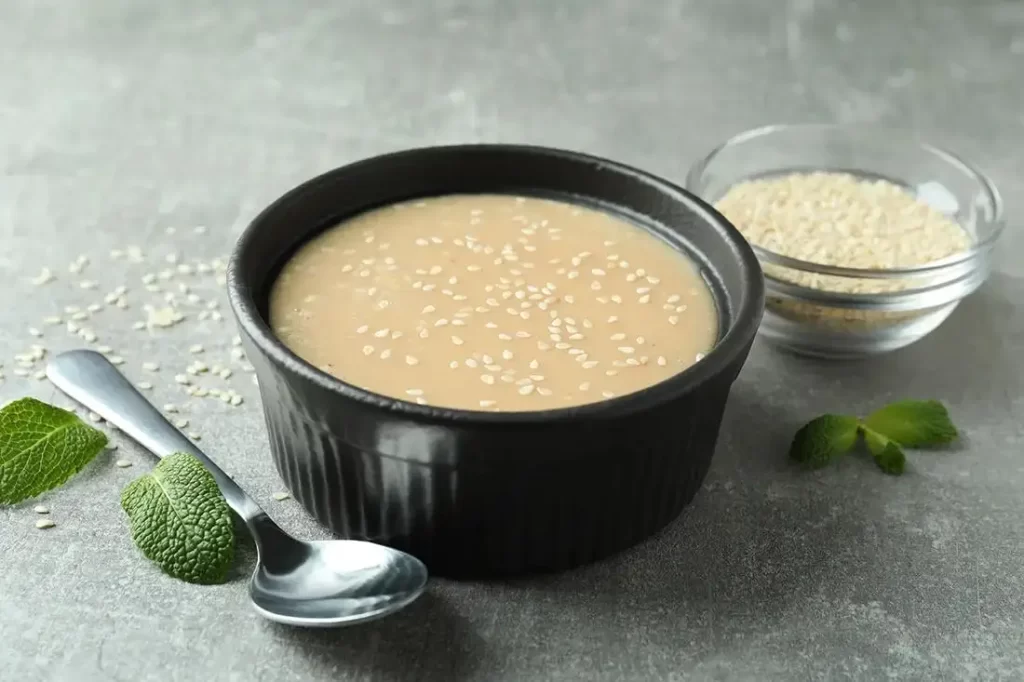
How to Store and Reheat Leftover Congee
Rice gruel (congee) is perfect for meal prepping and storing for later use. Follow these easy tips to safely store and conveniently reheat your leftovers:
Storing Leftover Congee:
- Cool Completely: Allow the congee to cool at room temperature, but don’t leave it out for more than 1-2 hours to prevent bacterial growth.
- Use Airtight Containers: Transfer cooled congee into airtight containers or meal-prep storage containers.
- Refrigerate: Properly stored, rice gruel will last up to 3-4 days in the refrigerator.
- Freezing: For extended storage, freeze in portion-sized freezer-safe containers or freezer bags. Frozen congee will remain good for up to 3 months.
Reheating Leftover Congee:
- Stovetop:
- Transfer congee to a saucepan and heat over medium-low heat.
- Stir gently, adding a splash of water or broth to reach your preferred consistency.
- Heat until piping hot, stirring occasionally (approximately 5-7 minutes).
- Microwave:
- Place congee in a microwave-safe bowl.
- Cover loosely with a microwave-safe lid or plastic wrap with a small gap for steam.
- Heat in 1-minute intervals, stirring between each interval until thoroughly heated.
Pro Tips for Reheating:
- To refresh the flavor, stir in a pinch of salt or drizzle of sesame oil after reheating.
- Always stir the congee during reheating to maintain a creamy consistency and even heating.
Follow these simple tips, and your leftover congee will taste as delicious as freshly made!
Ingredients Substitutes
If you’re out of rice or want to try something different, there are a few substitutes you can use to make a gruel-like dish:
- Quinoa: A high-protein alternative to rice, quinoa can be cooked in the same way to make a nutritious gruel.
- Millet: Another gluten-free grain, millet creates a similar texture to rice gruel and is rich in fiber.
- Oats: For a heartier breakfast version, you can use oats instead of rice. Cook them with water or milk until they reach a creamy consistency.
- Barley: Barley makes for a chewy, fiber-rich gruel that’s great for digestion.
Nutrition
Rice gruel is light on the stomach but still provides essential nutrients, especially when fortified with additional ingredients like vegetables or proteins.
Nutrition for a basic rice gruel recipe (per serving):
- Calories: 150–200 calories (depending on the rice-to-water ratio)
- Carbohydrates: 35–40 grams
- Protein: 2–4 grams
- Fat: 0–1 grams
- Fiber: 1–2 grams
- Vitamins: Rice gruel is rich in B vitamins, particularly B6, which supports brain function and energy metabolism.
- Minerals: Rice gruel contains small amounts of calcium, magnesium, and potassium.
By adding vegetables or proteins like eggs and chicken, you can increase the nutritional value of your rice gruel.
On this Recipe of how to make rice gruel recipe not only highlights the basic method but also offers variations, tips, and nutritional information to suit a range of tastes and dietary needs. Whether you’re making it for a comforting meal, a baby, or to soothe a sensitive stomach, rice gruel is an easy, adaptable, and nutritious dish that you can enjoy any time of the day.