Table of Contents
When it comes to comfort food, few dishes can rival the creamy, cheesy goodness of macaroni and cheese. While the classic version has its charm, the WHITE CHEDDAR MAC AND CHEESE elevates this beloved dish to gourmet status. This recipe combines the sharp, tangy flavor of white cheddar with the comforting textures of pasta, creating a rich and indulgent meal that’s perfect for any occasion.
In this Recipe, you’ll learn how to make white cheddar mac and cheese from scratch, ensuring a delightful experience with each creamy bite. From selecting the right ingredients to perfecting the cooking process, we’ll cover everything you need to know to impress your family and friends.
How to Make White Cheddar Mac and Cheese

Ingredients
To craft the perfect homemade white cheddar mac and cheese, you’ll need a selection of high-quality ingredients that contribute to the dish’s creamy texture and rich flavor. Here’s what you’ll need:
For the Mac and Cheese:
- 12 oz elbow macaroni: The classic pasta choice, but you can also use cavatappi or shells for added texture.
- 3 tbsp unsalted butter: This will help create the roux and add richness to the sauce.
- 3 tbsp all-purpose flour: The thickening agent that will help create a smooth, creamy cheese sauce.
- 2 cups whole milk: Provides the base for the cheese sauce; avoid skim milk for a creamier texture.
- 1 cup heavy cream: Enhances the richness and creaminess of the sauce.
- 8 oz white cheddar cheese, shredded: The star ingredient that gives this mac and cheese its distinct flavor.
- 4 oz cream cheese: Adds extra creaminess and helps achieve a smooth texture.
- Salt and pepper to taste: Essential for seasoning the dish.
- 1 tsp garlic powder (optional): Adds a subtle depth of flavor.
- 1 tsp mustard powder (optional): Enhances the overall flavor profile.
For the Topping:
- 1 cup panko breadcrumbs: For a crispy topping that contrasts with the creamy pasta.
- 2 tbsp melted butter: Binds the breadcrumbs and adds flavor.
- ¼ cup grated Parmesan cheese: Provides a salty, nutty flavor to the topping.
- 1 tsp paprika (optional): Adds a touch of color and subtle flavor.

Instructions
Step 1: Cook the Pasta
- Begin by bringing a large pot of salted water to a boil. Add the elbow macaroni and cook according to package instructions until al dente. Drain the pasta and set it aside.
Step 2: Prepare the Cheese Sauce
- In a large saucepan, melt the butter over medium heat. Once melted, whisk in the flour, stirring constantly for about 1-2 minutes to form a roux. It should be a light golden color.
- Gradually whisk in the whole milk and heavy cream, ensuring there are no lumps. Continue whisking until the mixture thickens, about 5-7 minutes.
- Reduce the heat to low, then add the shredded white cheddar and cream cheese, stirring until fully melted and combined. Season with salt, pepper, garlic powder, and mustard powder.
Step 3: Combine Pasta and Sauce
- Add the cooked macaroni to the cheese sauce, stirring until all the pasta is evenly coated with the creamy cheese mixture.
Step 4: Prepare the Topping
- In a separate bowl, combine the panko breadcrumbs, melted butter, grated Parmesan cheese, and paprika. Mix until the breadcrumbs are well coated.
Step 5: Bake the Mac and Cheese
- Preheat your oven to 350°F (175°C).
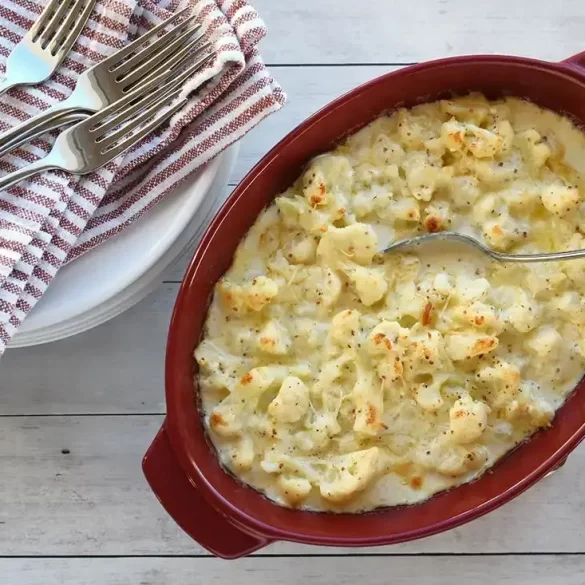
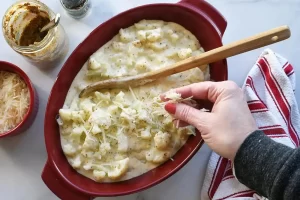
- Transfer the mac and cheese mixture to a baking dish, spreading it evenly. Sprinkle the breadcrumb topping over the mac and cheese.
- Bake in the preheated oven for 20-25 minutes, or until the topping is golden brown and crispy.
Step 6: Serve and Enjoy
- Allow the dish to cool for a few minutes before serving. Enjoy your delicious white mac and cheese as a main course or a side dish!
Tips for the Perfect White Cheddar Mac and Cheese
- Choose the right cheese: Opt for high-quality white cheddar for the best flavor. Aged cheddar will add a sharper taste, while mild cheddar will give a creamier texture.
- Don’t rush the roux: Take your time when making the roux; a well-cooked roux prevents the sauce from having a raw flour taste.
- Use freshly shredded cheese: Pre-shredded cheese often contains anti-caking agents that can affect the sauce’s smoothness. Shred your own cheese for the best results.
- Experiment with seasonings: Feel free to add spices like cayenne pepper or smoked paprika for a kick or fresh herbs like thyme or parsley for freshness.

What to Serve with White Cheddar Mac and Cheese
Main Course Ideas
- Grilled Chicken: Juicy grilled chicken breasts pair wonderfully with the creamy richness of mac and cheese.
- Baked Salmon: The light, flaky texture of salmon complements the heaviness of the mac and cheese.
Side Dishes
- Steamed Broccoli: A healthy side that adds color and balances the richness of the mac and cheese.
- Caesar Salad: Crisp romaine, crunchy croutons, and a tangy dressing provide a refreshing contrast.
Desserts
- Apple Pie: The sweet, warm flavors of apple pie are a classic way to end a comforting meal.
- Chocolate Chip Cookies: Soft, gooey cookies make for a delightful and nostalgic dessert.
- For dessert, try our Coconut Butter Cookies for a sweet finish that complements the creaminess of the mac and cheese
Drinks
- Chardonnay: A chilled glass of Chardonnay enhances the flavors of the mac and cheese with its buttery notes.
- Lemonade: A refreshing homemade lemonade can provide a nice balance to the richness of the dish.
Variations
- Bacon White Cheddar Mac and Cheese: Add crispy bacon bits for a smoky flavor and extra texture.
- Vegetable White Cheddar Mac and Cheese: Incorporate steamed broccoli, peas, or spinach for added nutrition and color.
- Buffalo White Cheddar Mac and Cheese: Stir in some buffalo sauce for a spicy kick that complements the creamy cheese.
- Truffle White Cheddar Mac and Cheese: Drizzle with truffle oil for an elegant touch that elevates the dish to gourmet status.
- For a slight variation in flavor, give this Mac and Cheese with Gouda recipe a try! Or For a spicier pasta option, try this Carbone Spicy Rigatoni Vodka recipe, which adds a delicious kick with a vodka-infused sauce.
Recipe Tested & Notes
I tested this White Cheddar Mac and Cheese recipe several times to find the right balance between creamy sauce, sharp cheddar flavor, and tender pasta. White cheddar has a stronger flavor than many mild cheeses, so the other ingredients need to support it without covering up its natural taste.
One of the biggest differences I noticed during testing was the type of white cheddar used. Freshly grated cheese melted more smoothly than pre-shredded cheese. I preferred a medium or sharp white cheddar because it gave the mac and cheese plenty of flavor without becoming too intense.
Cooking the pasta until just al dente was important. The pasta continues absorbing some of the cheese sauce after it is mixed together, so fully cooked pasta can become too soft.
I also found that making the cheese sauce over moderate heat gave me the smoothest result. The sauce should be hot enough to thicken, but the cheese should not be exposed to excessive heat once it is added.
Adding the white cheddar gradually worked much better than adding it all at once. Each handful melted more evenly into the sauce, creating a smooth and creamy consistency.
The sauce should be slightly thinner than you think it needs to be before adding the pasta. Once the pasta is combined, it absorbs some of the sauce and naturally thickens the dish.
For a baked version, I found that adding a light layer of cheese on top and baking only until melted and golden gave the best results. Overbaking caused the sauce to lose some of its creamy texture.
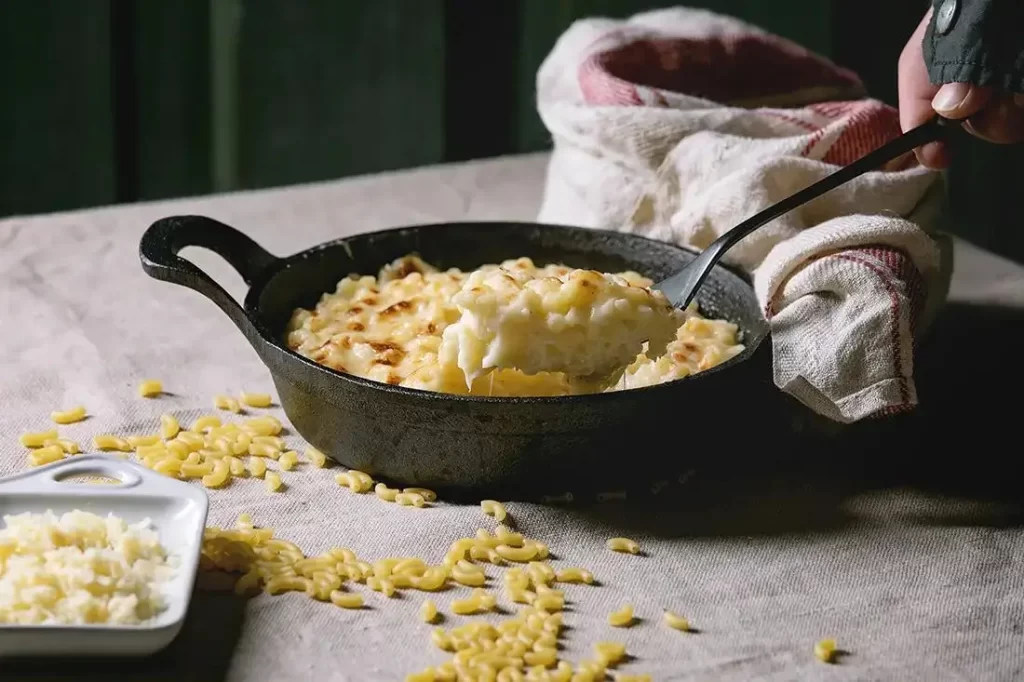
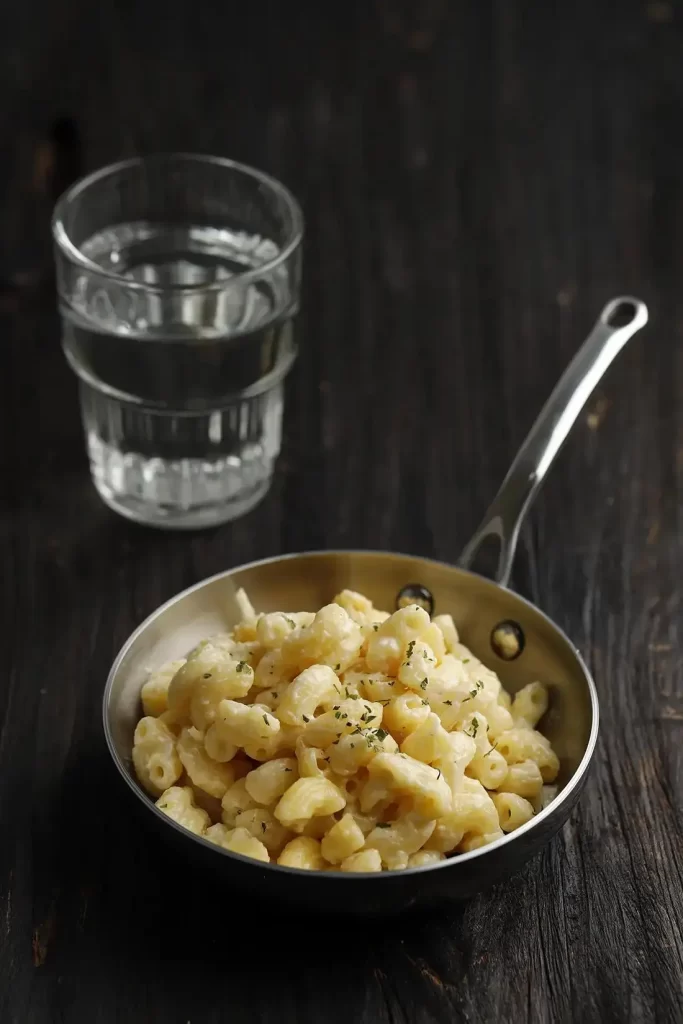
The final version was creamy, rich, cheesy, and comforting, with a smooth white cheddar sauce that coated the pasta beautifully.
Mistakes I Made
Testing this recipe helped me identify several mistakes that can affect the final texture.
Using pre-shredded cheese
Pre-shredded white cheddar did not melt as smoothly as freshly grated cheese. Grating the cheese yourself gave me a creamier sauce.
Adding cheese over high heat
High heat caused the cheese to become oily and slightly grainy. Lowering the heat before adding the cheese produced a much smoother result.
Adding all the cheese at once
Large amounts of cheese were harder to incorporate evenly. Adding it gradually worked much better.
Overcooking the pasta
Soft pasta became even softer after absorbing the cheese sauce. Cooking it until just al dente gave the best texture.
Making the sauce too thick
A very thick cheese sauce became heavy once mixed with the pasta. Keeping it slightly loose before adding the macaroni worked better.
Not seasoning the sauce
White cheddar has plenty of flavor, but the sauce still benefits from balanced seasoning. Tasting before adding more salt helped prevent over-seasoning.
Overbaking the mac and cheese
Long baking times caused the edges to dry out and the sauce to become less creamy.
Using only very sharp cheddar
Very sharp white cheddar can sometimes dominate the dish. I preferred combining a flavorful cheddar with a good melting cheese when a milder texture was desired.
Personal Cooking Tips Learned From Testing
These tips consistently gave me the best results:
- Use freshly grated white cheddar.
- Choose medium or sharp white cheddar based on your preferred flavor.
- Cook the pasta until just al dente.
- Reserve a little pasta water before draining.
- Make the cheese sauce over moderate heat.
- Do not boil the sauce after adding cheese.
- Add cheese gradually.
- Stir continuously while incorporating the cheese.
- Taste the sauce before adding extra salt.
- Use freshly ground black pepper for extra flavor.
- Add a small amount of mustard for depth if desired.
- Keep the sauce slightly loose before adding the pasta.
- Avoid overbaking if making a baked version.
- Add breadcrumbs for a crispy topping if desired.
- Serve immediately for the creamiest texture.
- Add a splash of warm milk when reheating leftovers.
Why I Prefer This Version
I prefer this White Cheddar Mac and Cheese recipe because white cheddar gives the dish a rich, slightly sharp flavor while keeping the classic creamy comfort-food texture.
The flavor is more sophisticated than a basic mild cheddar mac and cheese, but it is still simple enough for a family dinner.
I especially like using freshly grated white cheddar because it melts into a smooth sauce and coats the pasta evenly.
Another reason I prefer this version is its flexibility. You can use mild white cheddar for a softer flavor or sharp white cheddar when you want more bite.
It also works beautifully with other cheeses. Monterey Jack, Gruyere, Parmesan, Gouda, or mozzarella can be combined with white cheddar to create different flavor profiles.
For a holiday or special occasion, I like turning it into a baked mac and cheese with a golden breadcrumb topping. For a quick weeknight meal, I prefer serving it directly from the stovetop while the sauce is still silky and creamy.
Storage Notes Based on Actual Testing
White Cheddar Mac and Cheese stores well, although the sauce naturally thickens as it cools.
Refrigerator
Allow leftovers to cool before transferring them to an airtight container.
Refrigerate promptly and use within a few days for the best quality.
The pasta will absorb some of the cheese sauce while refrigerated, so leftovers will be thicker than the freshly prepared dish.
Reheating
Reheat gently on the stovetop or in the microwave.
Add a splash of milk, cream, or reserved pasta water before reheating to help loosen the sauce.
For stovetop reheating, use low to medium-low heat and stir frequently.
For microwave reheating, heat in short intervals and stir between each interval.
Avoid overheating because the cheese sauce can become oily or grainy.
Freezing
White Cheddar Mac and Cheese can be frozen, although the sauce may change slightly in texture after thawing.
Allow it to cool completely before transferring it to a freezer-safe container.
Individual portions are especially convenient for freezing.
Thaw overnight in the refrigerator and reheat gently with a splash of milk.
Make-Ahead Preparation
You can prepare baked White Cheddar Mac and Cheese ahead of time.
Assemble it in a baking dish, cover, and refrigerate before baking.
Slightly undercook the pasta if you plan to refrigerate the assembled dish before baking. This helps prevent the pasta from becoming too soft.
Equipment Used
These tools make White Cheddar Mac and Cheese easy to prepare:
- Large pot
- Large saucepan
- Whisk
- Wooden spoon
- Silicone spatula
- Colander
- Cheese grater
- Measuring cups
- Measuring spoons
- Cutting board
- Chef’s knife
- Baking dish, optional
- Mixing bowl, optional
- Airtight storage containers
- Oven mitts
FAQ while making White Cheddar Mac and Cheese Recipe
Can I make this recipe gluten-free?
Yes! Substitute the elbow macaroni with gluten-free pasta and use a gluten-free flour blend for the roux. The rest of the ingredients should be gluten-free as well.
Can I prepare this mac and cheese in advance?
Absolutely! You can assemble the mac and cheese a few hours ahead of time. Just cover it and refrigerate until you’re ready to bake. When baking, you may need to increase the cooking time since it will be cold.
Can I freeze white cheddar mac and cheese?
Yes, you can freeze it! After baking, let it cool completely, then cover tightly and freeze for up to 2 months. To reheat, thaw overnight in the fridge and bake until warmed through.
How do I prevent my cheese sauce from being grainy?
To avoid a grainy texture, make sure to use freshly shredded cheese and melt it over low heat. Avoid boiling the cheese sauce, as high heat can cause the cheese to seize.
Can I make a stovetop version of white cheddar mac and cheese?
Yes! Simply skip the baking step. After combining the pasta with the cheese sauce, serve immediately for a creamy stovetop version.
Can I use pre-shredded cheese?
While you can use pre-shredded cheese for convenience, it’s best to avoid it if possible. Pre-shredded cheese often contains anti-caking agents that can affect the melting quality, resulting in a grainy texture in your cheese sauce. For the smoothest and creamiest results, opt for freshly shredded cheese from a block. It melts better and contributes to a more luscious sauce in your white cheddar mac and cheese.
Substitutes
- Cheese: If you don’t have white cheddar, you can substitute it with a combination of mozzarella and Parmesan or Gruyère for a different flavor profile.
- Milk: You can use half-and-half for an even creamier sauce or unsweetened almond milk for a dairy-free option.
- Butter: Substitute unsalted butter with margarine or a dairy-free spread if needed.
- Breadcrumbs: Instead of panko, you can use regular breadcrumbs or crushed crackers for the topping.
Nutrition (Per Serving)
- Calories: Approximately 600-700 kcal
- Carbohydrates: 50g
- Protein: 20g
- Fat: 35g
- Sodium: 800mg
- Fiber: 2g
This white cheddar mac and cheese recipe is sure to become a favorite in your household, combining simplicity with indulgence. Whether enjoyed as a main course or a side dish, the creamy texture and sharp flavor of white cheddar will leave everyone asking for seconds. Don’t forget to customize it with your favorite add-ins and sides for a truly delightful meal!