Table of Contents
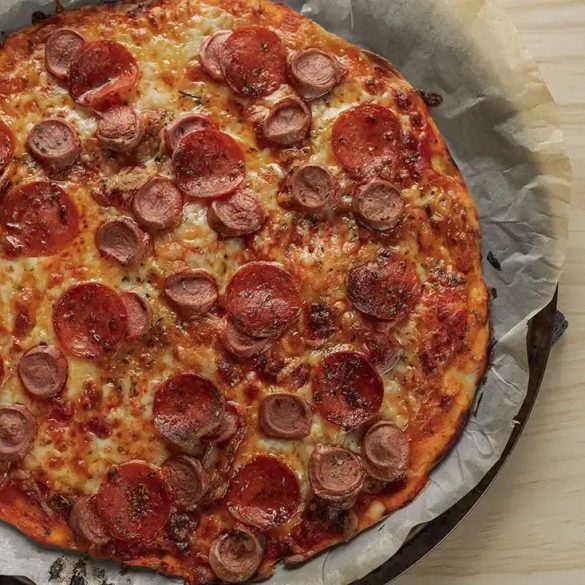
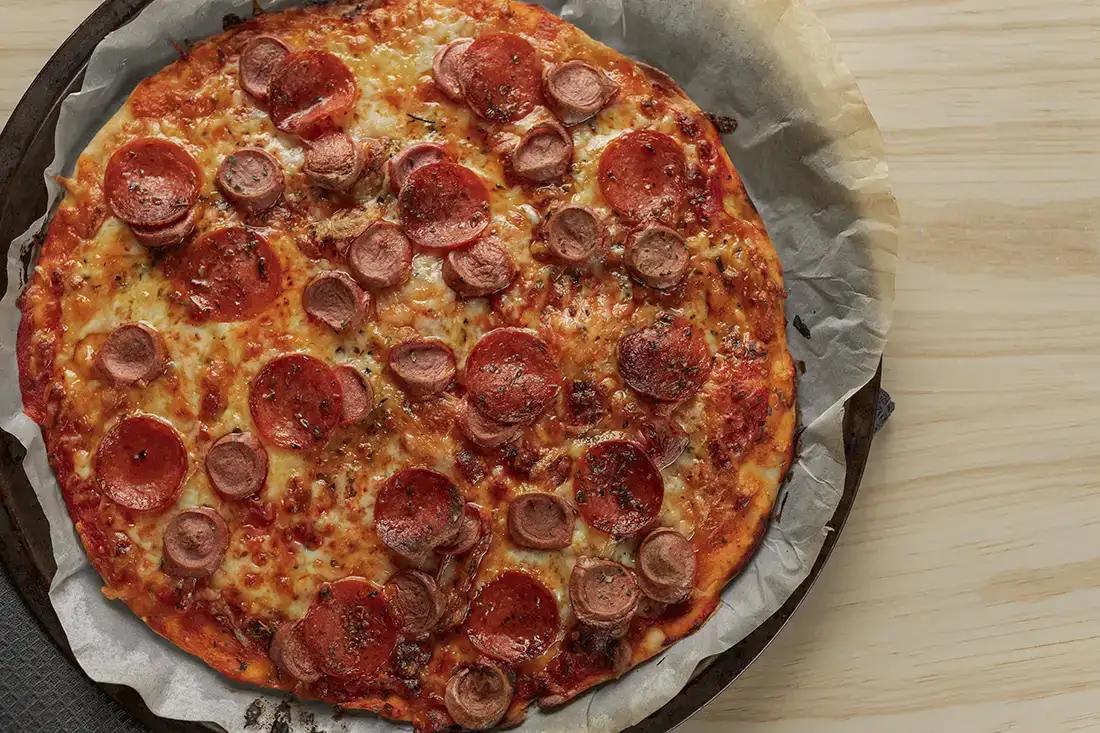
This indulgent pizza, famous for its rich layer of extra cheese and a mouthwatering garlic parmesan sauce, took the internet by storm, quickly becoming a viral sensation. Originally just another option on the Domino’s menu, it shot to fame thanks to the power of TikTok, with food lovers across the globe sharing their excitement for this extra cheesy, garlicky delight. As it gained popularity, Domino’s Viral Pizza recipe became more than just a dish—it connected millions of fans, bonding over their love for an exceptionally flavorful pizza experience. Now, you can learn how to make Domino’s Viral Pizza at home with this easy-to-follow guide, bringing the viral sensation to your own kitchen.
How to Make Domino’s Viral Pizza
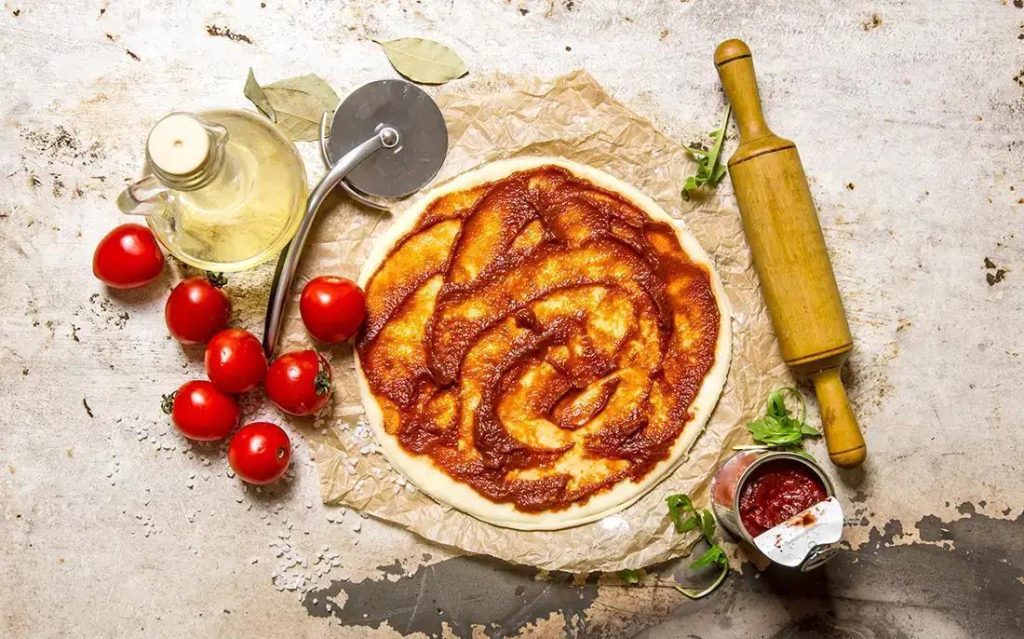
1. Domino’s Viral Pizza ingredients
Each ingredient plays a crucial role in achieving the perfect pizza, from the chewy crust to the flavorful sauce and toppings. Here’s what you’ll need:
For the Dough:
- All-purpose flour (2 and ½ cups)
The foundation of your pizza dough, all-purpose flour gives the crust a balance of softness and crispness. You can also substitute with bread flour for a chewier texture or use gluten-free flour for a gluten-free option. - Granulated sugar (1 teaspoon)
Sugar helps to activate the yeast and gives a subtle sweetness to the dough. You can replace it with honey or maple syrup for a natural sweetener. - Salt (1 teaspoon)
Salt enhances the flavor of the dough and balances the yeast’s fermentation process. You can use sea salt or kosher salt for a slightly different texture and flavor. - Active dry yeast (2 teaspoons)
Yeast is essential for the dough to rise, creating that light, airy texture. Instant yeast can be used as a substitute for active dry yeast with a 1:1 ratio, but it doesn’t need to be dissolved in water first. - Warm water (¾ cup, at around 110°F or 43°C)
Warm water helps activate the yeast. Be sure not to use water that is too hot, as it can kill the yeast. If you don’t have a thermometer, aim for warm-to-the-touch water. - Olive oil (1 tablespoon)
Olive oil adds flavor and helps make the dough more tender. You can substitute it with vegetable oil, melted butter, or even coconut oil for a slightly different flavor.
For the Sauce:
- Tomato sauce (1 cup)
A simple and tangy base for the pizza, tomato sauce is key to a flavorful pizza. If you’re short on time, you can use store-bought pizza sauce. For a lighter option, try a white garlic sauce or pesto. - Garlic powder (2 teaspoons)
Garlic powder adds depth and richness to the sauce without overpowering it. If you don’t have garlic powder, fresh minced garlic or garlic paste will work as well. - Onion powder (1 teaspoon)
Onion powder provides a mild sweetness and helps round out the sauce’s flavor. You can substitute it with finely grated onion or shallots. - Dried oregano (1 teaspoon)
Oregano brings a classic Italian flavor to the sauce. Fresh oregano can also be used, though you may need a bit more to achieve the same intensity. - Dried basil (1 teaspoon)
Basil adds a sweet, aromatic note to the sauce. Fresh basil is an excellent alternative, especially for garnish after baking. - Granulated sugar (1 teaspoon)
A small amount of sugar balances the acidity of the tomatoes. You can use honey or a sugar substitute like stevia for a lower-calorie option. - Salt and black pepper (to taste)
Season the sauce with salt and black pepper to enhance its flavor. Feel free to add a dash of red pepper flakes if you prefer a little heat.
For the Toppings:
- Shredded mozzarella cheese (2 cups)
Mozzarella is a must for that classic stretchy, melty cheese topping. You can substitute it with provolone, cheddar, or a vegan cheese alternative if you prefer a dairy-free option. - Pepperoni slices (½ cup)
Pepperoni adds a spicy, savory kick to the pizza. If you’re looking for a substitute, you can try turkey pepperoni, salami, or even thinly sliced ham. For vegetarians, grilled vegetables like mushrooms or bell peppers work wonderfully. - Green bell pepper, sliced (1 piece)
Bell peppers provide a crunchy, slightly sweet contrast to the savory cheese and pepperoni. Substitute them with roasted red peppers, jalapeños, or leave them out for a simpler pizza. - Onion, thinly sliced (1 small)
Onions add a mild sweetness and a bit of crunch. You can use red onions for a stronger flavor or caramelize them first for an even sweeter, more complex taste.
2. Instructions
Here are the detailed Homemade Domino’s Viral Pizza Recipe cooking instructions that will guide you from dough preparation to enjoying a delicious pizza at home:
Step 1: Prepare the Dough
- In a small bowl, combine warm water and active dry yeast. Let it sit for 5 minutes until the mixture becomes frothy.
- In a large mixing bowl, whisk together the all-purpose flour, sugar, and salt. Gradually pour in the yeast mixture and olive oil.
- Stir the ingredients until they form a rough dough. Transfer the dough to a floured surface and knead for about 10 minutes until it becomes smooth and elastic.
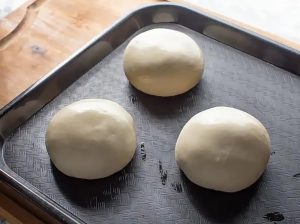
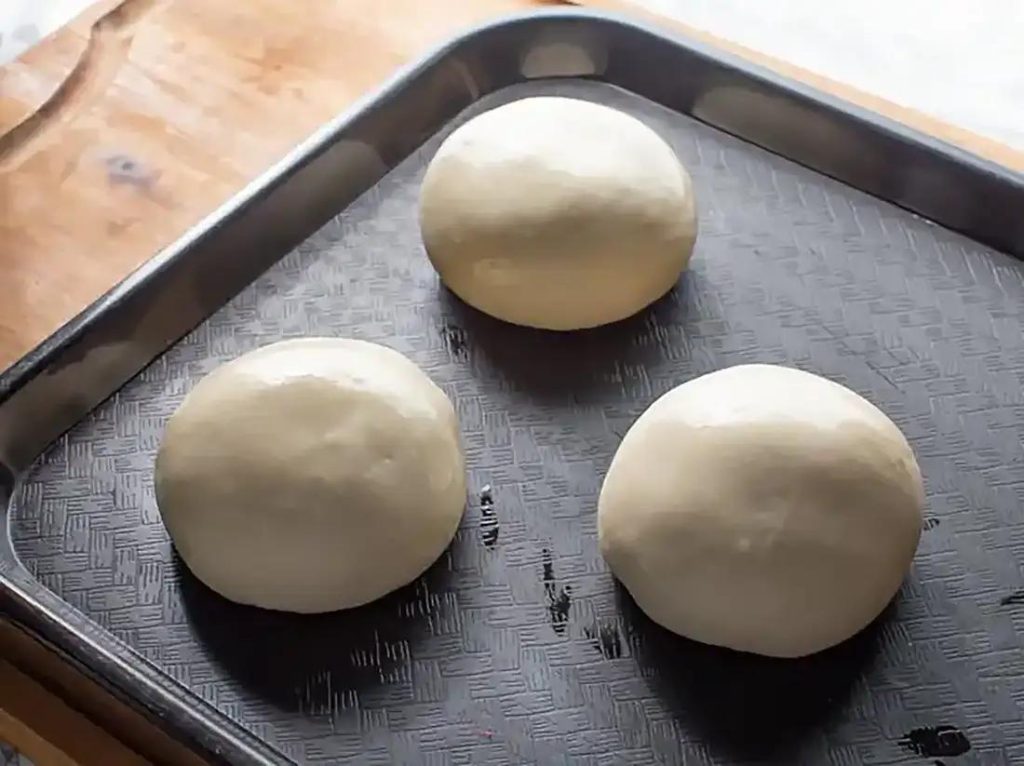
- Place the dough in a lightly oiled bowl, cover it with a damp towel, and let it rise in a warm place for 1 to 1.5 hours, or until it doubles in size.
Step 2: Make the Pizza Sauce
- In a small saucepan, mix together the tomato sauce, garlic powder, onion powder, dried oregano, dried basil, sugar, salt, and pepper.
- Let the sauce simmer on low heat for about 15-20 minutes, stirring occasionally. This will help the flavors meld together and slightly thicken the sauce.
Step 3: Assemble the Pizza
- Preheat your oven to 475°F (245°C).
- Once the dough has risen, punch it down to release the air. Roll it out on a lightly floured surface to your desired thickness.
- Transfer the rolled dough to a pizza stone, pizza pan, or a baking sheet lined with parchment paper.
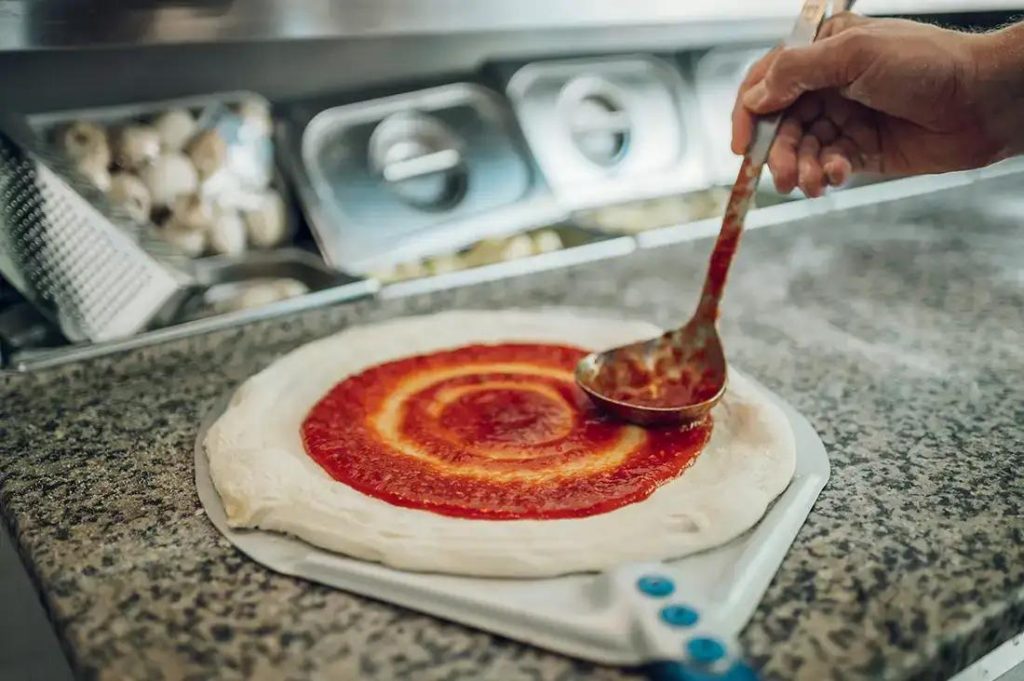
- Spread an even layer of pizza sauce over the dough, leaving a small border around the edges.
- Sprinkle the shredded mozzarella cheese evenly over the sauce.
- Add your toppings, starting with pepperoni, followed by sliced bell peppers and onions.
Step 4: Bake the Pizza
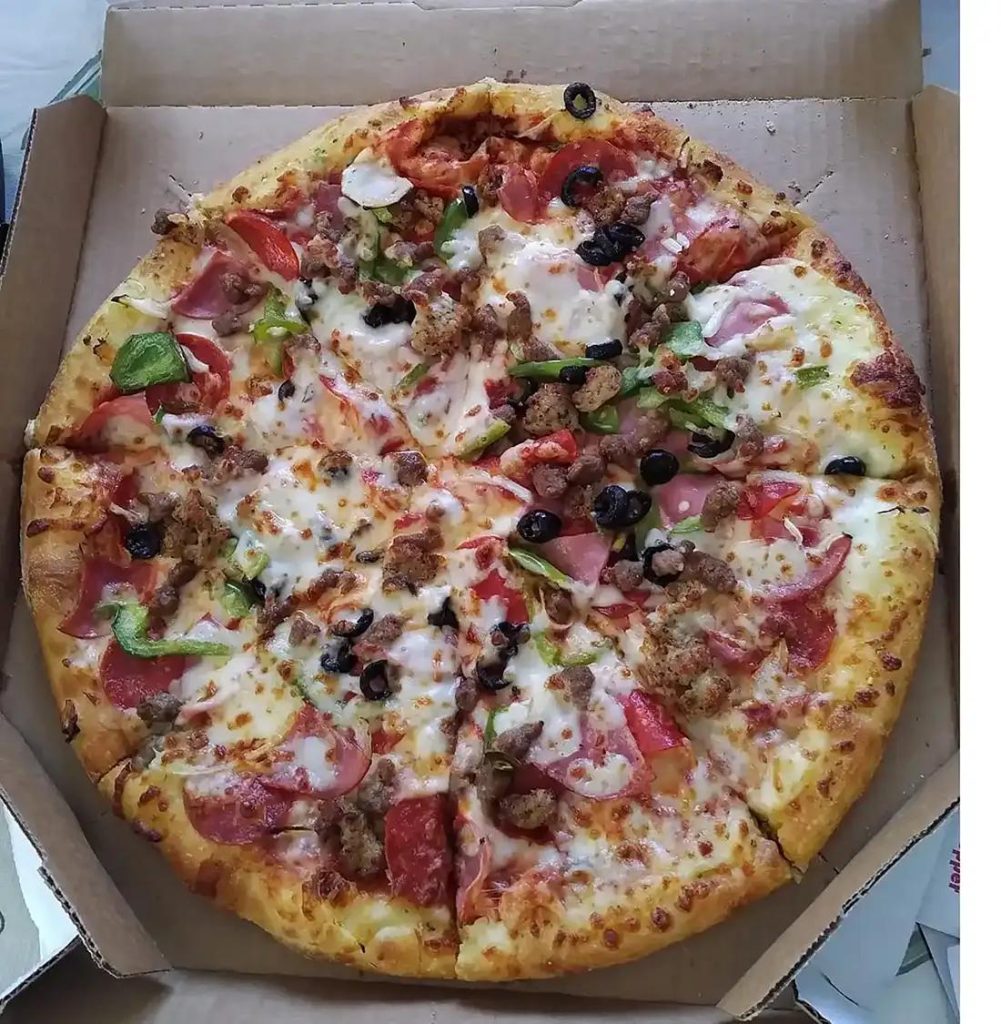
- Bake the pizza in the preheated oven for 12-15 minutes, or until the crust is golden brown and the cheese is melted and bubbly.
- Remove the pizza from the oven and let it rest for a few minutes before slicing and serving.
3. Tips to make perfect domino’s viral pizza
- Dough Preparation: For an extra flavorful dough, let it rise in the refrigerator for 24 hours. This cold fermentation process develops deeper flavors.
- Perfect Crust: If you prefer a crispier crust, bake the pizza on a preheated pizza stone. This helps evenly distribute the heat, ensuring a perfectly baked base.
- Toppings Variety: Feel free to get creative with your toppings. You can add olives, sausage, spinach, or even pineapple for a Hawaiian twist.
- Reheat Like a Pro: To reheat leftover pizza without losing its crispiness, warm it in a skillet on medium heat for 5-7 minutes.
4. What to Serve With
Sides:
- Garlic Knots: Easy-to-make garlic knots drizzled with olive oil and sprinkled with parmesan are a perfect side.
- Caesar Salad: A crisp Caesar salad with romaine lettuce, croutons, and a tangy dressing balances out the richness of the pizza.
Desserts:
- Chocolate Chip Cookies: Soft, gooey chocolate chip cookies are a simple and satisfying dessert to serve with pizza.
- Tiramisu: For an Italian-inspired dessert, serve creamy tiramisu to complete the meal.
Drinks:
- Soda: A classic pairing, try cola or root beer with your pizza.
- Iced Tea: If you’re looking for something lighter, a cold glass of iced tea with lemon adds a refreshing contrast to the rich flavors of the pizza.
Recipe Tested & Notes
I tested this Homemade Domino’s Viral Pizza Recipe with the goal of getting as close as possible to the familiar Domino’s-style pizza experience at home. The focus was on a soft yet slightly chewy crust, a flavorful tomato sauce, generous melted cheese, and that recognizable combination of crispy edges and a tender center.
The biggest lesson from testing was that the dough matters just as much as the toppings. A good pizza sauce and plenty of cheese cannot make up for a dough that is too dry or too dense. I found that keeping the dough soft and slightly tacky produced a much better crust.
Another important factor was allowing the dough enough time to rise. The quick version works when you are in a hurry, but giving the dough additional fermentation time improved both flavor and texture.
I also tested different amounts of sauce. Too little sauce made the pizza taste dry, while too much made the center wet. A thin, even layer was the sweet spot.
Cheese distribution also mattered. Rather than creating one very thick pile in the center, spreading the cheese evenly toward the edges helped the pizza cook more consistently.
For the crust, I preferred brushing the edge lightly with olive oil before baking. It helped encourage browning and added a pleasant flavor.
A very hot oven made the biggest difference in the final bake. The hotter the baking surface, the better the bottom browned while the cheese melted quickly.
I also found that a preheated pizza stone or steel produced a better crust than placing the dough on a completely cold baking tray. If you do not have either, a heavy baking sheet can still produce good results.
The toppings should be kept reasonably balanced. Too many toppings release moisture during baking and can prevent the center from becoming crisp.
This homemade version is inspired by the style and flavors of Domino’s pizza. It is not an official Domino’s recipe.
Mistakes I Made
Adding too much flour
The dough looked sticky at first, so I added extra flour. This produced a firmer dough and a denser crust. Keeping the dough slightly tacky gave a much lighter result.
Rushing the dough
The crust lacked flavor when I used a very short rise. Allowing more fermentation time produced a noticeably better pizza.
Using too much sauce
An overly generous amount of sauce made the middle soft. A thin, even layer worked better.
Overloading the pizza with toppings
Adding too many toppings looked impressive before baking, but the extra moisture made the crust softer.
Not preheating the baking surface
A cold baking sheet resulted in a paler bottom. A thoroughly preheated surface gave much better browning.
Spreading cheese too thickly
A giant pile of cheese took longer to melt and made the center heavier. Even distribution produced better results.
Stretching the dough too thin
The first very thin version became crisp but lacked the soft, chewy texture I wanted.
Using a rolling pin too aggressively
Rolling the dough heavily flattened the air bubbles. Gentle shaping gave the crust a better edge.
Cutting the pizza immediately
Letting the pizza rest for a couple of minutes made slicing cleaner and allowed the cheese to settle.
Baking at a low temperature
The crust dried out before developing the right color. High heat was much more effective.
Personal Cooking Tips Learned From Testing
These are the tips that consistently gave me better results:
- Use a kitchen scale when possible.
- Keep the dough soft and slightly tacky.
- Avoid adding unnecessary flour.
- Give the dough enough time to ferment.
- Bring refrigerated dough closer to room temperature before shaping.
- Use a thin layer of sauce.
- Spread cheese evenly.
- Keep toppings moderate.
- Drain wet toppings before adding them.
- Preheat the oven thoroughly.
- Preheat your pizza stone or steel.
- Shape the dough gently.
- Leave a slightly thicker outer edge.
- Brush the crust lightly with oil.
- Bake until the cheese is melted and the crust is deeply golden.
- Let the pizza rest briefly before slicing.
Storage Notes Based on Actual Testing
Homemade pizza is best immediately after baking, but leftovers can still be stored and reheated successfully.
Refrigerator Storage
Allow leftover pizza to cool appropriately before storing it.
Place slices in an airtight container or wrap them well.
Refrigerate promptly.
For the best quality, enjoy refrigerated leftovers within a few days.
Best Way to Reheat Pizza
I prefer reheating pizza in a skillet or oven because dry heat helps restore some of the crispness.
An air fryer is another excellent option.
The microwave is convenient, but it tends to make the crust softer.
Freezing Pizza
You can freeze individual slices.
Wrap each slice well and place them in a freezer-safe container or bag.
Separate slices with parchment paper if stacking several pieces.
Reheating Frozen Pizza
You can reheat frozen slices directly in an oven or air fryer. Cook until the cheese is hot and the crust has regained some crispness.
Storing Pizza Dough
If you want to prepare the dough ahead, store individual dough balls in airtight containers in the refrigerator.
For longer storage, freeze the dough in individual portions.
Make-Ahead Tip
Prepare the dough in advance and refrigerate it. On pizza night, allow the dough to relax, shape it, add your toppings, and bake.
This approach is especially useful when making several pizzas for family or guests.
Equipment Used
These are the tools I found most useful for making this Homemade Domino’s Viral Pizza Recipe:
- Large mixing bowl
- Digital kitchen scale
- Measuring spoons
- Wooden spoon
- Dough whisk, optional
- Stand mixer with dough hook, optional
- Bench scraper
- Rolling pin, optional
- Pizza stone
- Pizza steel, optional
- Pizza peel
- Heavy baking sheet
- Large skillet
- Small saucepan
- Silicone spatula
- Oven thermometer, optional
- Pizza cutter
- Wire rack
5. FAQs
Can I use store-bought pizza dough?
Yes, you can use pre-made pizza dough from the grocery store to save time. It’s an excellent substitute if you’re in a hurry.
Can I use a different sauce instead of tomato sauce?
Absolutely! Try a white garlic sauce or pesto for a delicious variation.
What if I don’t have pepperoni?
You can substitute pepperoni with any other cured meat like salami, or opt for vegetarian toppings like mushrooms, olives, or artichokes.
Can I make this pizza gluten-free?
Yes, you can use gluten-free flour or a pre-made gluten-free Domino’s Viral Pizza dough as a substitute.
6. Substitutes
Here are some alternatives for common ingredients used in this Homemade Domino’s Viral Pizza Recipe:
- Pizza Dough: Store-bought dough works great if you’re short on time. For a gluten-free option, use a gluten-free pizza dough or make one with a blend of almond and coconut flours.
- Pizza Sauce: If you’re short on tomato sauce, you can use marinara sauce or even a white sauce made with garlic, butter, and cream.
- Pepperoni: Substitute pepperoni with salami, ham, turkey pepperoni, or vegetables like mushrooms or roasted peppers for a vegetarian version.
7. Nutrition Per serving (1 slice of pizza):
- Calories: 280
- Protein: 12 grams
- Fat: 11 grams
- Carbohydrates: 32 grams
- Fiber: 2 grams
- Sugar: 4 grams
- Sodium: 550 milligrams
This comprehensive guide on How to make Homemade Domino’s Viral Pizza Recipe provides all the details you need to create a pizza that’ll rival your favorite takeout. Whether you’re cooking for yourself, family, or friends, Domino’s Viral Pizza will surely become a hit!