Table of Contents
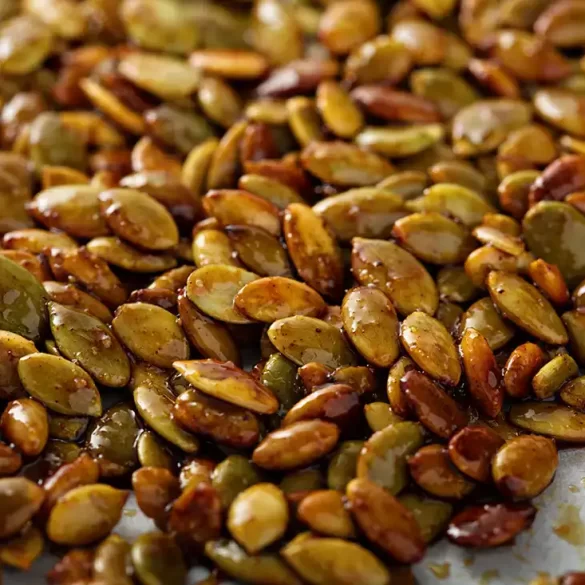
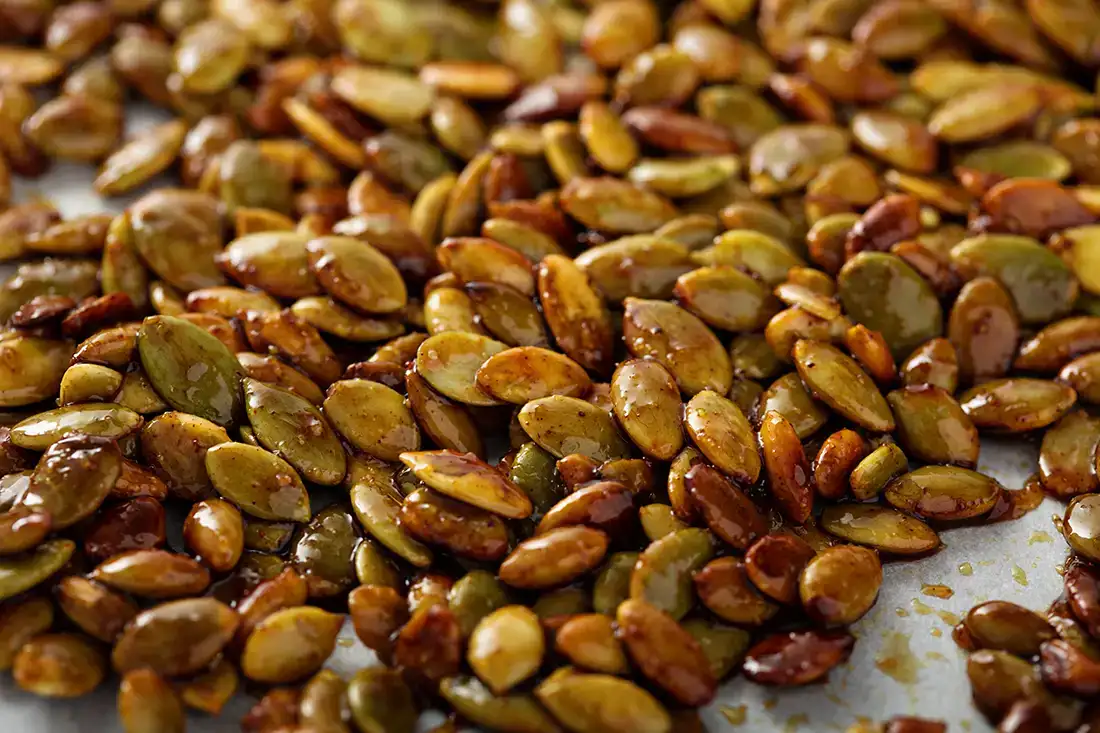
Pumpkin seeds are a nutritious and versatile snack, but the magic lies in the seasoning. Whether you prefer sweet, savory, spicy, or a blend of all three, this guide will show you how to create the ultimate pumpkin seed seasoning recipe. Packed with tips, variations, and creative uses, this post will help you elevate your roasted pumpkin seeds to the next level. Before diving into this pumpkin seed seasoning recipe, make sure to check out our guide on how to bake pumpkin seeds for the perfect crunchy base
Ingredients
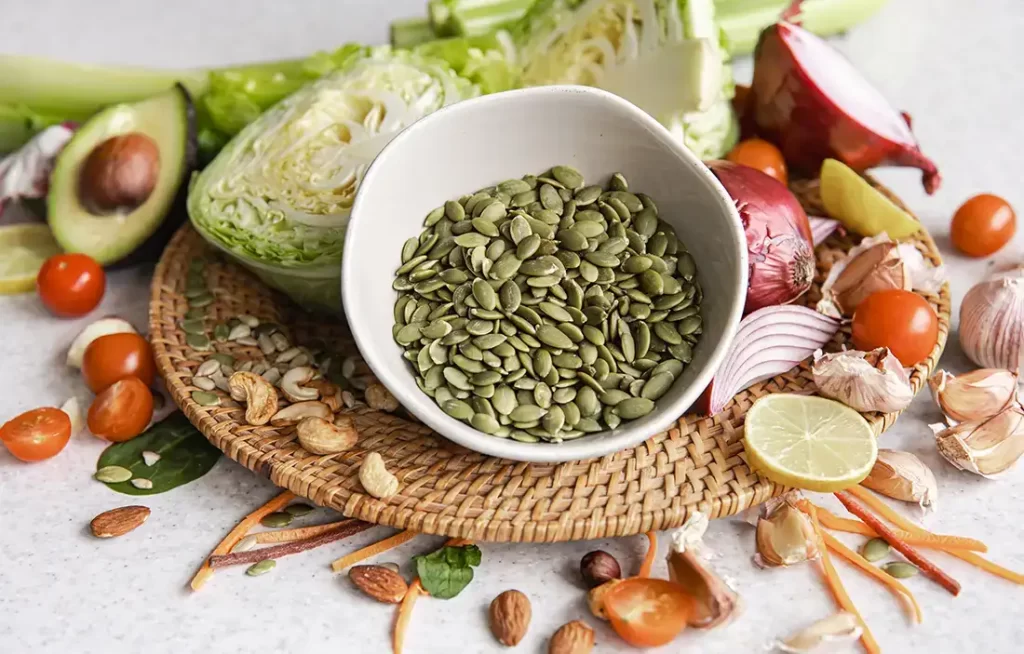
To craft the best pumpkin seed seasoning recipe, you’ll need a balance of spices and other flavor-enhancing ingredients. Here’s a versatile seasoning mix to start with:
Basic Pumpkin Seed Seasoning Ingredients:
- Pumpkin seeds: 1 cup, raw or roasted
- Olive oil or melted butter: 1 tablespoon (for coating)
- Salt: 1 teaspoon (adjust to taste)
- Black pepper: ½ teaspoon
- Garlic powder: ½ teaspoon
- Smoked paprika: ½ teaspoon (adds a smoky depth)
- Cayenne pepper: ¼ teaspoon (optional, for heat)
- Brown sugar or honey: 1 teaspoon (for a hint of sweetness)
Instructions to Make Pumpkin Seed Seasoning Recipe
Step 1: Prepare Your Pumpkin Seeds
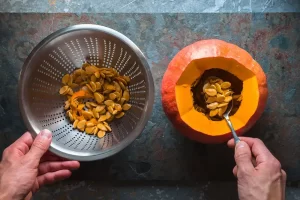
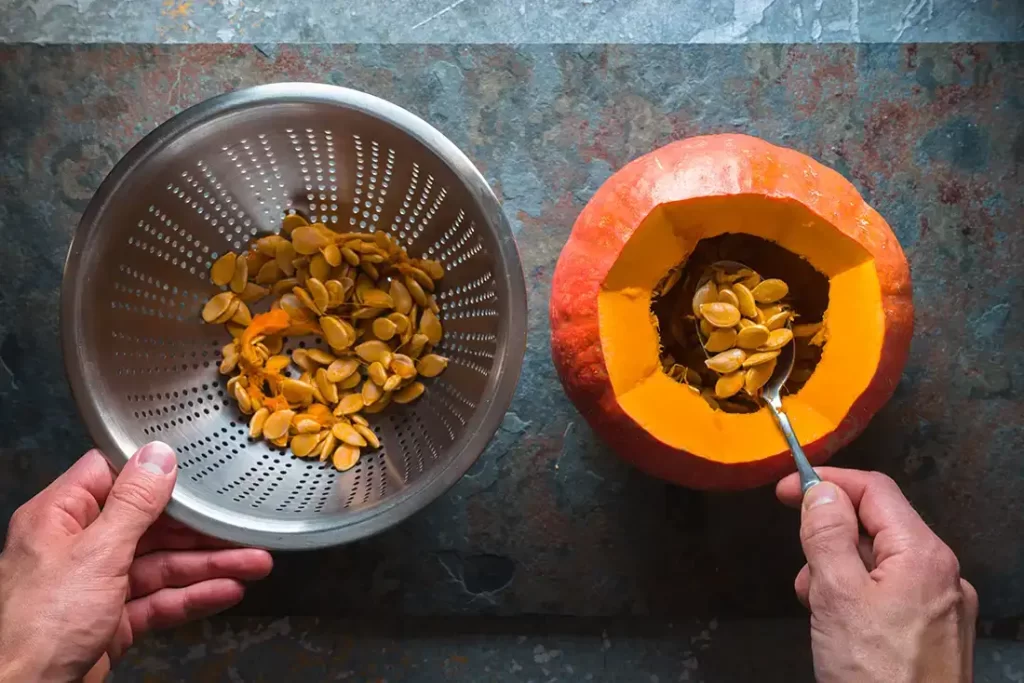
- If using raw seeds, rinse them thoroughly to remove any pulp or debris.
- Boil the seeds in salted water for 10 minutes to enhance flavor and soften the shells.
- Drain and pat the seeds dry with a clean towel.
Step 2: Preheat the Oven
- Preheat your oven to 350°F (175°C) if you plan to roast the seeds after seasoning.
Step 3: Coat the Seeds
- Place the dried pumpkin seeds in a mixing bowl.
- Drizzle olive oil or melted butter over the seeds to ensure the seasoning sticks evenly. Toss until coated.
Step 4: Mix and Apply Seasoning
- Combine the salt, pepper, garlic powder, smoked paprika, cayenne pepper, and brown sugar in a small bowl.
- Sprinkle the seasoning mixture over the seeds. Toss until the seeds are evenly coated.
Step 5: Roast the Seeds
- Spread the seasoned seeds in a single layer on a baking sheet lined with parchment paper.
- Bake at 350°F for 25–30 minutes, stirring every 10 minutes for even roasting.
- Let the seeds cool completely before serving.
Tips for the Best Pumpkin Seed Seasoning
- Dry Your Seeds Thoroughly: Moisture prevents the seasoning from adhering and leads to uneven roasting.
- Adjust Salt Levels: If boiling seeds in salted water, reduce the added salt in your seasoning to avoid over-salting.
- Even Coating: Use your hands or a spatula to ensure every seed is evenly coated with seasoning.
- Customize Heat: Add or omit cayenne pepper to adjust the spice level to your preference.
- Roast Slowly: Lower temperatures (300°F) allow flavors to develop more deeply without burning the seeds.
Creative Uses and Perfect Pairings for Pumpkin Seed Seasoning
Pumpkin seed seasoning is incredibly versatile, elevating both savory and sweet dishes. Whether you’re enjoying these crunchy seeds as a snack or incorporating them into recipes, their unique flavor adds a delightful touch. Here are some great ways to use seasoned pumpkin seeds and what to serve alongside them.
Where to Use Pumpkin Seed Seasoning
- Salad Enhancer
– Toss seasoned pumpkin seeds over a green salad or grain bowl for an added crunch. Their robust flavors complement dressings like balsamic vinaigrette, Caesar, or honey mustard.
– Great for: Kale salad, spinach salad, or quinoa bowls. - Soup Garnish
– Use roasted pumpkin seeds as a topping for creamy soups like butternut squash, pumpkin, tomato bisque, or carrot ginger soup. They add a delightful texture and flavor contrast. - Trail Mix or Snack Bars
– Add seasoned pumpkin seeds to homemade trail mixes with nuts, dried fruits, and chocolate chips. You can also include them in energy bars for a nutritious boost. - Bread and Baked Goods
– Sprinkle pumpkin seeds with seasoning onto bread dough or muffin batter before baking. This works especially well with savory breads like focaccia or whole-grain rolls. - Rice and Grain Bowls
– Top rice pilaf, couscous, or farro dishes with seasoned seeds for a crunchy, nutty twist. They work beautifully in both warm and cold grain dishes. - Breakfast Toppings
– Use sweet-seasoned pumpkin seeds as a topping for oatmeal, yogurt parfaits, or smoothie bowls. The sugary or cinnamon flavor adds a dessert-like touch to breakfast. - Charcuterie and Cheese Boards
– Include seasoned pumpkin seeds in your next charcuterie spread. Their crunch pairs well with creamy cheeses, crackers, and dried fruits. - Taco or Wrap Filling
– Add seasoned pumpkin seeds to tacos, burritos, or wraps for an unexpected layer of flavor and texture. They go particularly well with vegetarian or bean-based fillings. - For Charcuterie and Cheese Boards:
– Pumpkin seeds seasoned with this recipe pair wonderfully with spicy meats like in this hot soppressata.
What to Serve With Seasoned Pumpkin Seeds
1. Savory Pairings
- Appetizers: Pair your seasoned seeds with hummus, guacamole, or spicy bean dips for a flavor-packed appetizer platter.
- Main Courses: Serve them alongside roasted vegetables, baked chicken, or grilled salmon as a crunchy side.
2. Sweet Pairings
- Desserts: Sweet-seasoned pumpkin seeds are an excellent garnish for pies, ice cream, or even chocolate bark. They add crunch and a hint of spice to desserts like pumpkin pie or cheesecake.
- Snacks: Pair them with candied nuts, dried fruits, or caramel popcorn for a sweet and salty treat.
3. Drinks to Complement
- Fall-Themed Beverages: Pair your seasoned pumpkin seeds with hot apple cider, chai tea, or pumpkin spice lattes.
- Cocktails: Spicy seasoned seeds pair well with bold drinks like margaritas, spiced rum, or smoky bourbon cocktails.
Variations
- Sweet Pumpkin Seed Seasoning:
Ingredients: Cinnamon (1 tsp), nutmeg (¼ tsp), brown sugar (1 tbsp), and a pinch of salt.
Instructions: Combine these ingredients and toss with seeds for a dessert-like treat. - Spicy Pumpkin Seed Seasoning:
Ingredients: Chili powder (1 tsp), cayenne pepper (½ tsp), garlic powder (1 tsp), and salt (1 tsp).
Instructions: Toss with olive oil and roast for a bold, spicy kick. - Herbed Pumpkin Seed Seasoning:
Ingredients: Dried rosemary (½ tsp), thyme (½ tsp), garlic powder (1 tsp), and salt (1 tsp).
Instructions: Use olive oil and toss with seeds for a fragrant, savory blend. - Cheesy Pumpkin Seed Seasoning:
Ingredients: Grated Parmesan cheese (2 tbsp), garlic powder (1 tsp), and Italian seasoning (1 tsp).
Instructions: Sprinkle the Parmesan over the seeds during the last 5 minutes of roasting.
Recipe Tested & Notes
I tested this pumpkin seed seasoning several times to find the right balance of salt, savory spices, and a little heat without overpowering the natural nutty flavor of roasted pumpkin seeds.
One of the biggest things I noticed during testing was that the seeds need to be as dry as possible before seasoning. If the seeds are still wet after rinsing, the seasoning does not coat as evenly and the seeds take longer to become crispy.
I also found that finely ground seasonings worked better than coarse spices. Fine spices cling to the seeds more easily and create a more even coating.
The order of seasoning matters too. Tossing the seeds with a small amount of oil first gave the spices something to stick to. Adding the seasoning afterward resulted in much better coverage.
I tested different levels of salt and found that it is better to start with less and add more after roasting if needed. Pumpkin seeds can taste saltier once they become crisp and concentrated.
Another important discovery was that spices can burn if the oven temperature is too high. A moderate oven temperature allowed the seeds to become golden and crunchy while keeping the seasoning flavorful.
The final seasoning blend was savory, slightly smoky, mildly spicy, and versatile enough for pumpkin seeds, pepitas, roasted vegetables, salads, and snack mixes.
Mistakes I Made
Testing this recipe helped me avoid several common mistakes.
Seasoning wet pumpkin seeds
Wet seeds prevented the oil and seasoning from coating evenly and made it harder to achieve a crispy texture.
Using too much oil
Too much oil made the seeds greasy instead of crisp. A light coating was enough to help the seasoning stick.
Adding too much salt
It is easy to over-salt pumpkin seeds. Starting with a moderate amount and tasting after roasting worked much better.
Using coarse spices
Large pieces of seasoning did not distribute evenly. Finely ground spices provided better coverage.
Roasting at very high heat
High heat browned the spices too quickly and increased the risk of burning. Moderate heat gave more even results.
Overcrowding the baking sheet
Seeds piled on top of each other steamed instead of roasting. Spreading them into a single layer produced much better crunch.
Forgetting to stir
The seeds browned unevenly when left untouched. Stirring or shaking the tray during roasting helped them cook evenly.
Personal Cooking Tips Learned From Testing
These tips consistently gave me the best results:
- Rinse fresh pumpkin seeds thoroughly to remove excess pumpkin pulp.
- Dry the seeds very well before seasoning.
- If possible, allow freshly rinsed seeds to air-dry before roasting.
- Use a light coating of oil.
- Mix the seasoning separately before adding it to the seeds.
- Use finely ground spices for better coverage.
- Toss thoroughly so every seed gets coated.
- Spread the seeds into a single layer.
- Avoid overcrowding the baking sheet.
- Stir the seeds during roasting.
- Keep a close eye on them near the end of cooking.
- Allow the seeds to cool before judging their final crispness.
- Taste after cooling and add a little extra salt if needed.
- Store completely cooled seeds in an airtight container.
Why I Prefer This Version
I prefer this pumpkin seed seasoning because it creates a flavorful roasted snack without requiring a long list of complicated ingredients.
The blend has enough savory flavor to make plain pumpkin seeds much more interesting, while still allowing their naturally nutty flavor to come through.
I also like how flexible the seasoning is. You can make it smoky, spicy, garlicky, cheesy, or slightly sweet depending on how you adjust the spices.
It works especially well with seeds scooped directly from a fresh pumpkin, but it can also be used with shelled pepitas.
Another reason I prefer making the seasoning at home is that I can control the salt and spice level. This makes it easy to create a mild snack for the family or a much spicier version for adults.
Storage Notes Based on Actual Testing
I tested the roasted pumpkin seeds after cooling and storing them at room temperature. The most important factor was making sure they were completely cool before storage.
Room Temperature
Store completely cooled roasted pumpkin seeds in an airtight container at room temperature.
Keeping moisture away helps preserve their crisp texture.
Refrigerator
Refrigeration is generally not necessary for properly roasted and completely dried pumpkin seeds. In fact, condensation can sometimes soften them when they are moved between temperatures.
Freezing
Roasted pumpkin seeds can be frozen, although I prefer making smaller batches because freshly roasted seeds have the best texture.
If freezing, use an airtight freezer-safe container and allow the seeds to return to room temperature before opening the container to minimize condensation.
Re-Crisping
If the seeds lose some of their crunch, spread them on a baking sheet and warm them briefly in the oven. Allow them to cool completely before storing again.
Make-Ahead Seasoning
The dry seasoning blend can be prepared ahead and stored separately in an airtight container. This makes it easy to roast a fresh batch of pumpkin seeds whenever you have them available.
Equipment Used
These tools make seasoned roasted pumpkin seeds easy to prepare:
- Large mixing bowl
- Small bowl for seasoning
- Baking sheet
- Parchment paper, optional
- Measuring spoons
- Measuring cups
- Silicone spatula or wooden spoon
- Kitchen towel
- Colander
- Fine-mesh strainer
- Airtight storage container
- Oven mitts
FAQs
How do I make pumpkin seed seasoning stick better?
Use a small amount of olive oil or melted butter to help the seasoning adhere evenly to the seeds. Ensure the seeds are dry before applying oil.
How long does it take to roast seasoned pumpkin seeds?
At 350°F, it takes 25–30 minutes. For slower roasting at 300°F, allow 35–40 minutes. Stir the seeds every 10 minutes for even cooking.
Can I make pumpkin seed seasoning in advance?
Yes! Mix your spices and store them in an airtight container for up to a month. This makes it easy to season fresh seeds quickly.
What’s the best way to store seasoned pumpkin seeds?
Store them in an airtight container at room temperature for up to 2 weeks. For longer storage, refrigerate or freeze them.
Can I use this seasoning for other nuts or seeds?
Absolutely! This seasoning works wonderfully on sunflower seeds, almonds, or cashews. Adjust roasting times accordingly.
Can I make pumpkin seed seasoning without salt?
Yes, you can omit the salt and add other spices like smoked paprika or cinnamon for flavor.
Substitutes
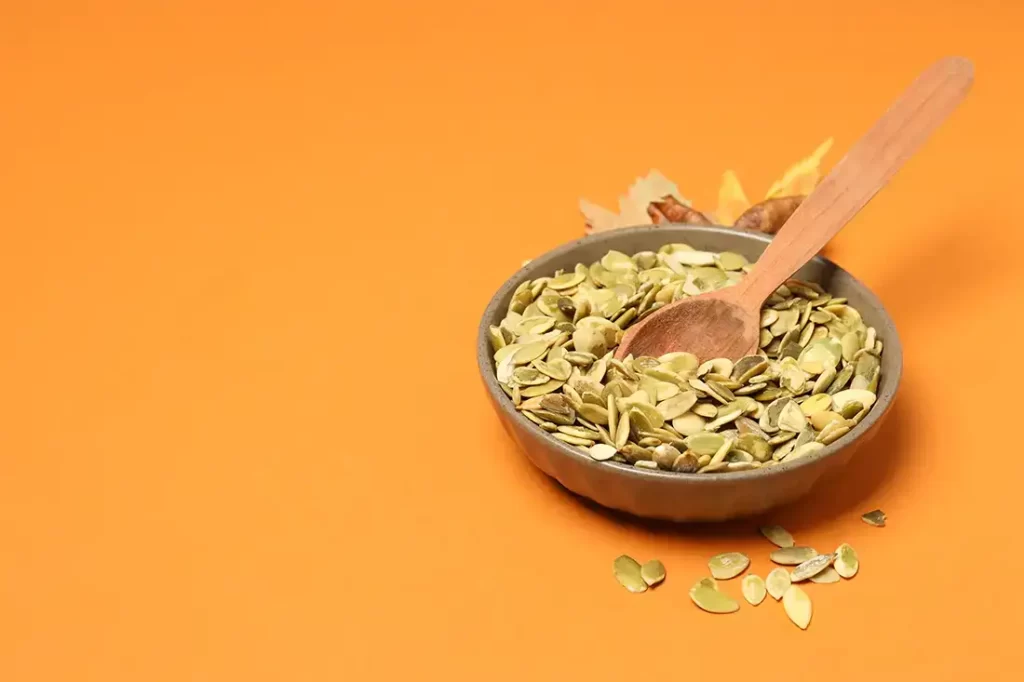
- Pumpkin Seeds: Substitute with sunflower seeds, pepitas, or shelled squash seeds.
- Olive Oil: Use melted butter, avocado oil, or coconut oil for different flavor profiles.
- Brown Sugar: Substitute with honey, maple syrup, or stevia for sweetness.
- Smoked Paprik: Replace with regular paprika or chili powder for a different flavor.
Nutrition (Per Serving of Seasoned Pumpkin Seeds)
- Calories: 150
- Protein: 5g
- Carbohydrates: 8g
- Fat: 12g
- Fiber: 2g
- Sodium: 200mg (varies by seasoning)
Conclusion
Now that you know how to make pumpkin seed seasoning, it’s easy to turn a simple snack into something truly delicious. Whether you enjoy sweet, spicy, or savory flavors, there are endless ways to customize your blend. Experiment with different variations, pair them with your favorite dishes, and enjoy the irresistible crunch of roasted pumpkin seeds enhanced with your own signature seasoning.
Don’t forget to check out other recipes on The Recipe Diary, like How to Bake Pumpkin Seeds or Starbucks Vanilla Bean Frappuccino Recipe (Copycat), for more culinary inspiration.