Table of Contents
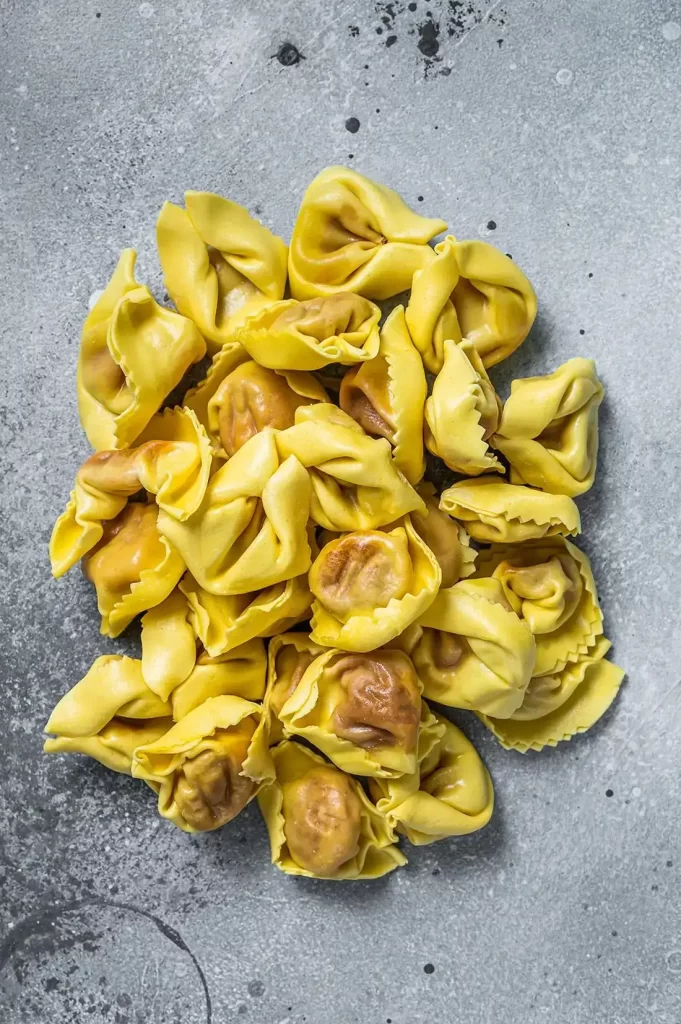
Cappelletti pasta, known as “little hats,” is a delicious Italian dish filled with history and flavor. This special Cappelletti Pasta comes from the Emilia-Romagna region of Italy, especially around towns like Modena and Bologna. Shaped like tiny hats, cappelletti are traditionally filled with savory meat and served in a warm, comforting chicken broth. This dish is especially popular at family gatherings and holiday meals, like Christmas, making it a beloved tradition across generations.
Some say the shape of cappelletti was inspired by the hats worn by Spanish soldiers in Italy centuries ago. Whether you make them in a rounded or pointed shape, preparing cappelletti takes a bit of time and care. But don’t worry—the extra effort is worth it for the rich, comforting taste in every bite. Plus, you can make a big batch, freeze them, and enjoy this tasty pasta whenever you like. So, if you’re ready to bring a bit of Italian tradition to your table, let’s dive into this recipe and create some homemade Cappelletti!
How to Make Cappelletti Pasta
1. Ingredients
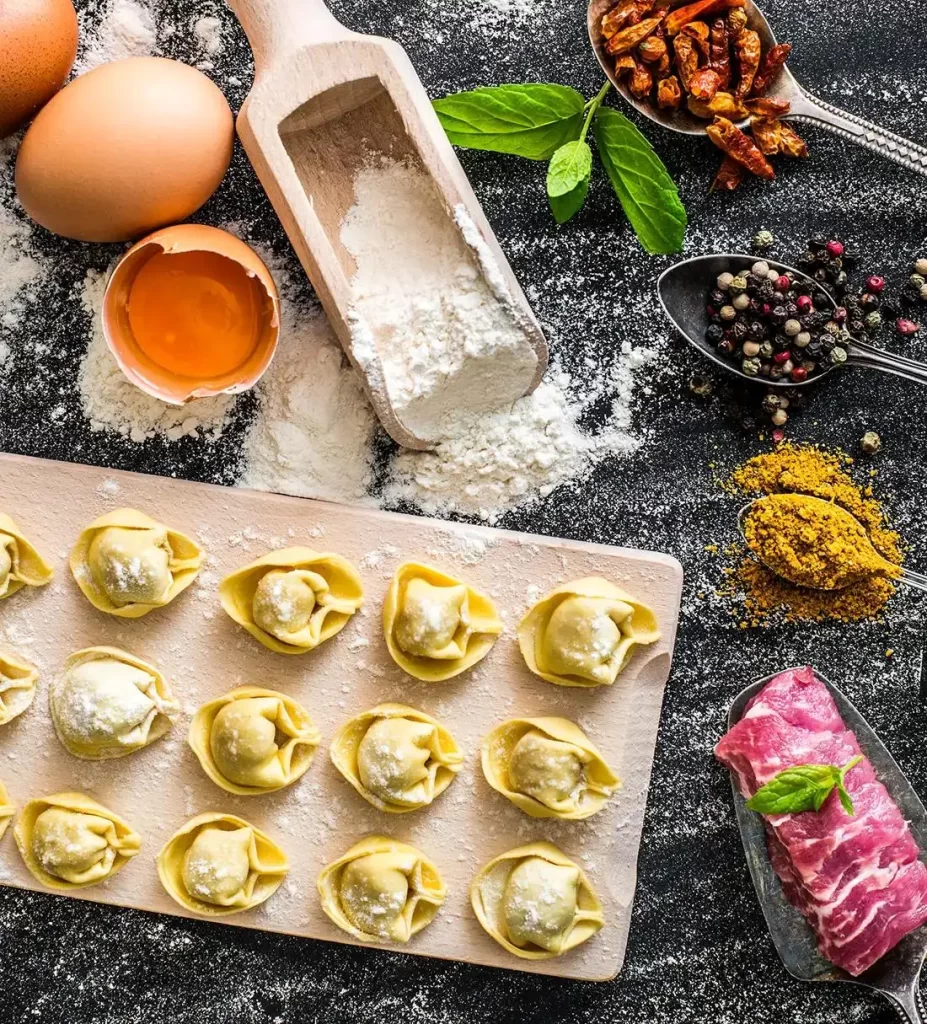
For a classic Cappelletti Pasta Recipe, you’ll need the following:
For the Dough:
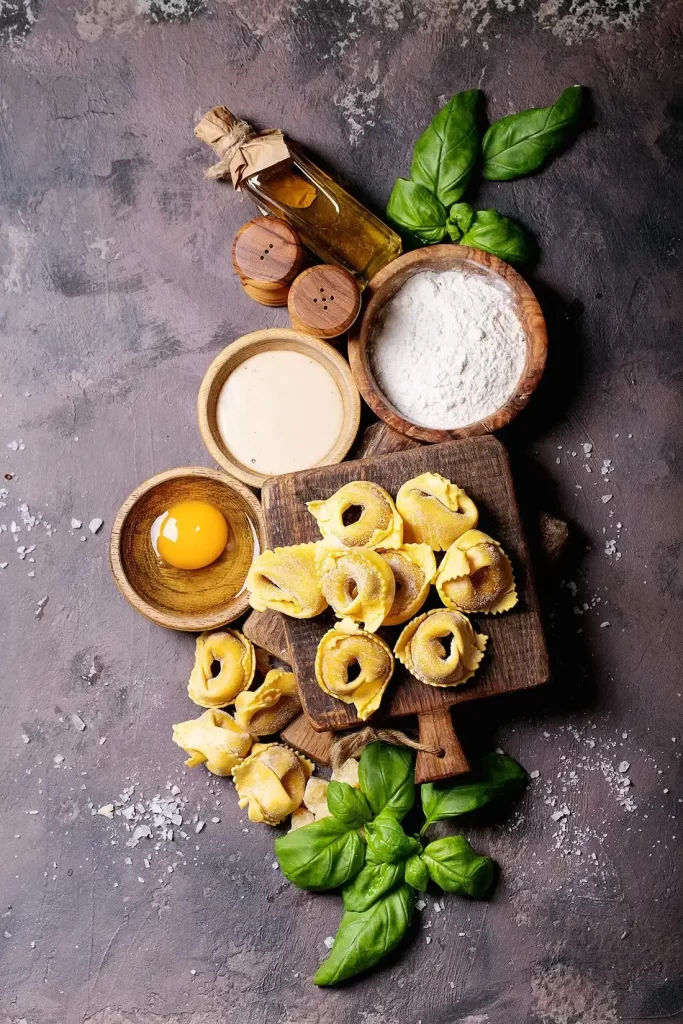
- 2 cups all-purpose flour
- 3 large eggs
- A pinch of salt
For the Filling:
- ½ cup ricotta cheese
- ½ cup grated Parmesan cheese
- 1 cup finely ground pork or veal
- Salt and pepper to taste
- A pinch of nutmeg
Optional for Serving in Broth:
- 4 cups chicken broth (for Cappelletti with chicken broth)
2. Instructions to Make Cappelletti Pasta
Step 1: Prepare the Dough
- On a clean work surface, create a well with the flour and sprinkle a pinch of salt. Crack the eggs into the well and gently beat them with a fork, gradually incorporating flour from the sides until a dough forms.
- Knead the dough for 10 minutes until it’s smooth and elastic. Wrap it in plastic wrap and let it rest for 30 minutes.
Step 2: Make the Filling
- In a mixing bowl, combine the ricotta, Parmesan, and ground pork (or veal). Season with salt, pepper, and a pinch of nutmeg to bring out the flavors.
- Mix until smooth, then set aside.
Step 3: Roll Out the Dough
- Using a pasta roller or a rolling pin, roll out the dough until it’s paper-thin. Aim for a thickness where you can almost see through it without tearing.
- Cut the dough into 2-inch squares.
Step 4: Fill and Shape the Cappelletti
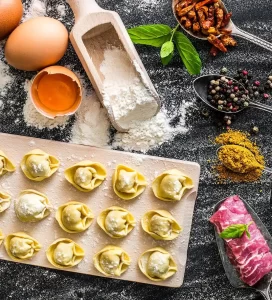
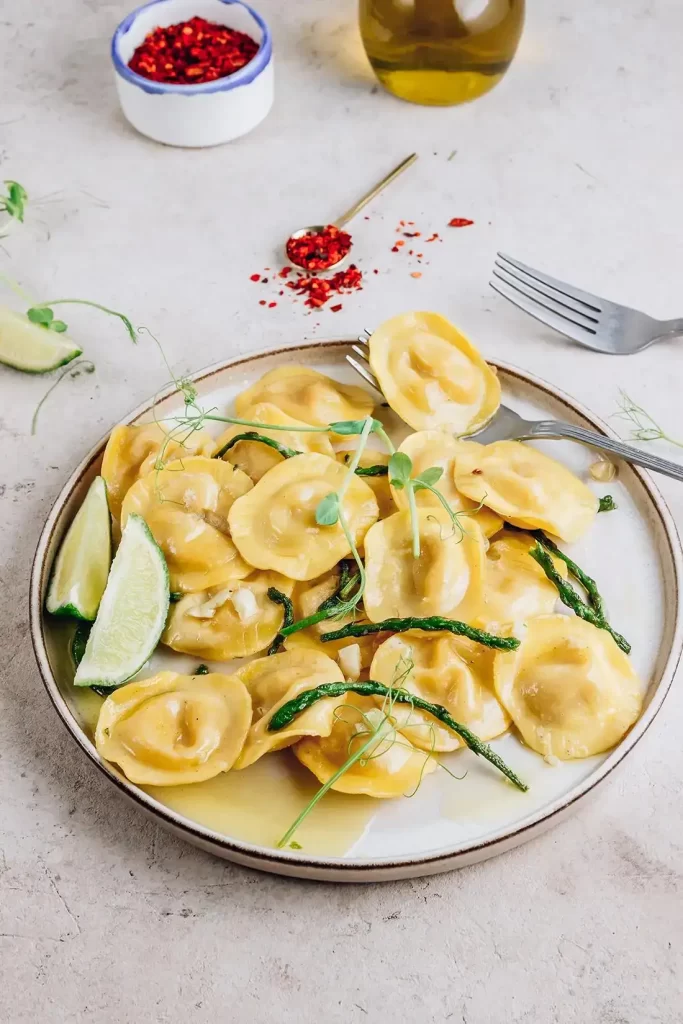
- Place a small spoonful of filling in the center of each square. Fold each square diagonally to form a triangle and press the edges to seal.
- Take the two opposite corners of the triangle and pinch them together to form a rounded “hat” shape, or “cappelletti.”
Step 5: Cook the Cappelletti
- Bring a pot of salted water to a boil, then reduce to a gentle simmer. Add the cappelletti and cook for 3-5 minutes until they float to the top.
- For Cappelletti with chicken broth, transfer the cooked pasta directly to a pot with warm chicken broth for added flavor.
3. Tips for Making Cappelletti Pasta
- Consistency in Dough: Ensure the dough is smooth and elastic to prevent tearing.
- Filling Proportion: Avoid overfilling, as it can make it difficult to seal the pasta.
- Rolling Technique: Use gradual pressure when rolling the dough to achieve an even thinness.
4. What to Serve with Cappelletti Pasta
1. Garlic Bread or Focaccia
Nothing pairs better with pasta than a warm, crusty bread to soak up the broth or sauce. You can serve classic garlic bread or try focaccia with rosemary and sea salt for an Italian twist.
2. Simple Arugula Salad
A fresh, peppery arugula salad with shaved Parmesan, cherry tomatoes, and a drizzle of olive oil and balsamic vinegar adds a refreshing contrast to the rich flavors of cappelletti.
3. Roasted Vegetables
Roasted vegetables such as zucchini, bell peppers, and asparagus make a delicious and well-balanced side dish for cappelletti pasta. Their natural sweetness and slightly caramelized flavor perfectly complement the rich and savory filling of the pasta. This simple pairing adds both color and depth to your meal, making it even more satisfying and flavorful.
4. Caprese Salad
For a classic Italian starter, try a Caprese salad with fresh tomatoes, mozzarella, and basil. Drizzle with balsamic glaze and olive oil for a colorful, refreshing side dish.
5. Italian-Style Sautéed Spinach
Quickly sautéed spinach with garlic and a squeeze of lemon is a light and nutritious side that won’t overpower the cappelletti. The simplicity of this dish balances out the richness of the pasta.
6. Grilled or Roasted Mushrooms
Serve a side of grilled or roasted mushrooms, seasoned with herbs and garlic. Mushrooms add an earthy flavor that pairs beautifully with both the meat and cheese fillings in Cappelletti.
Drinks to Pair with Cappelletti Pasta
1. White Wine
A crisp, dry white wine, such as a Pinot Grigio or Sauvignon Blanc, complements the delicate flavors of cappelletti, especially if served in a broth. These wines are light and refreshing, balancing out the savory flavors.
2. Red Wine
If your cappelletti is served with a hearty meat sauce, try a medium-bodied red wine like Chianti or Sangiovese. These Italian wines have subtle tannins and a slight acidity that works well with richer sauces.
3. Prosecco
This sparkling Italian wine is a great option if you want something light and festive. The bubbles and crispness of Prosecco are perfect for pairing with pasta dishes, adding a touch of elegance to your meal.
4. Italian Soda or Sparkling Water
For a non-alcoholic option, Italian sodas in flavors like lemon or blood orange are refreshing choices. Sparkling water with a slice of lemon or lime is also a great pairing to cleanse the palate between bites.
5. Limoncello Spritz
For a fun, citrusy cocktail, try a Limoncello Spritz made with limoncello, Prosecco, and a splash of soda water. This drink adds a refreshing lemon flavor and a bit of sparkle to your meal.
Desserts to Serve with Cappelletti Pasta
1. Tiramisu
This classic Italian dessert, made with layers of coffee-soaked ladyfingers and creamy mascarpone, is a perfect way to end the meal. It’s rich and creamy but light enough not to overwhelm the meal.
2. Panna Cotta
Panna cotta is a smooth, creamy dessert that is easy to make and pairs well with a variety of flavors. Serve it with fresh berries or a drizzle of berry compote for a fruity finish.
3. Gelato
For a simpler option, a scoop or two of gelato provides a cool and refreshing contrast to the warm pasta dish. Try classic flavors like pistachio, hazelnut, or lemon for a true Italian experience.
4. Cannoli
Crispy cannoli shells filled with sweetened ricotta and chocolate chips are a delightful way to wrap up the meal. This Sicilian dessert is both crunchy and creamy, perfect after a pasta course.
5. Almond Biscotti
Serve almond biscotti with a shot of espresso or a small glass of Vin Santo (Italian dessert wine). This combination offers a crunchy, slightly sweet treat with a warming, toasty flavor.
If you’re looking for a simpler dessert, try this easy 4 Ingredient Banana Bread to end the meal on a sweet, homemade note
5. Variations
- Cheese-Filled Cappelletti: Replace the meat filling with a blend of ricotta, mascarpone, and Parmesan for a vegetarian twist.
- Cappelletti with Mushroom Sauce: Toss the pasta with a creamy mushroom sauce for an earthy flavor contrast.
- Spinach Cappelletti: Add finely chopped spinach to the dough for color and extra nutrients.
- For a pasta night with variety, try this Spicy Rigatoni Vodka or Parmesan Garlic Chicken Pasta Recipe along with your Cappelletti
Recipe Tested & Notes
I tested this Cappelletti Pasta recipe several times to get the right balance between a delicate homemade pasta dough, flavorful filling, and the small hat-like shape that gives cappelletti its name. The shaping takes a little practice, but once you get the rhythm, the process becomes much easier.
The biggest lesson from testing was that the pasta dough needs the right consistency. Dough that is too dry cracks when rolled or folded, while dough that is too wet becomes sticky and difficult to shape.
Resting the dough was also important. Allowing the dough to rest gave the gluten time to relax, which made it easier to roll into thin sheets without constantly shrinking back.
I found that rolling the pasta fairly thin was essential. Cappelletti should feel delicate rather than thick and doughy. However, the sheet still needs enough strength to hold the filling without tearing.
The filling should be flavorful but not overly wet. A filling that contains too much moisture makes it difficult to seal the cappelletti and can cause them to open during cooking.
Another important testing lesson was to avoid overfilling. It can be tempting to add a generous spoonful of filling, but a small amount is enough. Too much filling makes folding and sealing difficult.
Keeping the pasta covered while working was also helpful. Fresh pasta dries quickly, and dried edges can crack when you try to fold them.
For shaping, I found that lightly moistening the pasta edges helped create a secure seal when necessary. However, too much water can make the dough slippery and difficult to handle.
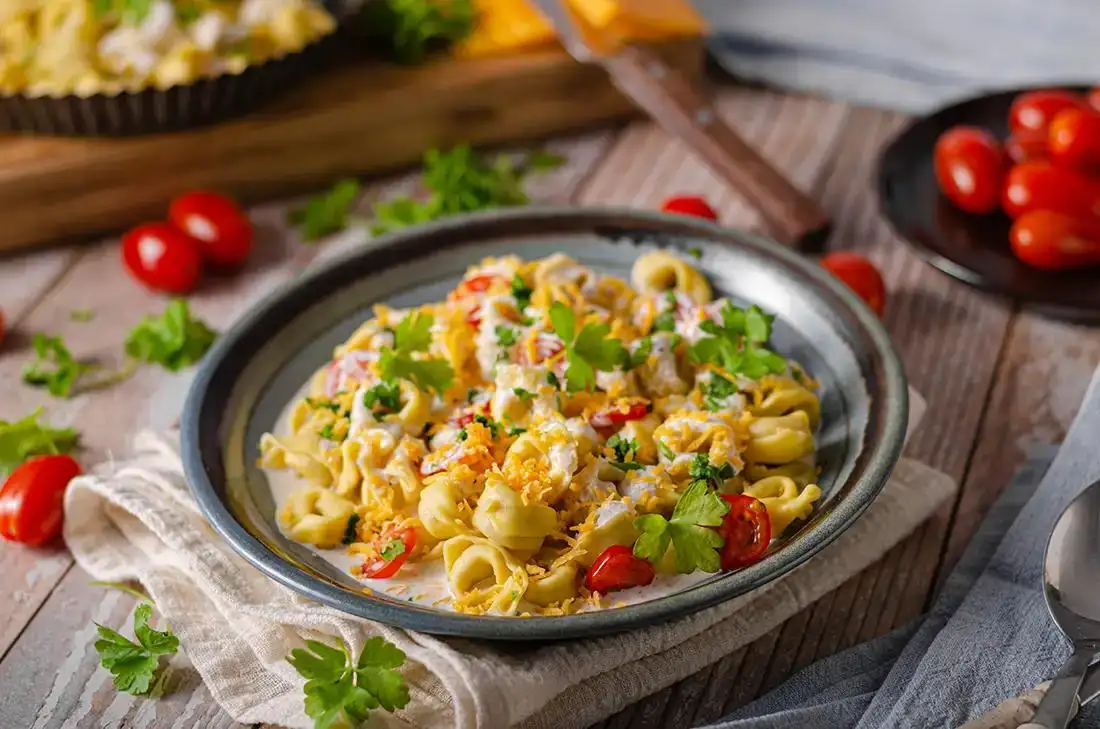
The final cappelletti had tender pasta, a savory filling, and the characteristic little hat shape. They were especially delicious served in a light broth, although they can also be paired with a simple sauce.
Mistakes I Made
Testing homemade cappelletti helped me identify several mistakes that can affect the dough, filling, and final shape.
Making the dough too wet
Sticky dough was difficult to roll and shape. Adding flour gradually and kneading until the dough became smooth gave better results.
Making the dough too dry
Very dry dough cracked when folded. The dough needs to be firm but still flexible.
Skipping the resting period
Freshly kneaded dough was harder to roll. Resting allowed the gluten to relax and made the dough easier to work with.
Rolling the pasta too thick
Thick pasta made the cappelletti heavy and reduced the delicate texture I wanted.
Rolling it too thin
Very thin pasta was more likely to tear around the filling. A thin but strong sheet worked best.
Overfilling the cappelletti
Too much filling made sealing difficult and increased the chance of the pasta opening during cooking.
Making the filling too wet
A wet filling made the pasta edges slippery and difficult to seal.
Leaving the pasta uncovered
The edges dried out while I was working, making them harder to fold and seal.
Using too much water for sealing
A small amount of water is enough. Too much can make the pasta sticky.
Not sealing the edges properly
Any trapped air or loose edges can cause the cappelletti to open while boiling.
Boiling too aggressively
A strong rolling boil can damage delicate filled pasta. A gentler boil worked better.
Personal Cooking Tips Learned From Testing
These tips consistently gave me the best results:
- Rest the pasta dough before rolling.
- Knead until the dough becomes smooth and elastic.
- Roll the dough evenly.
- Keep unused dough covered.
- Work with manageable portions of pasta dough.
- Dust lightly with flour when necessary.
- Avoid using too much flour because it can make the pasta dry.
- Keep the filling cool before shaping.
- Use a small amount of filling.
- Keep the filling centered.
- Press out excess air before sealing.
- Moisten the edges lightly if needed.
- Seal the pasta firmly.
- Keep shaped cappelletti covered while making the rest.
- Cook fresh cappelletti gently.
- Avoid overcrowding the cooking pot.
- Taste one piece before removing the entire batch.
- Serve immediately for the best texture.
Storage Notes Based on Actual Testing
Fresh cappelletti are best cooked shortly after shaping, but they can be stored if you need to prepare them ahead of time.
Short-Term Refrigerator Storage
Arrange the shaped cappelletti in a single layer on a lightly floured or parchment-lined tray.
Cover them carefully so they do not dry out.
Refrigerate and cook them as soon as practical for the best texture.
Avoid stacking fresh filled pasta directly on top of each other because the pieces can stick together.
Freezing Fresh Cappelletti
Freezing is one of the best options for longer storage.
Arrange the uncooked cappelletti in a single layer on a tray with enough space between each piece.
Freeze until firm.
Once frozen, transfer the cappelletti to a freezer-safe container or bag.
Freezing them individually first prevents them from sticking together.
Cooking From Frozen
Frozen cappelletti can generally be cooked directly from frozen. There is no need to thaw them first.
Add them carefully to gently boiling water or broth and allow additional cooking time compared with fresh pasta.
Watch for the pasta to become tender and the filling to heat completely.
Storing Cooked Cappelletti
Allow leftover cooked pasta to cool before placing it in an airtight container.
If possible, store the pasta with a little of its broth or sauce to prevent it from drying out.
Reheat gently rather than boiling aggressively.
Make-Ahead Preparation
For entertaining, I prefer making cappelletti ahead and freezing them. This makes it much easier to prepare a large batch without rushing immediately before dinner.
Equipment Used
These tools make homemade Cappelletti Pasta easier to prepare:
- Large mixing bowl
- Pasta board or clean work surface
- Rolling pin or pasta machine
- Bench scraper
- Pasta cutter or pastry wheel
- Small round cookie cutter
- Measuring cups
- Measuring spoons
- Small spoon or piping bag for filling
- Clean kitchen towels
- Baking sheets
- Parchment paper
- Large pasta pot
- Slotted spoon
- Fine-mesh strainer, optional
- Airtight freezer container or freezer bags
6. FAQs
Can I freeze cappelletti?
Yes, you can freeze uncooked cappelletti. Place them in a single layer on a baking sheet until frozen, then transfer to a freezer-safe bag.
How do I prevent the dough from drying out?
Cover the dough with plastic wrap or a damp cloth while you work with it.
Can I make cappelletti without a pasta machine?
Absolutely! A rolling pin works just as well for rolling out the dough; it just requires a bit more time and muscle.
Can I use store-bought pasta dough for cappelletti?
Yes, if you’re short on time, you can use fresh, store-bought pasta dough. Just make sure it’s rolled thin enough for cappelletti. However, homemade dough will give you the best texture and flavor.
How do I keep the pasta dough from drying out while I work?
Cover the dough with plastic wrap or a damp kitchen towel when you’re not working with it. This will prevent it from drying and cracking as you shape the cappelletti.
Can I use different fillings?
Absolutely! While meat and cheese fillings are traditional, you can try mushroom, spinach, or even pumpkin fillings for a vegetarian option.
Can I substitute another broth for chicken or capon broth?
Yes, you can use vegetable broth or beef broth, though each will bring its own flavor. For the classic taste, chicken or capon broth is preferred.
Can I make cappelletti gluten-free?
Yes, you can use a gluten-free flour blend to make the dough, though the texture may be a bit different. You may need to experiment with flour-to-egg ratios to get the right consistency.
Can I make cappelletti without a pasta roller?
Yes, you can use a rolling pin if you don’t have a pasta machine. Just roll the dough as thin as possible – ideally around 1 mm thick.
If you enjoy Italian cuisine, you might also love this Homemade Domino’s Viral Pizza for a crowd-pleasing twist on a classic.
7. Substitutes
- Pork/Veal Substitute: Ground turkey or chicken makes an excellent substitute for a lighter flavor.
- Ricotta Substitute: Cottage cheese, blended for smoothness, can replace ricotta.
- Parmesan Substitute: Aged Asiago or Pecorino Romano can bring a similar flavor profile to the filling.
8. Nutrition
Per Serving (estimate):
- Calories: 320
- Protein: 12g
- Carbohydrates: 42g
- Fat: 10g
Conclusion
Making Homemade Cappelletti Pasta is a culinary adventure that brings tradition to the table. Whether served in a comforting chicken broth or a light sauce, cappelletti offers a delicious way to enjoy Italian cuisine at its finest. Happy cooking!