Table of Contents
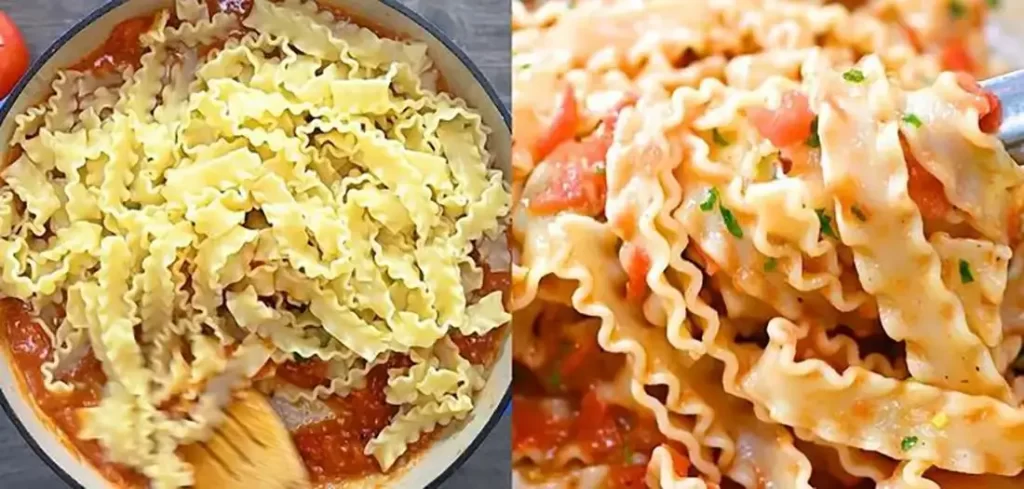
Mafaldine pasta, with its beautiful, ruffled edges and delightful chew, is a delicious canvas for many sauces. In this recipe, we’re pairing it with a creamy, slightly tangy sauce made from goat cheese, enhanced by the bright flavors of pesto and the earthiness of fresh spinach. Whether you’re new to cooking pasta or looking to perfect your technique, this dish brings out the best in each ingredient.
How to Make Mafaldine Pasta with Spinach and Goat Cheese
Ingredients for a Flavorful Mafaldine Pasta Dish
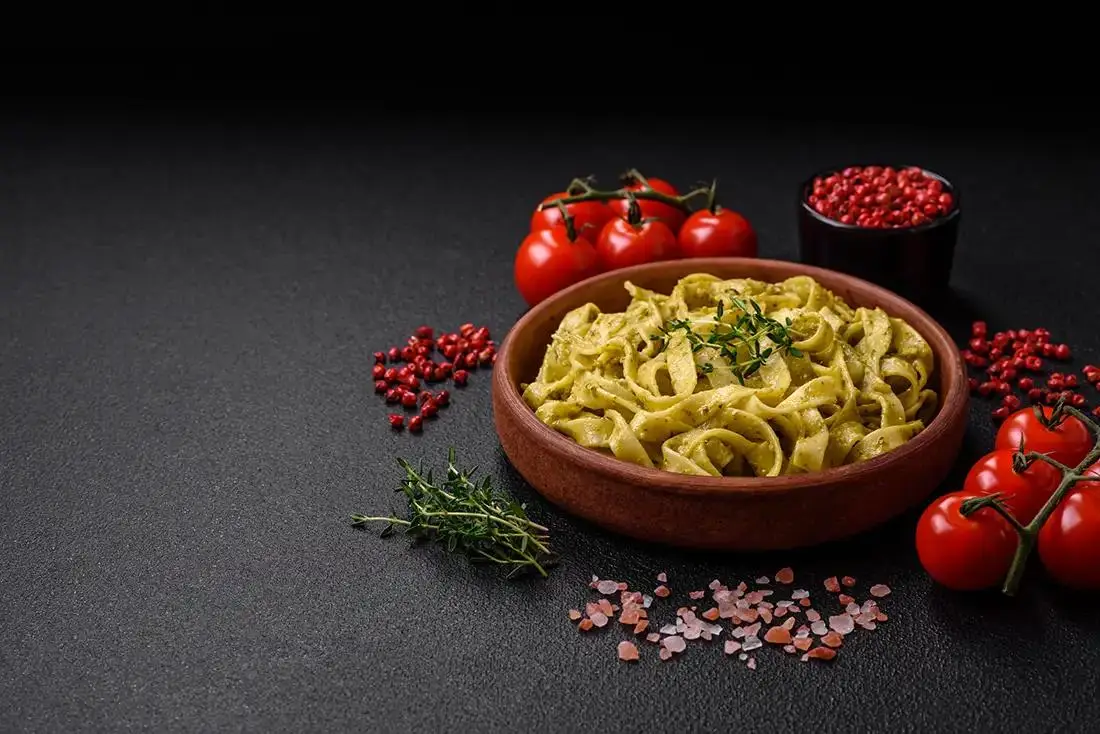
Let’s start by gathering everything you need to make this dish a success:
Core Ingredients:
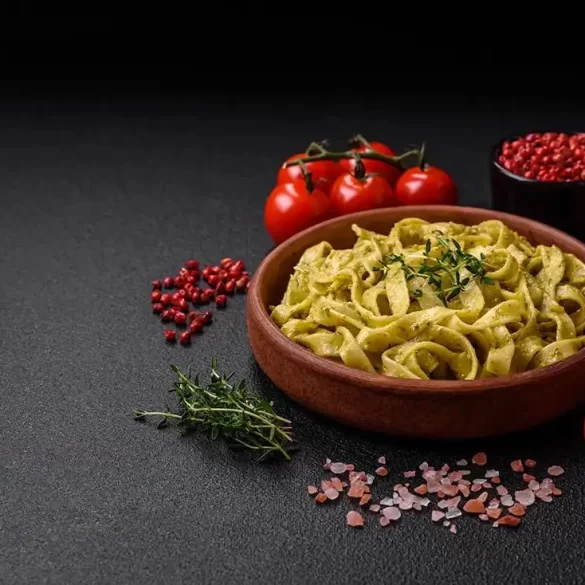
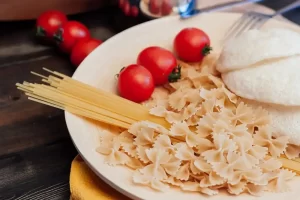
- Mafaldine pasta: 12 oz (340g) – This pasta shape, with wavy edges, is ideal for trapping creamy sauces. If you don’t have mafaldine, pappardelle or tagliatelle are suitable substitutes.
- Butter: 3 tablespoons – Butter adds richness and helps to build the base of the sauce.
- Spinach: 2 cups, chopped – Fresh spinach works best, though frozen spinach can also be used if drained and thawed properly.
- Garlic: 2 cloves, minced – Fresh garlic brings a robust, aromatic note that complements the goat cheese.
- Goat cheese: 4 oz, softened – Goat cheese provides creaminess with a hint of tang. Choose a mild variety if you prefer a softer flavor.
- Parmesan cheese: ½ cup, grated – Parmesan adds an umami punch that balances out the sauce.
- Pesto: 2 tablespoons – Pesto enriches the sauce with basil and pine nut flavors. Store-bought pesto works well, but fresh homemade pesto can be even more flavorful.
- Heavy cream: ½ cup (or adjust for desired consistency) – Cream helps create a smooth, rich sauce.
- Pine nuts: 2 tablespoons, toasted (optional, for garnish) – Pine nuts add a delicate crunch and nutty flavor.
- Salt and pepper: To taste
- Fresh basil: A handful, chopped (optional garnish) – Fresh herbs elevate the presentation and add an aromatic touch.
- Lemon zest: Zest of 1 lemon (optional for freshness) – Lemon zest lightens the dish and pairs beautifully with goat cheese.
Step-by-Step Instructions
1. Cook the Mafaldine Pasta
- Begin by boiling a large pot of salted water. Add the mafaldine pasta and cook until al dente, which usually takes about 10-12 minutes. Be sure to taste a strand to ensure it’s firm but tender.
- Just before draining, reserve about a cup of pasta water. This starchy water can be added later to help the sauce adhere to the pasta and give it a silky texture. Drain the pasta and set it aside.
2. Make the Creamy Goat Cheese and Spinach Sauce
- Heat a large skillet over medium heat. Melt the butter, then add the minced garlic. Sauté for about a minute until the garlic becomes fragrant and golden, releasing its full lavour.
- Add the chopped spinach to the skillet. Sauté it for about 2 minutes or until it wilts, stirring occasionally. If using frozen spinach, drain it well to avoid excess water.
- Reduce the heat to low and add the softened goat cheese, parmesan cheese, pesto, and heavy cream. Stir everything together, allowing the goat cheese and parmesan to melt and create a smooth, creamy consistency. This step is where you can adjust the sauce’s thickness by adding a small amount of the reserved pasta water as needed.
3. Combine Pasta and Sauce
- Add the cooked mafaldine to the skillet, gently tossing to coat the pasta in the sauce. Take your time here, ensuring every ribbon is covered. Adjust the sauce’s consistency as needed by adding more pasta water, a little at a time, until it’s just right for your preference.
- Season the dish with salt and freshly ground black pepper to taste, and add the lemon zest if desired. The zest will brighten the dish and balance out the richness of the sauce.
4. Serve and Garnish
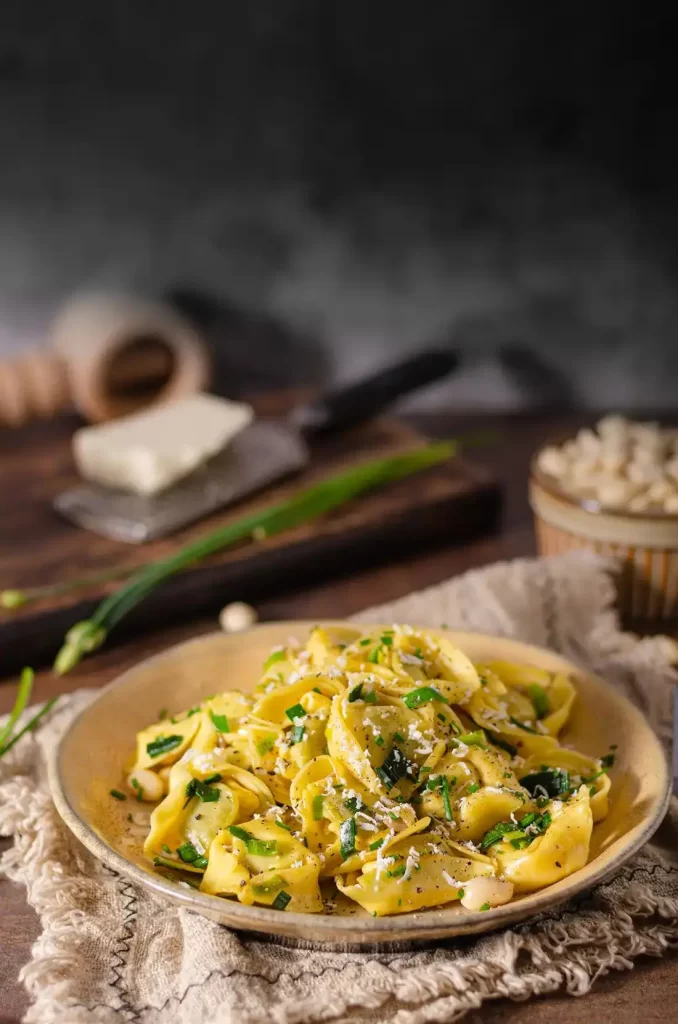
- Transfer the pasta to serving plates. Garnish with toasted pine nuts for added crunch, a sprinkle of fresh basil for a pop of color, and a touch more parmesan if desired. Serve hot to enjoy the flavors at their best.
Tips for Perfecting Your Mafaldine Pasta
- Balancing the Sauce: Goat cheese can be tangy, so adjust the amount based on your taste preference. A little extra cream or parmesan can help mellow it if needed.
- Adding Freshness: A hint of lemon zest or fresh basil brightens the flavors, especially if the sauce feels too rich.
- Toast Your Pine Nuts: Lightly toasting the pine nuts in a dry pan before garnishing adds a nutty depth and crunchy texture to the dish.
- Experiment with Pesto: Homemade pesto can add a fresh, vibrant taste, but store-bought works too. Try sun-dried tomato pesto for a unique twist.
What to Serve with Mafaldine Pasta
Appetizers:
- Antipasto Plate: An array of olives, artichokes, cured meats, and Italian cheeses like burrata or mozzarella complements the pasta’s creamy texture.
- Tomato Bruschetta: Fresh tomato, basil, and a touch of balsamic vinegar on toasted baguette slices offer a lighter, refreshing start.
Proteins:
- Grilled Chicken: Lean and flavorful, grilled chicken pairs nicely with the creamy goat cheese sauce without overpowering it.
- Sautéed Shrimp: Shrimp adds a delicate, slightly sweet taste that complements the pesto and goat cheese.
- Pan-Seared Salmon: For a richer protein option, try salmon, which holds up well against the bold flavors in this dish.
Beverages/Drinks:
- White Wine: A light and crisp Sauvignon Blanc or Pinot Grigio enhances the creamy and tangy notes in the pasta.
- Sparkling Water with Lemon: For a non-alcoholic option, lemon or cucumber-infused sparkling water refreshes the palate.
Desserts:
- Lemon Sorbet: This light dessert cleanses the palate after a creamy main course.
- Tiramisu: A classic Italian choice, tiramisu’s creamy, coffee flavors pair well with the pasta’s rich notes.
Delicious Variations to Try
- Vegetarian Mafaldine Primavera: Add a mix of vegetables like bell peppers, zucchini, and cherry tomatoes to make it a hearty vegetarian main.
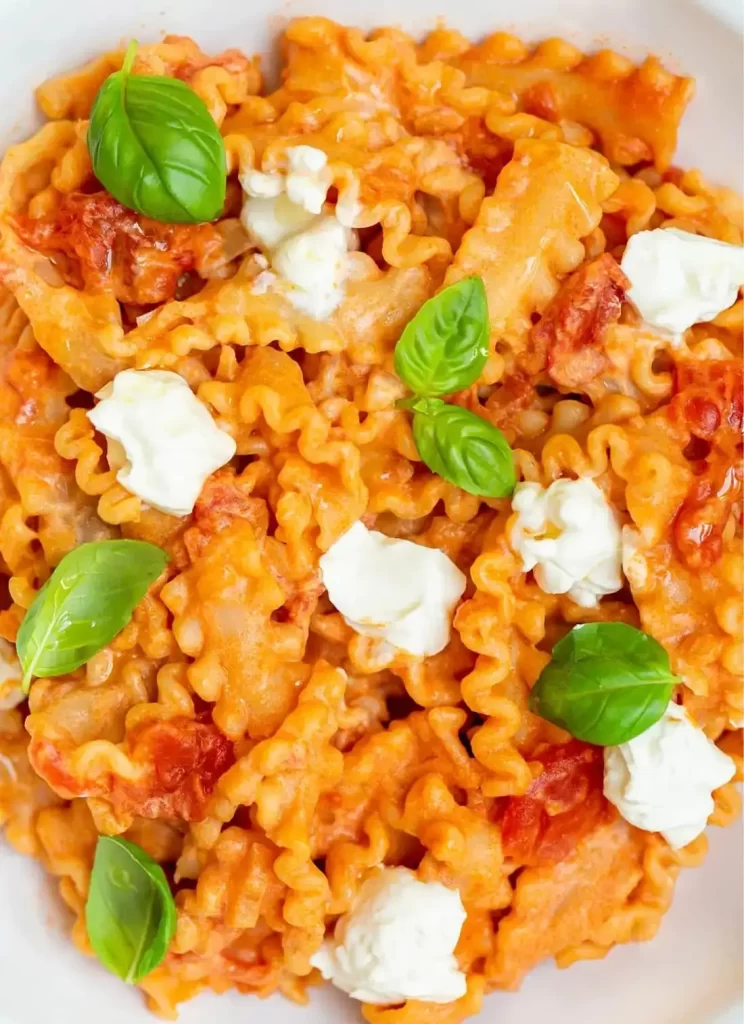
- Spicy Mafaldine Arrabbiata: For heat lovers, use a tomato-based sauce with red chili flakes in place of the creamy pesto sauce.
- Mafaldine Bolognese: Swap the goat cheese sauce with a meat sauce or traditional Bolognese for a heartier version.
Recipe Tested & Notes
I tested this Mafaldine Pasta with Spinach and Goat Cheese several times to find the right balance between the wide, ribbon-like pasta, creamy goat cheese, fresh spinach, garlic, and pasta water. Mafaldine has beautiful ruffled edges that hold onto sauce, so the goal was to create a sauce that was creamy enough to coat those edges without becoming too heavy.
The biggest lesson from testing was to reserve plenty of pasta water before draining the mafaldine. The starchy water helps loosen the goat cheese and creates a silky sauce that clings to the pasta instead of sitting at the bottom of the pan.
I also found that goat cheese does not need to be cooked aggressively. Adding it over gentle heat and loosening it with warm pasta water created a much smoother sauce. High heat can make a cheese-based sauce look oily or slightly grainy.
Fresh spinach worked best when added toward the end of cooking. Adding it too early caused it to become overly soft and lost some of its fresh flavor. A quick wilt was enough.
Another important detail was seasoning the pasta water properly. Since the pasta itself needs seasoning, salting the cooking water helped build flavor throughout the dish rather than relying only on the sauce.
I prefer using freshly grated Parmesan as an optional finishing touch, along with freshly cracked black pepper and a small drizzle of olive oil. The Parmesan adds savory depth, while the pepper cuts through the creamy goat cheese.
The final version was creamy, tangy, savory, and satisfying without requiring a heavy cream-based sauce. The wide mafaldine ribbons made the dish feel special enough for a dinner party while still being easy enough for a weeknight meal.
Mistakes I Made
Not reserving enough pasta water
I drained too much of the pasta water before making the sauce. The sauce became thicker than I wanted, and I had to add regular water later. Pasta water is much better because its starch helps emulsify the sauce.
Adding goat cheese over high heat
High heat caused the goat cheese mixture to become less smooth. Gentle heat produced a much creamier sauce.
Adding too much goat cheese
More goat cheese is not always better. Too much made the dish overly tangy and heavy.
Overcooking the spinach
Cooking spinach for too long made it lose its fresh flavor and turned it overly soft.
Forgetting to season the pasta water
This made the pasta itself taste bland even though the sauce was well seasoned.
Draining the pasta too thoroughly
Leaving a little pasta water clinging to the mafaldine helped the sauce come together more easily.
Using too little garlic
The first version tasted slightly flat. A moderate amount of garlic gave the sauce the savory foundation it needed.
Making the sauce too thick
The sauce should coat the mafaldine rather than form a thick paste. Adding pasta water gradually fixed this.
Not finishing the pasta in the sauce
Simply pouring sauce over cooked pasta did not produce the same result. Tossing the pasta directly in the sauce helped every ribbon become coated.
Personal Cooking Tips Learned From Testing
These tips consistently gave me the best results:
- Use good-quality mafaldine pasta when available.
- Salt the pasta water generously.
- Reserve at least a cup of pasta water before draining.
- Cook the pasta until al dente.
- Do not overcook mafaldine because the ruffled edges can become fragile.
- Keep the goat cheese at gentle heat.
- Add pasta water gradually rather than all at once.
- Wilt fresh spinach near the end of cooking.
- Use fresh garlic for the best flavor.
- Toss the pasta directly in the sauce.
- Keep stirring while adding pasta water.
- Taste before adding additional salt.
- Add freshly cracked black pepper at the end.
- Finish with Parmesan if you want additional savory depth.
- Add a small squeeze of lemon juice if the sauce needs brightness.
- Serve immediately for the creamiest texture.
- Keep a little extra pasta water available in case the sauce thickens while serving.
Storage Notes Based on Actual Testing
This pasta is best immediately after cooking because the goat cheese sauce becomes thicker as it cools.
Refrigerator Storage
Allow leftovers to cool appropriately and transfer them to an airtight container.
Refrigerate promptly.
For the best quality, enjoy the leftovers within a few days.
The sauce will become noticeably thicker in the refrigerator, but this can be corrected during reheating.
Reheating on the Stovetop
The stovetop is my preferred method.
Place the pasta in a skillet over low to medium-low heat and add a small splash of water, milk, or reserved pasta water if available.
Stir gently until the sauce loosens and the pasta is heated through.
Avoid high heat because it can cause the goat cheese sauce to separate.
Microwave Reheating
You can reheat individual portions in the microwave.
Add a small splash of liquid and cover loosely. Heat in short intervals, stirring between each interval.
Freezing
I do not recommend freezing this pasta if you want the same creamy texture as freshly made.
Goat cheese sauces can change texture after freezing and thawing, while spinach can release additional moisture.
If necessary, freeze leftovers in an airtight freezer-safe container, but expect some texture changes.
Make-Ahead Tip
You can prepare the ingredients ahead of time, including washing the spinach, chopping the garlic, and measuring the goat cheese.
For the best result, cook and assemble the pasta shortly before serving.
Equipment Used
These tools make this Mafaldine Pasta with Spinach and Goat Cheese easy to prepare:
- Large pasta pot
- Large skillet or saute pan
- Colander
- Measuring cups
- Measuring spoons
- Wooden spoon
- Silicone spatula
- Tongs
- Chef’s knife
- Cutting board
- Cheese grater
- Pasta bowl
- Ladle or measuring cup for pasta water
FAQs about Mafaldine Pasta
What makes mafaldine pasta unique?
Mafaldine’s ruffled, ribbon-like edges hold sauces exceptionally well, adding a texture that enhances both creamy and chunky sauces. It’s named after Princess Mafalda of Savoy, lending a touch of elegance to the dish.
What is mafaldine pasta? Mafaldine (or mafalda) pasta has flat, ribbon-like noodles with wavy edges, named after Princess Mafalda of Savoy. Its unique shape holds sauces beautifully, making it perfect for creamy or chunky sauces.
Can I substitute goat cheese with other cheeses?
Yes, for a milder flavor, you can replace goat cheese with ricotta or mascarpone, which will still create a creamy texture but with a less tangy profile.
Is there a gluten-free alternative to mafaldine pasta?
Certainly! Many gluten-free options mimic the texture of mafaldine, such as gluten-free pappardelle or other ribbon-like pastas available at specialty stores.
How can I make it lighter?
For a lighter version, replace heavy cream with a splash of milk or vegetable broth and use low-fat cheeses. A generous amount of fresh basil or parsley can add flavor without extra calories.
Nutrition Information (Per Serving)
- Calories: ~460 kcal
- Protein: 15g
- Carbohydrates: 62g
- Fat: 16g
- Calcium: 130mg
- Iron: 3.5mg
With these insights and tips, you’re set to make a spectacular mafaldine pasta that’s sure to impress. Enjoy this creamy, flavor-packed dish that’s perfect for a cozy dinner, and feel free to experiment with your own touches!
 Let’s start by gathering everything you need to make this dish a success: Core Ingredients: