Table of Contents
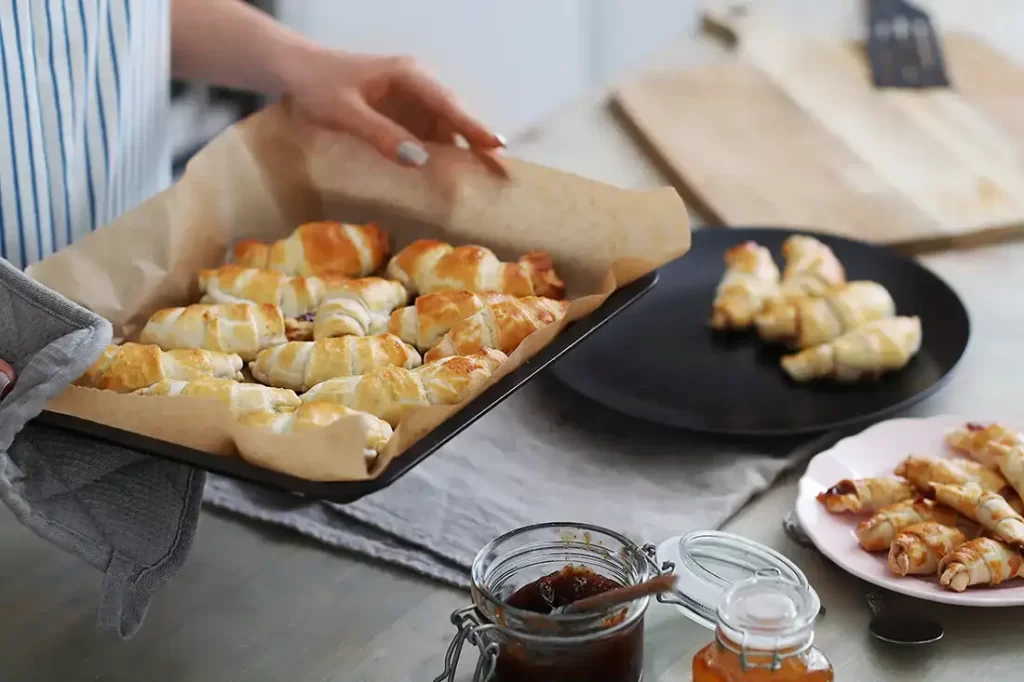
Imagine biting into a croissant so crispy, light, and delicious that you’d never guess it’s made with rice paper instead of traditional dough. Welcome to the world of rice paper croissants, a creative fusion of flavor and texture that’s taking the culinary scene by storm!
Whether you’re looking for a quick gluten-free treat, experimenting with new ingredients, or simply curious about this innovative rice paper recipe, these croissants are guaranteed to impress. Perfect for breakfast, dessert, or as a snack, they’re versatile enough to suit any craving—sweet or savory. If you love creative takes on classic recipes, don’t miss our unique Caffeinated Pizza Rolls Recipe or the viral favorite Vito Iacopelli Pizza Dough Recipe (Copycat).
In this guide, we’ll walk you through how to make rice paper croissants from scratch, with step-by-step instructions, tips, and delicious variations. Ready to turn simple rice paper into crispy, golden bites of joy? Let’s get started!
Ingredients
For basic rice paper croissants, you’ll need:
- 8-10 rice paper sheets (circular or square)
- 2 tbsp butter or neutral oil (for brushing)
- Fillings (choose sweet or savory options):
- Sweet: Nutella, jam, or chocolate chips
- Savory: Cheese, ham, or sautéed vegetables
- Egg wash or plant-based alternative (optional, for a golden finish)
Optional toppings:
- Sesame seeds, sugar crystals, or shredded cheese (depending on flavor preference)
Instructions to Make Rice Paper Croissants
- Prepare the Workspace:
- Preheat your oven to 375°F (190°C).
- Line a baking sheet with parchment paper and lightly grease it.
- Hydrate the Rice Paper:
- Dip each rice paper sheet in warm water for a few seconds until it softens. Lay it on a flat surface.
- Add the Fillings:
- Place your chosen filling near the edge of the rice paper. Avoid overfilling to prevent leaks.
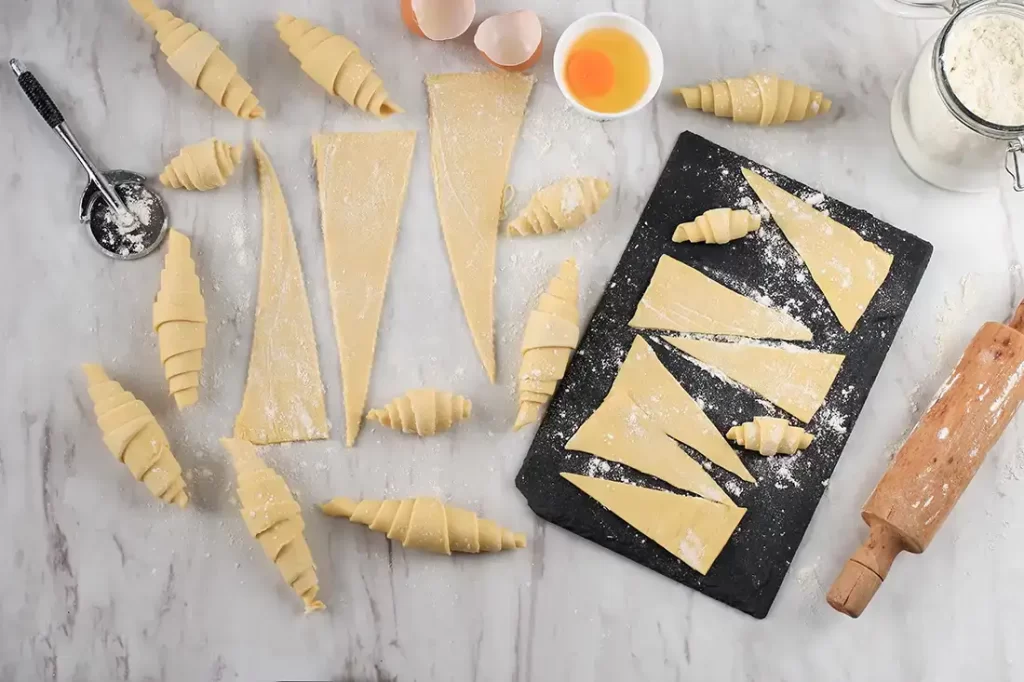
- Shape the Croissant:
- Roll the rice paper tightly around the filling, folding in the sides as you roll to create a crescent or cylindrical shape.
- Brush and Bake:
- Lightly brush each croissant with melted butter or oil. Place them on the prepared baking sheet.
- Bake for 15-20 minutes, or until they turn golden and crispy.
- Cool and Serve:
- Let them cool slightly before serving. These croissants are best enjoyed fresh and warm.

Tips for Perfect Rice Paper Croissants
- Prevent Sogginess:
- Use minimal water when softening the rice paper, as excess moisture can make it sticky or tear.
- Handling Rice Paper: Be gentle when working with rice paper, as it becomes delicate when wet.
- Filling Tips:
- For sweet croissants, pair chocolate with a sprinkle of sea salt. For savory options, include herbs or spices.
- Use a Non-Stick Surface:
- Ensure your baking tray is greased or lined to prevent sticking.
- Reheat for Crispiness:
- To revive leftover croissants, reheat them in a preheated oven at 350°F (175°C) for 5-7 minutes.
What to Serve With Rice Paper Croissants:
Rice paper croissants are versatile and pair beautifully with a variety of accompaniments to elevate your meal or snack experience. Whether you’re serving them as part of a breakfast spread, a savory appetizer, or a sweet dessert, here are some ideas to inspire your pairing:
1. Sweet Pairings
For dessert-style rice paper croissants, complement their light and crispy texture with these delightful options:
- Fresh Fruits: Serve with sliced strawberries, bananas, or a mixed berry medley.
- Dipping Sauces: Enhance the flavor with chocolate ganache, caramel sauce, or a simple vanilla glaze.
- Whipped Cream or Yogurt: A dollop of whipped cream or a side of sweetened Greek yogurt adds a creamy contrast.
- Hot Drinks: Pair with a steaming cup of coffee, chai tea, or hot chocolate for a cozy treat.
- Pair these sweet rice paper croissants with a warm mug of hot chocolate or serve alongside a slice Heart Shaped Cake for a romantic dessert spread
2. Savory Pairings
For savory rice paper croissants, these accompaniments will add depth and variety:
- Dips and Spreads: Serve with hummus, garlic aioli, or a tangy mustard dip.
- Salads: Pair with a fresh garden salad or a zesty slaw to create a balanced meal.
- Soups: Complement with a warm bowl of tomato basil soup, creamy potato leek soup, or miso soup.
- Cheese Board: A side of soft cheeses like brie or goat cheese with a drizzle of honey can add sophistication.
- For a savory option, serve alongside a comforting Gouda Mac and Cheese Recipe for a satisfying meal.
3. Breakfast or Brunch Ideas
For a light breakfast or a brunch spread, rice paper croissants shine with these:
- Eggs: Scrambled eggs, a veggie omelet, or poached eggs are excellent options.
- Smoothies or Fresh Juice: Balance the crispness with a refreshing fruit smoothie or freshly squeezed orange juice.
- Granola and Nuts: Add a crunchy side with granola or roasted nuts for a wholesome touch.
4. Beverage Pairings
The right drink can take your meal to the next level:
- For Sweet Croissants: Pair with lattes, flavored teas, or a glass of dessert wine.
- For Savory Croissants: Match with herbal teas, sparkling water with lemon, or a crisp white wine.
Variations
- Sweet Variations:
- Add fruit preserves or custard for a dessert-style croissant.
- Sprinkle powdered sugar or cinnamon for extra flavor.
- Savory Variations:
- Create a pizza-style croissant with marinara, mozzarella, and pepperoni.
- Use cream cheese and smoked salmon for a gourmet twist.
- Fusion Ideas:
- Incorporate Asian flavors like hoisin sauce and shredded chicken for a unique filling.
- For those looking for more gluten-free baking inspiration, our Crisco Chocolate Chip Cookies Recipe is another easy and indulgent option.
Recipe Tested & Notes
I tested these Rice Paper Croissants several times to find the best way to work with rice paper without making it too wet or too brittle. Unlike traditional croissant dough, rice paper does not contain gluten and does not behave like laminated pastry, so the technique is a little different.
The biggest discovery during testing was that rice paper needs only a quick dip in the liquid mixture. Soaking it for too long made the sheets overly soft and difficult to shape. A brief dip gave them enough flexibility to roll without tearing.
I also found that working with several sheets together created a better layered texture. When the sheets were brushed or dipped with the filling mixture and stacked carefully, the finished croissants developed crisp outer layers with a softer interior.
The amount of moisture was another important factor. Too much liquid prevented the rice paper from crisping properly, while too little made it difficult to shape and resulted in fragile layers.
I found that shaping the croissants immediately after softening the rice paper worked best. Once the sheets sat too long, they became sticky and harder to handle.
Baking temperature also mattered. A properly preheated oven helped the outer layers become golden and crisp before the inside dried out.
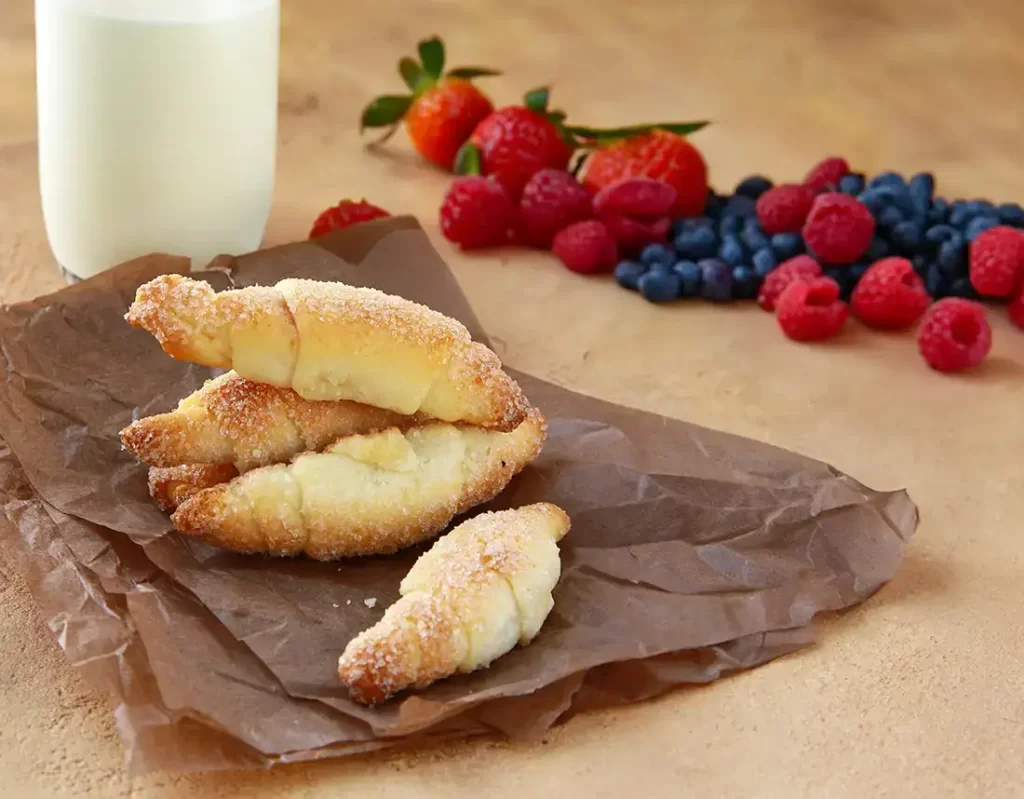
The final version had crisp edges, delicate layered pieces, and a satisfying pastry-like appearance. While they do not have exactly the same texture as traditional laminated croissants, they are a fun alternative when you want to experiment with rice paper.
Mistakes I Made
Testing this recipe helped me avoid several common mistakes.
Soaking the rice paper too long
Long soaking made the sheets sticky and difficult to handle. A quick dip was enough to soften them.
Using too much liquid
Excess moisture prevented the rice paper from becoming crisp. I found that a light coating worked better.
Waiting too long before shaping
Once softened, rice paper becomes increasingly sticky. Shaping it immediately produced cleaner croissants.
Overfilling the croissants
Too much filling made the rolls difficult to shape and caused some filling to leak during baking.
Rolling too tightly
A very tight roll restricted the layers and sometimes caused tearing. A gentle but secure roll worked better.
Using an unlined baking tray
Some pieces stuck to the tray during testing. Parchment paper or a suitable nonstick surface made removal much easier.
Opening the oven too often
Frequent temperature changes slowed browning and affected the crisp texture. Keeping the oven closed during most of the baking time worked better.
Personal Cooking Tips Learned From Testing
These tips consistently gave me the best results:
- Keep the rice paper sheets dry until you are ready to use them.
- Soften each sheet briefly rather than soaking it.
- Work quickly once the rice paper becomes flexible.
- Use several sheets for better layering.
- Keep the filling relatively light.
- Avoid overfilling the center.
- Roll gently without squeezing the layers too tightly.
- Place the shaped croissants seam-side down.
- Use parchment paper to reduce sticking.
- Leave enough space between croissants for air circulation.
- Fully preheat the oven before baking.
- Bake until the exterior is golden and crisp.
- Allow the croissants to cool briefly before moving them.
- Serve soon after baking for the best texture.
Why I Prefer This Version
I prefer this Rice Paper Croissant recipe because it is a creative way to make a croissant-inspired pastry without traditional laminated dough.
There is no need to spend hours preparing yeast dough, chilling butter, rolling, folding, and repeating the lamination process.
Rice paper also creates an interesting texture. When handled correctly, the thin sheets become crisp and delicate around the edges while maintaining a softer center.
I especially like this recipe for experimenting with different fillings. You can make sweet croissants with chocolate, cinnamon, fruit, or nut butter, or create savory versions with cheese, herbs, and vegetables.
It is also a fun recipe to make when you already have rice paper wrappers in the pantry and want to try something different.
Storage Notes Based on Actual Testing
I tested the croissants both fresh and after storage, and the biggest difference was texture.
Room Temperature
These croissants are best eaten shortly after baking. The crispy exterior gradually softens as they sit.
If storing them for a short period, keep them in a loosely covered container at room temperature rather than sealing them while they are still hot.
Refrigerator
Refrigeration can make rice paper pastries softer and slightly chewier. If you need to refrigerate leftovers, allow them to cool completely before placing them in an airtight container.
Reheating
An oven or air fryer works much better than a microwave for reheating.
Heat until warmed through and crisp again. The exact time will depend on the size and filling.
Freezing
I do not recommend freezing these croissants if you want the best texture. Rice paper can become chewy or brittle after freezing and thawing.
Make-Ahead Preparation
The croissants are best assembled and baked close to serving time. You can prepare the filling ahead to make the final assembly quicker.
Equipment Used
These tools make Rice Paper Croissants easier to prepare:
- Large shallow bowl
- Baking sheet
- Parchment paper
- Pastry brush
- Measuring cups
- Measuring spoons
- Small mixing bowl
- Sharp knife
- Cutting board
- Kitchen towel
- Cooling rack
- Oven mitts
- Air fryer, optional for reheating
FAQs
Are rice paper croissants gluten-free?
Yes, they’re naturally gluten-free, provided the fillings are also gluten-free.
Can I make them ahead?
They are best eaten fresh, but you can prepare and refrigerate them unbaked, then bake just before serving.
Can I air-fry rice paper croissants?
Absolutely! Air-fry at 375°F (190°C) for 10-12 minutes, flipping halfway for even crispiness.
Can I make rice paper croissants without an oven?
Yes, you can! Rice paper croissants can be made using an air fryer or stovetop. To air fry, place the croissants in a preheated air fryer at 375°F (190°C) for about 10-12 minutes, flipping halfway. For the stovetop, cook them in a lightly oiled non-stick pan over medium heat, turning occasionally, until golden and crispy.
How do I prevent rice paper from tearing?
Handle rice paper gently, as it becomes fragile when wet. Soak it in warm water briefly—just enough to soften it—and place it on a flat, non-stick surface for assembly. Overfilling can also cause tearing, so use smaller portions of filling.
Can I freeze rice paper croissants?
Yes, you can freeze them! Assemble the croissants but skip the baking step. Arrange them on a baking sheet in a single layer and freeze until solid. Transfer to an airtight container or freezer bag. When ready to bake, thaw slightly and bake as directed, adding a few extra minutes if needed.
Substitutes
- Rice paper: Use thin spring roll wrappers for a similar texture.
- Butter: Replace with coconut oil or vegan butter for a dairy-free option.
- Fillings: Experiment with tofu, nuts, or spreads to suit dietary needs.
Nutrition (Approximate per croissant)
- Calories: 120-150 kcal
- Fat: 6g
- Carbohydrates: 15g
- Protein: 2g
- Fiber: 1g
By mastering this rice paper recipe, you’ll have a creative, delicious addition to your culinary repertoire. Enjoy experimenting with different flavors and pairings!