Table of Contents
If you’re a fan of the iconic Lotus Biscoff cookies, you’re in for a treat with this indulgent Biscoff Cookie Butter Cheesecake. Known for their distinct caramelized flavor and crunchy texture, Lotus Biscoff cookies have become a beloved brand worldwide. The same rich flavor is also available in the form of Biscoff cookie butter—a smooth, spreadable version made from the original cookies. This cheesecake combines the irresistible taste of Biscoff cookies with a creamy cheesecake filling and a luxurious Biscoff cookie butter topping, making it the perfect dessert for any occasion.
What is Biscoff Cookie Butter Cheesecake?
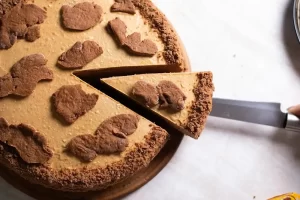
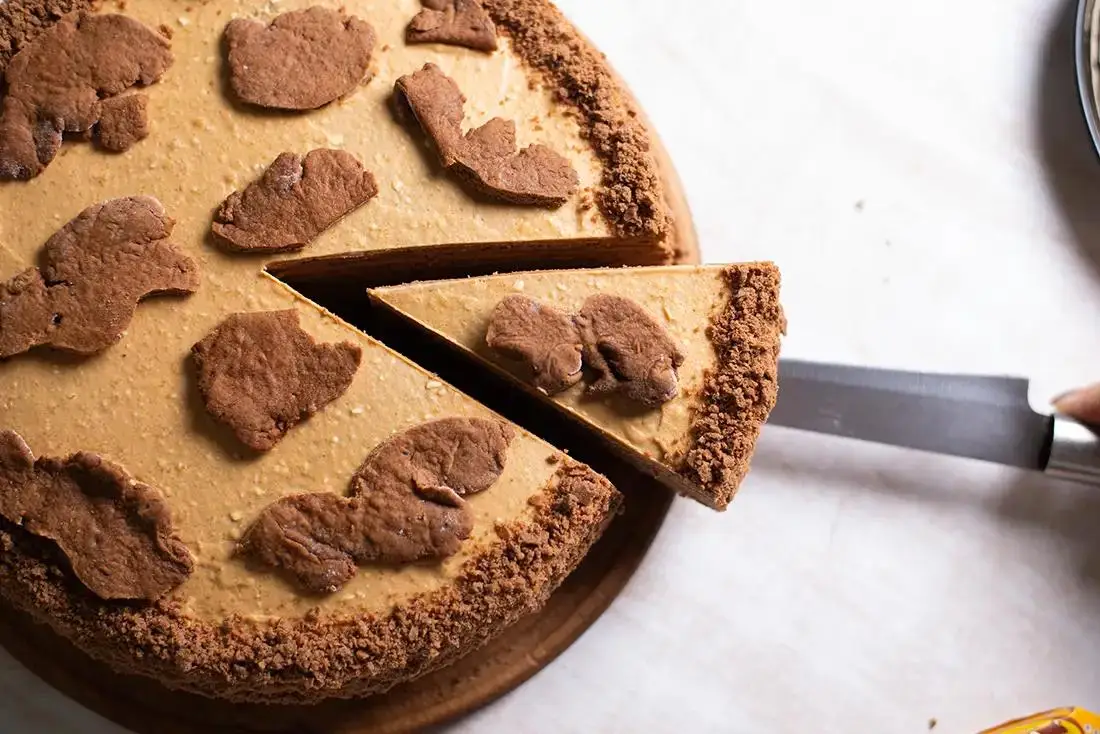
Biscoff cookie butter cheesecake is a rich and creamy dessert made using Biscoff spread and crushed Biscoff biscuits as the base. It combines the smooth, velvety texture of classic cheesecake with the warm, caramelized flavor of Biscoff.
This dessert is known for its perfectly balanced taste—sweet, slightly spiced, and incredibly indulgent. The buttery biscuit base adds a crunchy contrast to the creamy filling, making every bite satisfying. It can be made as a baked or no-bake cheesecake, depending on your preference, and is a favorite for special occasions or simple homemade treats.
How to Make Biscoff Cookie Butter Cheesecake
Ingredients
To begin with, you’ll need to gather the following ingredients. This recipe will make one 9-inch cheesecake that serves about 10-12 people.
For the Biscoff Cookie Crust:
- 2 cups Biscoff cookies, finely crushed
- 6 tablespoons unsalted butter, melted
- 1 tablespoon granulated sugar
For the Cheesecake Filling:
- 24 oz (680g) cream cheese, softened
- 1 cup granulated sugar
- 1 teaspoon vanilla extract
- 3 large eggs
- 1/2 cup Biscoff cookie butter, melted
- 1/2 cup sour cream
- 1/4 cup heavy cream
For the Topping:
- 1/4 cup Biscoff cookie butter, melted
- 1/2 cup whipped cream
- Crushed Biscoff cookies for garnish
Instructions
Step 1: Prepare the Biscoff Cookie Crust
Start by preparing the base of your cheesecake—the Biscoff cookie crust. Preheat your oven to 325°F (163°C).
- In a medium bowl, combine 2 cups of finely crushed Biscoff cookies, 6 tablespoons of melted unsalted butter, and 1 tablespoon of granulated sugar. Mix well until the crumbs are moist and evenly coated.
- Press the mixture into the bottom of a 9-inch springform pan, ensuring an even layer. You can use the back of a spoon or a measuring cup to press it down firmly.
- Bake the crust for 10 minutes, then remove from the oven and allow it to cool while you prepare the cheesecake filling.
Step 2: Prepare the Cheesecake Filling
The key to a smooth, creamy filling is to ensure that your ingredients, particularly the cream cheese, are at room temperature.
- In a large mixing bowl, beat 24 oz of softened cream cheese on medium speed until smooth and creamy.
- Gradually add 1 cup of granulated sugar and continue mixing until fully incorporated.
- Mix in 1 teaspoon of vanilla extract.
- Add the eggs one at a time, mixing on low speed after each addition to avoid overbeating.
- Pour in 1/2 cup of melted Biscoff cookie butter, followed by 1/2 cup of sour cream and 1/4 cup of heavy cream. Blend until smooth and well combined.
Step 3: Assemble and Bake
- Pour the cheesecake filling over the cooled crust in the springform pan.
- Place the springform pan in a large roasting pan and fill the pan with hot water halfway up the sides of the cheesecake pan. This water bath helps prevent the cheesecake from cracking.
- Bake the cheesecake in the preheated oven for 60-70 minutes, or until the center is almost set but still slightly jiggly.
- Turn off the oven, crack the door slightly, and allow the cheesecake to cool in the oven for an hour. This gradual cooling process helps prevent cracks on the surface.
- After an hour, remove the cheesecake from the oven and water bath. Refrigerate for at least 4 hours or overnight.
Step 4: Add the Topping
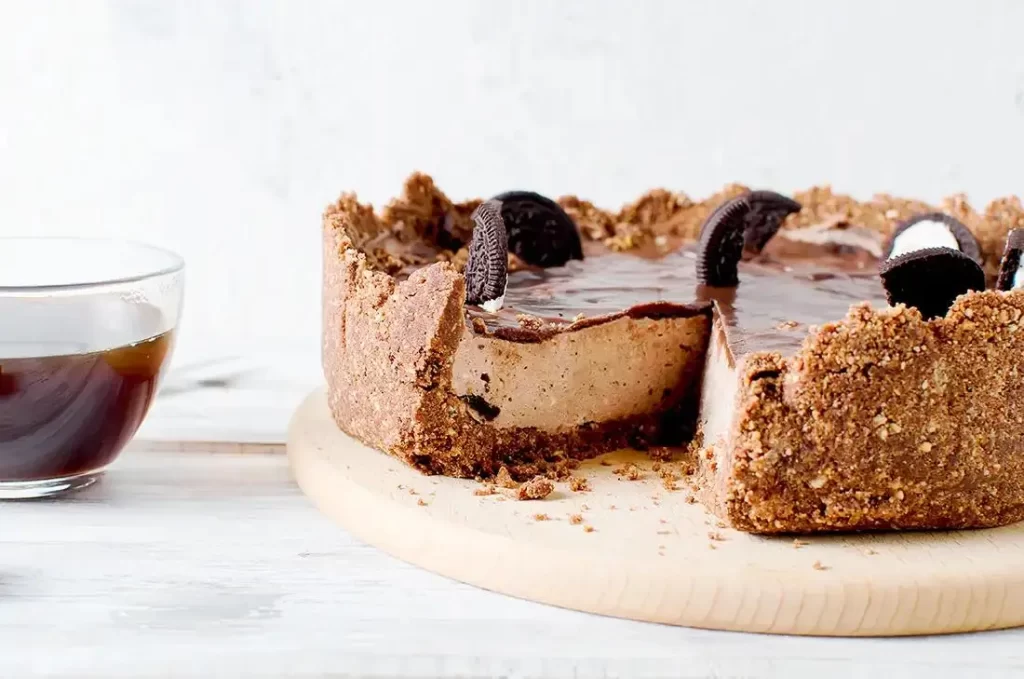
Before serving, you’ll add the delicious Biscoff cookie butter topping.
- Melt 1/4 cup of Biscoff cookie butter in the microwave for about 15-20 seconds, until it’s smooth and pourable.
- Spread the melted Biscoff cookie butter over the chilled cheesecake, creating an even layer.
- Garnish with whipped cream and crushed Biscoff cookies for added flavor and texture.
Tips for Perfect Biscoff Cookie Butter Cheesecake
- Room temperature ingredients: Always ensure your cream cheese, eggs, and other dairy ingredients are at room temperature before mixing. This prevents lumps and ensures a smooth cheesecake batter.
- Avoid overmixing: Overmixing the cheesecake batter can incorporate too much air, leading to cracks during baking. Mix on low speed and stop as soon as the ingredients are combined.
- Use a water bath: A water bath provides gentle, even heat, preventing the cheesecake from cracking. Wrapping the springform pan in foil also helps keep water out.
- Cooling process: Letting the cheesecake cool slowly in the oven minimizes the risk of surface cracks. Once cooled, chill the cheesecake thoroughly to help it set and enhance the flavor.
Variations
Here are a few ways to switch up your Biscoff Cookie Butter Cheesecake recipe:
- Nutella Swirl Cheesecake: Add dollops of Nutella to the cheesecake batter before baking. Use a knife to swirl the Nutella through the batter for a chocolate-hazelnut twist.
- Chocolate Biscoff Cheesecake: Replace 1/2 cup of the Biscoff cookie butter in the filling with 1/2 cup of melted dark chocolate for a rich chocolate variation.
- Biscoff Cheesecake Bars: Instead of making a full-sized cheesecake, press the crust and filling into a 9×13-inch pan and bake for about 35-40 minutes to create cheesecake bars. Perfect for serving a crowd.
- Biscoff Cheesecake with Caramel: Drizzle caramel sauce over the top of the cheesecake before serving for an extra layer of sweetness.
What to Serve with Biscoff Cookie Butter Cheesecake
Pairing your cheesecake with complementary sides will elevate the dessert experience. Here are some ideas:
Desserts:
- Vanilla Ice Cream: The cold, creamy texture of vanilla ice cream is a perfect contrast to the rich and dense cheesecake.
- Fresh Berries: The tartness of raspberries or strawberries balances the sweetness of the cheesecake, adding a refreshing bite.
Drinks:
- Coffee: The deep, roasted flavors of a cup of coffee contrast beautifully with the caramelized spice notes of Biscoff.
- Latte or Cappuccino: For a creamy pairing, serve your cheesecake with a frothy latte or cappuccino.
- Dessert Wine: A sweet wine like Moscato or a late-harvest Riesling complements the sweetness of the cheesecake.
Recipe Tested & Notes
I tested this Biscoff Cookie Butter Cheesecake several times to get the creamy, rich texture and strong Biscoff flavor without making the cheesecake too heavy. Since this is a no-bake cheesecake, the chilling and setting process is just as important as mixing the ingredients.
The biggest lesson from testing was to make sure the cream cheese is properly softened before mixing. Cold cream cheese tends to leave small lumps, and those lumps are difficult to remove once the other ingredients have been added.
I also found that whipping the heavy cream separately before folding it into the cream cheese mixture created a lighter cheesecake. Mixing everything together aggressively made the filling denser.
The Biscoff cookie crust also made a noticeable difference. Crushing the cookies finely produced a crust that held together better when sliced. Larger cookie pieces made the crust more likely to crumble.
One of the most important steps was allowing enough chilling time. The cheesecake may look set after a few hours, but a longer chill gave me cleaner slices and a firmer, creamier texture.
I found that Biscoff cookie butter is easiest to incorporate when it is slightly softened. If it is very cold and thick, it can create small pockets throughout the filling.
For the topping, I prefer a thin drizzle of warmed cookie butter rather than a very thick layer. It adds plenty of Biscoff flavor without making each bite overly sweet.
The finished cheesecake was creamy, smooth, rich, and packed with caramelized cookie flavor. It is an especially good make-ahead dessert because most of the work can be done several hours before serving.
Mistakes I Made
Using cold cream cheese
Cold cream cheese made the filling lumpy. Bringing it to room temperature before mixing produced a much smoother cheesecake.
Not crushing the cookies finely enough
Large cookie pieces made the crust difficult to cut cleanly. Finely crushed cookies created a more stable base.
Adding too much melted butter to the crust
Too much butter made the crust greasy and overly soft. The crumbs should be moistened enough to hold together without becoming oily.
Overmixing the filling
Aggressive mixing after adding whipped cream reduced some of the lightness. Folding gently worked much better.
Not whipping the cream enough
Under-whipped cream did not provide enough structure. The cream needs to reach a stable whipped consistency before being folded into the filling.
Whipping the cream too far
On the other hand, over-whipping can make the cream grainy. I found that stopping when the cream held firm peaks gave the best result.
Adding cold cookie butter
Very cold cookie butter was difficult to mix smoothly. Slightly softening it made incorporation much easier.
Not chilling long enough
The cheesecake was softer and harder to slice when I rushed the chilling process.
Cutting it immediately after removing it from the refrigerator
Giving the cheesecake a few minutes to sit before slicing made the texture easier to work with.
Adding too much topping
Biscoff cookie butter is rich and sweet. A moderate amount of topping gave the best balance.
Personal Cooking Tips Learned From Testing
These tips consistently gave me the best results:
- Use full-fat cream cheese for the richest texture.
- Let cream cheese soften before mixing.
- Use finely crushed Biscoff cookies for the crust.
- Press the crust firmly and evenly into the pan.
- Chill the crust before adding the filling.
- Slightly soften the cookie butter before mixing.
- Whip the heavy cream separately.
- Stop whipping as soon as firm peaks form.
- Fold whipped cream into the filling gently.
- Scrape the sides and bottom of the bowl while mixing.
- Do not rush the chilling process.
- Refrigerate until the cheesecake is properly firm.
- Warm cookie butter gently before drizzling it over the cheesecake.
- Let the topping cool slightly before adding it to the chilled cheesecake.
- Use a sharp knife for clean slices.
- Wipe the knife between cuts for a neat presentation.
- Add crushed Biscoff cookies just before serving if you want them to remain crunchy.
- Keep the cheesecake refrigerated until serving.
Storage Notes Based on Actual Testing
Because this is a no-bake cheesecake made with cream cheese and whipped cream, refrigeration is essential.
Refrigerator Storage
Keep the cheesecake covered and refrigerated.
For the best texture and flavor, enjoy it within several days.
If storing the entire cheesecake in a springform pan, cover the top carefully so the cheesecake does not absorb refrigerator odors.
An airtight cake container is even better if you have one large enough.
Storing Individual Slices
Individual slices can be placed in airtight containers and refrigerated.
Use parchment paper between slices if you need to stack them.
Freezing
This cheesecake can be frozen, and I found that freezing individual slices is especially convenient.
Place the slices on a tray and freeze until firm. Then wrap them well and transfer them to a freezer-safe container or bag.
This helps prevent the slices from sticking together.
Thawing
Thaw cheesecake in the refrigerator rather than at room temperature.
Allow enough time for the center to soften while remaining chilled.
The texture may be slightly different after freezing, but the cheesecake remains enjoyable when properly wrapped.
Cookie Crumb Topping
If you plan to freeze the cheesecake, consider adding crunchy cookie crumbs after thawing rather than before freezing. This helps preserve their texture.
Storage Tip
Keep the cheesecake cold until you are ready to serve it. Because the filling is creamy and dairy-based, avoid leaving it at room temperature for extended periods.
Equipment Used
These tools make this Biscoff Cookie Butter Cheesecake easy to prepare:
- 8-inch or 9-inch springform pan
- Food processor
- Mixing bowls
- Electric hand mixer or stand mixer
- Rubber spatula
- Measuring cups
- Measuring spoons
- Measuring scale, optional
- Small saucepan or microwave-safe bowl
- Spoon
- Flat-bottomed glass or measuring cup for pressing the crust
- Parchment paper, optional
- Sharp chef’s knife
- Cake server
- Refrigerator
FAQs
1. Can I make this cheesecake ahead of time?
Yes! Biscoff Cookie Butter Cheesecake can be made a day or two in advance. It needs at least 4 hours to chill, so making it the day before serving is ideal.
2. How do I store leftover cheesecake?
Store the cheesecake in an airtight container in the refrigerator for up to 5 days. You can also freeze the cheesecake for up to 3 months. To freeze, wrap it tightly in plastic wrap, then aluminum foil.
3. Why did my cheesecake crack?
Cracking can occur due to overbaking or rapid temperature changes. Using a water bath and allowing the cheesecake to cool gradually helps prevent this. Even if it cracks, don’t worry—the topping can easily hide any imperfections!
4. Can I use a different type of cookie for the crust?
While Biscoff cookies give this cheesecake its signature flavor, you can substitute graham crackers or digestive biscuits if needed. However, it will slightly alter the flavor.
5. Can I make Biscoff cheesecake without baking?
Yes, Biscoff cheesecake can be made without baking by using a no-bake method. The filling is typically made by combining whipped cream, cream cheese, and Biscoff spread, then set in the refrigerator until firm. This version is easier and quicker to prepare while still delivering a rich and creamy texture.
Substitutes
If you’re missing an ingredient or want to adjust the recipe, here are some easy substitutes:
- Biscoff Cookies: Substitute graham crackers or digestive biscuits for the crust, but the signature caramelized flavor will be less prominent.
- Cream Cheese: Use mascarpone cheese for a slightly sweeter and creamier texture.
- Sour Cream: Substitute Greek yogurt or crème fraîche for a tangy twist.
- Biscoff Cookie Butter: Use peanut butter or Nutella as a replacement if you don’t have Biscoff spread.
Nutrition Information (Per Serving)
- Calories: 500
- Total Fat: 35g
- Saturated Fat: 20g
- Cholesterol: 130mg
- Sodium: 300mg
- Carbohydrates: 40g
- Sugar: 30g
- Protein: 8g
Making Biscoff Cookie Butter Cheesecake at home is not only easy but also rewarding. With its creamy filling, spiced cookie crust, and indulgent toppings, this dessert will be a hit at any gathering. Now that you know how to make Biscoff Cookie Butter Cheesecake, you’re ready to bake this show-stopping dessert for your next special occasion.